


As a business owner, your main mission is to grow your business. There’s no better time to be an ecommerce store owner. You just need to play your cards right.
Today, we’re going to help you do just that. We’ve compiled 13 ecommerce growth tips that can help anyone expand their business, no matter the industry or experience level.
You can’t really start developing an ecommerce growth strategy without knowing how to know what needs improvement. You need to learn how to calculate your growth rate with KPIs.
What made your store successful in the first place? Is there anything that needs improvement? What revenue-boosting strategies work best?
Understanding what drives your business will help you grow your business. That’s why you need to track your Key Performance Indicators.
KPIs every ecommerce business should track fall into four distinctive categories:
Tracking KPIs requires you to acquire new tools, learn how to use them, and train your employees. Is tracking KPIs really worth your investment? Here are a few reasons why it is:
Keeping track of performance can help you bring your business to new heights. If you’re interested in knowing more about KPIs, how they can help you, and which ones to track, read our dedicated ecommerce KPI guide.
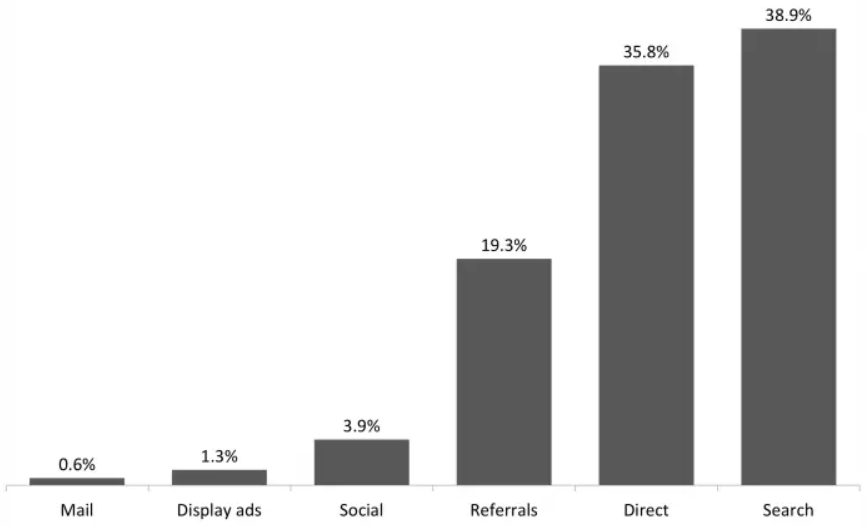
Staying up to date means appealing to new generations. Can you use the same old advertising techniques to appeal to them?
New data indicates that almost 40% of ecommerce traffic worldwide comes from search engines like Google. One of the reasons for this is the fact that users, especially the young ones, seem to actively ignore paid ads.
That’s why your store desperately needs SEO, and will always need it.
Not only will SEO allow you to rank ahead of your main competitors, but it will also do wonders for your business as a whole. It will bring in more people, help you sell more products, and make you a leader in your industry.
Does SEO really work as good as people make it out? Can even a small business benefit from it? Well, let’s take a look at some of its biggest benefits:
You’re curious about ecommerce SEO? You want to know why your SERP position is more important than you think and what you need to do to improve it? Click here and find out how to start dominating Google in 8 steps.
To understand your customers, you need to put yourself in their shoes. Luckily, all of us are consumers, so it’s not that hard to.
Ask yourself, when you’re shopping online, who do you reach out to for help? Ask your family for advice? Perhaps you ask your friends for recommendations? Well, 87% of shoppers go to their Facebook, Twitter, or Instagram account, looking for purchasing help.
Not only can social media persuade your target demo that you’re the right store for them but it can also expose your business to customers you didn’t even plan on targeting. In addition to retail sales growth, it will help you expand to markets you haven’t even thought about.
Of course, having a page/profile on all of the more popular social media platforms is a must nowadays. But should you continuously invest in social media marketing? Consider this:
If you want to read further about how your store could benefit from social media marketing or know more about the best strategies, we recommend you read our article on the topic. There, you’ll find out everything you need for a winning social media strategy.
Without your customers and their loyalty, your business wouldn’t exist. As simple as that. That’s why you need to keep them satisfied.
Is your customer service doing a good job of attending to your shoppers? Is everyone completely satisfied? More than 80% of businesses tend to think that they provide great customer service. The problem is, only around 8% of consumers seem to agree with this.
Customer service affects every aspect of your business. You need to use it correctly if you want to become a go-to store for consumers and build trust with them that will last for years to come.
Without a question, investing in customer support is a must. Here are some of the benefits you can expect when you start improving it:
Your business heavily depends on customer experience rates staying high. If you’d like to know how to keep your shoppers feeling satisfied, how to prevent bad experiences, and stimulate good ones, read our customer support tips.
Free shipping and quick returns play a large part in increasing customer satisfaction.
But above all, consumers value their time. Around 7 out of 10 customers in North America say that the value of their time is the most important aspect of good customer service.
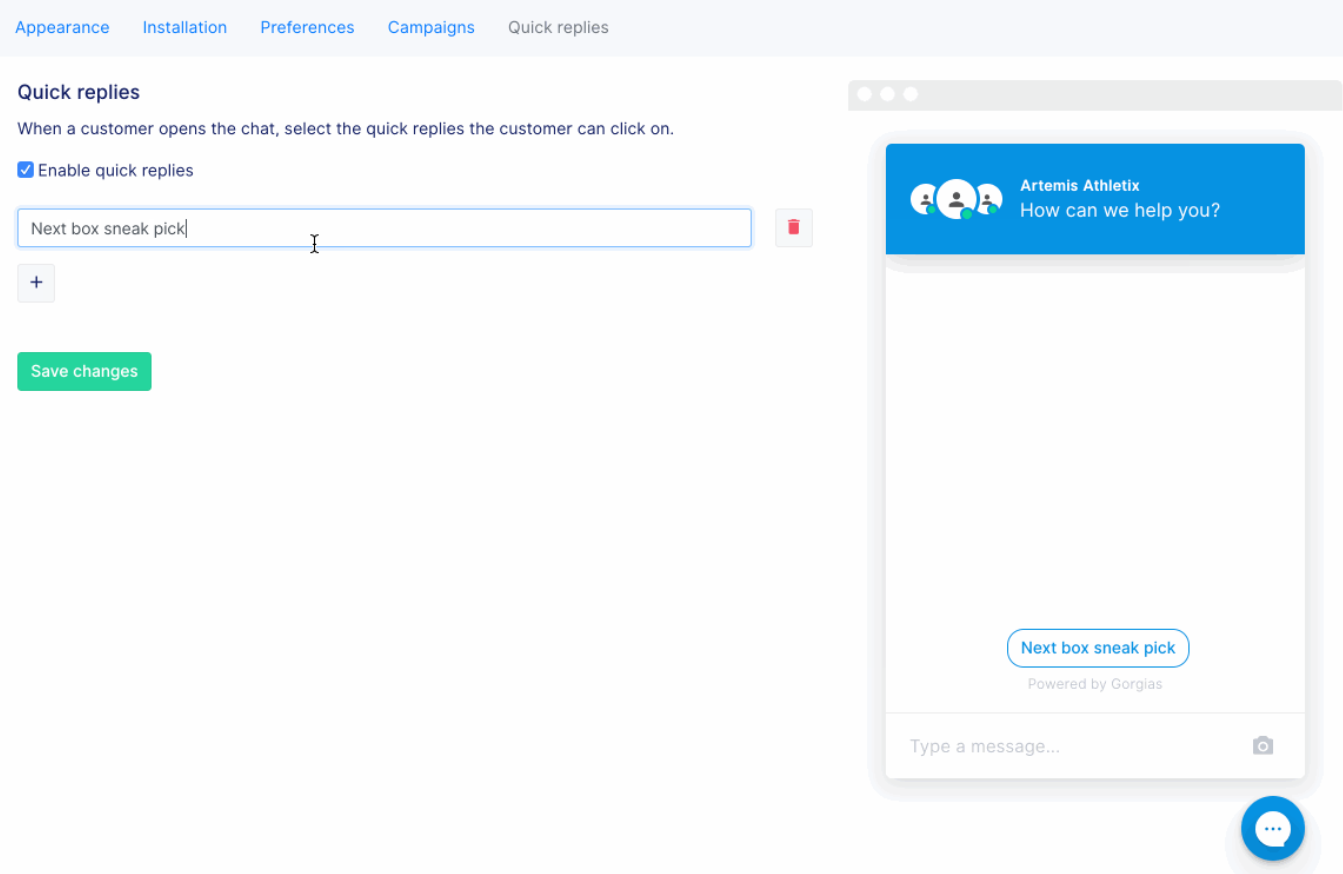
Live chat gives you the best way to address all of your customers’ inquiries and respect their time. It doesn’t require the store visitor to break the shopping experience to get their answers.
Plus, it allows your customer service agent to serve multiple customers simultaneously.
Unlike physical stores, online stores provide limited communication options to their visitors. A customer can’t just walk up to you and ask you a question. That’s why you need a live chat on your website. Here’s what can live chat do for you:
This CX-enhancing technology bridges the gap between real-world and online retail by enabling you to help your customers in real-time. Perhaps want to know what else can live chat help you with? Then read our piece on the benefits of live chat.
As your business grows, time-demanding tasks increase. That means, as time goes by, your workers will have more and more small tasks to attend to. On their own, these tasks are harmless. However, when you sum them up, they take up a lot of time.
Before you know it, these tasks will pile up. In turn, your operation will become less and less efficient. If you don’t solve this problem, your business could start suffering.
Thankfully, tasks like customer segmentation, order tracking, and social media posts can all be automated. With the right tools by your side, you’ll ensure that your business stays profitable.
New research indicates that automation helps increase online sales by almost 15%.
Small tasks can consume a lot of your time. What can you do with all of that free time? Here’s what ecommerce automation does for you:
With so many benefits, how can you pass on ecommerce automation, right? If you want to know more about the process you can automate and the tools you can use to do so, click here and read all about it in our write-up.
In ecommerce, a niche is a specific segment of the retail market, which has a distinct target audience mainly interested in a particular product type. Niches can be narrow and wide. A wide niche would be beauty products and a narrow niche would be male, eco-friendly care products.
Do you know what are the most profitable niches? These are the five biggest money-makers in ecommerce for the past 3 years:
If you want to expand your business, it would be smart to find a particular niche to target. This would allow you to tap into a market not touched by major companies. By targeting a specific group of customers, you can more easily establish yourself as the go-to brand.
Trying to please everyone is a recipe for disaster. Finding a niche and sticking to it will help your business with:
With that being said, how can you know if a niche is good for you? What niches will your customers gravitate to? How can you even find them? You can read all about it, and more, in our article on ecommerce niches.
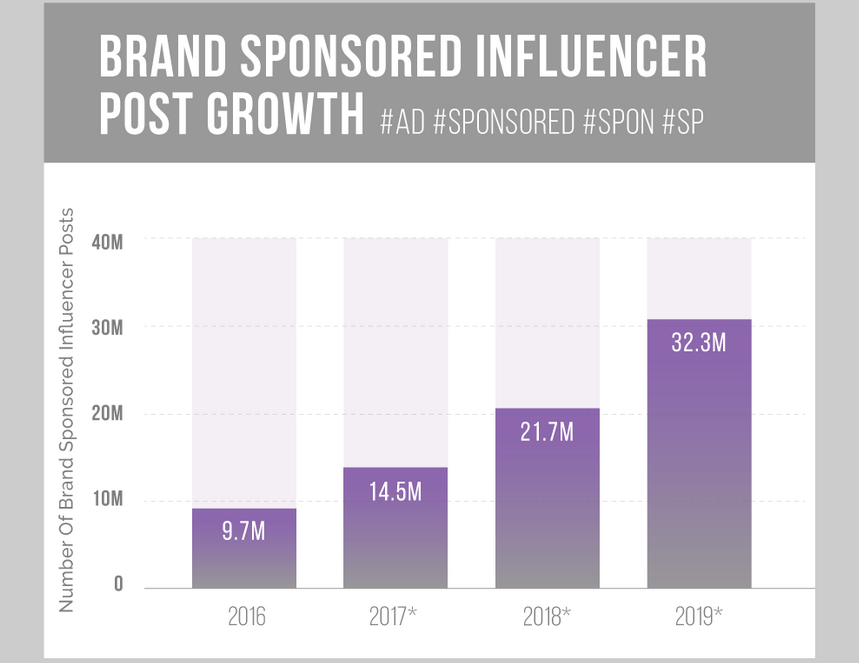
This year, more than 3.6 billion people around the globe are using social media every day. The number definitely won’t go down any time soon. Among other things, people use social media to find new products and look for recommendations from people they trust.
These people are the ones you need to partner up with. Regardless of what ecommerce industry you’re in or what niche you’re targeting, certain influencers can help you improve sales.
Not even your geographical location makes a difference. There are influencers in North America, Latin America, and even in the Asia-Pacific region. Yes, there are, in fact, influencers in China.
Working with an influencer can expose your brand to the global ecommerce market and boost your marketing efforts beyond your wildest dreams. If done correctly, partnering with an influencer can expand your social reach, ensure growth, and improve your bottom line.
Although “influencer marketing” is considered a recent buzzword, people have been using the influence of others to sell products for decades. Here’s what you can expect from it:
Do you know any influencers in your industry, personally? If not, do you know who they are? How about, how to contact them? Discover how to find the right influencers, get in touch with them, and partner up, by clicking this link right here.
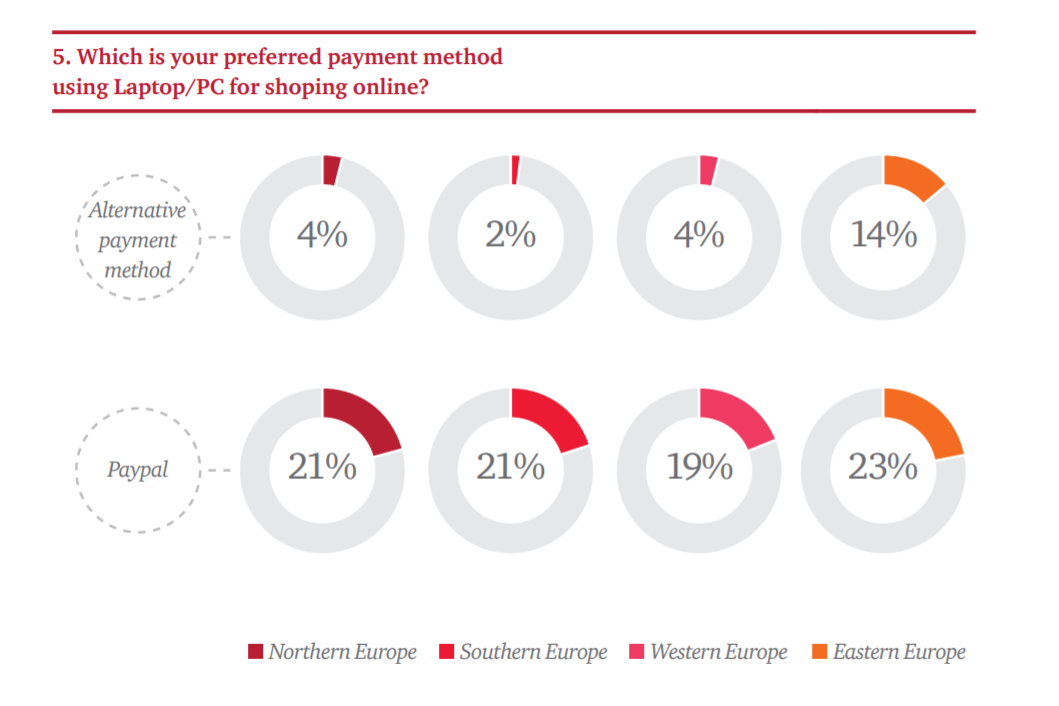
Consumer behavior has changed drastically over the past decade. Just 10 years ago, a vast majority of consumers couldn’t imagine going shopping without any cash on them. Today, most people are more than glad to go cashless.
Online payment platforms are slowly taking over. Here are preferred payment methods of online shoppers, on a worldwide scale:
Merchants that want to expand their businesses need to offer seamless payment options to their customers. Having the right platform will speed up the entire purchase process for both local and international customers alike, all while making them feel 100% safe.
What’s the preferred platform for your audience? That’s the question you need to answer. Here’s how using the right payment gateway helps your business:
Did you know that selecting the right payment platform can help you attract more customers? If you’re still not sure what payment option will work with your ecommerce platform best, read more about the topic in our article and get all the information you need.
Even though in-store spending is still on top, around 96% of consumers have bought something online in the past 12 months. A large percentage of them have found what they were looking for through targeted ads while browsing the Internet randomly.
PPC or Pay-Per-Click advertising is a form of online advertising in which the business owner pays a certain amount of money every time a consumer clicks on their advertisement.
There are plenty of platforms you can use to host your ads. This includes search engines like Google and Bing, social networks like Facebook and Instagram, as well as popular websites like TechCrunch and Search Engine Journal.
SEO might be a more cost-effective way to market your business, but let’s face, without paid advertising, you’ll miss out on hundreds of sales each month. Here are the benefits of paid ads:
In the ecommerce industry, advertising is simply a must. But there are many platforms out there. Are you really sure what platform you should advertise on? You should read our ecommerce advertising guide to find out everything you need to get started.
Even though some people think that email marketing is on a decline, that’s not even close to the truth. Failing to invest in email marketing would be a huge mistake. The fact of the matter is, without email, your sales, user engagement, and customer numbers would drop.
Last year, 78% of marketers saw an increase in email engagement. That means, even in 2020, email is still one of the most effective sales tools.
With email, you’ll be able to directly reach your customers and serve them weekly content, without relying on social media algorithms. Not only that but with retargeting, you’ll be able to lower your cart abandonment rates significantly and increase conversions in no time.
Paying more attention to your email campaigns comes with a lot of pros and a very few cons. Here some of the benefits you can expect to experience:
Is email marketing something you want to get into? Do you know how to start building a list of leads? What do you want to accomplish with your strategy? Take a look at our beginner’s guide to email marketing and learn the basics.
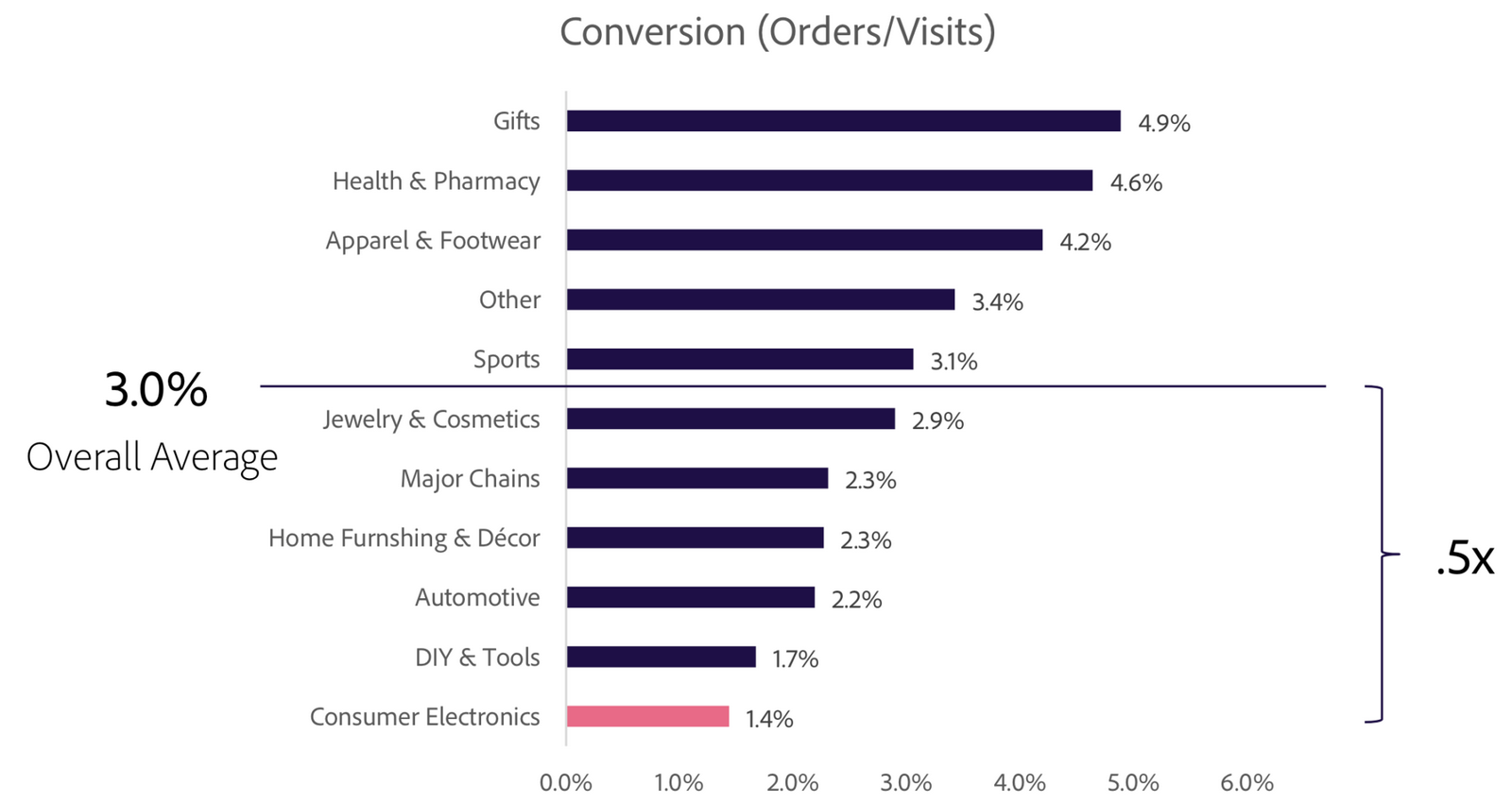
Have a low conversion rate? In the world of ecommerce, that’s nothing out of the ordinary. Most US ecommerce websites have a conversion rate between 1% and 2%.
Of course, the rate varies greatly between different sectors. Some ecommerce niches have rates as high as 4.9% while others have as low as 1.4%.
All of this doesn’t mean that you should be satisfied with your rate. Your website can always use some conversion rate optimization. How can you boost your conversion rate? In many ways actually, some of which include:
Don’t underestimate the power of CRO. By improving your conversion rate by a percent, you can double your revenue.
Dedicating a certain amount of time each week to conversion rate optimization can make your business strategy more effective. But there are lots of other CRO benefits:
Are those the only benefits of boosting conversions? What can you do to make sure that more people convert? How can you track your conversions more closely? Find out all about it in our article on conversion rate optimization.

As an ecommerce store owner, your job is to sell products. Quality products are the backbone of your business, right?
Nowadays, consumers are being bombarded with visual content. Social networks, streaming platforms, and forums, all thrive from visual content. With so much visual content on the Internet, consumers now ignore most things that don’t tickle their imagination right away.
Around two-thirds of consumers feel that image quality is “very important” when they’re making a purchasing decision.
That’s why you need to take steps to ensure that your products are looking crisp. Whether this means hiring a professional to handle the work or taking things into your own hands and snapping a few pics is all up to you. Just make sure that your visuals are on point.
Organizing a professional photoshoot is not a small task to tackle. A lot of time and money goes into photo sessions. Here are a few reasons why you need to focus on product pics:
What’s more effective, learning how to take quality pictures yourself, or hiring a professional? Will working with a professional product photographer pay off? Will you be able to recoup? To find out answers to all of these questions, read our guide to product photography.
Those were our ecommerce growth tips. However, we still didn’t talk about the most important thing you need to do if you want your ecommerce business to grow.
Whether you decide to invest in PPC, hire a product photographer, or start working on an email marketing strategy, one thing is certain: your customers always come first.
You need to keep your customer service at a high level, in order for your business to continue growing. And you can’t possibly do that without the right tools.
Gorgias is a helpdesk that will allow you to have all customer-related data in one place. You’ll be able to view profiles, answer questions, and chat in real-real time with customers.
Go ahead, sign up for Gorgias, and get an exclusive 15-day trial for free.





