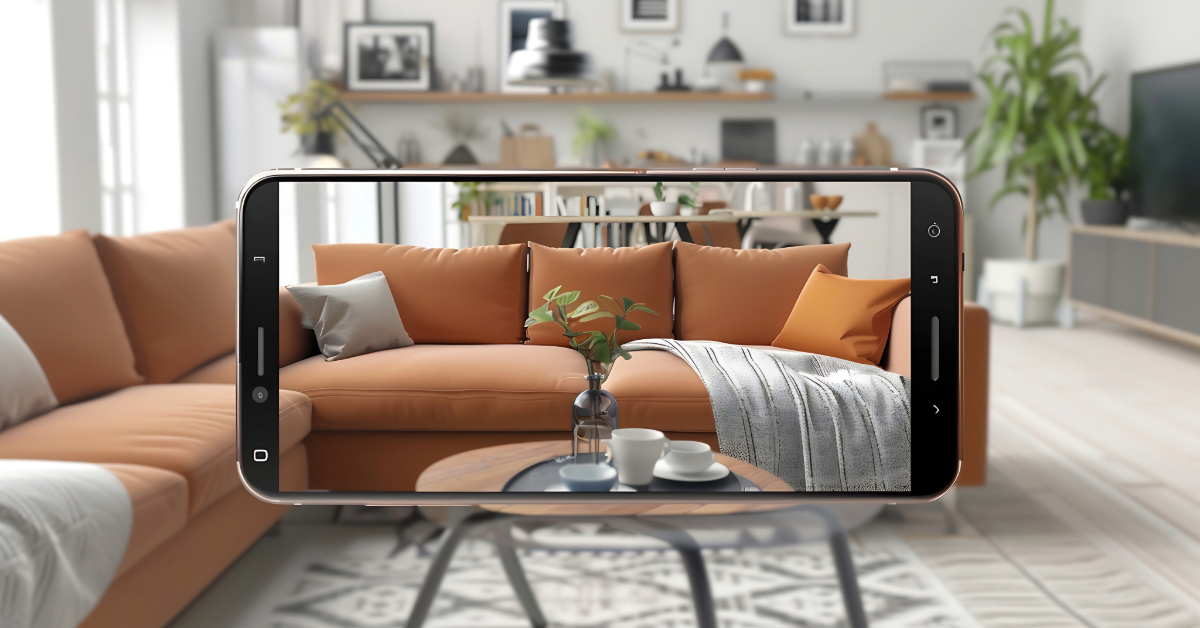
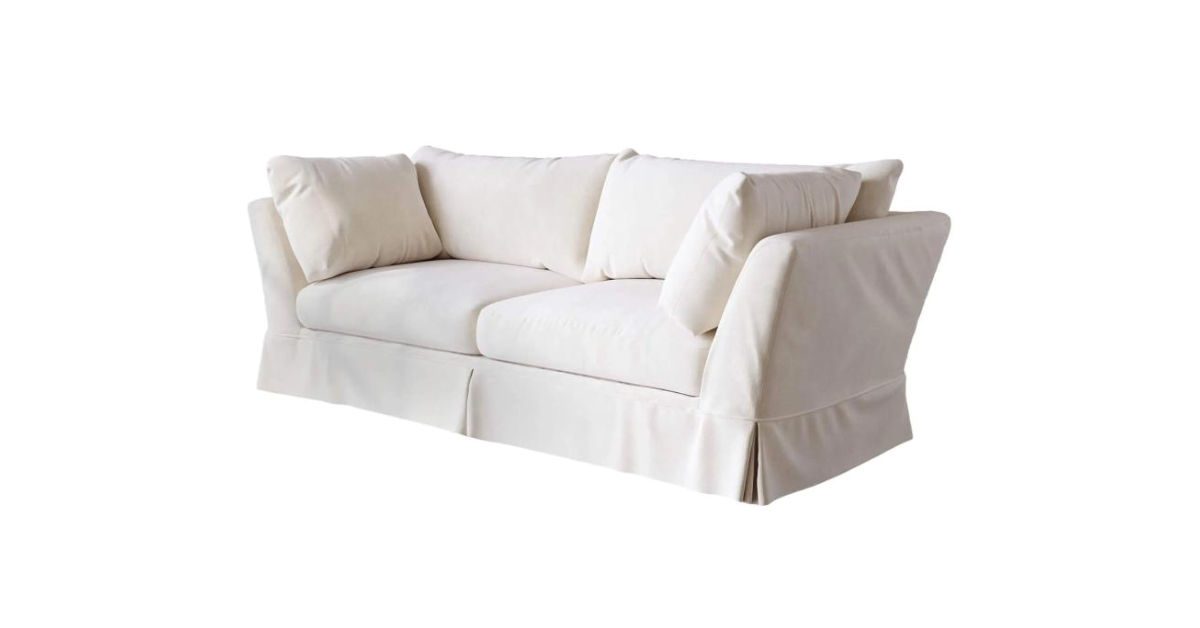
There was a time when buying furniture online felt like making a leap of faith. You’d scroll through a few photos, squint at the product dimensions, read one or two reviews, and hope for the best. Maybe the sofa would match your rug. Maybe that coffee table wouldn’t feel cheap. Maybe the chair’s height wouldn’t surprise you.
Back then, customers were used to guessing. Today? Not anymore.
Modern shoppers expect clarity. They want to examine products from every angle—spin them, zoom in, feel textures with their eyes. And for e-commerce brands, meeting those expectations isn’t just a nice touch—it’s essential.
That’s why 360 product photography is no longer optional. It’s the new baseline for a trustworthy and immersive furniture buying experience.
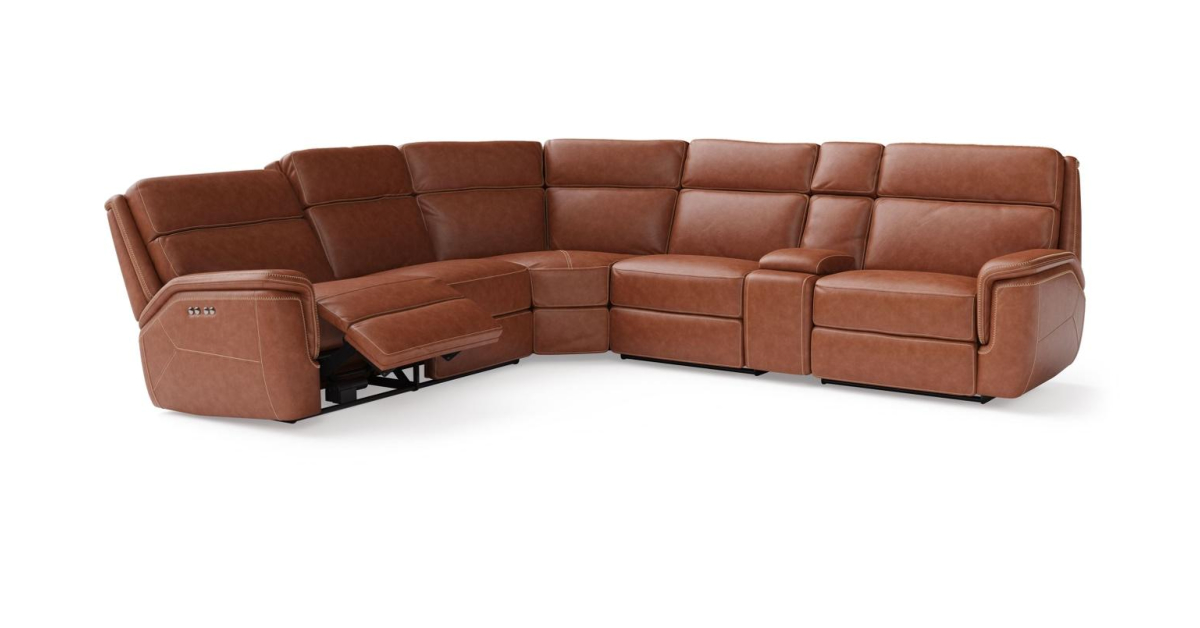
Furniture is physical. It’s about comfort, material, proportions, and presence. Trying to capture all of that with three studio-lit images from the front, side, and back? That’s a tough sell.
Static images flatten detail. They limit perspective. They often leave buyers unsure. How does the back look? Is the surface glossy or matte? What do the legs look like when viewed from above?
With 360 product photography, those doubts start to disappear. Customers can rotate the product, examine joints, check under edges, and visualize it as if it were right in front of them.
When a product moves, people stay. Interactive visuals turn shoppers into participants. That extra second they spend rotating a chair or zooming in on stitching? It’s time that builds interest, trust, and—ultimately—intent to buy.
In a crowded marketplace where attention spans are short, that interactivity is gold.
Furniture is an emotional purchase. It’s not just about function. It’s about style, comfort, and how something feels in a space. The uncertainty of online shopping often gets in the way.
When shoppers can see every angle, they start to relax. They don’t have to imagine how the underside looks or whether the legs are metal or wood—they can see it. That transparency goes a long way toward building trust.
And when people trust what they see, they click “buy” with less hesitation.
Retailers using 360 product photography have seen some remarkable outcomes:
These aren’t small changes—they’re meaningful shifts that impact revenue and customer satisfaction.
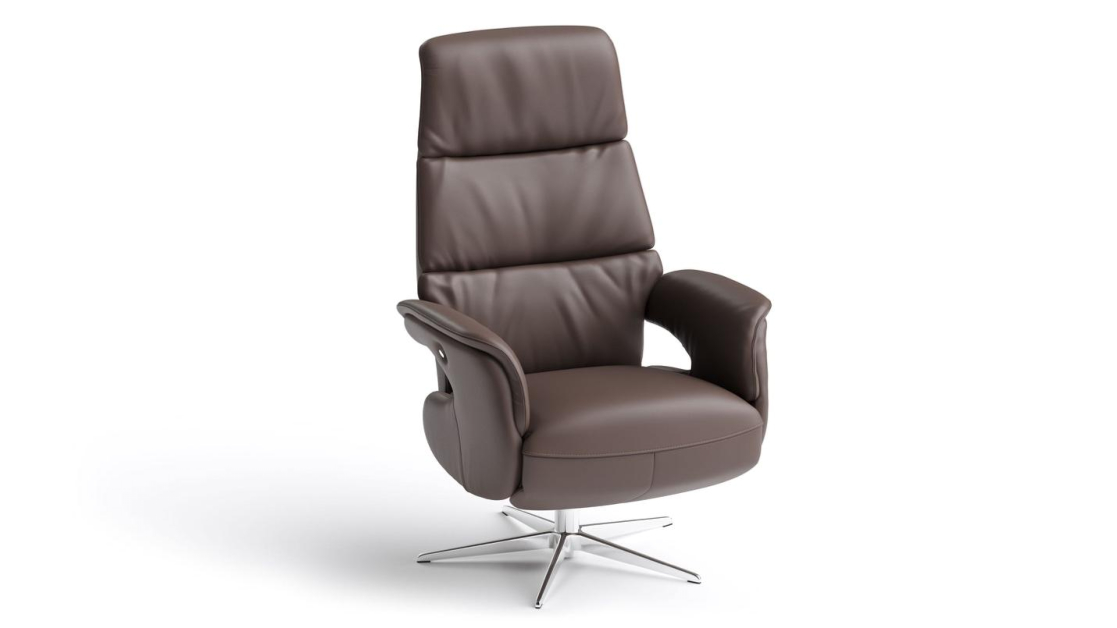
A typical photo session for furniture involves:
Now imagine having to do that every time a product line adds a new finish or leg option. It’s expensive and inefficient.
With CGI and 3D modeling:
Want to show a sofa in 10 fabrics and 3 leg styles? You can do it all from one model using a 3D product viewer—no reshoots required.
Creating photorealistic 360s isn’t magic—it’s a smart process built on experience, technology, and artistry.
The process starts with building a virtual version of the product using CAD files, photos, or sketches. Skilled artists recreate every contour and line, down to the smallest curve in an armrest.
Next, real-world materials—velvet, oak, chrome, linen—are mapped onto the model. This stage is crucial for making the final render believable.
Virtual lighting is added to mimic real-world conditions—whether it’s studio daylight, soft ambient shadows, or direct spotlights. Then the product is rendered, often from hundreds of angles.
Once rendered, the image set is uploaded into a lightweight 360 product viewer that lets customers rotate, zoom, and explore directly on the product page—no additional software or plugins needed.
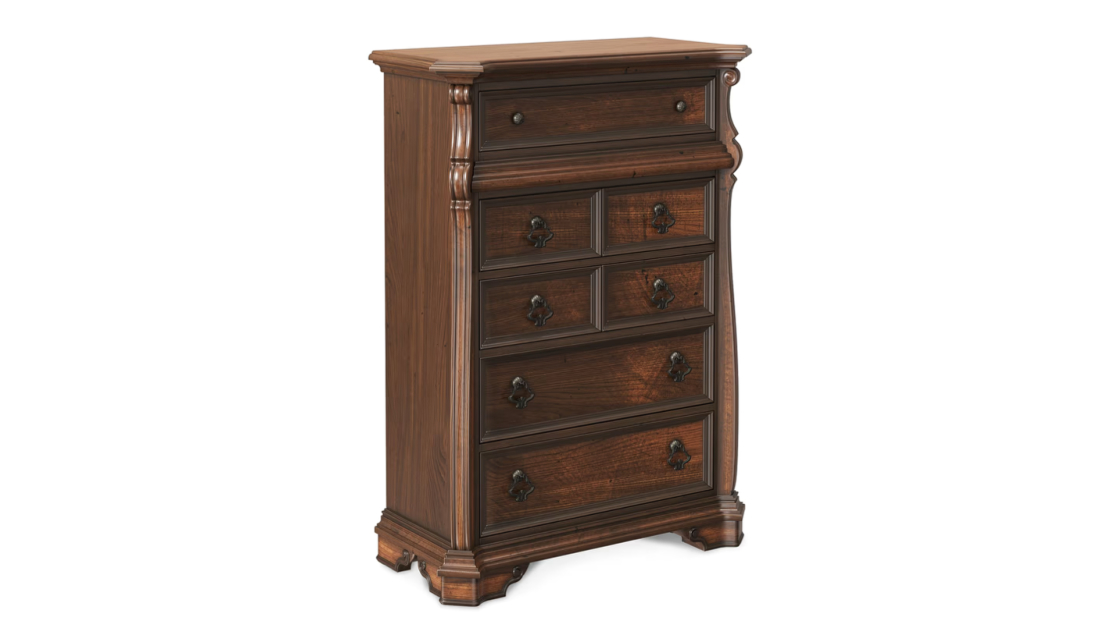
They notice the product moves. So they interact. They drag it left and right. They zoom in.
They examine textures. They inspect the legs. They understand scale better.
They start imagining how it’ll look in their home, under their lighting, beside their rug.
With nothing left to doubt, making a decision feels natural.
360 product photography offers value at every level of a furniture brand’s operation. While it’s clearly a win for customers, it’s equally impactful behind the scenes.
Marketers gain a powerful tool that enhances ad visuals, email campaigns, and landing pages. Interactive content performs better on social media and increases click-through rates across paid media.
Designers benefit from precise digital replicas that can be updated quickly. Want to test a new finish or texture? With a 360 product viewer, it takes minutes—not days.
360 visuals help reduce friction on product pages, lowering cart abandonment rates and increasing satisfaction.
Better product understanding means fewer tickets and calls, saving time and resources.
Q: Does 360 product photography work on mobile devices?
Yes. Modern 360 product viewers are fully responsive and work smoothly on mobile, tablet, and desktop.
Q: Can I use 360 images in ads or social media?
Definitely. You can repurpose your visuals into rotating GIFs or short demo clips for Instagram, LinkedIn, or ad platforms.
Q: Is this solution expensive?
It depends, but often the savings in logistics, returns, and time outweigh the upfront cost of creating high-quality 3D models.
Q: How long does it take to launch?
Most brands can have 360 views live within 1–3 weeks. Even faster if 3D models already exist.
A mid-size DTC furniture brand introduced 360 product photography on their top 20 items. Within three months, they saw:
Most 360 product viewer solutions are plug-and-play for platforms like:
They don’t slow down page speed and require no coding.
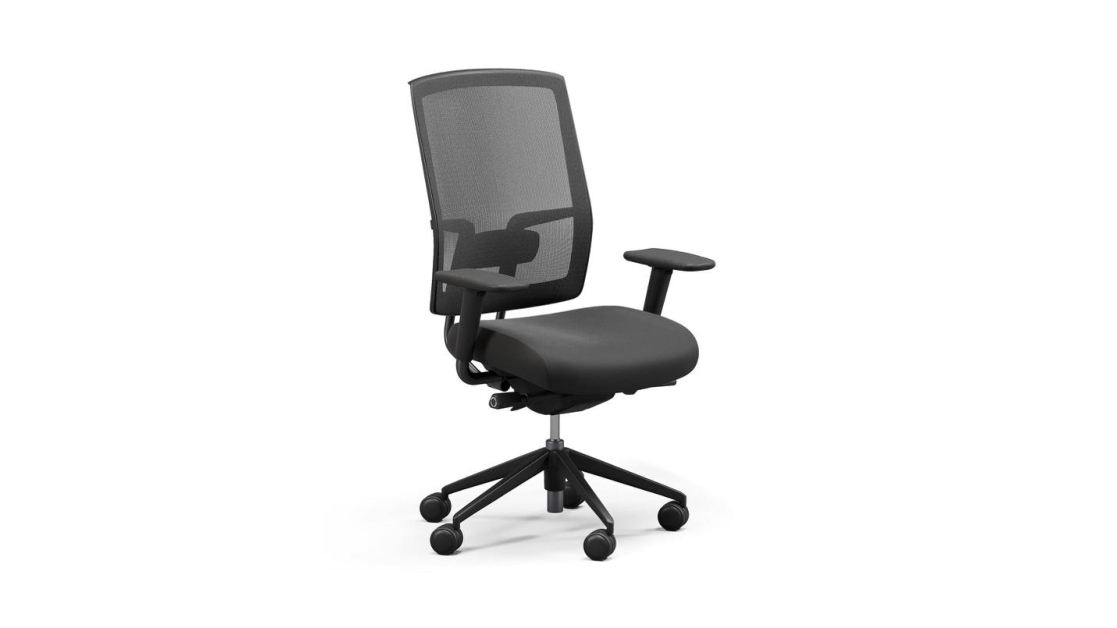
These visuals also help boost rankings:
All of that makes 360 product photography a win for both UX and SEO.
Got one sofa in six fabrics and three sizes? A 3D product viewer makes expanding your catalog fast and budget-friendly. Just swap textures—no reshoots required.
360° imagery is just the beginning. These same 3D assets power:
If you’re already using 360 product photography, you’re already preparing for the next era of e-commerce.
Furniture e-commerce is evolving fast. Visual clarity, interactivity, and trust are the new currency—and 360 product viewer deliver all three.
This technology doesn’t just enhance aesthetics. It builds confidence. It drives decisions. And it keeps your brand ahead of the curve.