
|
Key Takeaways |
|
Personalization should be continuous and ongoing. Build richer customer profiles over time through progressive profiling. Use real-time signals from both customers and your business to drive engagement. Event-triggered personalization outperforms static campaigns. Customers expect seamless, relevant experiences from the very first interaction, even before they identify themselves or opt in. Focus your personalization on key moments that influence decisions, such as product availability, onboarding, or cart abandonment. Personalization should always guide action, driving measurable outcomes like conversions, retention, and revenue. |
What are the most common personalization mistakes in marketing?
The most common personalization mistakes include treating personalization as a one-time data collection effort, ignoring real-time business signals, delivering disjointed omnichannel experiences, neglecting anonymous users, and failing to tie personalization to measurable business outcomes.
Why is one-time data collection ineffective for personalization?
One-time data collection quickly becomes outdated and can overwhelm customers upfront. To effectively personalize messages, marketers should apply progressive profiling strategies and continuously update customer data through ongoing interactions, dynamically updating customer profiles and segmentation based on the customer’s behavioral signals.
How can brands use real-time signals to improve personalization?
Brands can improve personalization by using event-driven marketing powered by real-time signals from both customers (e.g., browsing behavior) and internal systems (e.g., inventory or supply chain data). By connecting data sources and actioning that data with AI, organizations enable instant campaign adjustments.
When it comes to personalized customer engagement, every brand is in the process of development. A “personalization mistake” doesn’t spell tragedy—instead, it’s an opportunity to redefine processes and potentially crack open new revenue streams.
One true sign of marketing maturity is the ability to take basic or outdated strategies, infuse them with relevant customer and operational data, and then deliver messages that are relevant, meaningful, and timely.
Let’s explore five common personalization “mistakes” and how you can steer your brand toward customer engagement maturity using practical examples from our Personalization Playbook, Second Edition.
The mindset that personalization depends on a one-time data grab can lead to multiple missteps, such as…
How to demonstrate marketing maturity
Your customers are dynamic and always changing, so the way you engage them should also be dynamic. It’s important to use progressive profiling tactics to get to know your customers over time. Focus on earning data through repeat interactions, continuously updating customer profiles. Real-time behavior signals like category browsing, purchase, and channel usage all add up to create a bigger picture of who your customer is and what motivates them.
Be sure to explain how the data will be used and then use the data in ways that benefit not just your brand, but the customer—this goes a long way toward building trust and long-term loyalty.
Earn that data; don’t just hoard it.
Quick tips
Playbook example
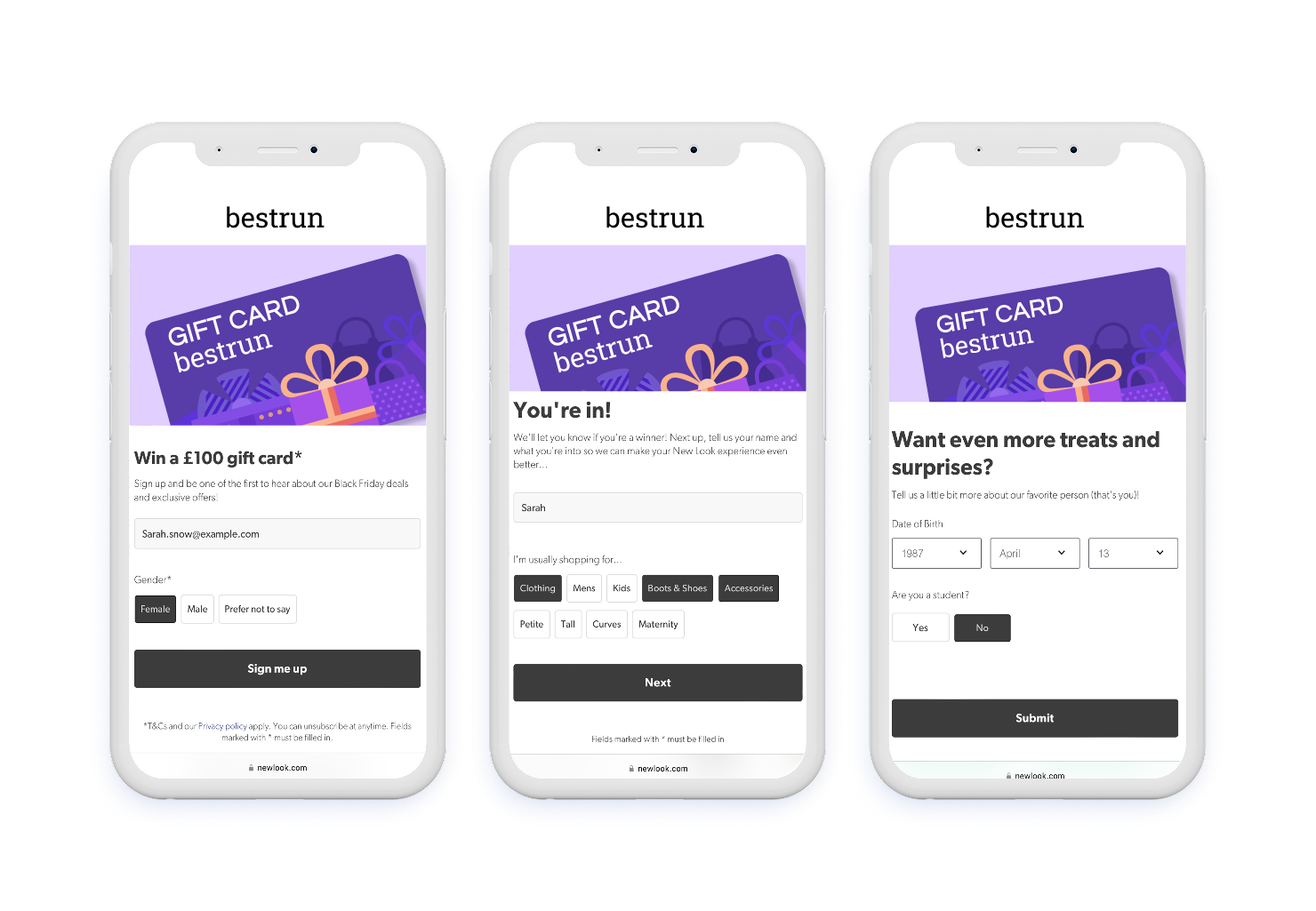
In this series of mobile interactions, the brand gradually gathers data over time (Personalization Playbook: page 12).
Marketers talk a lot about customer signals, especially ones that show intent to purchase.
Not all signals come from the customer! Many come from within your own organization, such as service, supply chain, finance, sales, etc. Failure to act on these real-time signals results in missed opportunities.
How to demonstrate marketing maturity
Your brand needs to react in the moment, not hours or days after a significant event that impacts customer experience. Personalization must be event-driven, not calendar-driven.
However, human beings can’t possibly react to every signal in real time. That’s where AI comes in—when your data is unified and your customer engagement solution is connected with your Enterprise Resource Platform (ERP), AI can dynamically adapt campaigns to events as they happen. Yet 78% of brands can’t practice real-time AI optimization in day-to-day campaigns (Global Engagement Index, 2026). As customer expectations rise and AI capabilities become more widespread, brands will need to innovate or risk falling behind competitors.
Quick tips
Playbook example
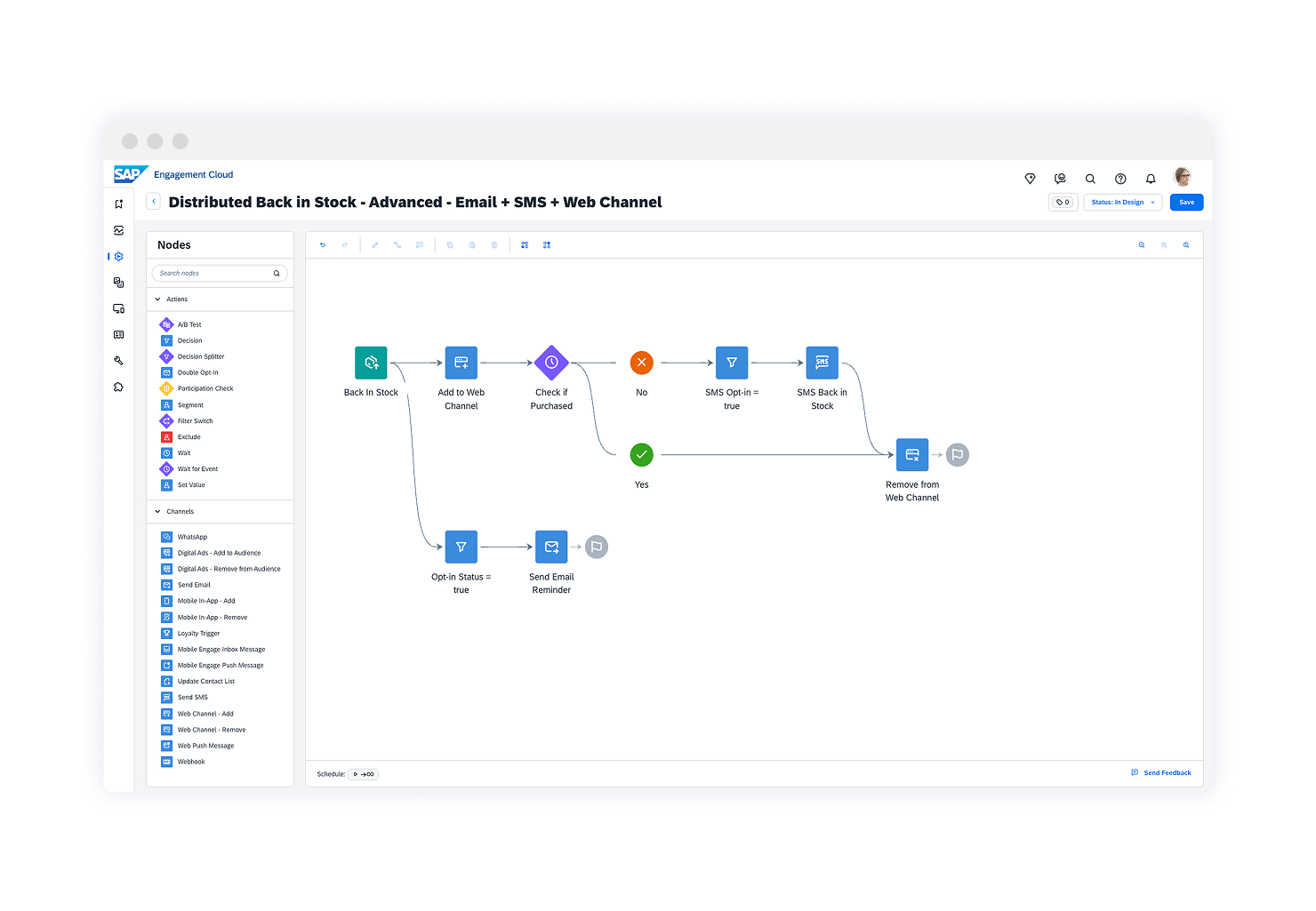
The following campaign flow shows how you can inform customers via email that an item is back in stock, give product recommendations, and send an SMS message about it (Personalization Playbook, page 26).
Your customers don’t care that your channels are all in siloes—to them, there is only one journey with your brand, and that journey is happening on whatever channel they use. Disjointed messages across channels feels inconsistent and confusing to customers.
How to demonstrate marketing maturity
Channels should work in harmony to tell your brand story in a cohesive, consistent way. That doesn’t mean copy-pasting the same message across channels, using each channel to its best advantage (i.e. SMS for time-sensitive messages, email for newsletters, etc.
Quick tips
Playbook example
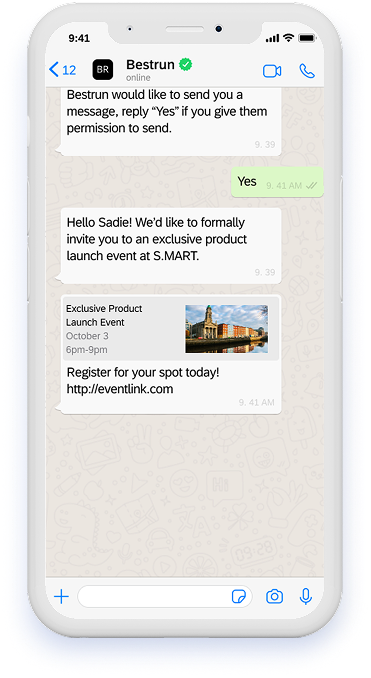
Use email and conversational channels to launch a new product. AI-driven channel engagement scoring can help you target the segments that are most likely to engage on different channels (Personalization Playbook, page 22).
Don’t wait on a written invitation from the customer to personalize content for them. If you’re personalizing content only for known contacts and neglecting your anonymous visitors, you may be waiting too long and missing the chance to guide early-stage customers down the funnel.
How to demonstrate marketing maturity
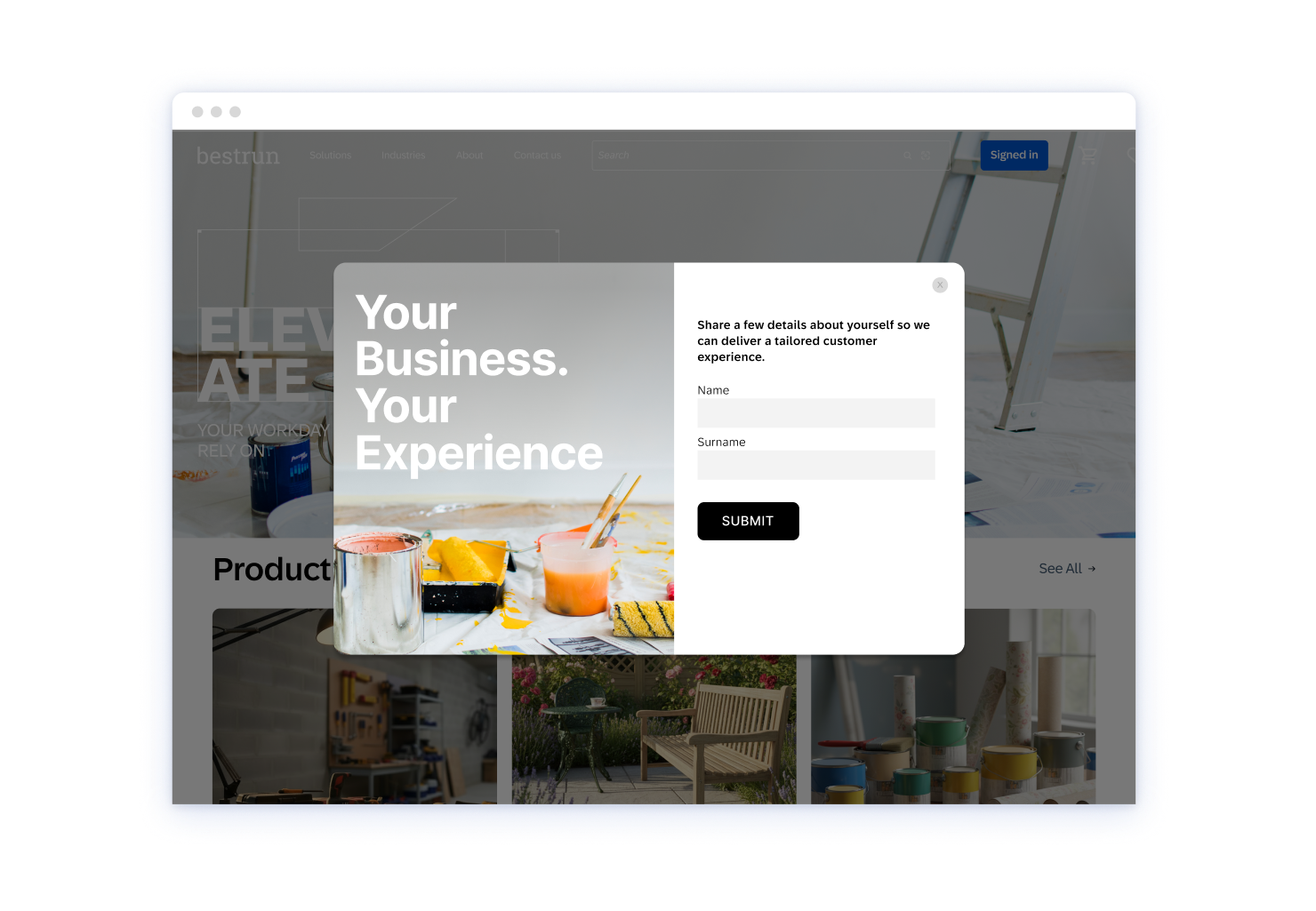
Personalization can (and should) begin even before identification. Here’s what that can look like:
Quick tips
Playbook example
Give customers a chance to opt-in to a more tailored, guided experience, and then follow up by connecting the customer with a sales representative, converting qualified leads faster (Personalization Playbook, page 16).
At the end of the day, you aren’t delivering personalized experiences just for the sake of it—you do it to give customers the tailored experiences they deserve and also to drive real, tangible results for your brand.
Superficial personalization doesn’t help customers make decisions and doesn’t drive revenue.
How to demonstrate marketing maturity
Focus on triggered, outcome-driven automations that drive conversion, retention, and re-engagement.
Personalization must be:
Quick tips
Playbook example
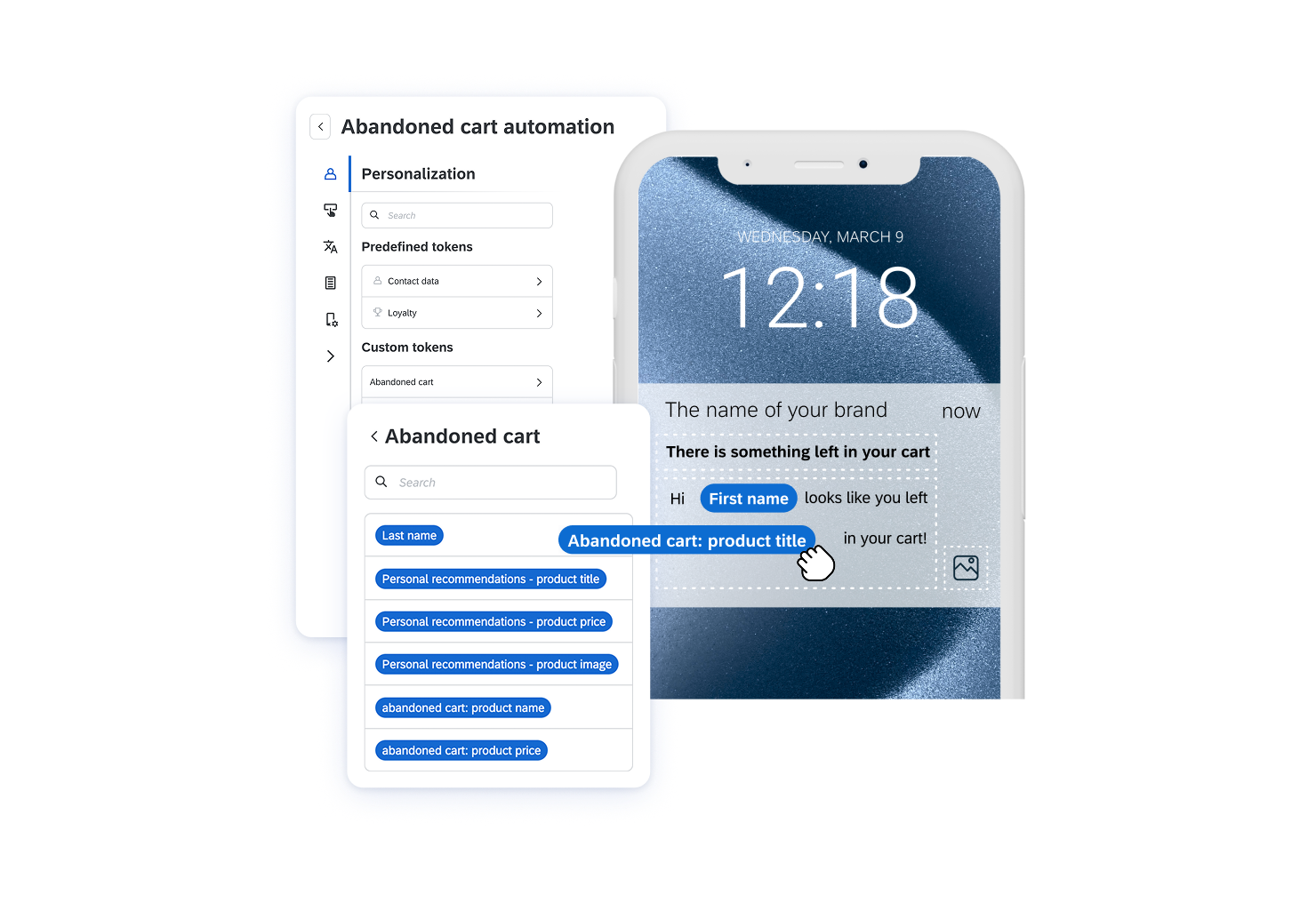
In this example of an abandoned cart notification, personalization tokens make the message specific and actionable for the customer (Personalization Playbook, page 40).
Personalization “mistakes” rarely come from a lack of effort—they come from outdated strategies. By moving away from static campaigns and surface-level tactics and toward contextual, timely engagement you can advance to the next level of marketing maturity.
Sophia Holy brings over a decade of experience helping organizations navigate the ever-evolving world of marketing and customer engagement while making it all feel a lot more manageable. Sophia’s held roles at Oracle and Sprinklr, and now works as a Solutions Advisor Senior Specialist at SAP, where she turns big ideas into practical, impactful solutions. Her background spans digital transformation, marketing strategy, and customer experience, but what she really cares about is helping brands feel more human. Sophia enjoys sharing thoughts on where marketing is headed and how companies can create experiences people actually care about.