


Image source: Canva
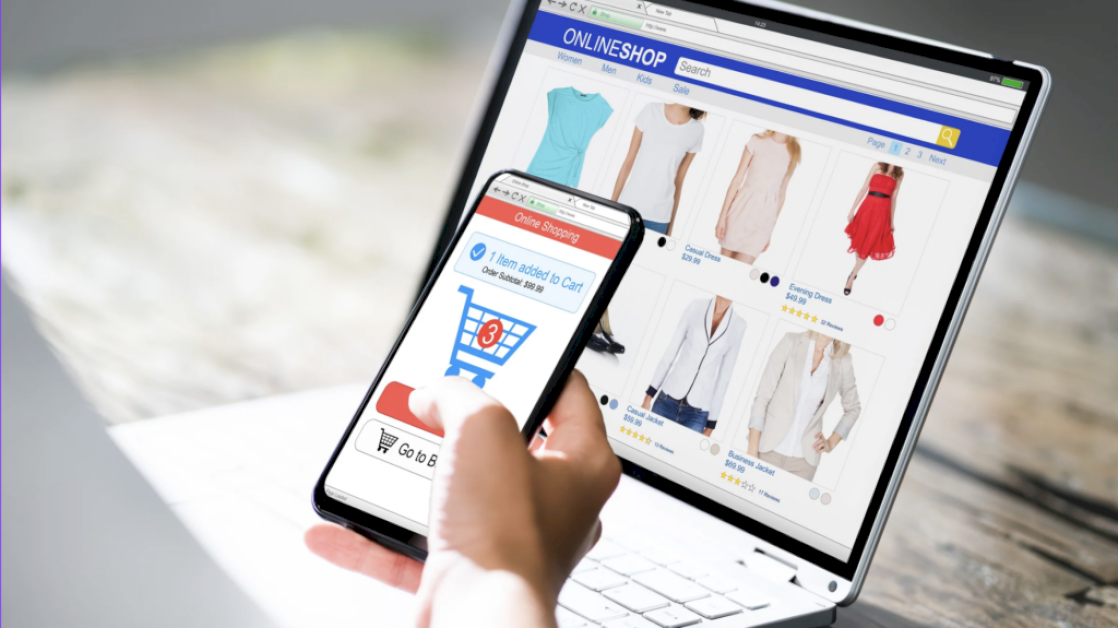
The ecommerce industry is thriving, driven by the rise of mobile shopping. According to Statista, smartphones made up almost 80% of all retail website visits worldwide and led to most online orders, surpassing desktops and tablets in 2024. This occurred due to the widespread adoption of mobiles and changes in consumer behavior toward quick and affordable purchases. So, every mobile app owner should optimize their solutions to adapt to these shifts.
In this article, we’ll explore seven main ecommerce app features that help ecommerce businesses deliver an efficient and outstanding shopping experience.
This article is published as part of a sponsored collaboration.
As we’ve already said, the ecommerce application market is growing rapidly due to the increasing number of smartphone users and consumer demand for convenience. In turn, this leads to the following statistics:
These numbers highlight the growing role of mobile commerce (m-commerce) in the ecommerce market. Businesses that invest in a mobile-first strategy are more likely to capture and retain more customers. That is why now is the right time to invest in mobile solutions.
At SoftTeco, we specialize in ecommerce mobile app development, helping businesses across diverse industries drive conversions and growth. We offer custom development, integration with systems (CRM, payment gateways), migration to M-commerce, and more. With over 17 years of experience and a team of skilled experts, we ensure you’ll get an ecommerce application per your needs and budget.
A successful ecommerce app must combine functionality, security, and outstanding user experience to stand out in the market. Here are 6 main features that ecommerce mobile apps should include to succeed:
Security is a top priority for customers when shopping online. According to Appknox, 95% of apps failed security checks, and 68% had three or more critical vulnerabilities. To protect customers and build trust, businesses must prioritize robust security measures.
As technology evolves, cyber threats become more sophisticated. This makes it essential for ecommerce apps to adopt modern security solutions and regularly update and test their systems. For any ecommerce app, essential security methods to include:
Also, businesses should educate users about cybersecurity best practices, such as recognizing phishing attempts and using strong passwords. Thus, robust security policies and real-time fraud detection safeguard customers and make shopping safer and more reliable.
Beyond security, speed is equally crucial. Customers expect a quick and hassle-free experience, and any friction – whether it’s long forms, unexpected costs, or complicated navigation – can lead to abandoned carts. To speed up the checkout process, consider these features:
Also, ensure your mobile app performs smoothly, as slow load times or lags can frustrate users and increase drop-off rates. By improving the checkout process and optimizing mobile apps, businesses can improve customer satisfaction and drive more sales.
According to Forrester, 68% of visitors leave a website if they have a poor search experience. This is because customers don’t want to spend time scrolling through irrelevant products. In contrast, they want to find the necessary goods as quickly as possible. To help customers with it, you must consider adding advanced search options, like sorting by price, rating, size, or category.
Here are some key advanced search features to look for:
These features help users find what they need with minimal effort, improving the overall shopping experience. AI-driven algorithms enhance search accuracy and, over time, help businesses better understand user behavior. This leads to lower bounce rates, higher conversions, and greater customer satisfaction.
According to Statista, 58% of online shoppers have made purchases via social media. Social commerce is now a must for ecommerce apps, blending shopping with social interactions. It allows brands to engage with customers where they already spend time – on platforms like Instagram and TikTok. This makes it easier for users to buy products directly from their feeds. Some social features to add to an ecommerce app:
Having social media integrated into your app will help users with login, registration, and sharing goods with loved ones. It not only improves purchase decisions but also enhances user engagement and trust. By leveraging social commerce, brands can build stronger customer relationships and, ultimately, drive more conversions.
According to a study by Epsilon, 80% of customers are more likely to buy when brands offer personalized experiences. And AI plays the biggest role in making this possible. Using data analytics and ML models, ecommerce apps can offer tailored products based on user behavior and past purchases. How else AI can help:
By offering personalized recommendations in real-time, AI improves the shopping experience. It makes it easier for customers to find valuable products while increasing business sales.
When a purchase is complete, staying informed about order status is vital for today’s shoppers. They want to know exactly where their package is and when it will arrive. When customers can track their orders, they feel more confident and less anxious about their purchases. For this, you need to add real-time order tracking features, such as:
By providing real-time order updates, companies can encourage repeat purchases by building trust and transparency with users. It also reduces support inquiries since users can check their order status anytime.
A modern ecommerce app must cater to diverse customers. One way to do that is to offer multiple payment methods and support for various currencies. According to Shopify, 11% of customers abandon their carts due to limited payment options. This highlights the importance of convenience for buyers, the lack of which often leads to lost sales.
To get around the problem, you need to integrate various payment options, such as:
When shoppers can see prices in their local currency and use their preferred payment method, they’re more likely to complete their purchase. It enhances the shopping experience, reduces abandoned carts, and helps businesses expand into global markets.
EcomBalance is a monthly bookkeeping service specialized for eCommerce companies selling on Amazon, Shopify, eBay, Etsy, WooCommerce, & other eCommerce channels.
We take monthly bookkeeping off your plate and deliver you your financial statements by the 15th or 20th of each month.
You’ll have your Profit and Loss Statement, Balance Sheet, and Cash Flow Statement ready for analysis each month so you and your business partners can make better business decisions.
Interested in learning more? Schedule a call with our CEO, Nathan Hirsch.
And here’s some free resources:
The future of ecommerce apps is set for significant growth driven by advanced technologies and changing consumer expectations. They are transforming how businesses interact with customers and how shoppers make purchases. In the coming years, we will likely see more flexible payment options, omnichannel experiences, and a strong focus on personalization. That is why it is essential to add new features and keep up with upcoming ones. By doing so, businesses can stay competitive and continue growth in the market.





