


The subscription business model has become a dominant force across various industries, from digital streaming and software services to monthly product boxes and membership programs. This model offers businesses a predictable and steady revenue stream while providing customers with continuous access to products or services they value. If you’re new to the subscription model, this guide will introduce you to the fundamentals and key strategies for building a successful recurring revenue stream.
Key takeaways
The subscription model involves customers paying a recurring fee—typically monthly or annually—in exchange for continuous access to a product or service. This model contrasts with one-time purchases, where customers pay a single upfront cost. Subscription models are particularly advantageous because they foster long-term customer relationships and provide businesses with predictable cash flow.
The cornerstone of any successful subscription model is a compelling value proposition. Customers must perceive ongoing value in your offering to justify recurring payments. This can be achieved through:
An effective pricing strategy is crucial for attracting and retaining subscribers. Consider the following approaches:
A smooth onboarding process sets the tone for a positive customer experience. Make it easy for new subscribers to get started and understand the value of your service:
Engaged customers are less likely to churn. Implement strategies to keep subscribers actively using and valuing your service:
Involuntary churn due to failed payments is a common challenge. Having a robust payment recovery process can help retain customers who might otherwise unintentionally lose access. After all, an average of 7% of all payments fail on the first attempt. This
Utilizing data analytics can provide valuable insights into customer behavior and preferences, enabling you to make informed decisions:
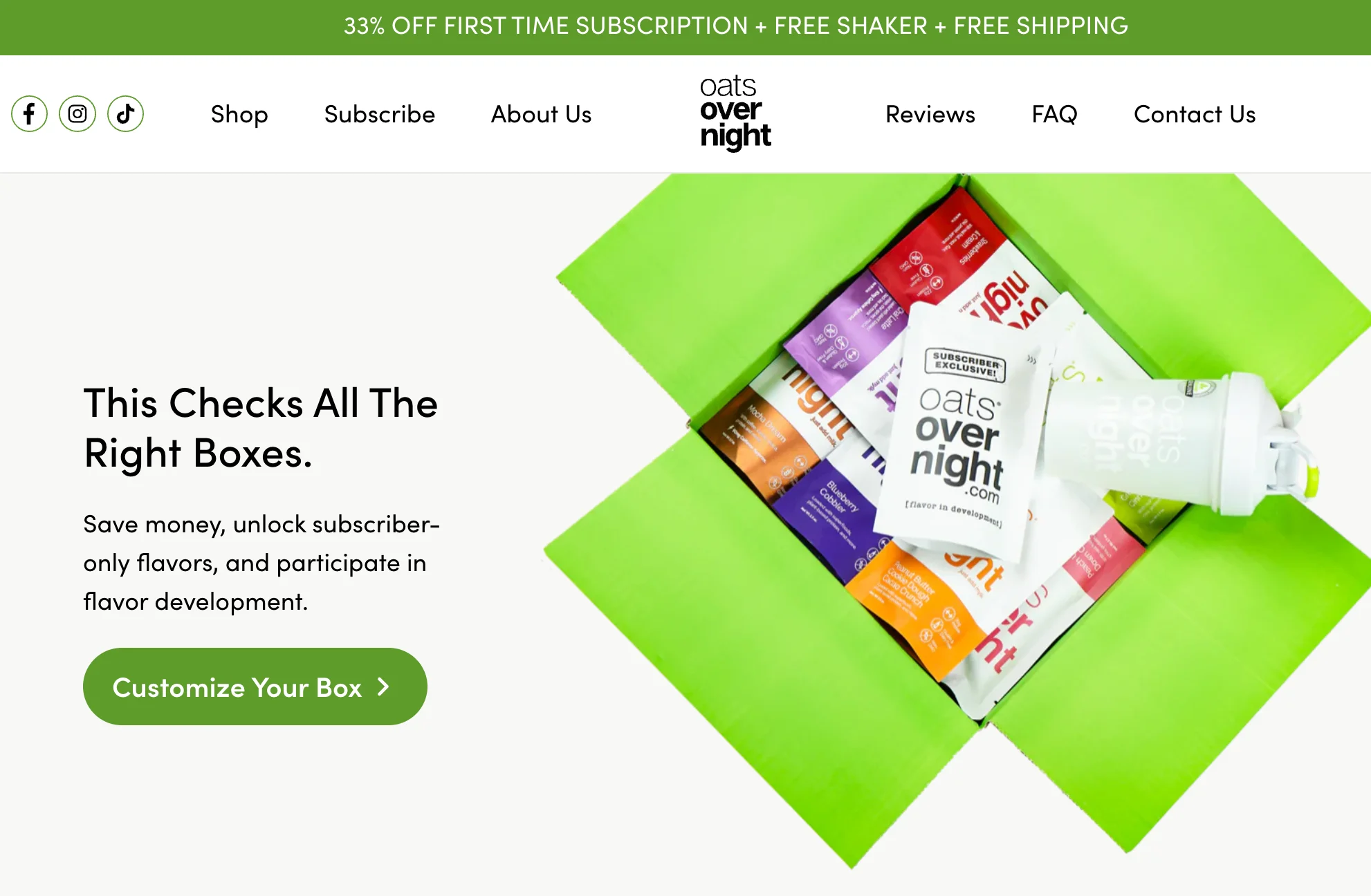
Industry: Food and Beverage
Subscription Model: Oats Overnight offers a subscription service where customers can have their favorite flavors of overnight oats delivered to their doorsteps regularly. This model ensures customers never run out of their convenient breakfast option and allows the company to predict demand more accurately.
Products:
Benefits for Customers:
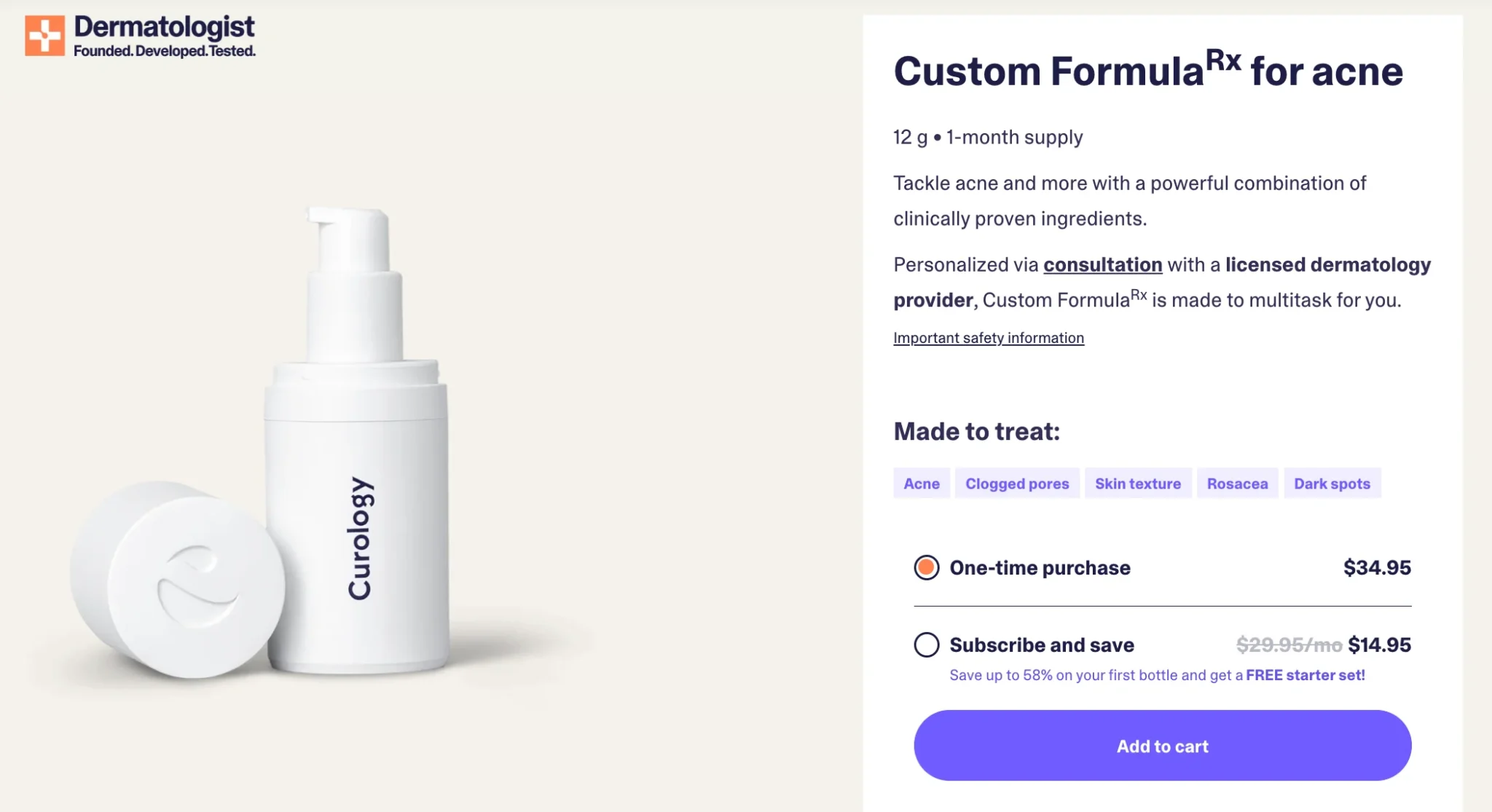
Industry: Skincare
Subscription Model: Curology uses a subscription model to provide personalized skincare solutions. Customers fill out an online questionnaire and receive custom skincare products tailored to their specific skin needs. The subscription ensures that customers receive their skincare regimen regularly without needing to reorder manually.
Products:
Benefits for Customers:
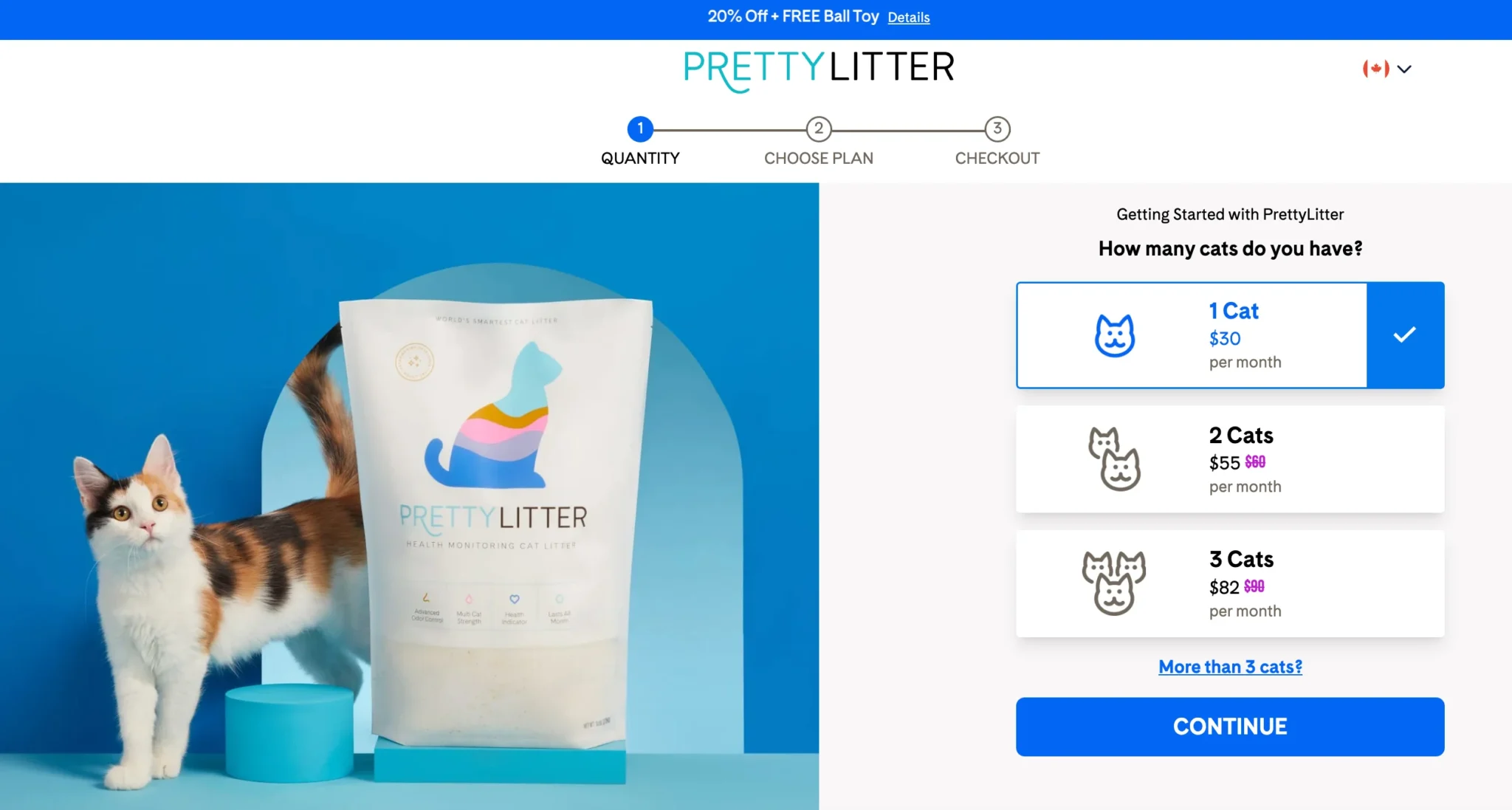
Industry: Pet Care
Subscription Model: Prettylitter offers a subscription service for its innovative cat litter that changes color to indicate potential health issues in cats. Customers receive regular deliveries of cat litter, ensuring they always have a fresh supply and can monitor their cat’s health effectively.
Products:
Benefits for Customers:
The subscription model offers tremendous opportunities for businesses to build sustainable, recurring revenue streams. By focusing on a strong value proposition, effective pricing strategies, seamless onboarding, active customer engagement, robust payment recovery processes, and data-driven decision making, you can create a subscription service that not only attracts customers but also keeps them loyal over the long term.
Implementing these strategies will help you navigate the complexities of the subscription model and position your business for growth and success. As you refine your approach, always keep the customer experience at the forefront, ensuring that your subscribers continue to see the value in staying with your service. With a well-executed subscription model, you can build lasting relationships and secure a reliable revenue stream for your business.





