

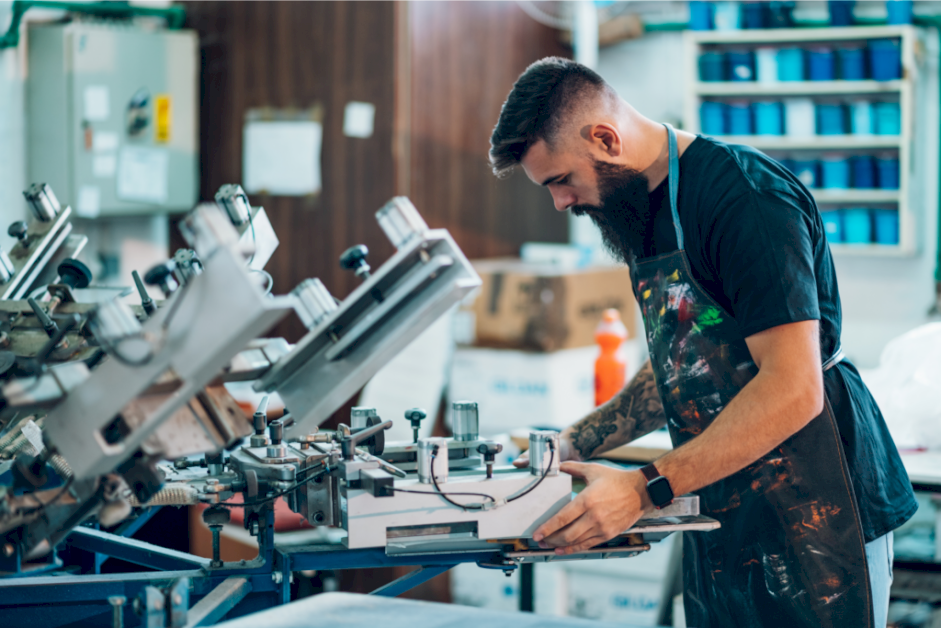
Welcome to the ultimate printing method showdown! When selling custom t-shirts or other apparel, your choice of printing technique can make or break your success.
This guide covers everything you need to know about DTF vs DTG printing – from print colors and costs to eco-friendliness. Get ready to discover the perfect fit for your unique needs and watch your designs come to life.
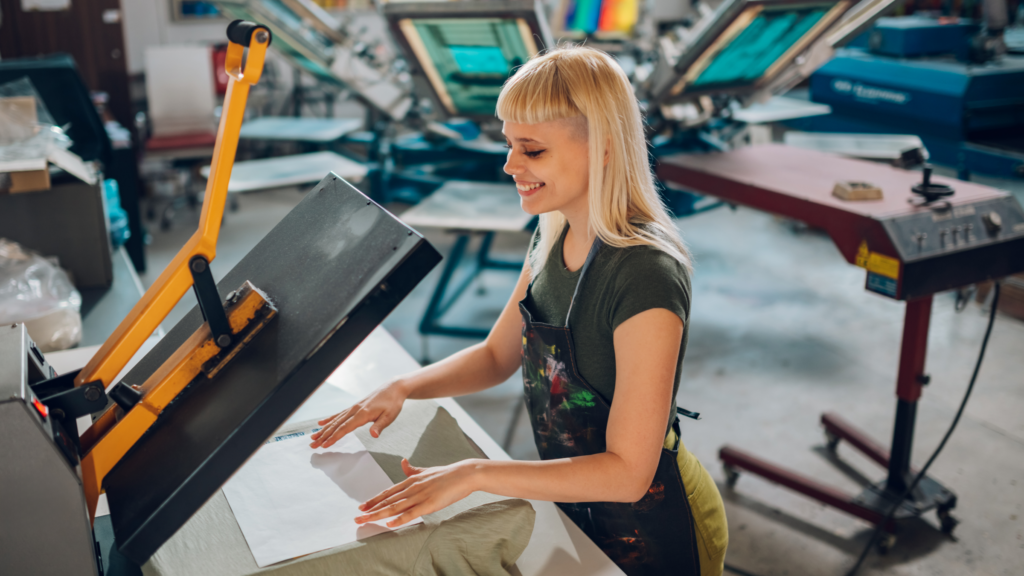
Direct-to-film (DTF) printing involves printing designs on a special film, sprinkling adhesive powder, and using a heat press to transfer the design onto garments. It works great on a wide range of fabrics – even synthetics like polyester and nylon.
Read more
A quick guide to direct-to-film printing.
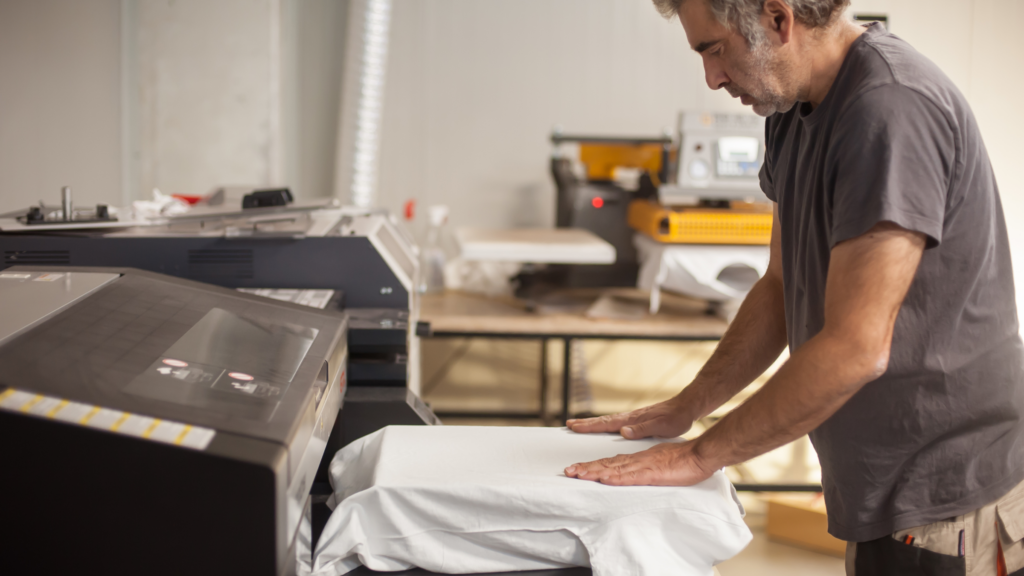
The direct-to-garment (DTG) printing process uses specialized DTG printers to spray water-based inks directly onto cotton or cotton-blend garments. The ink binds to the fibers, creating smooth and high-quality designs.
Read more
A quick guide to direct-to-garment printing.
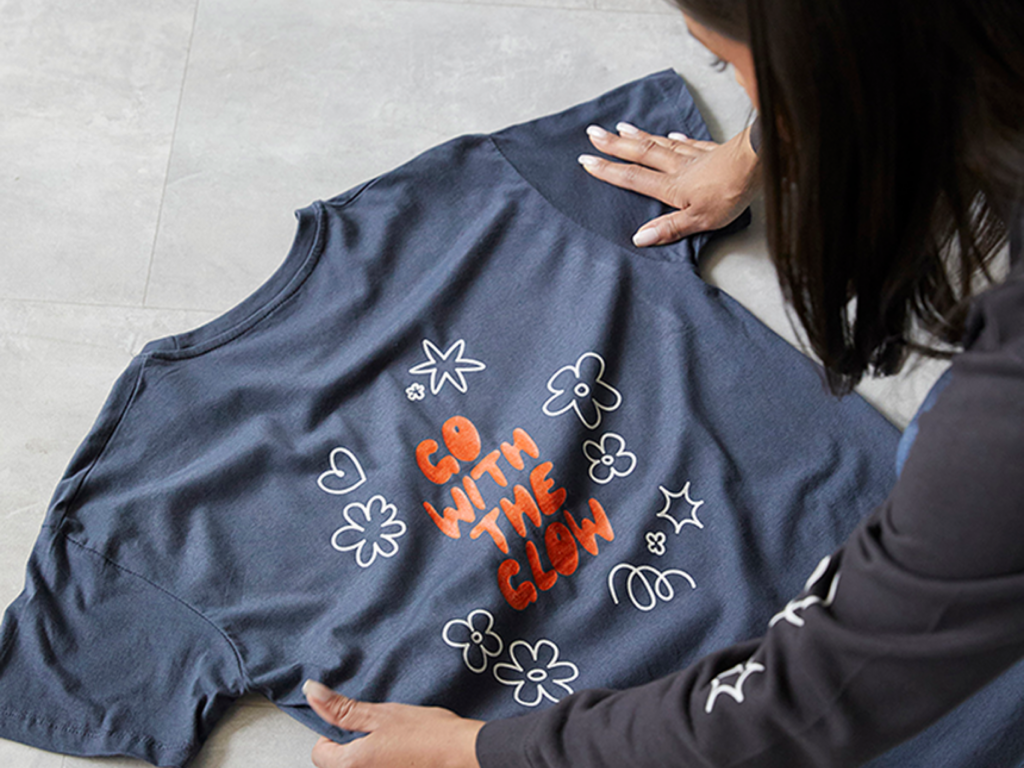
Let’s start with a quick direct-to-film vs direct-to-garment comparison.
| Feature | DTF printing | DTG printing |
|---|---|---|
| Print durability and quality | Highly durable, long-lasting prints | Print quality may fade over time |
| Color vibrancy | Bright, vibrant colors | Rich colors |
| Fabric suitability | Works on synthetics and blends | Best for natural fibers like cotton |
| Eco-friendliness | Uses adhesive powders and films, not the most eco-friendly | Water-based inks, more eco-friendly |
| Order quantity | Suitable for small and large orders | Ideal for small to medium runs |
| Production costs | Lower initial investment, affordable supplies | Higher upfront costs for printers and inks |
| Production time | Slightly longer due to the transfer process | Faster for single garments |
Now, let’s take a closer look to distinguish which is better – DTG or DTF – to help you decide which of the two printing methods is best for your business.
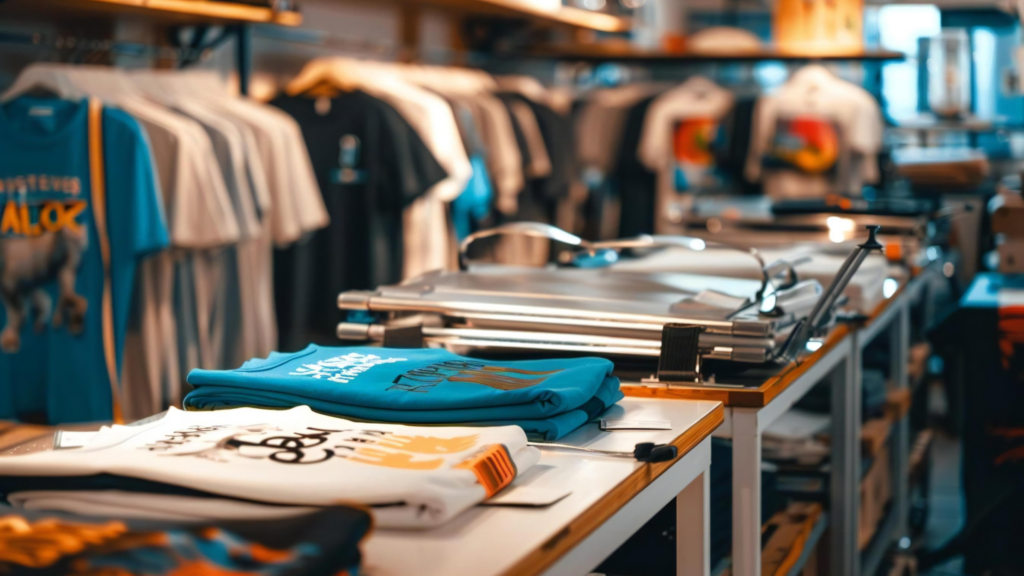
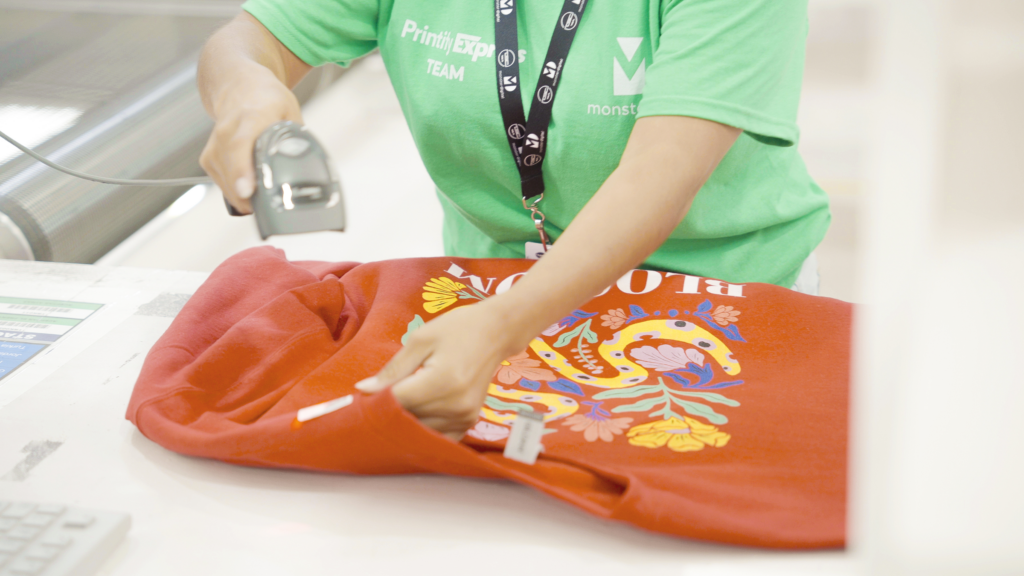

Over time, the cost per print may balance out for smaller orders or custom one-off designs, especially for businesses prioritizing quality and customization.
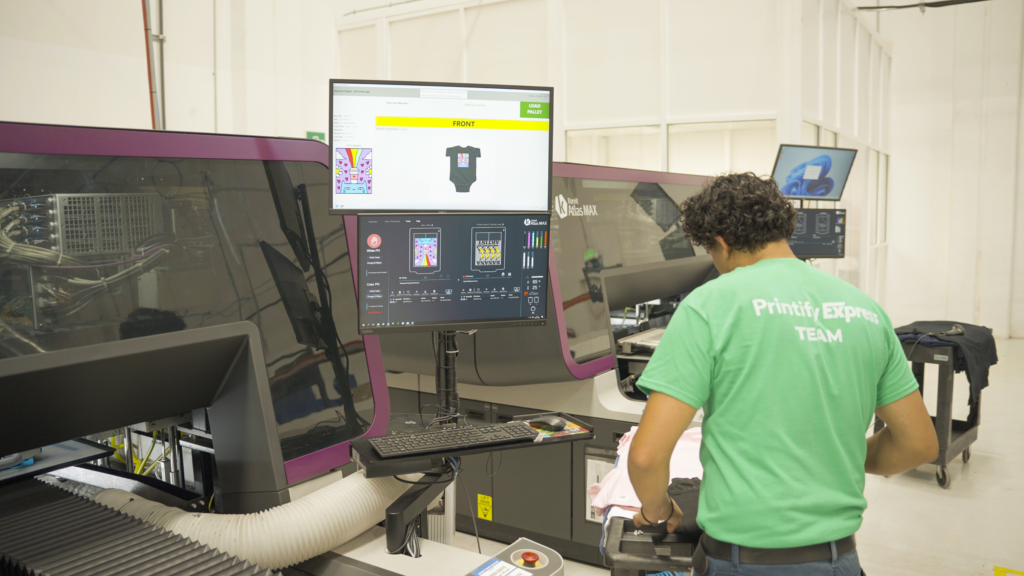
Both DTF and DTG printing methods shine in their respective domains, catering to different business needs.
Deciding between DTG and DTF printing depends on your priorities – fabric type, print detail, order volume, and sustainability. Whether you need the adaptability of direct-to-film printing or the precision of direct-to-garment printing, both offer unique strengths for growing your eCommerce business.
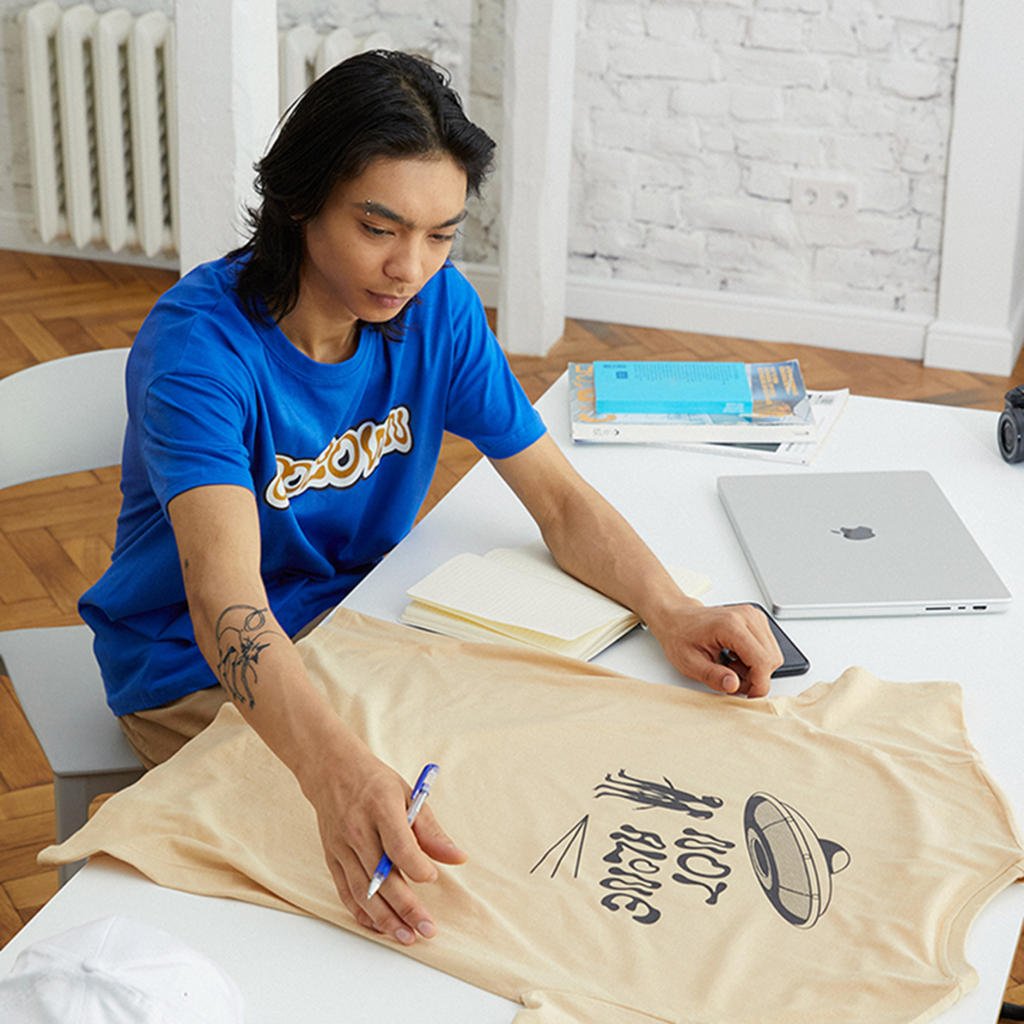
When deciding between DTF vs DTG printing, consider your business goals, product offerings, and customer needs.
Direct-to-film printing is a fantastic choice if you want to diversify your product offerings.
DTF inks work exceptionally well on synthetics like polyester, nylon, and fleece, as well as blended materials. It’s also perfect for non-garment items such as hats, bags, and home textiles. Its versatility makes it perfect for businesses catering to a wide range of customer needs.
The DTF process can handle a large printing volume with consistent quality, ensuring suitability for businesses of all sizes. DTF’s lower equipment costs and flexibility in printing various designs can be a game-changer for startups or businesses with lower budgets.
If you’re aiming to tap into markets requiring custom prints on unique materials, DTF is the best printing method for you.
Direct-to-garment printing is a great alternative to DTF and screen printing for businesses focusing on high-quality designs on natural fibers like cotton and cotton blends.
If your primary products are t-shirts, hoodies, and tote bags, DTG delivers exceptional results with sharp details and vibrant colors, especially for more intricate custom designs.
DTG inks are more eco-friendly, making this the right printing method for brands that prioritize sustainability.
For businesses with smaller order volumes or those targeting premium-quality apparel markets, direct-to-garment printing is the ideal choice. Its ability to produce high-detail prints quickly on demand can help you cater to customers seeking unique and personalized products.
Read more
Explore our decoration methods and find your best match for printing photos, patterns, and unique designs.

1. Consider your target audience and the materials they prefer
Think about who you’re selling to and the types of products they want. Direct-to-film printing is great for customers looking for vibrant designs on diverse materials like hats, tote bags, or jackets.
In contrast, DTG printing works best for customers who prefer soft, natural fabrics like cotton t-shirts. If your audience values intricate, photo-quality designs on light garments, direct-to-garment printing may be the ideal solution.
2. Evaluate your budget for equipment and supplies
If you’re starting on a smaller budget, DTF printers and supplies are more affordable. The process involves less upfront investment, making it beginner-friendly.
However, if you’re ready to invest in high-quality DTG printers, you’ll benefit from superior print resolution and eco-friendly inks. While the initial costs are higher, garment (DTG) printing can deliver unmatched detail for premium pricing.
3. Estimate your expected order volume and turnaround time
For businesses handling high-volume orders, DTF printing offers consistency and durability across multiple products. The heat press process ensures vibrant, long-lasting designs, making it ideal for bulk production.
If you focus on small-batch, personalized orders or need faster printing for single t-shirts, DTG printing shines with its streamlined process and faster production times for on-demand services.
4. Factor in the type of products you want to offer – garments or accessories
DTF printing stands out for its versatility, letting you print on accessories like tote bags, hats, and even shoes. If you want to diversify your catalog with non-garment products, film (DTF) printing is the better option.
On the other hand, direct-to-garment printing is commonly preferred for high-quality apparel, particularly cotton-based garments like t-shirts and hoodies. If your focus is on perfecting wearable designs with vivid colors and photo-like precision, DTG is the way to go.
When deciding between DTF vs DTF printing, spend time evaluating these factors to choose the method that aligns with your business goals and customer expectations.
Printify makes it easy to start your print-on-demand business with:
Is DTF better than DTG? It really depends on your printing needs. Direct-to-film printing is highly versatile and works on a wide range of fabrics, including synthetics, while the direct-to-garment printing process excels in producing detailed designs on cotton. Evaluate your product materials and design complexity to decide the best method for your business.
DTF printing requires additional materials like adhesive powder and transfer films, making the process more complex than DTG. These materials can generate more waste, making them less eco-friendly compared to the water-based inks used in DTG printing.
DTG printing isn’t super durable on synthetics and requires higher initial costs due to the price of DTG machines and inks. It’s best suited for cotton, limiting versatility for synthetics. Pretreatment is required for dark garments, and the printing process may not be as fast as DTF.
When choosing DTG vs DTF, durability is often a main deciding factor.
DTF prints are exceptionally durable and can withstand frequent washing without cracking or peeling. The adhesive powder used in the process ensures the design bonds firmly to the fabric, delivering long-lasting results for a variety of garments.
Yes, DTF printing produces high-quality results with vibrant colors and sharp details. This method is particularly effective for printing on synthetic fabrics, making it a reliable choice for businesses looking to achieve excellent print quality on multiple materials.
When applied correctly, DTF transfers are highly resistant to cracking. The adhesive powder ensures a strong bond between the design and the fabric, helping the print maintain its quality even after multiple washes. However, it’s not a bad idea to wash your DTF shirts, or really any printed shirts, inside out for maximum print protection.
DTF printing typically involves a lower initial investment with affordable equipment and materials. DTG, while more expensive upfront due to the cost of printers and inks, can be more cost-effective for producing intricate designs in smaller orders.
Screen printing is ideal for large orders with simple designs because it’s cost-effective. DTG excels in producing detailed designs on cotton garments, while DTF offers versatility across various fabrics. Each method serves unique purposes depending on order size and material type. Read more in our DTG vs screen printing guide to choose the best method for you.
DTF and DTG printing offer unique advantages for print-on-demand businesses. While DTF excels in versatility and durability, DTG is unbeatable for cotton garments with intricate designs. Choose based on your business needs, budget, and target audience.
Thinking of starting a printing business but don’t want to handle production and shipping yourself? Partner with Printify and get your full-color prints done and delivered worldwide – no upfront costs required!
The post DTF vs DTG printing: Which printing method to choose for your business appeared first on Printify.





