

71% of consumers prefer to shop more often with brands that personalize their experience.
In this article, we will share how ecommerce personalization strategies can put your online store on the receiving end of that spending spree. We will also explore the best practices you need to apply and the challenges you should avoid to create a seamless customer journey. By the end, you will know how to leverage customer data to increase conversions, engagement, and revenue so you can scale your business.
A personalized shopping experience starts with the right data. If you do not know what your customers want, how can you offer it? Ecommerce businesses that collect and use customer insights wisely see:
But where do you get this data? Here is a breakdown of key data sources and how to collect them.
| Data Type | Get It From… | Tools To Use |
| Party Data | Collect first-party data from your website, CRM, or loyalty programs. | Google Analytics HubSpot, Salesforce, Pipedrive |
| Location Data | Use IP tracking, shipping addresses, and geo-targeting tools to personalize content. | Google Tag Manager, IPinfo, GeoTargetly |
| Past Purchases | Extract purchase history from your ecommerce platform to personalize recommendations and upsell opportunities. | Shopify Analytics, Omnisend, HubSpot |
| Browsing History | Track page views, time spent, and clicks to see what interests users. | Google Analytics, Hotjar, Crazy Egg |
| Reviews | Collect customer reviews on products and services to improve recommendations and user experience. | Trustpilot, Yotpo |
| Landing Page Interactions | See which offers, pop-ups, or promotions get the most engagement. | Optimizely, Unbounce |
| Email & SMS Engagement | Track open rates, clicks, and responses for tailored messaging. | Klaviyo, Mailchimp |
| Survey | Ask customers directly about preferences and interests. | Typeform, Google Forms |
Collecting customer data requires a lot of time, research, and analytical skills. Hire an experienced marketing assistant to track user behaviors across all your marketing channels and spot hidden opportunities. With the right person on your team, you can stop guessing and start making smarter, data-driven decisions.
Review each strategy closely and, in the end, list the ones that fit your ecommerce site best. Prioritize them based on your goals, personalization efforts, customer needs, and available resources.
Geo-targeting guarantees your audience sees relevant content, promotions, and products that fit their region’s trends, climate, and buying habits. For example, let’s say you have an apparel ecommerce store—shoppers in New York might see winter coats, while those in Miami get swimwear recommendations.
What makes this strategy a game-changer?
You can use it to make every interaction feel intentionally tailored. Instead of showing the same promotions to all shoppers, you adjust pricing, recommendations, and deals to match their real-world context—whether it is a seasonal sale in one city or a local event promotion in another.
Optimize your web pages with city or region-based keywords for better visibility. To do this, incorporate your city’s name into your main or supporting search terms naturally throughout your content.
Here’s an example from a Chicago-based tuckpointing company:
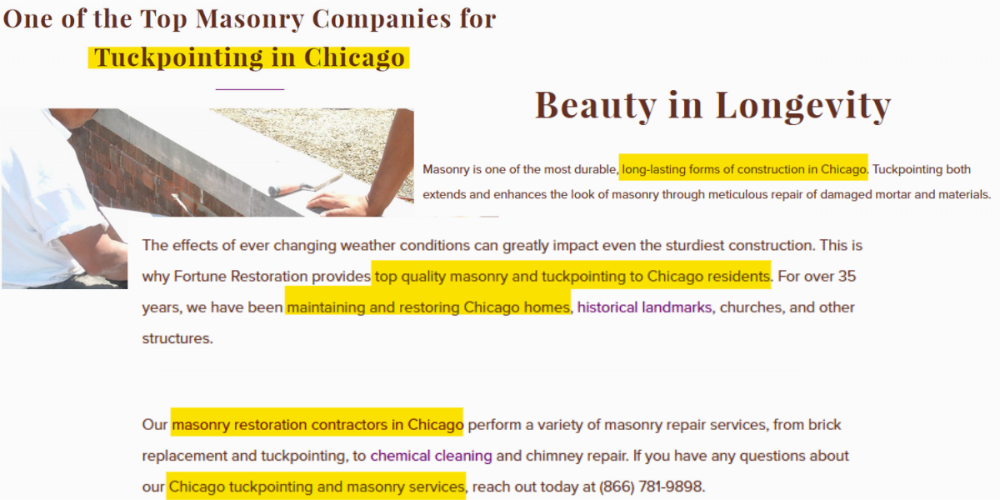
By strategically placing “Chicago” in their page’s body, service descriptions, and headings, it signals to search engines and readers alike that this business is the go-to choice for masonry work in the area.
Another way to do geo-targeting is to customize your banners, messaging, and pop-ups to reflect the user’s location. You should also run hyper-local PPC and social media campaigns to reach the right audience.
Unlike the usual ecommerce websites with a bunch of menus, a personalized landing page keeps your visitors focused on a single goal—whether it is:
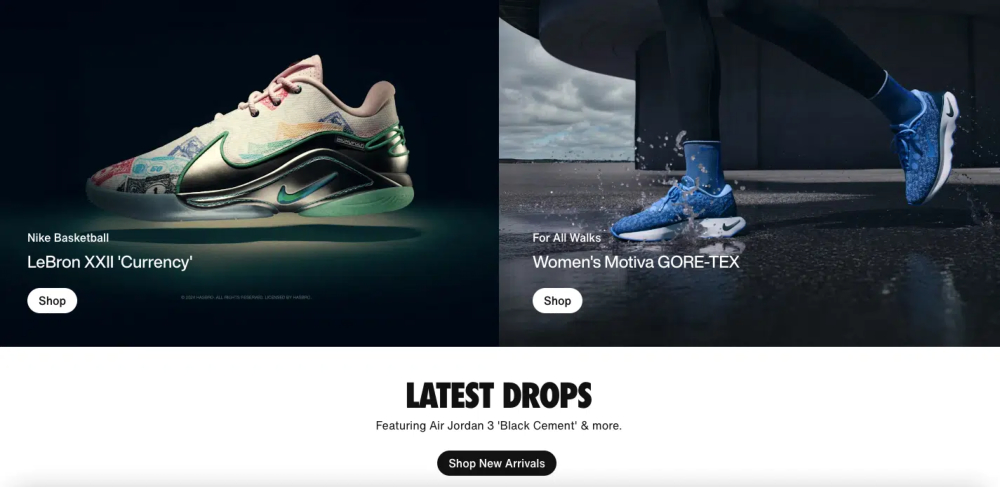
Here’s an example from Nike, which dynamically recommends products based on a user’s browsing history to make every visit feel tailored:
How does this help you drive revenue?
You match the page experience with customer behavior and intent. For example, a first-timer might need social proof and education, while a returning customer segment responds better to exclusive discounts.
Show relevant offers based on the customer segment. For example, your high-income shoppers can see premium or luxury product bundles, while budget-conscious customers get value-packed deals to match their spending habits.
Also, different customer segments can respond to different colors. To handle this, use color theory to strategically mix and match colors to guide customer behavior.
For example, if you are targeting luxury shoppers, a monochromatic black and gold scheme creates a sleek, high-end feel. Meanwhile, impulse buyers can react better to a complementary red and yellow scheme because these colors add energy and urgency, which makes limited-time deals more eye-catching.
Additionally, use your customer data to address visitors by name or reference their location to create more personalized experiences.
Here are additional reminders to help you enhance your landing pages:
An interactive quiz helps your customers and the right products based on their preferences and needs without overwhelming them. But what makes this powerful for online retailers is how it transforms passive visitors into engaged buyers.
Through their quiz answers, you can use e-commerce tools to:
With this, you improve the customer experience while increasing conversions and sales.
Use platforms like Outgrow to build engaging quizzes with seamless integration into your site.
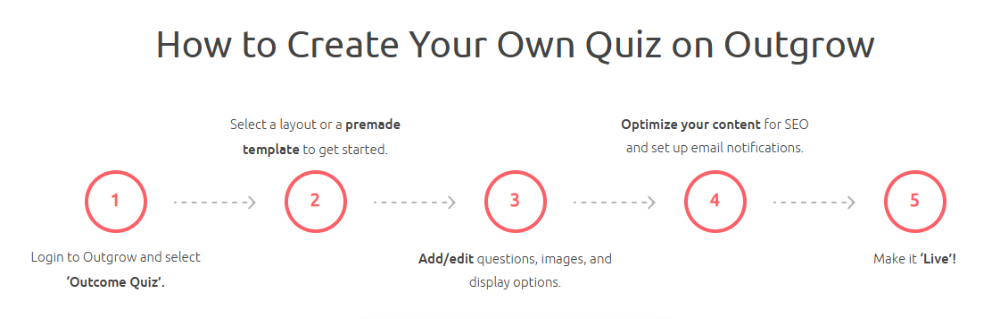
How about for the quiz itself? For example, if you are an online skincare brand, follow the example here:
Lastly, kill 2 birds with 1 stone—ask for their email so you can send their quiz results straight to their inbox. That way, you can also use the info to follow up with their custom cleaning recommendation, a discount on their first service, and seasonal cleaning advice to keep them engaged.
A birthday email is more than just a discount—it is a way to make customers feel appreciated on their special day. When done right, it strengthens customer loyalty and turns a simple gesture into a sale.
What makes this powerful for personalization in ecommerce?
It creates an emotional connection. It also gives you a competitive advantage because not every brand takes the time to retain customers with thoughtful, automated outreach.
Use Omnisend for marketing automation. Set up an automated birthday email sequence to deliver offers at the right time without extra effort.
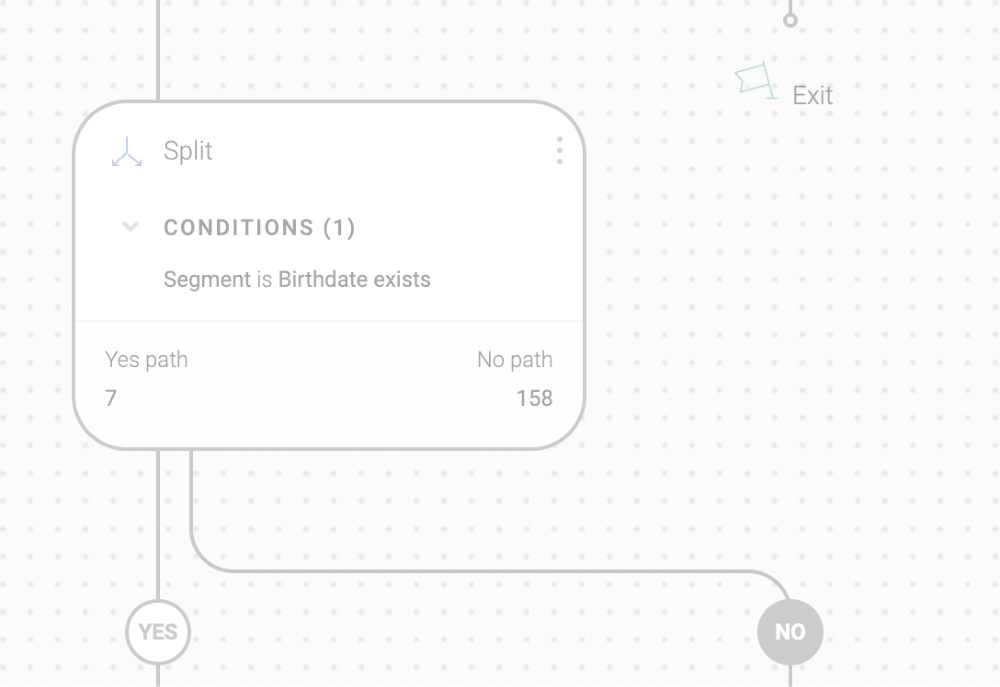
For your actual email content, personalize beyond just their names. Use data like past purchases or browsing history to recommend a gift they will love.
You should also create urgency by giving your loyal customers a limited time (e.g. 48-72 hours) to redeem their special offer. Also, include gifts, not just the usual discounts. Free shipping, bonus rewards, or exclusive access to new products make the offer more exciting.
Make sure to also add a clear call-to-action. Make it very specific like “Claim Your Gift” or “Celebrate With Us” to drive customer engagement. As for your birthday email design, use a fun, celebration-themed design. Bright colors, confetti, or a festive GIF make the email feel special, like this:
Not every website visitor is ready to buy immediately. Some have questions about sizing, shipping, or product details. A live chat removes this uncertainty for online shoppers through instant answers and reassurance that can encourage them to finally buy.
In addition, chatbot and live support can adapt to each shopper’s needs in real-time. Unlike static product pages, live chat makes interactions feel more human, especially for new customers who do not trust your brand yet.
Chat support is especially crucial if you are in niches like emergency services because choosing the right software is not just a business decision—it is about saving lives. For example, let’s say you sell this EMS software and a hospital administrator hesitates to purchase it.
A live chat agent (or chatbot) can instantly:
This eliminates uncertainty and guarantees they choose the right solution for their emergency response needs.
Build chatbots with ChatBot to provide instant responses 24/7. Simply talk to their sales team or go through their resources to learn how to create a sequence with no coding required.
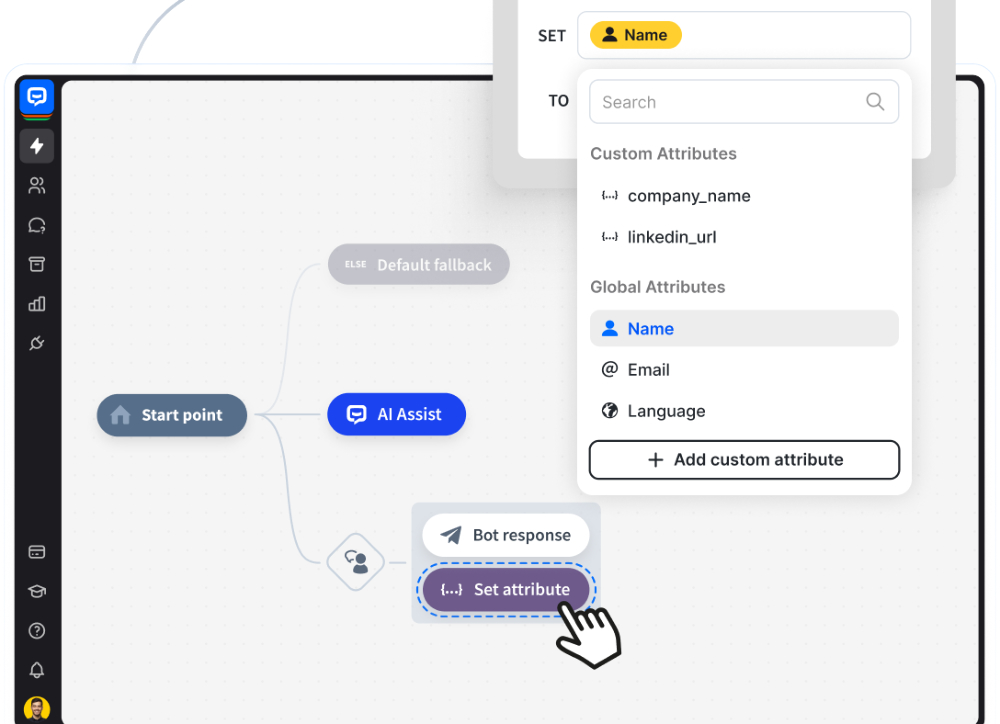
What should happen once your chat is live?
But chatbots can sometimes slow down your website. To fix this, hire an SEO agency to optimize your site’s technical SEO. They can compress chatbot scripts, optimize load times, and fine-tune caching. This keeps your site fast, so customers stay engaged—not frustrated.
A rigid subscription model can prompt cancellations, but when you give customers choices, you create loyalty and higher retention. You can also use this strategy to tap into ecommerce personalization trends that drive higher average order value.
When shoppers feel in control, they are more likely to:
Here’s an example of how it works for Beachly:
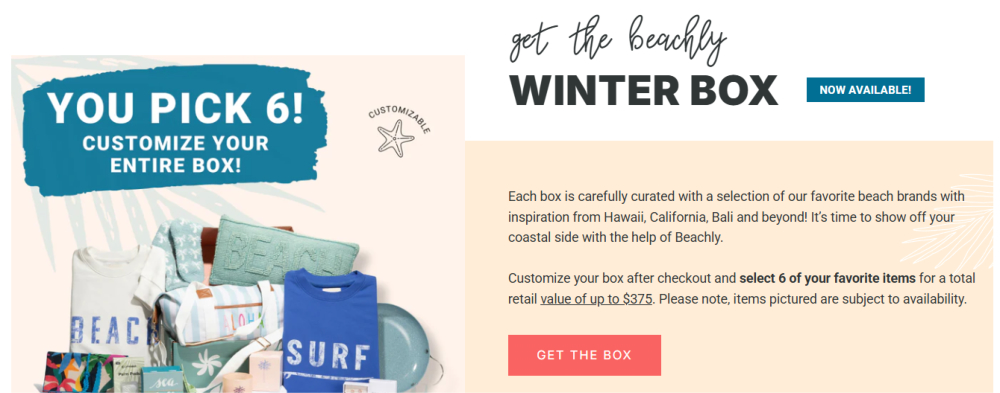
There are several ways to let your customers customize their boxes to make their experience more fun and engaging. Whether it is letting them handpick their favorites, choose a surprise item, or tweak their selections each month, a little flexibility keeps them excited to come back.
Here are ways you can apply to your store:
Identify weak spots in your ecommerce personalization strategy and find where customers drop off. Fix one issue today to create a smoother, more engaging shopping experience.
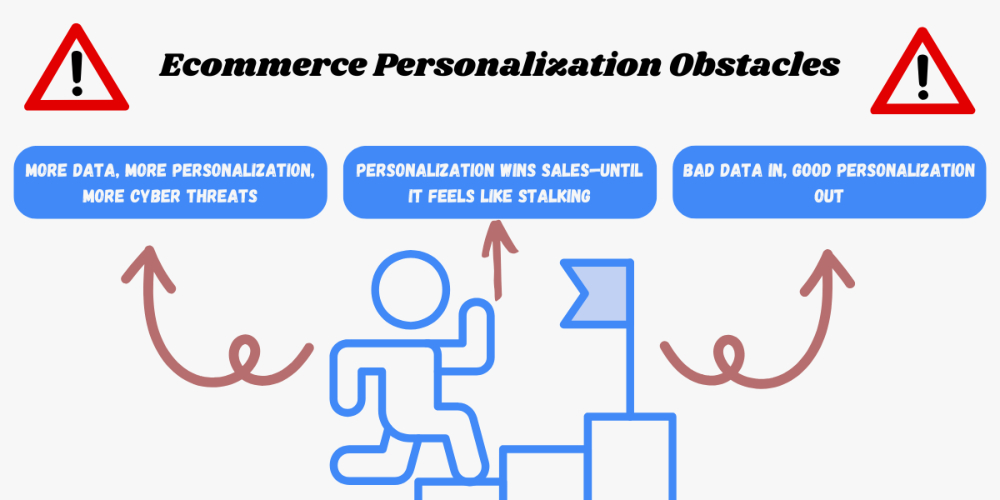
A cyberattack happens every 39 seconds.
The more data collection you do, the bigger the target is on your back—especially when that data includes sensitive customer information.
Ecommerce personalization software relies on details like purchase history, browsing behavior, and payment info to create tailored experiences. But if this data falls into the wrong hands, it is not just a security issue—it is a trust killer. If customers do not feel safe, they will not shop with you, no matter how personalized their experience is.
Here’s how you protect your data:
Personalization helps ecommerce companies boost sales, but overdo it, and customers start feeling watched instead of valued. If a shopper sees an ad for an item they only looked at once, or gets emails using their name too often, it stops feeling helpful—it feels intrusive.
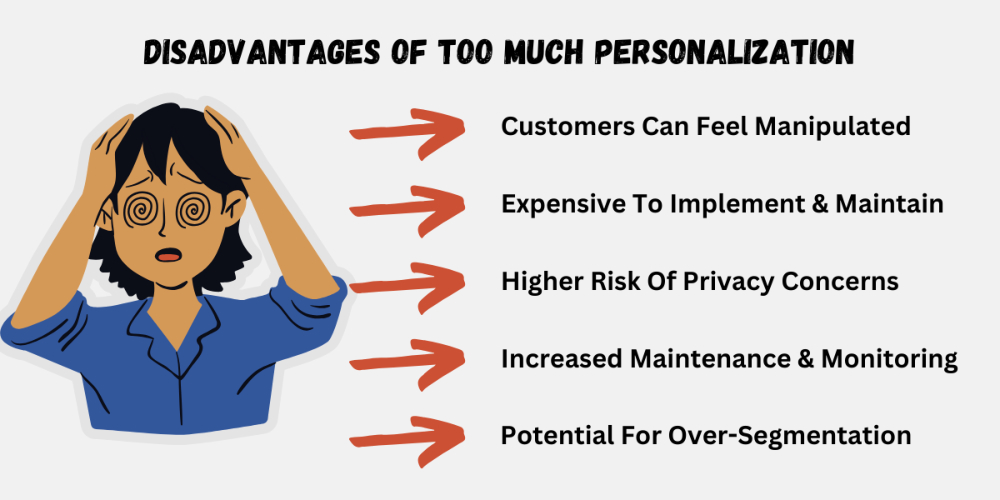
Here’s how to find the right balance:
If your data is wrong, your personalization efforts will be too. Bad data causes irrelevant experiences, making customers lose trust and interest.
This is especially crucial if you are a local business like this Chicago-based residential window-washing company. Inaccurate data can result in sending promotional offers to customers outside your service area, causing wasted marketing spend.
Worse, imagine offering a “Spring Cleaning Special” to a homeowner who just had their windows cleaned last week—talk about bad timing!
Here’s how to make sure you have good-quality data:
Personalization can be costly if you do not have the right data or strategy in place. If done too soon, you risk irrelevant recommendations and wasted resources. So the right time to go all-in on ecommerce personalization is when you have enough customer data to make it impactful.
If you are seeing repeat buyers, strong website traffic, and engagement with emails or product recommendations, it is time to level up. If your current one-size-fits-all marketing is not converting, that is another sign.
You can start small—send birthday offers or offer interactive quizzes—and scale as you see results. But do not wait too long to start your personalization efforts. Otherwise, if you wait too long, your competitors will get there first.
Ecommerce personalization is only as powerful as your execution. So review your current challenges and prioritize strategies that will make the biggest impact.
For example, if abandoned carts are an issue, you can focus on personalized landing pages that reinforce the products shoppers showed interest in. But remember, personalization is not about doing everything at once—it is about making strategic moves that drive revenue and build long-term customer loyalty.
To help you with that, use eCommerce Fastlane to stay updated with the latest in your niche and overall business environment. Start reading our blogs and listen to our podcast now to boost your ideas.
Author Bio:
Christian Cabaluna is an SEO content writer with 5+ years of first-hand experience. When he isn’t writing in his favorite coffee shop, Christian enjoys reading (especially about psychology and neuroscience), cooking, watching documentaries, camping in the mountains, and catching beautiful sunsets.
Author Picture: Christian-Cabaluna-Genius.jpg





