



Have you ever wondered how banking went from long lines and paperwork to instant transactions with a tap on your phone? The shift from traditional branches to digital-first banking is happening fast, changing how you manage your money. Today, customers expect seamless, 24/7 access to their accounts without ever stepping into a bank. But what does this shift mean for everyday consumers? Is it just about convenience, or are there deeper changes shaping the future of financial services?
One major change behind this digital transformation is client lifecycle management, which helps banks streamline customer onboarding, reduce fraud, and personalize services. With solutions like client lifecycle management, banks can enhance security while making banking experiences smoother and more intuitive. But as banks invest in digital-first strategies, how do these advancements impact customer security, financial inclusion, and long-term banking relationships? Let’s explore what’s driving this shift and how it affects you.
Traditional banking was built on in-person interactions, physical paperwork, and brick-and-mortar branches. While this system worked for decades, it wasn’t always convenient. Long wait times, limited operating hours, and manual processes often led to frustration. Customers had to visit a branch for basic tasks, such as updating account details or transferring funds, which was time-consuming.
With smartphones and high-speed internet, digital banking emerged as a faster, more efficient alternative. Online banking platforms and mobile apps allow users to perform almost every banking activity remotely. The ease of access and 24/7 availability have made digital banking an essential part of modern financial management, removing the traditional barriers of time and location.
Instead of visiting a bank, customers can deposit checks, apply for loans, and manage investments from their devices. Everything from opening accounts to applying for credit cards is now streamlined online. Banks, too, benefit from this model, reducing overhead costs and reaching a broader audience without physical expansion. By embracing digital tools, financial institutions can offer tailored services, improve response times, and increase customer satisfaction without the constraints of physical locations.
The decline of physical bank branches isn’t just about technology—it’s about consumer behavior. Today’s customers value speed, security, and accessibility over face-to-face transactions. The shift is driven by evolving customer expectations, changing demographics, and the rapid adoption of mobile technology.

For most consumers, mobile banking is the core of digital banking. But it’s more than just a convenient app—an entire ecosystem that makes financial management easier. Mobile banking platforms integrate AI, automation, and real-time financial insights, transforming how people handle money.
Mobile banking isn’t just a trend—it’s becoming the standard. With more features being added, it’s making traditional banking feel outdated. The convenience, security, and efficiency of digital platforms are gradually replacing the need for physical visits to banks.
Artificial intelligence (AI) is playing a huge role in digital banking. From chatbots that handle customer queries to predictive analytics that help prevent fraud, automation enhances efficiency. AI-driven solutions improve decision-making, optimize customer interactions, and create personalized financial experiences.
These advancements aren’t just about convenience—they’re shaping a more secure and personalized banking experience. AI enhances efficiency, reduces human errors, and provides real-time insights that help customers make better financial decisions.
One of the biggest benefits of digital banking is increased accessibility. In the past, people in rural or underserved areas had limited banking options. Long travel distances, restricted banking hours, and high fees often kept financial services out of reach. Many individuals remained unbanked due to these barriers, making it difficult to save, borrow, or make transactions conveniently.
Now, digital banking provides:
This shift empowers more people to participate in the financial system, helping bridge the gap between the banked and unbanked populations. Whether in remote villages or urban centers, digital banking ensures everyone can access and manage their finances efficiently.
With fewer branches, customer service has moved online. While this improves efficiency, some customers miss the human touch. Personalized interactions, once daily in traditional banking, are now replaced with automated responses and digital interfaces. However, banks are finding ways to balance technology with personalized support.
With digital banking comes the concern of cyber threats. Banks invest heavily in security measures to protect customer data and prevent fraud. Key security features include:
While digital banking introduces risks, these safeguards make online transactions more secure.

As digital banking grows, the use of cash is declining. Many countries are shifting towards cashless societies, where digital payments replace physical money. This shift is driven by:
While cash isn’t disappearing overnight, its role in everyday transactions is fading as digital solutions take over.
For businesses, digital banking offers advantages that weren’t possible before:
As businesses embrace digital banking, they find new ways to streamline operations and grow.
So, how does this all affect you? As banking shifts to a digital-first model, consumers can expect:
However, with fewer branches, customers must adapt to new ways of accessing support. Staying informed about digital banking tools ensures you get the most out of these advancements.
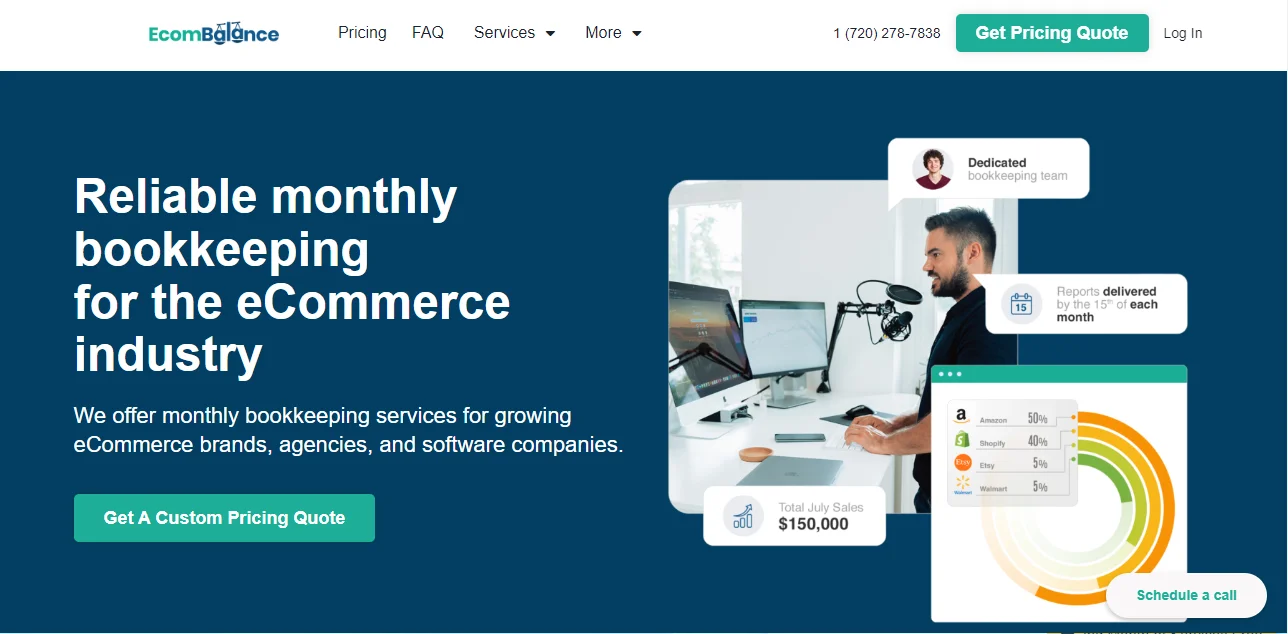
EcomBalance is a monthly bookkeeping service specialized for eCommerce companies selling on Amazon, Shopify, eBay, Etsy, WooCommerce, & other eCommerce channels.
We take monthly bookkeeping off your plate and deliver you your financial statements by the 15th or 20th of each month.
You’ll have your Profit and Loss Statement, Balance Sheet, and Cash Flow Statement ready for analysis each month so you and your business partners can make better business decisions.
Interested in learning more? Schedule a call with our CEO, Nathan Hirsch.
And here’s some free resources:
Banking has come a long way, from long lines and stacks of paperwork to instant, seamless digital transactions. The shift to digital-first banking is improving efficiency, accessibility, and security, making money management easier for consumers worldwide. While some may miss the personal touch of traditional branches, the benefits of 24/7 access, smarter security, and cost savings outweigh the drawbacks.
As the industry continues to evolve, the key for consumers is adaptation. Understanding digital banking features, prioritizing security, and staying informed about financial trends will ensure a smooth transition into the future of banking—one that’s smarter, safer, and built for convenience.





