

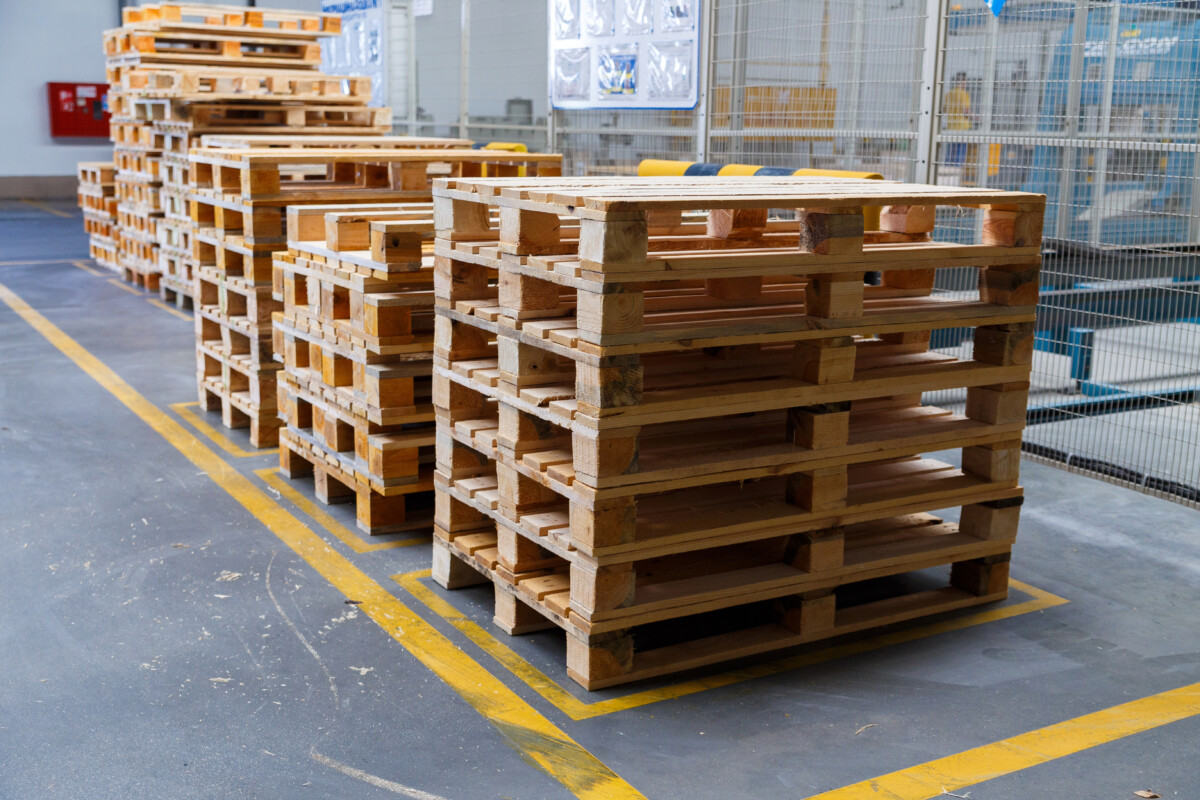
Ecommerce is experiencing significant growth, and as online shopping becomes increasingly prevalent, businesses are under mounting pressure to minimize their environmental impact.
Key areas for improvement include packaging, shipping, and storage. Among these, the pallet—an essential part of the supply chain—often goes unnoticed, despite its crucial role in transportation and logistics. Transitioning to sustainable pallet solutions represents a clear opportunity for the ecommerce sector to decrease waste, enhance recycling efforts, and reduce carbon dioxide emissions.
Pallets serve as essential platforms designed for the stacking, storing, handling, and transporting of goods. They facilitate the efficient movement of products within warehouses and between distribution centers. In the United States, there are over 2 billion pallets currently in circulation, predominantly utilized in sectors such as retail, manufacturing, and shipping. For e-commerce businesses, pallets play a crucial role at every stage of the supply chain, from the receipt of raw materials to the dispatch of finished products to customers.
Pallets can produce significant wood waste and carbon emissions if not managed properly. The environmental impact arises from several factors:
Businesses have options when it comes to pallets:
Choosing recycled or custom-built pallets can significantly reduce environmental impact. Industry data shows that reusing a wooden pallet can lower greenhouse gas emissions by up to 40% compared to using single-use pallets. Additionally, repairing and reusing pallets helps keep wood out of landfills, which are a significant source of methane emissions.
Understanding how pallets move through the supply chain highlights the potential for more sustainable practices:
By focusing on steps 4 and 5—recovery and recycling—businesses can extend the lifespan of their pallets and reduce waste.
Local companies like Pasadena Skid and Pallet in Pasadena, Texas, play a key role in helping ecommerce businesses operate more sustainably. Their services typically include:
These solutions help ecommerce operators meet sustainability goals while keeping logistics efficient and cost-effective.
Switching to green pallet options delivers benefits for businesses and the environment. Some include:
Reduced Environmental Impact
Cost Savings
Meeting Eco-Friendly Expectations
Ecommerce customers are increasingly concerned about sustainability. A 2023 survey found that 78% of US consumers prefer to purchase from companies that have visible environmental policies. Utilizing recycled materials and minimizing waste allows companies to promote environmentally friendly shipping as a key selling point.
Ecommerce businesses looking to go green with their pallet choices can:
The selection of pallets is frequently underestimated, yet it plays a crucial role in the environmental footprint of ecommerce supply chains. Opting for recycled pallets, implementing recycling initiatives, and collaborating with local partners focused on sustainability can help online businesses significantly minimize waste and greenhouse gas emissions. As the ecommerce industry expands, making informed pallet choices becomes an essential measure toward fostering a more sustainable future in this sector.
Can recycled pallets carry as much weight as new ones?
Yes. Recycled pallets are refurbished to meet strict industry standards. They undergo inspection and repairs to ensure they are strong enough for shipping and storage.
Are there industry standards for pallet recycling?
There are. Organizations like the National Wooden Pallet & Container Association (NWPCA) and the Recycling Wood Pallet and Container Association (RWPCA) set guidelines and provide certifications to ensure quality in recycled pallets.
Can plastic pallets be eco-friendly?
Plastic pallets can be reused many times, but their production requires fossil fuels. When evaluating eco-friendliness, the energy to produce plastic and its ability to be recycled at end-of-life must be considered alongside wood options.
Examples of Green Initiatives in Ecommerce
Leading ecommerce companies are making sustainable choices part of their culture. Some efforts include:





