


Turn passion into profit with Printify
Want to create art that sells? It’s not just about making beautiful pieces – it’s about turning your creativity into profit and building a successful career.
Whether you’re an art enthusiast, established artist, interior designer, or home decor brand owner, we’ll help you learn how to sell art to your target audience.
Discover what kind of art sells best and find the most effective online sales strategies and business models to market your creations to anyone, from art collectors to casual art buyers.
This post may contain affiliate links, which means we may earn a commission if you make a purchase through those links. This comes at no additional cost to you.
The success of any artwork depends on various factors. Some buyers prioritize certain styles and mediums, while others are drawn to specific colors or sizes that fit their space and aesthetic.
By understanding which combination works best and aligning these factors with market demand, you significantly increase your chances of selling art.
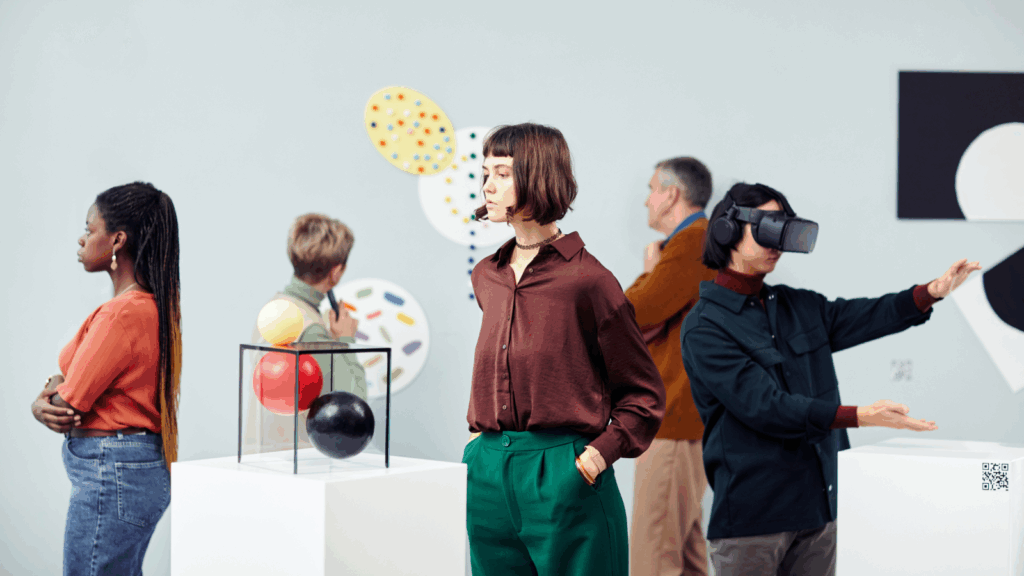
The increasing popularity of online art platforms helps expand the global market for paintings, making it easier for both established and emerging artists to reach collectors worldwide.
Print sales also help you generate passive income, especially when using Print on Demand. Leveraging Printify, you can repurpose your work on canvas or postcards with exceptional color accuracy and detail using fine-art quality Giclee digital printing.
While these cater to a niche audience, mixed-media art is consistently in demand, especially in the high-end market. Just look at Damien Hirst’s renowned paintings made of real butterflies.
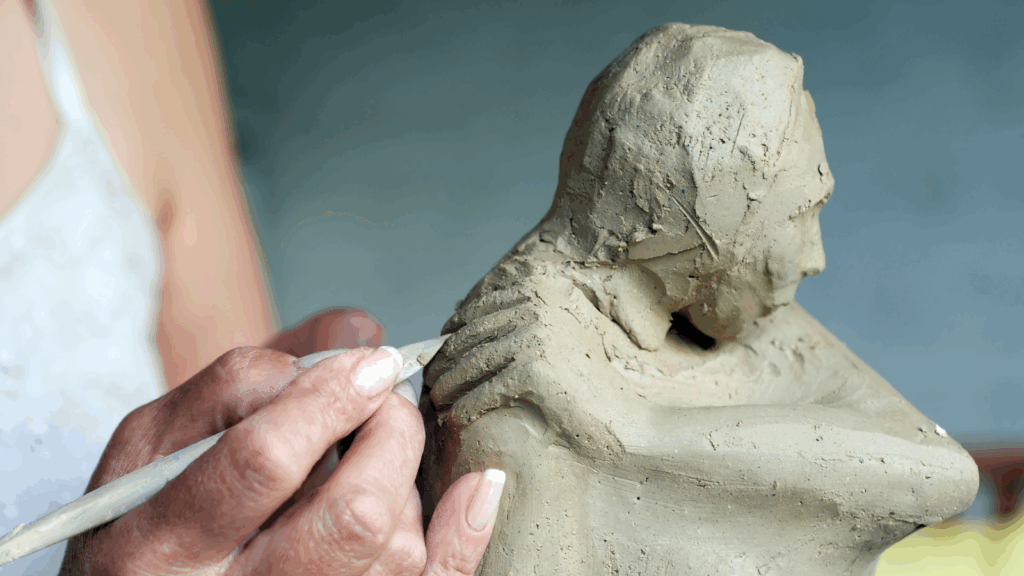
Sculptures, whether abstract or figurative, tend to attract buyers looking for something unique and tactile for their art collections.
Wall decals are trending due to their accessibility and ability to transform any space. Print your art on large, easy-to-apply wall decals from Printify’s catalog.
With sales of NFT collectibles totaling around $6.3 billion in 2023, it offers a new frontier for selling art.

Between 2018 and 2022, roughly 3,000 contemporary artworks sold for over $1 million, reflecting its popularity among high-end collectors.
While it remains valuable in the collectors market, today’s artists frequently create art inspired by modernism. They build on its themes and techniques while adapting to current social, political, and technological contexts.
Original Art Deco is considered collectible vintage art, but it continues to inspire contemporary artists today – evoking a sense of luxury and elegance in both fine art and home decor.
The lack of specific imagery allows abstract art to become focal points without overwhelming a room, making them highly sought after by collectors, interior designers, and homeowners.
Making art that taps into urban culture and social commentary has gained significant traction among younger, socially conscious audiences.
Today, artwork inspired by the pop art movement remains popular due to its colorful and playful style.
Blending tradition with modern techniques, portraits and figurative works evoke strong emotions and appeal to art enthusiasts, collectors, and interior designers.
Contemporary interpretations of nature and landscapes are also popular with younger audiences, making this style flexible and continuously in demand.

Color trends play a significant role in determining what kind of art sells best.
The size of the artwork is also crucial, as it affects how the piece fits into different spaces and influences its perceived value.
Want to go beyond traditional canvases? Explore Printify’s Catalog and discover other types of artwork that sells.

The market has gone digital, with total global online sales in art and antiques totaling $11.8 billion in 2023.
Learn how to make art that sells by following these tips to start your art business.
Creating original art and developing a signature aesthetic will help you stand out in the competitive art world.

Tuning in to what’s popular is essential for knowing what kind of artwork sells. By understanding what appeals to art buyers, you can create pieces that align with contemporary tastes while maintaining your unique style.
Successfully selling your art requires a deep understanding of your target audience. Identify your potential buyers’ demographics to determine what type of art sells best.
Younger buyers (Millennials and Gen Z) are interested in more affordable pieces, such as prints and digital downloads like fan art. They tend to favor contemporary styles that are vibrant and culturally relevant, and often rely on social media trends to drive their preferences.
Older collectors generally seek traditional art like oil paintings and sculptures. They typically invest in established names or pieces that evoke a sense of timelessness, making them more likely to purchase original artworks.
Meanwhile, the US remains the largest online art market accounting for 42% of global sales, with China and the UK taking second and third place. This makes them prime markets for artists to target, particularly those selling contemporary or high-value works.

Your business model and selling platform impact how you create, distribute, sell, and scale your art.
Best for: Artists, designers, or entrepreneurs wanting to put their art on products like canvases, home decor, and accessories.
Why it’s popular: Low-risk and scalable, Printify handles all order fulfillment for you.
Best for: Artists or brands who want control over their online presence.
Why it’s popular: Build a loyal audience and retain full profits from your art sales.
Best for: Artists with a dedicated following.
Why it’s popular: It provides recurring revenue.
Best for: Digital artists and creators.
Why it’s popular: NFTs create investment opportunities, attracting digital art collectors.
Best for: Artists creating bespoke artwork.
Why it’s popular: Work with clients while charging a premium.
Best for: Artists or entrepreneurs wanting to sell art quickly.
Why it’s popular: It provides exposure without the hassle of building an entire platform from scratch.
Consider factors such as your experience level, the market demand, and the piece’s medium, size, and uniqueness to price your art effectively. Here’s a general guideline to get started.
New or emerging artists: $20 to $200 for small to mid-sized prints.
Established artists: $200 to $1,000 for high-quality limited edition prints.
New or emerging artists: $100 to $500, depending on the medium.
Established artists: $500 to $2,000 or higher, depending on the artist’s reputation and uniqueness of the work.
New or emerging artists: $500 to $2,000, depending on the size and complexity.
Established artists: $2,000 to $10,000 or more, especially if the piece is highly detailed and the artist has a strong market presence.

If there’s one thing all best-selling artists today have in common, it’s knowing how to build an online presence and reach potential buyers. Here are some key strategies to help you promote your art.
Printify simplifies printing your artwork onto physical products like canvases, posters, decals, and various interior design items. Focus on scaling your online art business while we take care of the rest.
Sign up for a free Printify account.
Browse through Printify’s Catalog and select products you want to reproduce your art on, like canvases or phone cases.
Upload high-resolution images of your art using our Product Creator. See the mockup of your final print and adjust the design’s positioning and size before sending it to production.
Purchase art for yourself by placing a sample order or start selling art online on eCommerce platforms like Shopify and Etsy.
The record for the most expensive artwork ever is Leonardo da Vinci’s Salvator Mundi, which sold for $450.5 million in 2017.
However, the most expensive artwork sold recently is René Magritte’s L’empire des lumières from 1954. The Surrealist piece sold for $121.16 million at Christie’s New York auction in 2024.
Abstract creations, nature-inspired designs, and eco-friendly art are currently the most in-demand categories, driven by their versatility and appeal to many buyers.
Limited edition prints, affordable originals, and collectible pieces in unique niches perform well on eBay.
Handmade, vintage, and custom prints are the most popular types of art on Etsy, appealing to a broad audience of home decorators and collectors.
Succeeding in the art world isn’t just about crafting stunning pieces – it’s about knowing how to align your vision and expertise with the demand of art lovers everywhere.
By following the right strategies, like choosing the best mediums, understanding market trends, and using platforms like Printify, you can turn your passion into a profitable art business.
The post Art that sells: Top styles and online sales strategies appeared first on Printify.








