

Related article
Top 10 Social Selling Platforms and Tools

Interacting with customers on social media is a great way to boost sales and build your brand. Here are 10 popular social selling platforms on the Shopify App Store.


Social media platforms are the perfect place to connect with your audience, boost brand awareness, and drive shoppers to your website. But, without a plan, it can feel like you’re throwing spaghetti at the wall and seeing what sticks. This is why it’s important to have a social media strategy.
Even a simple strategy can help you define your target audience, decide what content to develop and share with them, and establish the content types best aligned with your business goals.
Here’s how to create a social media marketing strategy to boost your brand awareness and there’s even a template you can download to get you started.
Social media marketing is the use of social media channels to promote and sell products or services. Any kind of marketing activity that takes place on social media and can be tied to an objective is considered social media marketing.
Platforms like Instagram, TikTok, YouTube, and Facebook offer a direct way to reach out and connect with your customers on a personal level. More importantly, you can reach them where they’re already hanging out.
A social media marketing strategy brings together your business’ social media marketing goals and plan of action. It can help you uncover what to post on different channels and what tactics you can use to achieve your business objectives.
Whether it’s TikTok ads or influencer marketing, social media lets brands access cost-effective marketing. Like a Swiss Army knife, a social media marketing plan can serve various marketing functions, including:
The variety and versatility of social media platforms in 2024 means there are numerous strategies you can try.
Interacting with customers on social media is a great way to boost sales and build your brand. Here are 10 popular social selling platforms on the Shopify App Store.
If you regularly find yourself thinking “What shall we post today?” you need a social media strategy. Having a plan in place will help you come up with ideas and share content that complements your business goals.
A thought-out social media strategy can help your business:
Identify and define what you want to achieve with your social media strategy plan. This will depend on your business, your audience, and your wider marketing strategy. You should aim to have one primary goal and supporting secondary goals.
Examples of social media marketing goals include:
Your goals will guide your strategy and serve as the benchmark for tracking your performance. Avoid generic goals and instead focus on objectives, such as percentage increases or revenue boosts. For example, rather than having a goal of gaining more followers, you should aim to increase follower count by 5% every month, or reach 1,000 followers by a specific deadline.
It helps to create SMART goals:

Using the SMART framework means you can track your goals, ensure they aren’t out of the realms of possibility, and make sure they’re relevant to your overall business objectives. Most importantly, they are bound by a time limit. This will increase the likelihood of you achieving your goals.
“I like to start by putting together a list of goals for each platform,” says Mac Steer, owner and director at Simify. “What do I want my audience to walk away from this post thinking? Do I need them to take action? How can I make that happen? Then, once I’ve got some ideas in mind and know what my goal is for each platform, I’ll figure out how best to execute those goals on each platform.”
Measure your progress against your SMART goals by mapping them to metrics.
Your social media strategy should always be data-driven. Aligning your goals to the most relevant metrics will help you track the performance of your strategy and ensure you’re meeting your targets.
Here’s a quick overview of the metrics you might choose:
An effective social media strategy starts with understanding your customer. Most social media platforms provide basic demographic information. Building context on your target audience takes time, but there are steps you can take that will provide lasting value.
Narrow in on your target audience by looking for demographic and psychographic data or observable patterns that help you form an image of who is likely to buy from you. This exercise won’t only inform your initial strategy but also help you develop a voice and tone for your brand that resonates.
Here are some methods to get to know your target audience:
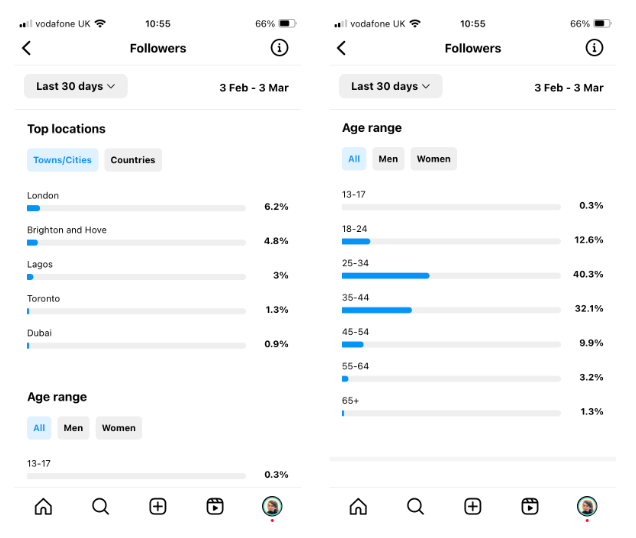
Once you’ve carried out this research, you can create customer personas that match each audience segment. This should include demographic information, like age and location, as well as psychographic data, like interests, buying concerns, and motivation to buy.
You can use this information to build up a picture of your audience and tailor your content so that it resonates with them.
Here’s an example of some of the demographic and psychographic information you can use to get to know your audience.
A competitive analysis will show you what your competitors are doing well on social media and give you an idea of where your brand sits in the market. It can also inspire—but remember to put your own spin on your content.
Running an audit on your existing social media content activity will help you see what works and what doesn’t. It will give you a better understanding of what content formats and messaging styles your audience prefers, but it will also provide insight into when your audience is online and the best time to post.
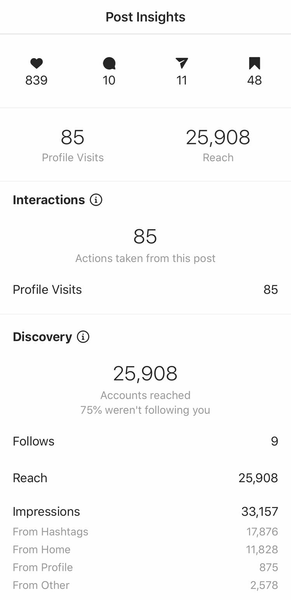
When you’ve run your audit, assess the effectiveness of each top-performing piece of content in reaching your goals. For example, if followers are engaging wildly with meme-style videos that have nothing to do with your product, you might not hit the product sales targets you were hoping for.
The social media content audit will shed some light on your best-performing platforms based on your goals, which will help you decide where to focus your efforts. It can be tempting to spread yourself thin across every new channel that pops up, but it’s better to excel on two or three than be inconsistent on six different channels.
When choosing the best social media platforms for your brand, consider:
Different social media platforms serve different purposes—not least because they each promote different types of content. The platforms you choose will depend on your audience, your products, and what’s most popular in your industry.
Here’s a breakdown of the top social media platforms and what they’re best for.
Drinks brand Aura Bora regularly shares unedited Q&A videos from its social media manager.
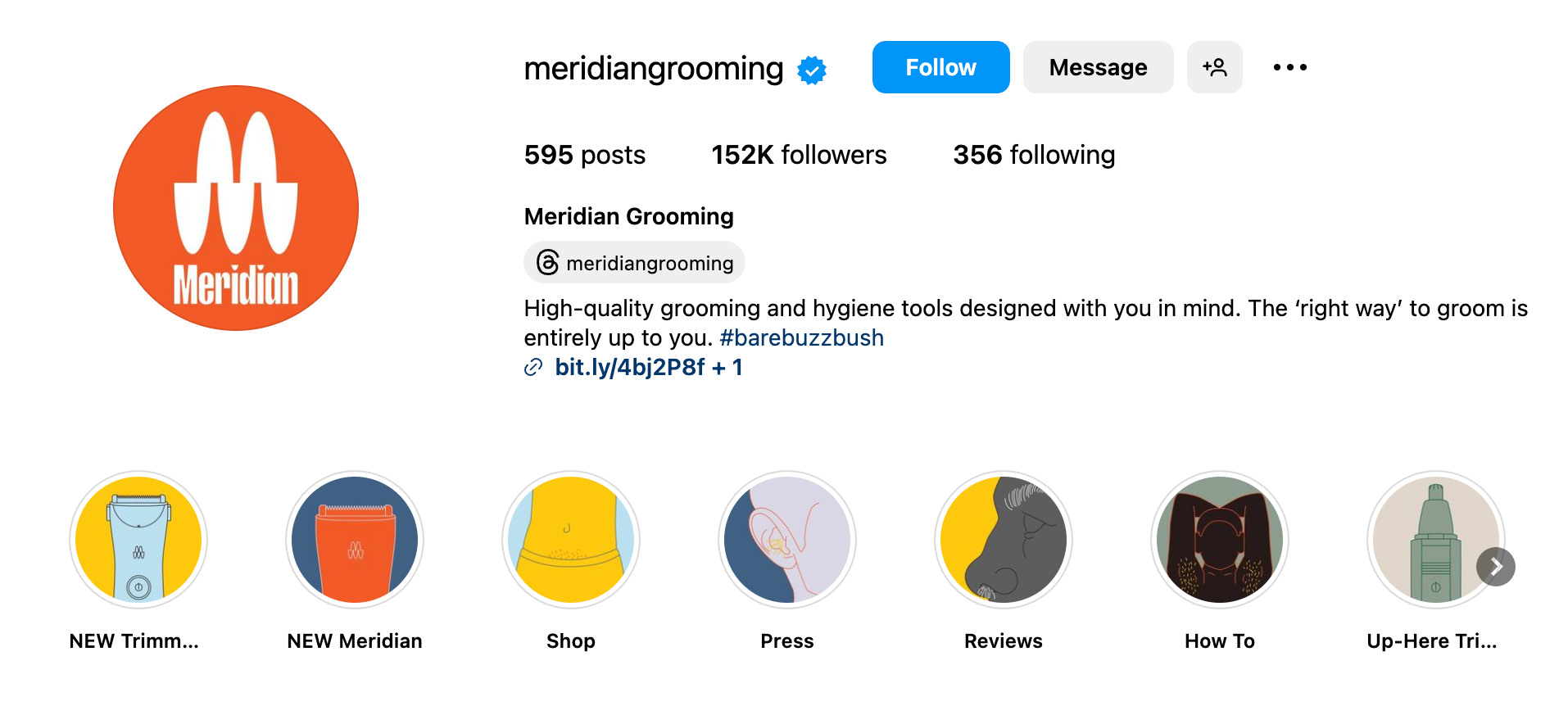
Once you’ve decided which platforms to use, take some time to set up your profiles. You ideally want to create a cohesive look across platforms while making sure you provide all the information you need to include.
Here are some tips:
Create a strategy for each platform that keeps your big-picture objectives in mind. Different platforms have different uses. For example, consumers use Pinterest to find products, but they use Facebook to connect with friends and family. Your social media strategy for each platform should consider these use cases to give your accounts the best chance of success.
Alex McIntosh, CEO and co-founder of Thrive Natural Care, finds choosing channels easy, as the company is focused on an omnichannel experience.
“We want to be present where our customers are, so we publish content on Facebook, Instagram, X, TikTok, Reddit, and YouTube,” Alex says. “We know that our customers and audience are using different platforms at different times, so however they prefer to consume content, we want ours to add value to their day.”

Design a plan for the type of content you’ll create and share on each of your chosen social media channels. The content may vary depending on the platform and the audience you’re trying to reach, so it’s important to create a strategy that encompasses all of your customer personas and all of your social media channels. By creating different content for different channels, you make it more likely customers will follow you across multiple platforms.
One of the hardest and most time-consuming parts of creating a social media strategy is coming up with content ideas. But ideas are all around—you just have to know where to look.
Here are some ways to come up with content ideas:

Defining your content mix—recurring formats and post types—makes it easier to produce social content while adding a rhythm to your posting schedule. This offers your audience both variety and consistency at the same time.
Within your content mix, you want to have ideas you can plan for in advance, reproduce, and schedule to go out regularly. For example, you might feature a customer testimonial every Tuesday and share a quote graphic every Wednesday and Friday.
Pieces that are easy to create can keep your social media calendar full while you build out more elaborate assets, such as a promotional video or a blog post.
“For a content plan, we try to focus on both timeliness and value for our customers and followers,” says Alex. “One core value of our business is “Leave it better,” and this is a guiding principle for our team. This means we want our social content to be something people feel good about. Whether it is a post about our regenerative farming efforts in Costa Rica or we are showcasing a new skin care product, we want our social media content to be valuable for anyone who sees it.”
Content archetypes are different content formats or topics included in your strategy. They should relate to your business objectives and resonate with your audience. For example, a lifestyle brand might have “inspirational quotes” as a content archetype.
Here are some archetypes to consider:
Aim for five to seven content archetypes to start. Balance your content mix with post formats you can create quickly and those more labor intensive, as well as posts that aim for sales and posts that just seek to delight and grow your audience.
Snack brand Oh Snap! Pickling Co. finds the right mix of engaging content by publishing a mix of product shots, trending Reels, engagement posts, and even a tarot card series on its Instagram to keep customers entertained and engaged.

Developing a mix of different content types will ensure you have a social media lead generation strategy that provides customers with the information they need at every stage of the purchasing funnel.
Establish a schedule for when and how often you’ll post on each social media platform. This will help you maintain consistency and ensure a steady flow of content.
Start slow and then ramp up to a higher frequency as you develop your routine and figure out what works.
Decide how much time you can dedicate to social media, even if you can only post once every few days in the beginning. You can build up to one post a day and then test to see if a higher frequency nets you better results on specific platforms.
The amount you post will vary on the platforms you’re using. For example, it’s more acceptable to post multiple times a day on X or Threads than it is to post to your Instagram feed.
Hootsuite experts recommend using these posting guidelines:
You need to focus your attention where it will have the most impact and when your audience is scrolling through their feeds.
Each platform has a different ideal posting time depending on when their followers are most engaged. You’ll find the best time to post on TikTok will be different from the best time to post on Instagram. If you aren’t sure where to start, think about when people check their feeds: in the morning, at lunch, during their commute, or before bed.
You’ll discover the best posting times for your particular audience through trial and error. Popular posting times will also vary depending on seasons and other variables. Use ideal posting times as a guide, not as a hard and fast rule.
What’s more important is that you schedule your posts in batches, at least a week in advance. Do it in one sitting, dedicating a few hours at a time so you can focus on other things while your social media publishing runs in the background. You can use an automated scheduling tool to load up your social media posts for the week.
Juggling content for multiple social media channels at once is hard work, especially if you’re creating different types of content for each account.
This is where social media apps and tools can be a huge help. Tools that let you schedule content in advance, create beautiful graphics, and monitor comments and engagement can take a load off your plate and remove much of the manual work of social media posting.
Here are some social media tools you might consider using.
Use an app that lets you schedule some of your content in advance. Scheduling can prevent you from forgetting to post but don’t over-automate—it’s vital to regularly check in and keep a pulse on your content and audience trends.
The most popular scheduling apps include:
Use a tool to create on-brand graphics and videos to keep your feeds looking fresh and memorable:
Use a tool to come up with fresh content ideas that are relevant to your business and audience:
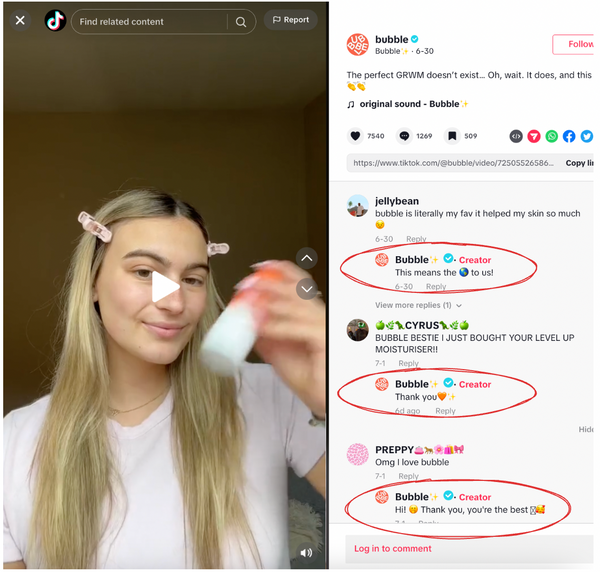
Develop strategies to actively engage with your audience, respond to comments and messages, and foster a sense of community. No one wants to feel like they’re shouting into the void, so make an effort to start discussions and encourage interactions around your content. Alex from Thrive Natural Care says the brand has put added importance on engaging with its audience.
“It is one thing to put out great content, but audiences want to feel like they are a part of something, and by engaging with our customers, we help them join us on our journey,” he says.
Bubble Skincare does an excellent job of engaging with its followers. It consistently replies to fans and shows its appreciation for purchases and comments.
Customers use social media to engage with brands—and a lot of the time, that involves asking questions and seeking out customer support. It has made social media the go-to place for customer service requests.
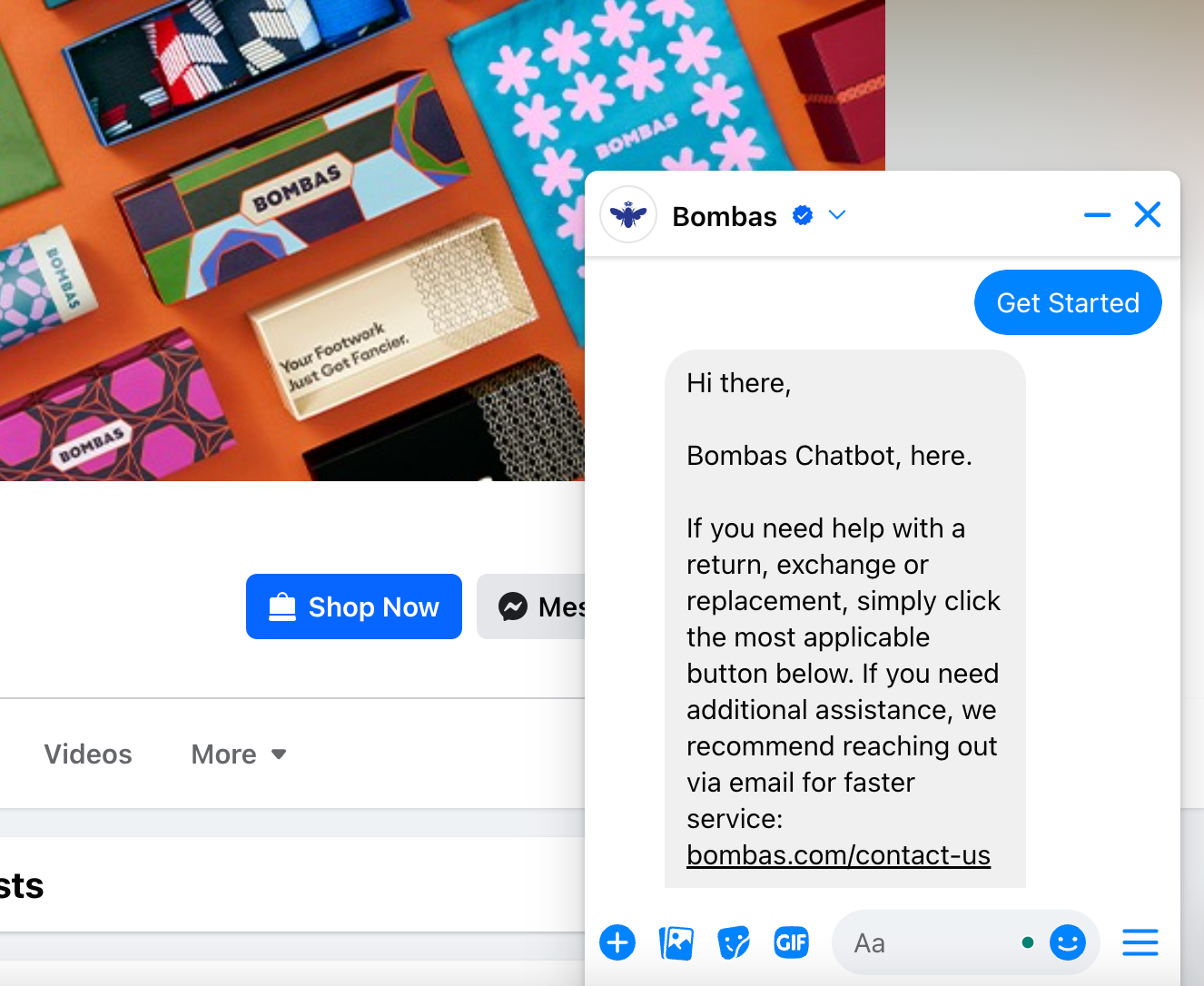
Channels like Facebook and X are ideal for tackling customer questions. Your social media customer service plan might include an automated chatbot that answers FAQs on autopilot—Facebook has a built-in app you can use—setting aside a dedicated time each week to go through customer questions, or directing users from social media to the community help pages on your website.
Consider collaborating with influencers relevant to your industry or niche. They can help amplify your reach, increase brand awareness, and drive engagement.
You don’t need to hire influencers with millions of followers to expand your brand reach. Skin care brand Plenaire works with niche and micro-influencers to reach highly engaged audiences. Not only does this help you grow your audience, it builds trust in your brand and encourages sales, for a relatively low cost.
You can work with influencers on a short-term, one-off basis or as an ongoing ambassadorship. Both have their pros and cons, but it will ultimately depend on your goal and your budget.
“We include influencers in our strategy as well, notifying them about monthly sales and products to advertise on their blogging channels,” says Nicky Miller, social media manager at Lion Brand Yarn.
“An example of a successful campaign was our 145th anniversary. We encouraged influencers to share videos about our brand’s history and products. The results were a success, we saw nice growth on Instagram, and were featured in several publications covering our brand.”
It’s hard to get traction when you’re just getting started on social media and it can feel like an endless uphill battle to get even a few likes on your post. You can give your accounts a boost by investing in social media advertising. Most advertising features have laser-focused targeting capabilities, which means you can choose exactly who you want to reach: Working moms aged 25 to 40? Yoga lovers who live in New York?
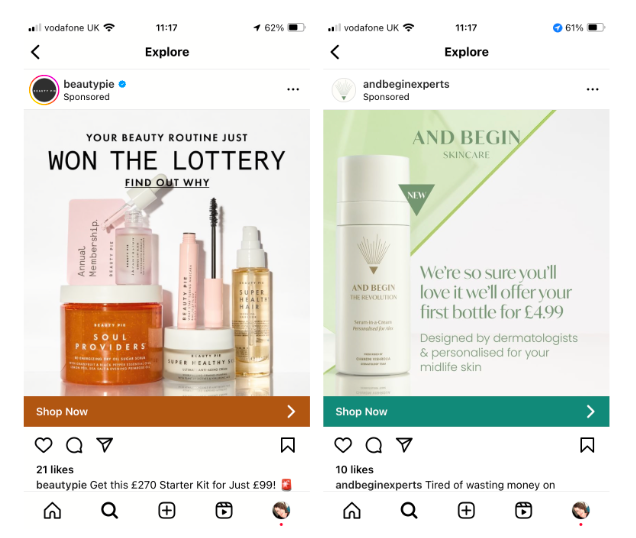
Most social media platforms have native ecommerce features that either help promote your products or allow users to buy directly through the app. This creates a seamless selling process because customers can discover and purchase your products without ever leaving their feeds.
Here are some of the social selling features to drive sales:
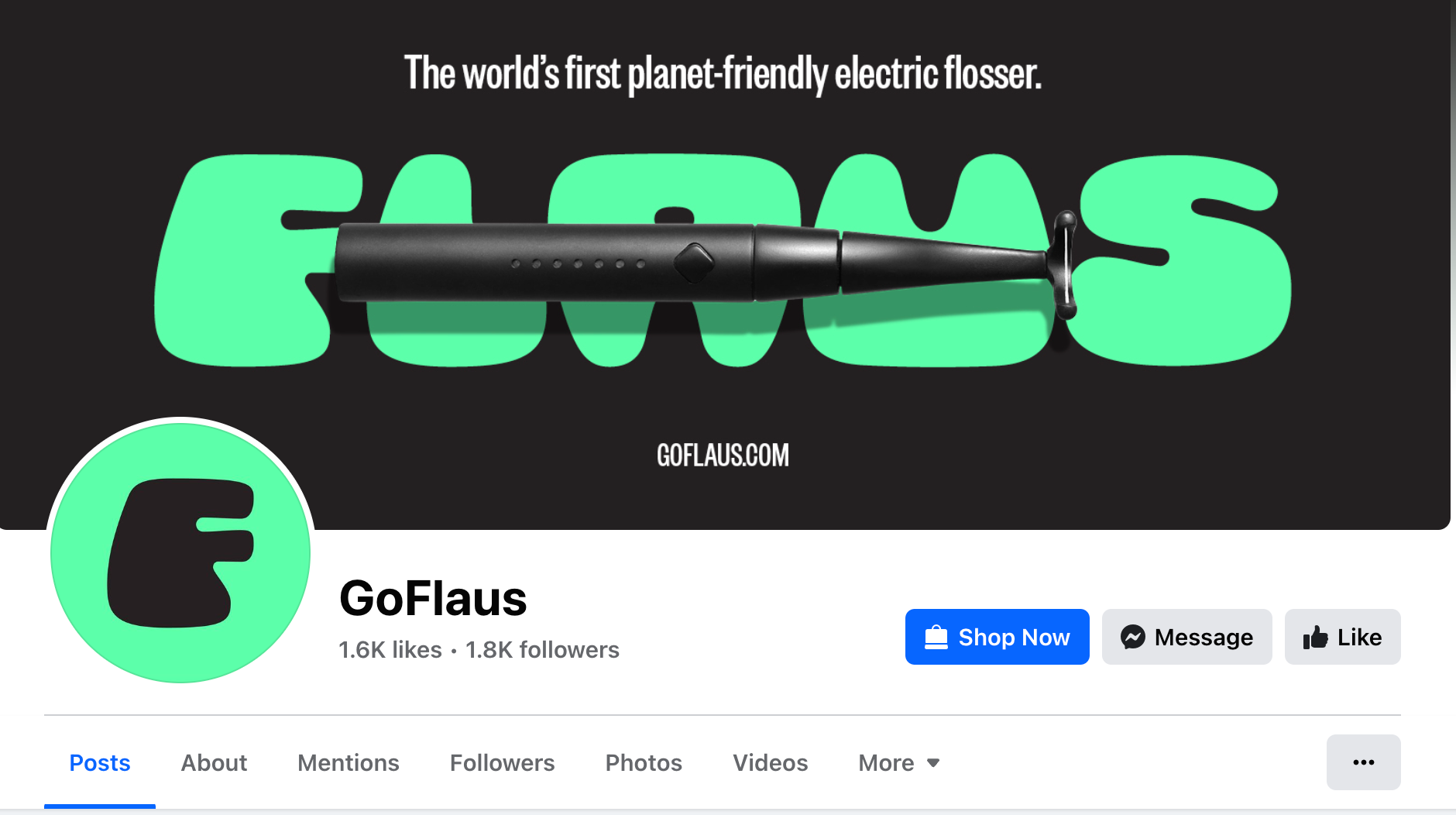
Use social media analytics tools to track the performance of your content and campaigns.
The metrics you track will depend on your goals. For example, if you aim to increase website traffic, you should closely track click-through rates. But if you want to boost sales, then conversions are your go-to metric.
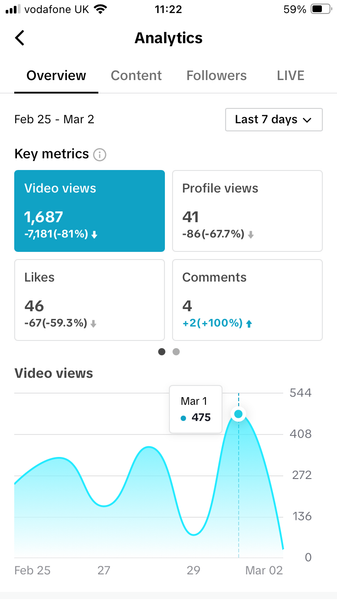
Monitoring your metrics lets you make small changes to your strategy, rather than huge overhauls. You can be proactive in the short term and use those learnings to inform future campaigns.
You should evaluate and refine your social media marketing plan based on insights and data. Adapt your approach based on what works best for your audience and aligns with your goals.
Your aim now is to get a positive return on the time, money, and effort you spend marketing your business on social media. That requires deliberate action.
Your social media strategy is your plan of attack. But in a space like social media that changes by the day—with feed algorithm updates and audiences always ready for something new—you need to remain flexible and keep your finger on its pulse. It’s important to have goals to track and check in regularly to see what’s working. Use those insights to develop content ideas, build out your calendar, and grow your audience.
Ready to get started with your social media strategy? These free, customizable templates give you tools to plan and execute a strategy that connects you with your target audience while keeping your content calendar organized.
Developing a social media marketing strategy will give you purpose when connecting with your audience on platforms like Instagram, X, Facebook, and TikTok. It will help you determine the kind of content your audience likes to see and what they engage with the most. Ultimately, this will help you grow your audience, sell more products, and increase revenue.




