

I’m Mike, a tech content creator from Austin with 17K YouTube subscribers.
After three years of video production, I’d like to discuss a technology that’s revolutionizing how creators achieve visual consistency: face swap tools.
Face swap technology has evolved far beyond novelty applications. Today’s Video face swap solutions offer professional-grade capabilities that address real production challenges in content creation.
Content creators face a fundamental challenge: maintaining visual consistency across multiple productions while working with limited resources and tight schedules. Traditional solutions like professional lighting setups, makeup artists, or extensive re-filming are often impractical for solo creators or small teams.
Face swap technology provides an alternative approach. Instead of investing in expensive equipment or spending hours perfecting each shot, creators can maintain consistent visual quality through intelligent post-production techniques.
Modern face swap technology offers several core functionalities that make it valuable for professional content creation:
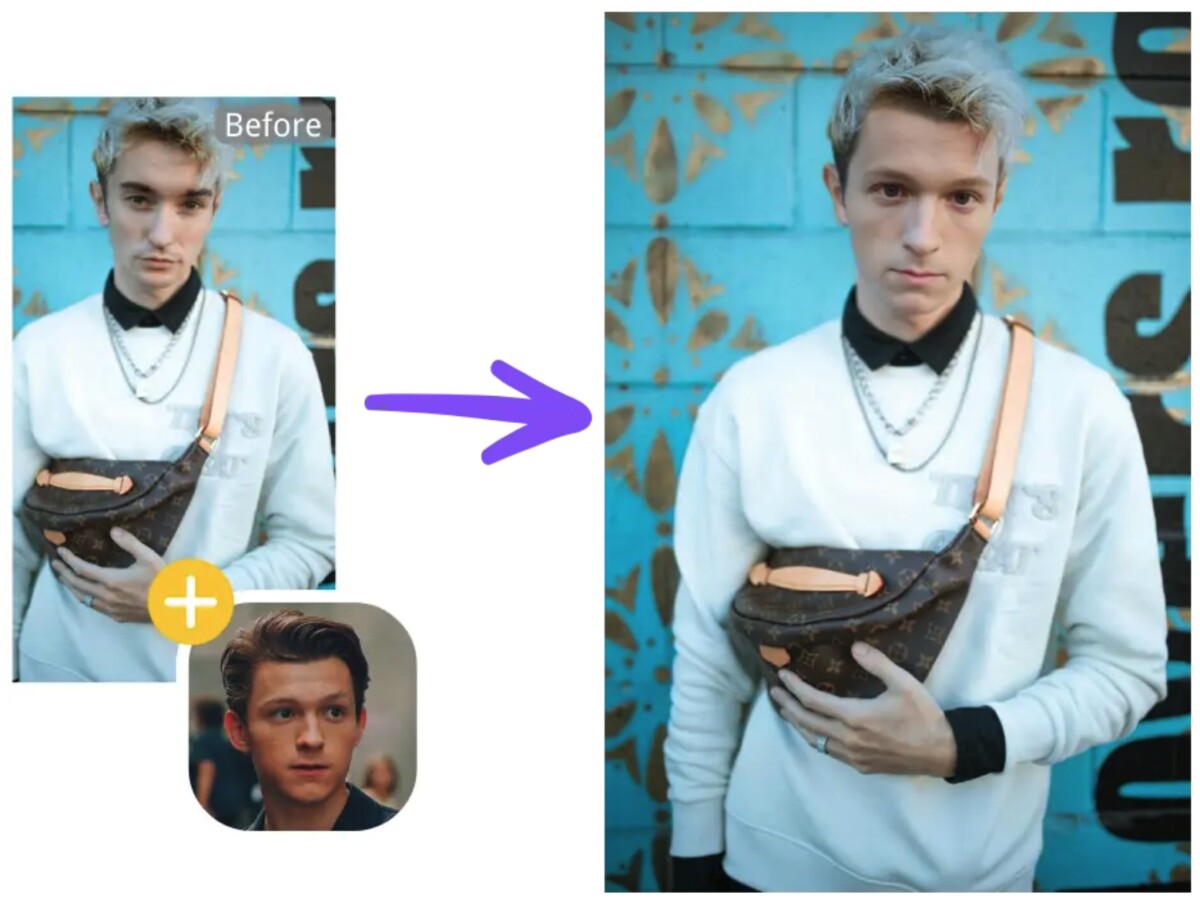
Photo Enhancement: Basic applications allow creators to improve headshots and promotional images by swapping faces from high-quality source photos onto images with suboptimal conditions.
Video Processing: Advanced systems can process entire video sequences, maintaining facial consistency throughout longer content pieces while preserving natural expressions and movements.
Real-time Applications: Some platforms now offer near-instantaneous processing, enabling creators to preview results and make adjustments during the editing process.
Successful implementation of face swap technology depends on understanding its technical parameters:
Lighting Consistency: Source and target footage must have compatible lighting conditions. Mismatched lighting creates unnatural results that appear obviously processed.
Camera Angle Alignment: The technology works best when source and target materials use similar camera angles. Dramatic perspective changes reduce effectiveness.
Source Quality Standards: High-resolution, well-lit source material is essential. The output quality directly correlates with input quality.
Processing Considerations: Multiple iterations may be required to achieve optimal results, particularly for complex lighting scenarios or longer video sequences.
Face swap technology serves multiple purposes in professional content creation:
Consistency Maintenance: Creators can maintain uniform appearance across multiple productions, regardless of varying filming conditions.
Production Efficiency: The technology reduces the need for extensive re-filming, allowing creators to focus resources on content development rather than appearance optimization.
Creative Possibilities: Advanced users can create unique content formats, such as debate-style videos or multi-perspective presentations using variations of the same presenter.
Content creators should evaluate several factors when considering face swap technology:
Audience Transparency: Clear disclosure of post-production techniques maintains audience trust and can actually enhance viewer interest in production methods.
Technical Learning Curve: Effective use requires understanding of lighting, composition, and post-production workflows. Initial results may require refinement.
Quality Standards: The technology should enhance rather than replace fundamental production skills. Good content and solid technical foundations remain essential.
Workflow Integration: Successful implementation requires incorporating the technology into existing production processes rather than treating it as a standalone solution.
Content creators using face swap technology report several quantifiable improvements:
Production Time Reduction: Decreased re-filming requirements can reduce average production time by 30-40%.
Publishing Consistency: More reliable content scheduling due to reduced production bottlenecks.
Audience Engagement: Improved visual consistency often correlates with increased viewer retention and engagement metrics.
Professional Presentation: Enhanced visual quality can improve overall content perception and brand presentation.
For content creators seeking to improve production efficiency while maintaining professional visual standards, video face swap technology represents a practical solution that addresses common workflow challenges while opening new creative possibilities.
Face swap tools have moved beyond novelty and now offer professional value: they help you keep a consistent on‑camera look across videos, reduce reshoots, and speed up editing. The core features cover photo enhancement, full video processing that preserves expressions, and even near real-time previews so you can iterate faster. When creators match lighting, camera angles, and use high‑resolution source faces, outputs look natural and maintain brand quality across channels.
The biggest gains show up in consistency and efficiency. Instead of fixing makeup, lighting, or location issues with extra shoots, you stabilize your presenter’s look in post and keep publishing on schedule. This is useful for ecommerce teams who need regular product videos, UGC edits, or regional variants without rebuilding the entire set. Advanced use cases include multi-character explainers with one host, localized presenters for different markets, and training content that stays uniform across sessions.
Quality and trust are the guardrails. Results depend on the inputs, so prioritize clean source footage, compatible lighting, and aligned angles. Be transparent when it adds clarity, especially in educational or brand content, and use the tech to enhance storytelling rather than to mislead viewers. Treat face swap as one step in your post-production, not a shortcut for weak scripts or poor audio.
Face swap technology gives creators and ecommerce teams a reliable way to maintain a consistent on‑screen look, cut reshoots, and scale content with confidence. The best results come from strong inputs, ethical use, and a clear workflow that treats face swap as a pro tool, not a gimmick. Start with one series or campaign, run controlled A/B tests, and standardize what works; then expand to localized and multi-character formats as your team gains skill. For next steps, set a short pilot, build your checklist, and explore platforms that support real-time previews to speed learning and keep quality high.





