
3rd
October, 2025
When it comes to growing an online brand, having the right social media content creators on your side can make all the difference. In the ultra-competitive world of e-commerce, brands (including Amazon sellers) are increasingly turning to micro-influencers and content creators to gain an edge. These niche creators – often everyday people with dedicated followings – provide authentic user-generated content (UGC) and a level of consumer trust that traditional ads simply can’t match. But how do you actually find and hire the perfect content creators who align with your brand’s values and goals? (One useful avenue is leveraging an influencer marketing platform such as Stack Influence, which specializes in connecting e-commerce brands with vetted micro-influencers.) In this guide, we’ll walk through a step-by-step approach to discovering talented social media content creators, evaluating their fit for your brand, and effectively reaching out to form a successful collaboration.
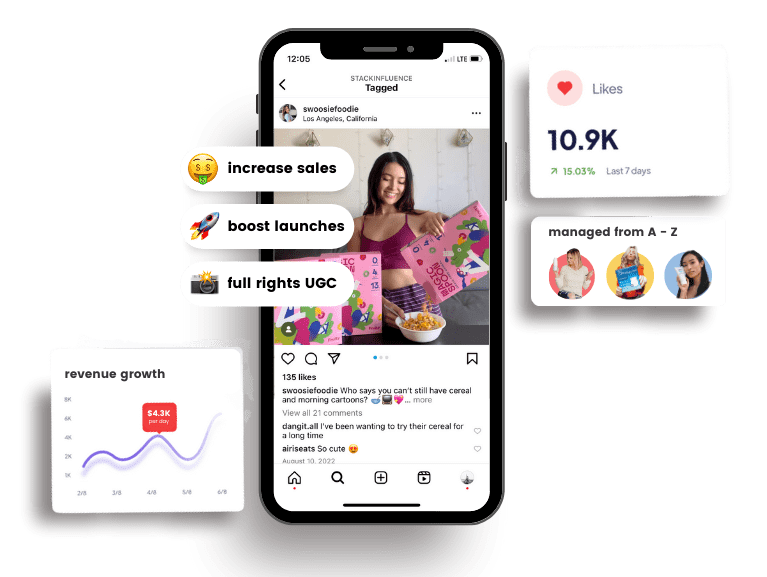
Example: A micro-influencer campaign driving engagement and sales. In this illustration, a niche content creator’s Instagram post helps promote a product through relatable storytelling and genuine enthusiasm. Collaborating with micro-influencers—often everyday consumers with niche followings—can give e-commerce brands an edge by generating authentic UGC that builds trust and boosts sales. Such posts feel like recommendations from a friend rather than advertisements, which greatly increases their credibility. In fact, peer-created content is highly influential – globally, 79% of people say user-generated content significantly impacts their purchase decisions, far more than traditional brand-directed content. By tapping into this kind of creator, brands not only gain exposure to an engaged audience but also acquire valuable content assets (reviews, unboxing videos, lifestyle photos) that can be repurposed across marketing channels for continued impact.
Before diving into your search, start by clearly defining what you’re looking for in a social media content creator. Having a solid set of criteria will help you filter out mismatches and zero in on creators who are the best fit. Key factors to consider include:
Budget is a major consideration when planning to hire content creators. Influencer rates can vary dramatically based on a creator’s follower count, engagement level, platform, and the scope of work you’re asking for. It’s important to establish what you can afford early on.
Keep in mind that bigger isn’t always better in terms of ROI. In fact, 86% of marketers prefer working with influencers who have under 100,000 followers (micro-influencers) over celebrity influencers with millions. It’s not hard to see why – smaller creators tend to charge far less and often have more loyal, engaged audiences. Many micro-influencers will promote a product in exchange for just a free sample or a few hundred dollars, whereas a single post from a mega-influencer could cost tens of thousands of dollars. For the price of one celebrity endorsement, you might hire dozens of micro-creators, multiplying your reach and content output.
Not only are micro-creators cost-effective, but they also frequently deliver better results for the spend. One marketing study found that micro/nano-influencer campaigns can deliver roughly a 20:1 return on investment, compared to about 6:1 ROI for macro-influencer campaigns. In practical terms, that means a dollar spent on the right smaller influencers can generate as much as 3× more revenue than a dollar spent on a single big-name influencer. When setting your budget, consider these dynamics. You may decide to allocate funds toward a larger number of micro-influencers rather than blowing the whole budget on one or two “big fish.” It’s all about balancing reach with engagement and authenticity to maximize ROI for your brand.
To put this into perspective, let’s look at how micro and macro influencers stack up on key metrics:
Once you know what you’re looking for and how much you can spend, the next challenge is actually finding content creators who fit the bill. Fortunately, there are several effective ways to discover talented influencers and creators:
Using a combination of the above methods will cast a wide net and ensure you discover a range of potential creators. Jot down or save profiles of any promising candidates—you’ll vet them more closely in the next step.
Take a deep dive into the creator’s actual content. Is it well-made and engaging? Look at the visuals (photography, video editing, graphic design) to see if they meet the standard you’d want representing your brand. For example, if you run a home decor e-commerce store, a creator whose photos are dimly lit or poorly composed might not showcase your products in the best light – whereas someone with bright, high-resolution images and a good eye for styling could make your items shine.
Beyond visuals, read or listen to the substance of their content. Do they tell stories or provide captions that spark interest and conversation? A good social media creator should be able to captivate their audience, not just post product photos with one-word captions. Consistency is important too. Check how regularly they post and whether they’ve built a coherent personal brand. Posting frequency can indicate how dedicated and professional a creator is – someone who posts once a day or a few times a week reliably is more likely to take a partnership seriously than someone who goes silent for weeks at a time. Also, look at whether their style or message stays on track. If an influencer usually shares fitness tips but suddenly one week is promoting a random tech gadget and the next week a clothing brand, their audience might be confused or less trusting. You want a creator whose content themes align closely with your niche, so when they feature your product it feels like a natural fit.
Lastly, originality and creativity matter. The social media space is crowded; creators who have a unique angle or creative presentation stand out. Maybe they incorporate humor into their TikToks, or they have a signature aesthetic on Instagram. Novel and creative content tends to be more memorable and shareable, which can only benefit your campaign.
A content creator’s value lies not just in the content they produce, but in the audience they can reach. To gauge this, scrutinize their engagement metrics and the authenticity of their followers. High follower counts are meaningless if those followers aren’t genuinely interested or even real. Here’s what to look for:
When you invite a content creator to represent your brand, in a way they become an extension of your brand’s image. That’s why it’s crucial that they’re a good philosophical fit, not just hitting the numbers. Check the vibe and values they project through their content.
Ask yourself: does this creator uphold principles or causes that align with our brand? For example, a company selling eco-friendly products would want to see that a potential influencer also cares about sustainability (maybe they frequently talk about recycling, or they avoid promoting brands that conflict with that ethos). If there’s a mismatch – say the creator has made statements or content that run contrary to your brand’s stance on something important (body positivity, family-friendly language, etc.) – think twice. Any past controversies or red flags in their content should be considered. A quick Google search of the creator’s name plus keywords like “scandal” or “controversy” can be enlightening. You want someone who will enhance your brand reputation, not accidentally damage it.
Also evaluate the other brands or products the creator has promoted in the past. If they’ve worked with a direct competitor of yours very recently, you might steer away (or at least be aware of it and how they’d differentiate your offering). Or if they promote so many different products that their feed looks like an endless string of ads, their followers might be fatigued – whereas a creator who is more selective and genuinely uses the things they promote will carry more credibility.
In short, the best content creator partnerships feel truly authentic: the creator’s personal brand and your company brand share a lot of common ground, so the collaboration comes across as natural and believable to the audience.
Finally, don’t overlook the legal and ethical side of working with content creators. Influencer marketing is subject to advertising laws and platform guidelines. Ensure any creator you hire is someone who follows the rules – this protects both your brand and the creator from potential trouble.
One important aspect is sponsorship disclosure. Reputable creators should already be transparently disclosing paid partnerships or gifted products, typically using hashtags like #ad, #sponsored, or platform-specific tools (for example, Instagram’s “Paid Partnership” label). Check if the creator clearly marks past sponsored posts. In many countries (including the US, per the Federal Trade Commission’s guidelines), it’s legally required that influencers make it obvious when content is an advertisement or sponsored. If you see an influencer failing to do this, that’s a bad sign (and could put your brand at risk if you start working with them and they continue the practice).
Also consider any ethical issues in the creator’s past. Do a bit of due diligence: have they been involved in any scandals, lawsuits, or notorious online spats? A quick background check on news articles or their social feed history can save you a headache later. You want to avoid partnering with someone who has a history of offensive behavior, fraudulent practices, or anything that could reflect poorly on your brand by association.
When you do proceed to hiring (as we’ll cover next), you’ll want a clear contract that addresses legal points like content ownership and compliance with disclosure laws. But during the vetting stage, simply confirming that your potential partner is a responsible and honest actor in the social media space is an important final filter.
You’ve identified some great prospective content creators – now it’s time to initiate contact and bring them on board for a collaboration. Reaching out can be a bit nerve-wracking, but if you approach it thoughtfully, you’ll maximize your chances of a positive response. Here’s a step-by-step game plan:
When contacting a creator (whether by email, DM, or through a platform), make it personal. Introduce yourself and express genuine interest in their content. Mention specific things you liked about their recent posts or explain why you think they’d be a great fit for your brand. Creators can tell when a brand has sent a generic copy-paste message to dozens of people. A friendly, tailored note shows respect and grabs their attention. For example, instead of saying “Hi, we love your content, want to collab?” you might say “Hi [Name], I loved your recent unboxing video of [product] – your authenticity and humor really stood out. I’m [Your Name] from [Brand], and we have a line of eco-friendly kitchen gadgets that I think your foodie followers would enjoy…”.
Once you’ve got a dialogue going and interest from the creator, lay all the cards on the table regarding what you’re looking for. Explain your campaign idea or content needs: for example, “We are launching our summer collection and would love a 60-second Instagram Reel from you highlighting how you’d style our product in daily life, plus a couple of Instagram story frames.” Discuss timelines (when would you need the content to go live?), any key messages or hashtags to include, and so on. At this stage you’re not giving them a full brief yet, but you are making sure they have a solid understanding of the scope. This is also the time to ask if they have any ideas – creators are creatives, after all, and they might propose a unique angle that you hadn’t thought of.
Talk openly about compensation once the creator shows interest. Some may have a rate card or package; others might ask you for your offer. Refer back to your budget and be fair. If you’re compensating with product only (for very small influencers or customer-advocates), be upfront about it and don’t expect extensive deliverables in return. If it’s a paid deal, negotiate whether payment is per post, per content piece, or perhaps an affiliate commission structure. Also clarify any important terms: Will you need usage rights to their content (to repost on your channels or use in ads)? How long will the partnership last? It often helps to suggest a trial collaboration (one post or one month) with the potential to extend if it goes well.
After the paperwork, you’ll want to share a campaign brief or guidelines to set the creator up for success. This might include your brand’s background, key product points to mention, preferred hashtags or tags, and any do’s/don’ts for the content (for example, visual style guidelines, or “don’t show competitor products in the same post”). However, don’t micromanage the creator’s style. They know their audience best and what content resonates. It’s important to give them creative freedom to integrate your product in a way that feels organic to their channel. The best influencer content often doesn’t look like a scripted ad – it looks like the creator’s usual content, just featuring a brand they genuinely like. So collaborate on ideas, but respect their creative process.
By following these steps, you’ll approach hiring a content creator in a respectful and effective manner. Remember that influencers are people, not just media channels – treat them with professionalism and empathy, and you’re more likely to form lasting, mutually beneficial relationships.
As you may have gathered, finding and coordinating with social media content creators can involve a lot of moving parts. This is where influencer marketing platforms come in handy. These are third-party tools or services designed to streamline the entire influencer discovery and collaboration process. If you’re managing multiple creator partnerships or just want to save time, using a platform can be a game-changer.
What do influencer marketing platforms offer? For starters, they typically provide a vast database of influencers that you can search through with fine-tuned filters. Instead of manually scouring social media, you can enter your criteria (e.g., “beauty creators in USA with 5k–50k followers and engagement above 3%”) and get a list of matching candidates instantly. This can dramatically cut down the research phase when looking for content creators. Platforms also often include analytics dashboards so you can assess a creator’s audience demographics, past campaign performance, engagement rates, and even detect fake follower activity – all in one place.
Beyond discovery, many platforms handle the campaign management aspects as well. You can use them to organize your list of chosen influencers, send out batch campaign briefs or proposals, and track who has accepted. Some platforms have integrated messaging or email systems, so you can keep all communication in one hub rather than juggling DMs and emails. This can be especially useful if you’re working with a large number of micro-influencers at once.
Another huge benefit is the ability to manage payments and contracts through the platform. Instead of cutting 20 individual PayPal payments and remembering who sent an invoice, an influencer platform might let you load funds or use their escrow system to pay creators securely. Likewise, digital contracts and compliance documents can be issued and signed within the software. By automating these administrative tasks, you minimize errors and save yourself a ton of hassle.
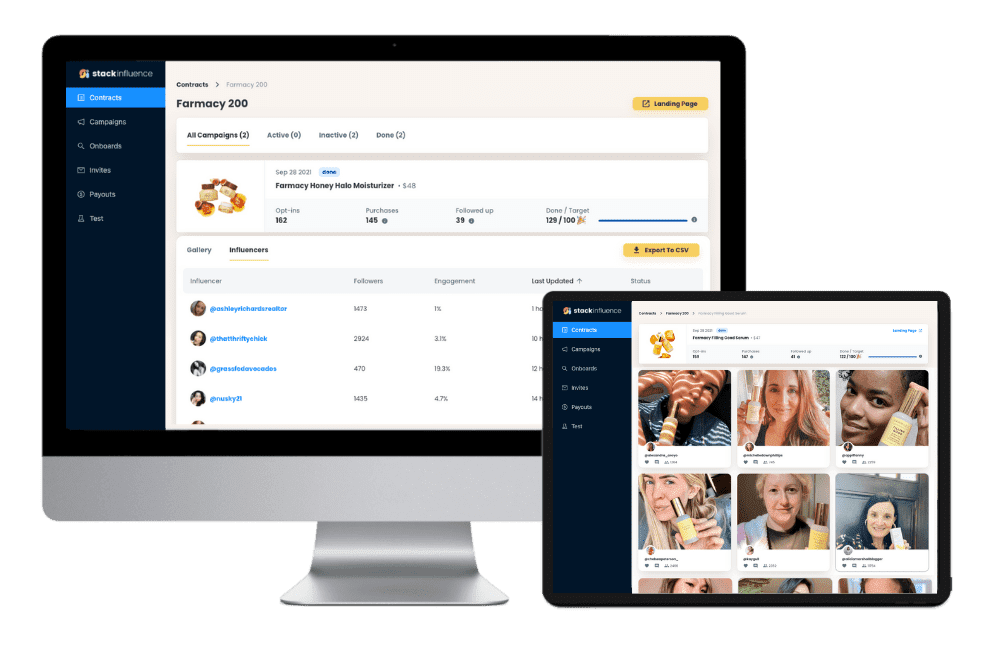
For e-commerce brands, certain influencer platforms even specialize in things like product seeding campaigns – where you send out free product to a curated list of micro-influencers and manage the content they create in return. For example, some services (including Stack Influence’s platform) allow Amazon sellers and online brands to connect with hundreds of micro-influencers who will try a product and post about it, with the platform coordinating shipments, tracking posts, and gathering all that UGC for you. This kind of end-to-end solution means you can scale up your influencer marketing without needing a huge team to do it manually.
In summary, an influencer marketing platform can act as a centralized hub that simplifies every stage of working with social media content creators – from discovery and outreach to campaign execution and analytics. Particularly as your influencer program grows, investing in such a tool can yield efficiency and insight that’s hard to achieve with spreadsheets and ad-hoc communications alone.
By defining clear criteria, leveraging the right search tactics (and tools), and building genuine relationships with creators, your e-commerce brand can harness the power of social media content creators to drive authentic engagement and growth. The world of micro-influencers and UGC is booming, and brands that master the art of finding and hiring the right creators will enjoy a competitive advantage. Here’s to connecting with creators who will champion your brand and take your marketing to the next level!

By William Gasner
CMO at Stack Influence
William Gasner is the CMO of Stack Influence, he’s a 6X founder, a 7-Figure eCommerce seller, and has been featured in leading publications like Forbes, Business Insider, and Wired for his thoughts on the influencer marketing and eCommerce industries.
Want new articles before they get published? Subscribe to our Awesome Newsletter.
111 NE 1st St, 8th Floor
Miami, FL 33132



© 2025 Stack Influence Inc
© 2025 Stack Influence Inc
The post How E‑Commerce Brands Can Find and Hire Social Media Content Creators appeared first on Stack Influence.





