
You’re running a blog and loving every minute: from engaging with your audience to discovering your unique voice.
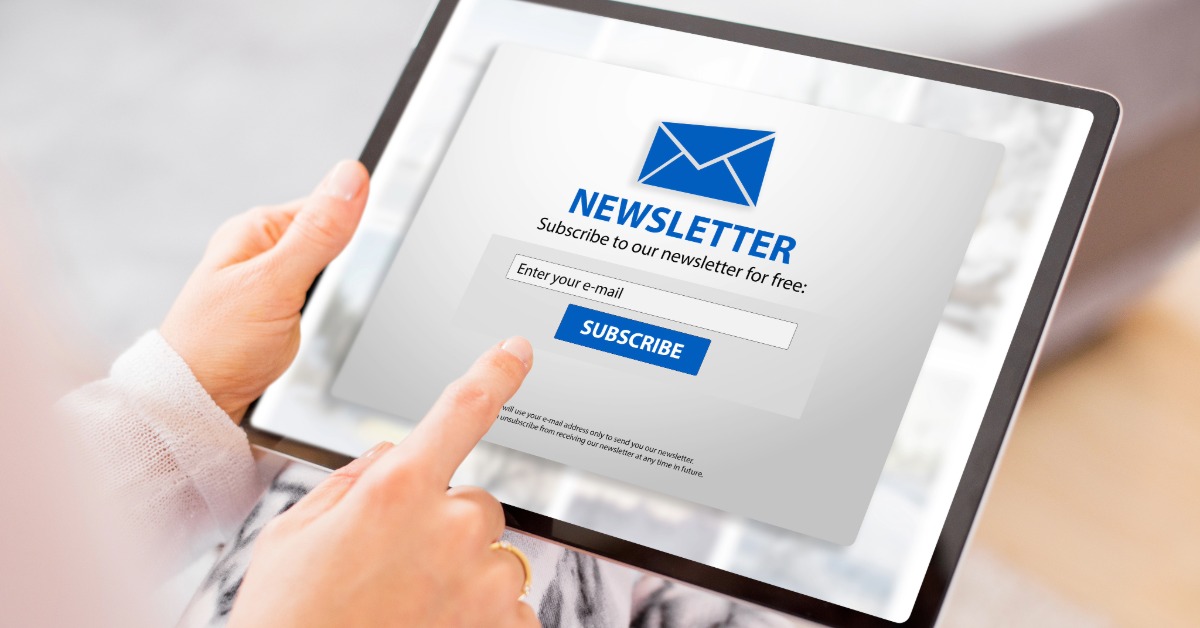
Sometime during this journey, you might consider establishing a newsletter subscription. The latter is a prominent option for many blogs and websites, urging readers to keep in touch. In that way, they can receive regular updates on your new content or any deals related to your activities.
In this article, we explore the potential of newsletters and how they can not only keep your readers returning but also generate additional revenue.
Many people have hit the ‘Unsubscribe’ button more often in recent years. Yet, the issue of discontinuing your newsletter subscriptions doesn’t come from the general nature of newsletters. In fact, it’s likely because newsletters resemble spam, lack personalization, and fill up inboxes with invaluable information.
If you’re running a blog, an online store, or any other website, your approach to these emails should be outside the box. You need to aim for:
If done well, newsletters are a direct connection to your readers, can build loyalty, and even increase conversions (if your blog is a side project to your small business/online store).
Newsletters remind readers about you, but they can do so much more:
Beyond monetization, newsletters also serve as a tool for strengthening community. By sharing behind-the-scenes insights, exclusive tips, or early access to content, you make subscribers feel valued. Over time, this nurtures a loyal reader base who is more likely to engage, share your content, and recommend your blog to others.
Yes, the correct approach to newsletters could bring you a variety of advantages. However, how do you ensure that recipients open them instead of letting them pile up in their inbox (and eventually get deleted)?
It’s also useful to segment your audience based on interests or past engagement. Personalized newsletters are far more likely to be read and acted upon. For instance, a segment interested in tech updates might receive app recommendations, while lifestyle enthusiasts could get seasonal content.
All newsletters should have a clear purpose. It might be to distribute information, such as the latest blog articles you are proud to share. In other cases, you could use newsletters as the bridge to other money-earning strategies. For example, a variety of SDK monetization options exist to boost your product revenue. One of the most common options is ad networks that you integrate into your blog. In other cases, if you’re offering products such as a mobile application, your blog could boost general sales.
If you’re introducing more modern monetization options, newsletters could be perfect for announcing them. For example, businesses could use Honeygain to allow users to share their unused internet bandwidth instead of paying for services. While this option has become more popular, it is little known among the general audience. A newsletter could be perfect for inviting users who were not willing to pay, but would have loved the alternative method of paying.
Newsletters can also encourage user feedback. Including short surveys or asking questions directly in your email fosters interaction, providing valuable insights into what your readers want. This not only strengthens relationships but also informs future blog content and offerings.
A newsletter is not just a one-way communication tool it’s also an opportunity to interact with your audience. Incorporating polls, surveys, or “reply to this email” prompts readers to respond, share feedback, and feel included in your blog’s community. This engagement can provide insights for your content strategy and help identify what topics or products your audience is most interested in. Additionally, interactive newsletters often see higher click-through rates, as readers are actively involved rather than passively consuming content.
Newsletters have tremendous potential for your personal brand or small business. They can drive customers, remind them of your posts, and build another way to reach them. With social media dominating more and more, many clients might skip over email correspondence.
Thus, for the best results, combine your efforts across multiple platforms, including email messages and frequent social media posts. However, both require knowing your voice, offering something unique, and being active but not too much. When done thoughtfully, newsletters become more than emails; they’re a bridge to deeper engagement, trust, and sustainable growth for your blog or business.
Finally, remember that newsletter success comes from consistency and experimentation. Test different formats, subject lines, sending frequencies, and content styles to see what resonates with your subscribers. Over time, small adjustments can dramatically improve engagement, making your newsletter a powerful asset that complements your blog and expands your reach.
Readers generally unsubscribe from email newsletters when the content feels like spam, lacks personalization, or fills their inbox with things they do not value. The main issue is not the idea of newsletters themselves, but poor execution that focuses too much on marketing rather than providing useful information. To keep subscribers, your emails must be engaging and helpful.
Newsletters can generate revenue in several ways beyond just promoting products. You can include links for affiliate marketing that earn commissions when a reader makes a purchase. Another option is a paid, subscriber-only newsletter that provides unique, premium content that readers are willing to pay for regularly. Always make sure the paid content offers clear and unique value.
The most important part of a successful newsletter is a clear yet intriguing subject line, as this motivates the reader to open the email in the first place. Once opened, the next most crucial element is a clear Call to Action (CTA) that tells the reader what step they should take next. Avoid confusing your audience with too many links or buttons.
Yes, for the best and most sustainable results, you should combine your newsletter with social media activity and other platforms. Since social media is very popular, readers might sometimes miss your emails, so cross-promotion ensures you reach your audience where they are most active. Consistency and a unique voice across all platforms are key to connecting with your readers.
Newsletters strengthen reader loyalty by offering behind-the-scenes insights, exclusive tips, or early content access that makes the subscribers feel valued. This direct connection helps to nurture a dedicated group of readers who are more likely to engage with and share your content with their network. This feeling of being part of an inner circle drives deeper engagement and community.
Segmenting your audience means grouping your subscribers based on their interests, past engagement, or the content they usually read on your blog. This allows you to send personalized newsletters that are highly relevant to each specific group. For example, a reader interested in cooking would not receive an email about your latest tech review.
This is a common misconception; readers actually prefer newsletters that are helpful, curious, and engaging, rather than ones focused only on marketing. People quickly disconnect from emails that feel like a direct sales pitch. Your main goal should be to provide value, which will naturally lead to higher engagement and better conversion rates over time.
You should aim for regular but controlled sending of your email correspondence, making sure you do not overwhelm your subscribers’ inboxes. The best frequency will depend on your audience and your content output, so test different schedules to see what gets the best open rates. The key is to be consistent so your readers know exactly when to expect your updates.
Newsletters are not just a one-way street; they can be perfect for encouraging user feedback through short surveys or reply-to-email prompts. This interaction provides valuable insights into what content your readers want more of, what products they are interested in, and what topics you should cover next. Using this feedback makes your future blog posts more relevant and helpful.
One immediately actionable step to improve your open rate is to test and refine your email subject lines to be both clear and highly intriguing. Use a short, benefit-driven subject line that creates a moment of curiosity or promises a specific, useful takeaway. Avoid subject lines that sound generic or use clickbait language.





