

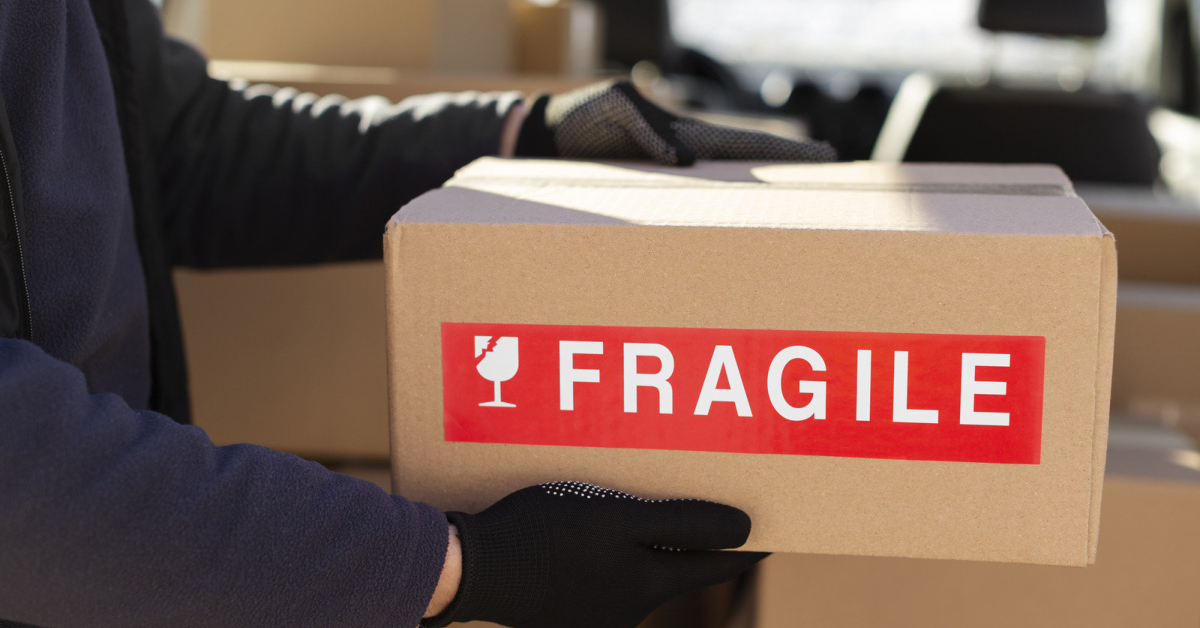
Selling items that can crack, leak, or chip forces you to optimize both cost and protection simultaneously.
Damage-related returns consume margin through refunds, reships, and labor, with the financial effect compounding across all sales channels. A single broken shipment can easily erase the profit from several successful deliveries. The most effective solution isn’t simply adding more plastic or using oversized boxes. It’s about deploying smaller, better-designed packaging that passes recognized test protocols, utilizes materials consumers can easily recycle at home (curbside), and reduces volumetric weight to lower shipping costs for the same order.
When fragile items break en route, the loss doesn’t stop at the warehouse. You pay outbound shipping again, process a return or disposal, burn service time, and risk losing the customer’s next order. U.S.-wide parcel damage figures aren’t publicly consolidated, but carriers and large retailers regularly report rates that move the P&L. Oversized cartons add another penalty by charging you to ship empty space, which compounds the hit to contribution margin.
For a practical reference point, consider categories served by https://pennzonidisplay.com products like acrylic or wood cases only succeed when packaging and operations work in lockstep. If the item arrives clean and intact, margin and repeat purchase likelihood stay intact; if it doesn’t, costs escalate fast.
Pull the last three months of “damaged on arrival” tickets. Tag each instance by failure mode. Focus on the top two failure modes and redesign your packaging specifically to mitigate those issues, rather than attempting a blanket fix.
In the United States, major carriers (like FedEx, UPS, and USPS commercial services) charge by the higher of the actual package weight or its Dimensional Weight (DIM weight). DIM weight is calculated from the package’s length, width, and height using a published divisor.
For common US domestic ground and air services, that divisor is frequently 139 or 166. Trimming just one inch from each dimension of a large box can reduce the calculated DIM weight enough to potentially drop the shipment into a lower price tier. Reducing volumetric weight also correlates with lower transport emissions, aligning cost reduction with a smaller environmental footprint.
Review your top 20 Stock Keeping Units (SKUs) and measure the internal void space (filler volume). If filler occupies more than 15% of the carton’s cubic volume, test a tighter-fitting carton or switch to an all-paper padded mailer. Track the billed weight and damage rates for a minimum of 30 days to confirm the economic impact.
A lighter, smaller pack must still survive the journey from your facility to the customer’s door. Use industry-recognized test standards that simulate the parcel delivery environment to ensure your packaging decision is data-driven:
Packaging engineers also assess the product’s fragility (G-value) and use cushion curves to select the appropriate protective material and thickness. If you plan to replace conventional plastic foam with molded fiber or engineered paper, run the required tests on both options and compare the pass/fail rates before committing to a large-scale material change.
Select a representative fragile SKU, such as a Display Case, and book an ISTA 3A test using your current packaging solution and a proposed, right-sized alternative. If the results show a match or an improvement in protection, expand the new packaging to adjacent SKUs.
Choosing the right materials ensures durability and a better end-of-life outcome for the consumer:
Many large US retailers and e-commerce companies have successfully transitioned high volumes from plastic dunnage to recycled paper and expanded the use of recyclable paper mailers, proving that lighter, paper-based protection performs at scale when designed and tested correctly.
Identify SKUs that currently ship in half-empty boxes and pilot an all-paper padded mailer sized to the item. Monitor damages, billed weight, and customer feedback for 30 days.
If a carton fails to remain sealed during transit, your internal inserts and protective pads cannot protect the order. Water-Activated Paper Tape (WAT) uses a starch-based adhesive to form a permanent, fiber-to-fiber bond with the corrugated surface, creating a secure and tamper-evident seal. Industry testing indicates that, when properly automated, WAT can improve sealing productivity and maintain better seal integrity across the humidity and temperature swings common in the US supply chain compared to pressure-sensitive plastic tapes.
Move heavy or high-value items to WAT for a four-week trial period. Track and record pop-open incidents, reseal rates, and any change in pick-pack time. If performance improves, standardize WAT for those weight bands.
Leaking products like fragrance, skincare, or supplements create significant downstream costs related to disposal, cleaning, and customer service. US carrier regulations for liquids often effectively require triple packaging: an absorbent material around the primary container, a sealed secondary container, and a durable outer carton. For glass or other brittle items, pair this approach with double-boxing or a structured tray-in-box format to control impact and puncture risk.
For every liquid over 4 fluid ounces (fl oz), update your Standard Operating Procedure (SOP) to mandate a secondary seal and an absorbent layer. Run a simple drop test series on filled, packaged units before full release to confirm containment.
Your packaging should meet current needs and anticipate near-term changes, especially if you ship internationally:
List your top formats, note recycled content and recyclability claims, and flag any pack that relies on virgin plastic film or inserts. Where feasible, model a paper-based or recycled-content alternative and validate with ISTA 3A.
The quality of the delivery is an extension of your product promise and heavily influences customer loyalty. A tidy, right-sized mailer sealed with paper tape, minimal filler, and clear recycling cues demonstrates attention to detail. This focus is critical for premium or fragile goods. For example, a customer who purchases a collector’s Display Case expects pristine corners and unmarked panels on arrival; the same expectation applies when a framed jersey or a custom guitar display case ships for a studio wall.
The outer packaging protects the product and serves as the final physical touchpoint that sets the tone for how the customer evaluates your brand and generates potential social media buzz. Add a small recycling panel to your shipper with a QR code that links directly to your company’s disposal guidance. This reduces customer confusion and supports positive unboxing reviews.
Book 90 minutes this week to select one fragile SKU, design a tighter pack with paper-based protection, and schedule an ISTA 3A test. In one month, you will have the data needed to secure financial support and establish a superior delivery experience that reduces damage and controls costs.
Dimensional Weight (DIM) is a way carriers charge for shipping based on the size of the box, not just the actual weight. They calculate DIM weight using the package’s length, width, and height. If the DIM weight is higher than the actual weight, you pay more to ship the empty space, which quickly raises costs.
The most common and trusted standard for testing single-parcel e-commerce shipments is ISTA 3A. This protocol simulates the full delivery journey, including drops, vibration, and impacts. Passing this test gives you clear data that your new, smaller packaging will protect fragile items.
If the filler occupies more than 15% of your carton’s total cubic volume, you are likely shipping empty space inefficiently. You should consider switching to a tighter-fitting box or an all-paper padded mailer. Measuring the internal void space for your top products helps you quickly cut down on unnecessary filler costs.
Water-Activated Paper Tape (WAT) is often the best choice for a secure seal. This tape uses a starch-based adhesive that forms a strong, fiber-to-fiber bond with the cardboard surface. This permanent bond helps the box stay sealed even through temperature changes and makes tampering obvious.
You must validate the new paper insert first by running an ISTA 3A test on the fully assembled package. Protective materials must be specifically chosen based on the product’s fragility, or G-value, using cushion curves. Never switch protective materials without data that proves the replacement is equally effective.
The financial loss compounds significantly beyond just the product refund. You also pay for the initial outbound shipping, the second reshipment, processing the return, and labor time spent on customer service. A single damage ticket can easily erase the profit margins from several successful deliveries.
While plastic dunnage protects well, it is typically limited to less convenient store drop-off recycling streams in the US. Paper-based alternatives like corrugated cardboard and all-paper mailers are widely accepted and recovered in curbside recycling programs. Choosing paper materials supports better end-of-life outcomes for the consumer.
For liquids, such as skincare or fragrances, over four fluid ounces, you should follow triple packaging rules. This means using an absorbent material around the primary container, a sealed secondary container, and a durable outer carton. This structured containment prevents leaks and controls impact risk for glass items.
Even if you only ship in the US, reducing package size saves you money by reducing Dimensional Weight fees from major carriers like FedEx and UPS. Furthermore, minimizing empty space aligns with emerging environmental regulations, such as the EU’s PPWR, which signals future global trends for sustainable packaging.
The outer packaging is the last physical touchpoint that sets a tone for the customer’s brand experience. A right-sized box, sealed with clean paper tape, minimal filler, and clear recycling instructions, shows attention to detail. This focus leads to positive unboxing reviews and increases customer loyalty for fragile or premium goods.





