

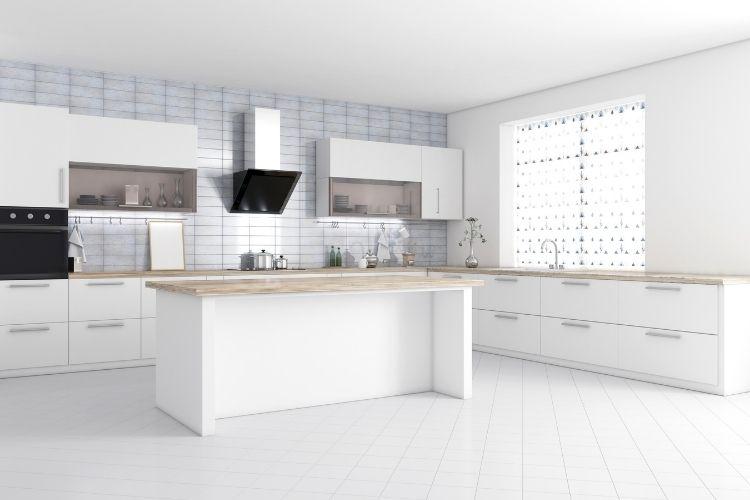
Selling artisan home décor online presents a unique challenge.
Unlike mass-produced furniture or off-the-shelf fixtures, handcrafted sinks, custom range hoods, copper bathtubs, and bespoke tables carry higher price points, longer decision cycles, and deeper emotional stakes for buyers. Customers aren’t just purchasing an object—they’re investing in craftsmanship, longevity, and a design statement that will define their space for years.
Despite these challenges, high-ticket artisan brands are thriving in e-commerce. Their success offers valuable lessons for any retailer looking to sell premium products online. At the center of this shift is a smarter approach to storytelling, customization, and trust-building—turning craftsmanship into conversion.
Today’s consumers are increasingly moving away from disposable, trend-driven décor. Instead, they’re drawn to pieces that feel intentional: handmade, sustainably produced, and designed to last. Kitchens, bathrooms, and outdoor spaces have become focal points of personal expression, especially as remote work and home-centered lifestyles continue to reshape priorities.
Artisan home décor fits perfectly into this mindset. Copper sinks, custom range hoods, fire pits, and handcrafted tables aren’t impulse purchases. They’re considered investments. Buyers want to know where materials come from, how products are made, and whether the piece can be tailored to their space. E-commerce brands that acknowledge and embrace this longer, more thoughtful buyer journey are the ones winning.
At first glance, selling a four- or five-figure home fixture online might seem counterintuitive. Historically, these purchases happened in showrooms or through designers. But e-commerce offers advantages that physical retail can’t always match.
Online platforms enable brands to deliver in-depth product education, visual storytelling, and customization tools in one place. Shoppers can explore finishes, textures, dimensions, and installation details at their own pace—often returning multiple times before committing. When done well, this self-guided experience feels empowering rather than overwhelming.
High-ticket ecommerce also benefits from intent-driven traffic. Customers searching for custom sinks, handcrafted tables, or made-to-order range hoods are already problem-aware and motivated. The brand’s role is not to push sales, but to reduce friction, answer questions, and reinforce confidence.
For artisan brands, craftsmanship isn’t just a product feature—it’s a conversion driver. Buyers want proof that the higher price reflects real value. That proof comes through transparency and detail.
Clear explanations of materials, production methods, and quality control help justify cost. Close-up photography, texture shots, and in-use images show the difference between handcrafted and factory-made. Even imperfections, when framed correctly, become strengths—signals of authenticity rather than flaws.
A brand like CopperSmith demonstrates how craftsmanship can be communicated digitally without overwhelming the shopper. By emphasizing finishes, textures, and made-to-order flexibility, artisan brands can replicate the reassurance of an in-person showroom within an online experience.
Customization is one of the most powerful tools in high-ticket ecommerce. Offering dozens of finishes, textures, sizes, and configurations transforms a product from “an item” into “my item.” This sense of ownership significantly increases both conversion rates and average order value.
From a psychological standpoint, customization reduces buyer’s remorse. When customers actively participate in designing a piece—choosing patinas, dimensions, or materials—they feel more confident in their decision. The product isn’t easily comparable to cheaper alternatives, which minimizes price shopping and increases perceived value.
Operationally, customization also helps artisan brands scale without commoditizing their products. Instead of competing on price, they compete on fit, quality, and individuality—areas where mass-market retailers struggle.
One common mistake in selling premium home goods online is treating the experience like fast retail. High-ticket buyers don’t respond well to countdown timers, aggressive pop-ups, or overly sales-driven messaging.
Instead, education becomes the primary sales mechanism. Detailed FAQs, installation guides, material comparisons, and care instructions all serve to remove uncertainty. When customers understand what they’re buying—and how it fits into their home—they’re more likely to move forward without hesitation.
This approach also reduces returns and post-purchase dissatisfaction. Educated buyers know what to expect, which is critical when products are custom-made and non-returnable.
Trust is essential in any e-commerce transaction, but it becomes non-negotiable as prices rise. Buyers need reassurance that the brand will deliver what it promises, on time, and at the expected quality level.
For artisan home décor brands, trust signals can include:
These elements collectively reduce perceived risk. When shoppers feel they’re dealing with real craftspeople—not a faceless storefront—they’re more willing to commit to a significant purchase online.
Visuals do more than attract attention—they replace physical touch. Since customers can’t feel the weight of copper or run their hand over a hammered texture, imagery must do that work for them.
High-performing artisan brands invest heavily in photography and visual storytelling. This includes lifestyle images, detail shots, and contextual installations that show how a piece transforms a space. Videos, especially those showing the making process or finished products in real homes, add another layer of credibility.
The goal isn’t perfection; it’s realism. Shoppers want to envision how the product will look in their kitchen, bathroom, or outdoor area.
The success of high-ticket artisan home décor offers broader lessons for e-commerce as a whole. First, price is not the enemy—uncertainty is. Brands that proactively address questions, concerns, and objections outperform those that rely on discounts.
Second, differentiation doesn’t have to mean complexity. Clear positioning around craftsmanship, customization, and quality can be more effective than endless feature lists. Finally, patience pays off. High-value conversions often take weeks, not minutes, and ecommerce strategies must accommodate that reality.
Selling artisan home décor online is about more than moving products—it’s about translating human craftsmanship into a digital experience that feels trustworthy, personal, and worth the investment. Brands that succeed understand that conversion isn’t driven by urgency, but by clarity and confidence.
As e-commerce continues to mature, the rise of high-ticket, made-to-order home goods shows that digital retailisn’tt limited to convenience purchases. When craftsmanship is positioned thoughtfully, and the buying journey respects the customer’s decision-making process, even the most premium products can thrive online.
High-ticket items sell online when the website replaces the showroom experience with clear visuals, deep product education, and strong trust signals. Buyers often prefer researching at their own pace, then coming back several times before they buy. Your job is to reduce uncertainty so the price feels justified.
Artisan home décor is tied to craftsmanship, materials, and long-term use, so buyers care about details more than speed or discounts. These products also have longer decision cycles because customers are matching the piece to a real space and a long-term design plan. That changes how you build product pages, support, and messaging.
The biggest blocker is not price, it is risk. Customers worry about quality, lead time, installation fit, and what happens if something goes wrong. Clear timelines, warranties, and real project photos reduce that fear faster than sales pressure.
Craftsmanship converts when you prove it with specifics, not claims. Show materials, explain how the item is made, and use close-up photos that highlight texture, edges, and finishes. When you frame small variations as part of handmade work, buyers read them as authenticity instead of defects.
Customization turns a product into “my product,” which creates ownership and confidence. It also makes comparisons harder, so shoppers focus less on price and more on fit and quality. Offering finish, size, and configuration options often increases average order value because customers build the exact version they want.
Add installation guides, care instructions, material comparisons, and a strong FAQ that answers common concerns. This kind of product education helps customers self-qualify and removes doubt during a longer buyer journey. It also reduces returns and unhappy surprises after delivery.
Customers look for clear lead times, real customer testimonials, and project photos from actual homes. They also want transparent warranty terms and easy-to-find support policies. Behind-the-scenes content that shows makers and the build process adds credibility because it proves there are real people behind the product.
No, that is a common myth for premium e-commerce. Aggressive pop-ups and countdown timers can make high-end buyers feel rushed and suspicious. Education, clarity, and patient follow-up usually work better because buyers want to feel in control.
Add a “Start Here” section that answers the top questions: what it is made of, how to measure, how long it takes, and how support works. Then include a short gallery of detail photos that show texture and finish up close. This simple change can cut confusion and increase buyer confidence quickly.
Double-check measurements, finish options, and any installation requirements, since custom items may not be returnable. Confirm the production timeline, shipping method, and what the warranty covers. If anything is unclear, contact support before ordering, because clarity upfront prevents expensive mistakes later.





