





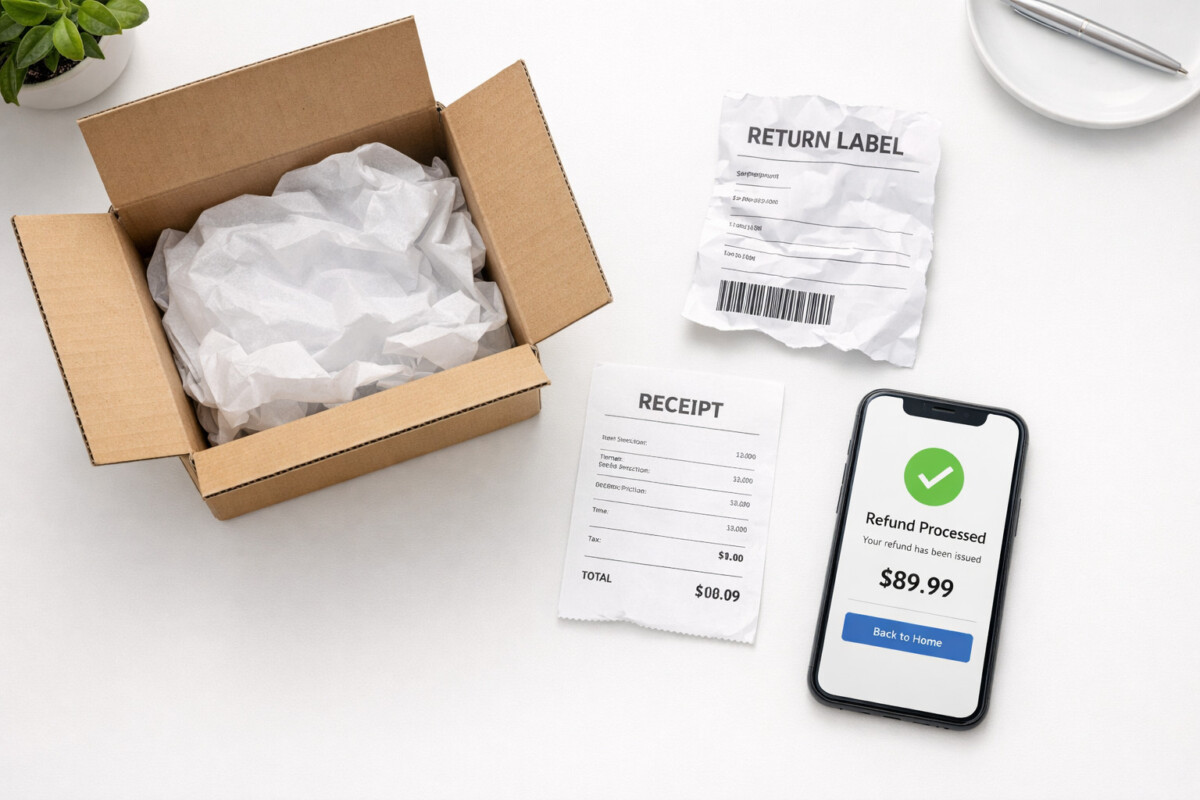
Returns are the tax on growth that nobody budgets for. For every milestone a Shopify brand hits, there’s a proportional increase in products flowing back through the door. And unlike acquisition costs, which at least show up in ad dashboards, returns quietly drain margin in ways most operators don’t fully track.
The National Retail Federation reported that U.S. consumers returned roughly $743 billion worth of merchandise in 2023. For ecommerce specifically, return rates sit between 20% and 30% depending on the category, with apparel and footwear consistently leading the pack.
But the sticker price of a refund is only part of the story. The real cost includes reverse shipping, warehouse labor for processing and inspection, restocking (if the item is even resellable), customer service time, and the opportunity cost of inventory sitting in transit instead of on shelves. For many DTC brands, the true cost of a return can reach 50-65% of the original item price.
The brands that are protecting their margins aren’t eliminating returns. They’re getting smarter about how they handle them.
The problem with treating returns as a cost center

Most Shopify brands treat returns the same way they treated customer service five years ago: as a necessary evil. Something you staff up during peak season and try not to think about otherwise.
This mindset creates three problems:
- Slow resolution kills repeat purchases. Speed matters. Brands that take a week to process a return and issue a refund are actively pushing customers toward competitors who do it in 48 hours.
- Manual processes don’t scale. When a brand is doing 50 orders a day, handling returns through email and spreadsheets is manageable. At 500 orders a day, it’s a bottleneck. At 5,000, it’s a crisis. The operational model that got you to seven figures will break well before eight.
- You’re flying blind on product quality. Returns data is some of the most valuable product intelligence a brand can access. Which SKUs have the highest return rate? What are the common reasons? Is a specific batch defective? Most brands can’t answer these questions because their returns data lives in email threads and Shopify notes, not in a structured system.
What the best operators are doing differently
The Shopify brands that have turned returns from a cost center into a competitive advantage share a few common practices.
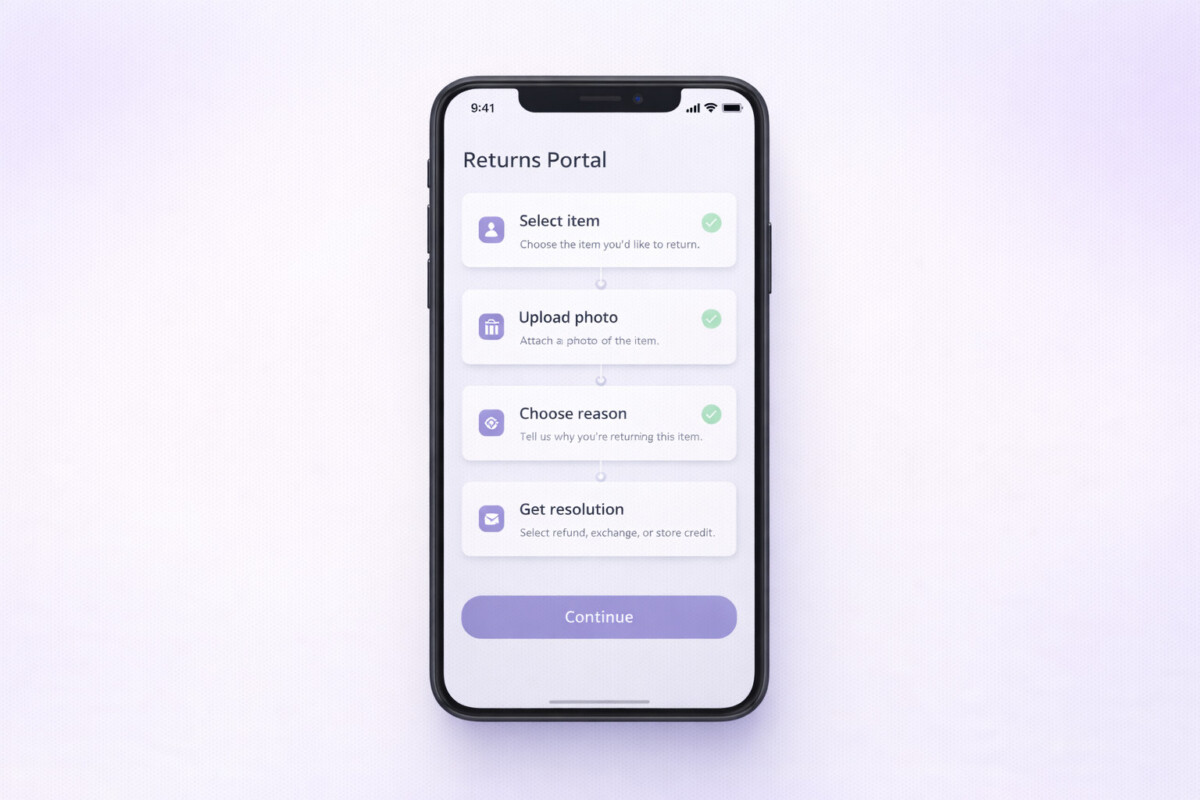
They’ve built a self-service returns experience. Instead of forcing customers to email support and wait for a response, they offer a branded portal where customers can initiate a return, upload photos of defective products, and get an immediate resolution. This reduces support ticket volume by 40-60% and gets the customer to a resolution faster.
Platforms like Claimlane have built this specifically for ecommerce brands handling warranty claims, repairs, and returns, going beyond simple label generation to actually automate the decision-making around what happens with each return.

They use data to reduce returns proactively. Once returns are flowing through a structured system instead of email, patterns become visible. A spike in “doesn’t fit as expected” returns for a specific product might mean the size guide needs updating. A cluster of “arrived damaged” claims from a specific warehouse could point to a packaging problem.
Shopify’s own research suggests that better product descriptions, sizing tools, and customer reviews can reduce return rates by 20-30% in apparel alone. But you can only act on this data if you’re actually collecting it in a structured way.
They’ve automated the simple decisions. Not every return requires human judgment. If a customer bought a $15 item two days ago and wants to return it, the math on processing that return (shipping, inspection, restocking) often exceeds the item’s value. Smart brands set rules: items under a certain value threshold get a returnless refund. Items within 48 hours of delivery with photo evidence of damage get auto-approved.
This isn’t about removing humans from the process. It’s about letting humans focus on the cases that actually need judgment, like high-value items, repeat returners, or potential fraud.
They track return-adjusted profitability. Revenue minus COGS minus ad spend isn’t profit if 25% of those orders come back. The brands that actually understand their unit economics are calculating customer lifetime value and product-level margin after returns.
This shift in measurement changes decisions. A product with a 40% margin but a 30% return rate might be less profitable than a product with a 25% margin and a 5% return rate. You can’t optimize what you don’t measure.
The fraud problem hiding in your returns
Return fraud is growing faster than ecommerce itself. The NRF estimates that for every $100 in returned merchandise, retailers lose $13.70 to fraud. Common tactics include wardrobing (wearing an item and returning it), receipt fraud, and filing claims for items that were never actually purchased.
For Shopify brands, the most common fraud vector is “item not received” or “item arrived damaged” claims where the customer keeps the product and gets a refund. At low volume, these are nearly impossible to spot. At scale, patterns emerge: customers who file significantly more claims than average, identical damage photos used across multiple claims, or claims submitted suspiciously fast after delivery.
Automated returns platforms can flag these anomalies in real time. Not to auto-reject claims (that creates a terrible customer experience), but to route suspicious cases to a human reviewer instead of auto-approving them.
Building a returns strategy that scales

If you’re a Shopify brand doing $1M+ in revenue and still handling returns through email, here’s a practical starting point:
Audit your current returns data. Pull the last 90 days of returns from Shopify. What’s your return rate by product? By reason? By customer segment? You’ll likely find that 20% of your SKUs drive 80% of your returns.
Set up a self-service portal. Get customers out of your inbox and into a structured flow. This alone will cut support workload and speed up resolution times.
Define automation rules. Which returns can be auto-approved? What’s your threshold for returnless refunds? When should a claim escalate to a human? Start simple and refine.
Connect returns data to product decisions. Share return reasons with your product team monthly. Make it a standing agenda item. The brands that close this feedback loop see measurable reductions in return rates within one to two quarters.
Measure return-adjusted metrics. Add return rate and return cost to your product-level P&L. Start including returns in your CAC and LTV calculations.
Returns aren’t going away. Consumers expect free, easy returns, and brands that make the process difficult will lose to those that don’t. The opportunity isn’t to fight returns. It’s to handle them so well that they become a reason customers come back.
