






Sell custom products without inventory
Baby products, eco-friendly items, and pet supplies remain some of the most profitable dropshipping niches thanks to steady demand and repeat purchases. But what about other options?
In this guide, we’ll explore the most profitable dropshipping niches with examples and practical tips to help you start, plus simple ways to find a niche that actually sells.
Disclaimer
This post may contain affiliate links, which means we may earn a commission if you make a purchase through those links. This comes at no additional cost to you.
How to find profitable dropshipping niches
Finding profitable dropshipping niches starts with smart market research. The goal is simple – identify high demand, validate search interest, and avoid saturated niche markets.
Here are the most effective ways to do it.
| Method | What it’s good for | Pros | Cons |
| Social media platforms (TikTok, Instagram, Pinterest) | Discovering trending products and viral dropshipping niche ideas | Easy to access and shows real-time market trends | Trends move fast, hard to validate long-term market demand |
| Keyword research tools (Google Keyword Planner, Ahrefs, Semrush) | Understanding search volumes, search interest, and demand | Data-driven insights help with search engine optimization and finding low competition niche markets | Can feel technical for beginners, some tools are paid |
| Online marketplaces (Amazon, Etsy, eBay) | Identifying best-selling dropshipping products and proven profitable niches | Shows what people already buy, validates market demand, and can help brainstorm product ideas | Saturated bestseller lists make it hard to tell if a niche still has room for new sellers |
| Trend research tools (Google Trends, Glimpse) | Tracking rising search interest and seasonal demand | Many free options, great for spotting early opportunities and trending dropshipping products | Limited detail on profit margins and actual sales data |
Social media
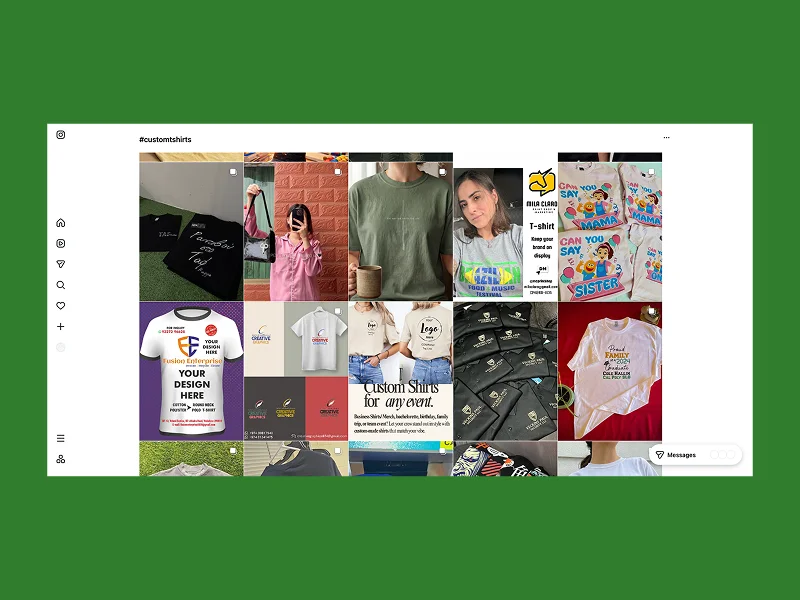
Social media platforms like TikTok, Instagram, and Pinterest are some of the fastest ways to discover trending products. They show what people are actively watching, sharing, and buying in real time.
Start by searching hashtags, browsing “For You” or Explore pages, and paying attention to products that appear repeatedly across different accounts. Look for items with high engagement, strong visuals, and clear use cases, as these often signal growing market demand.
Pros:
- Quickly spot emerging product trends
- See real audience reactions and engagement
- Great for visual, ad-friendly products
Cons:
- Trends can fade quickly
- Limited data on actual sales and margins
- Competition increases fast once items go viral
Keyword research tools
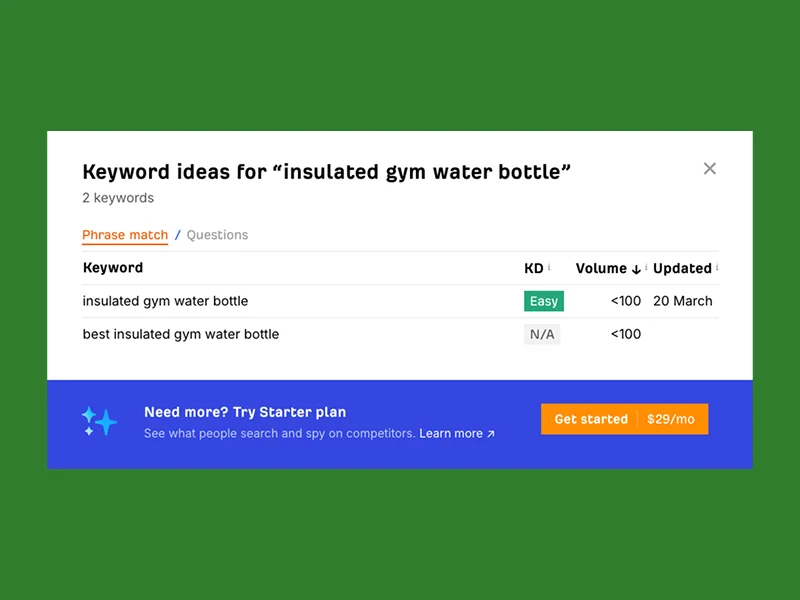
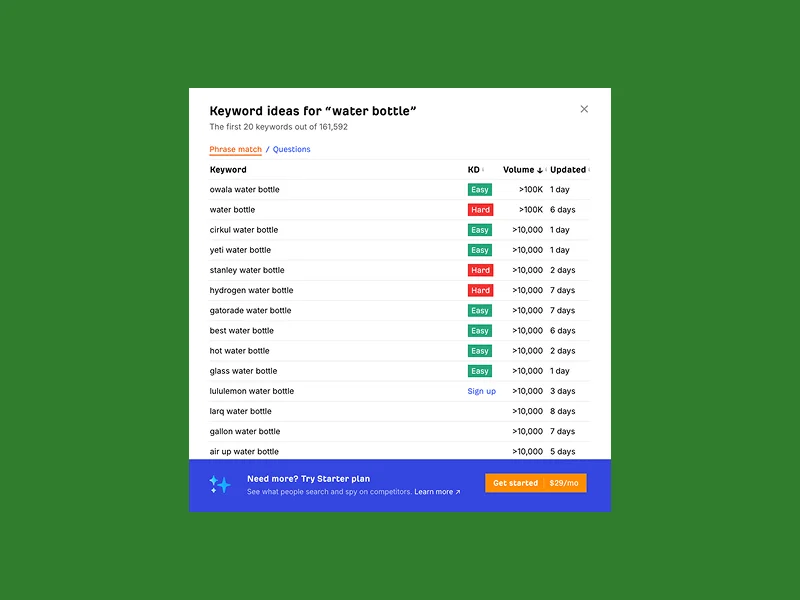
Keyword research tools like Google Keyword Planner, Ahrefs’s Keyword Explorer, and Semrush show search volumes, keyword difficulty, and related terms. They help you understand what people are actively searching for, making them one of the most reliable ways to validate your chosen niche.Look for keywords with steady search interest over time, clear product intent, and room to compete. Long-tail keywords or terms with lower-volume search queries can also reveal specific sub-niches that are easier to enter and build organic traffic around. For example, “insulated gym water bottle” is more specific and less competitive than “water bottle.”
Pros:
- Data-backed way to validate demand
- Helps uncover niche and sub-niche opportunities
- Strong foundation for SEO and organic traffic
Cons:
- Can feel technical for beginners
- Many advanced tools are paid
- Search results may not reflect real-time trends or social buzz
Online marketplaces
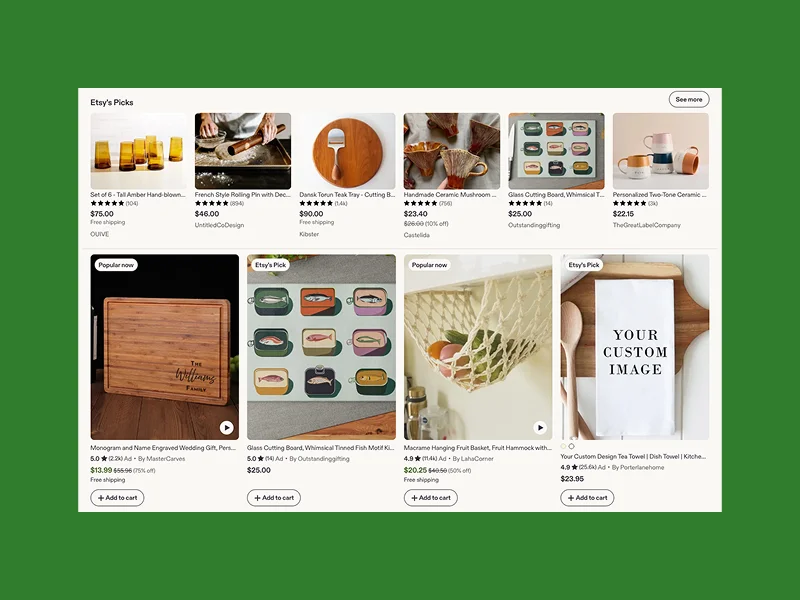
Marketplaces like Amazon, Etsy, and eBay are great for spotting products that already sell. These platforms reflect real buying behavior, so you can quickly validate profitable niches by checking bestseller lists, trending items, and customer reviews.
Pay attention to products with high ratings, strong review counts, and consistent visibility across multiple sellers. Reviews can also highlight common issues, giving you ideas on how to improve a product or target a more specific niche.
Pros:
- Validates real demand based on actual sales
- Easy to find proven product ideas
- Reviews reveal customer needs and gaps
Cons:
- Limited insight into actual margins and profit potential
- Hard to tell if demand is growing or declining
- Popular listings can hide untapped niche opportunities
Trend research tools
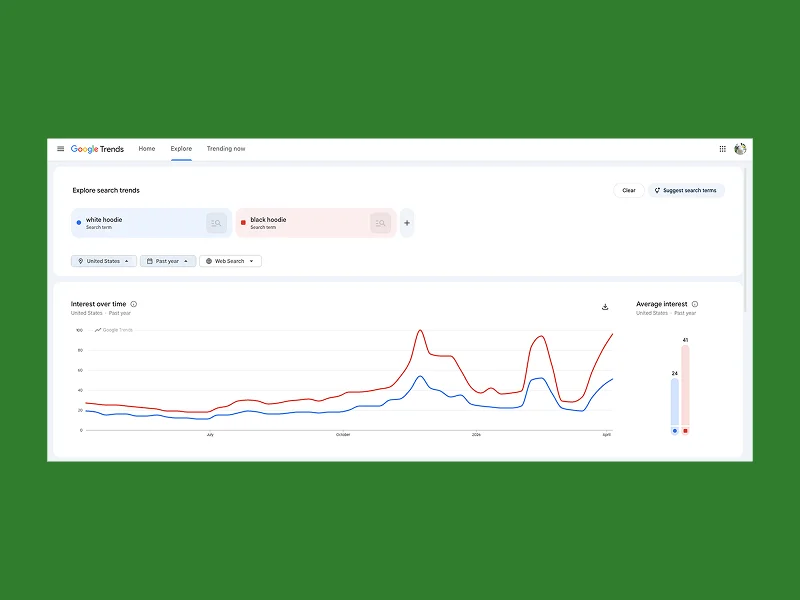
Google Trends and Glimpse can help you see how interest in a product or dropshipping niche changes over time. You can see whether a topic is growing, stable, or declining, helping you avoid short-lived hype and focus on niches with real potential.
Compare multiple ideas to see which one has stronger and more consistent demand over time. Check if interest is rising steadily or only spiking for a short period.
Pros:
- Helps spot rising trends early
- Free tools like Google Trends are easy to use
- Useful for validating long-term interest
Pros:
- Doesn’t show exact sales or profit data
- Limited detail compared to paid tools
- Best when combined with other methods for full validation
15 Best dropshipping niches to start (beginner-friendly)
Here are some of the most profitable dropshipping niches based on demand, product potential, and long-term growth opportunities.
1. Pet supplies
Did you know that around 94 million US households own at least one pet? The global pet accessories market is growing from about $7 billion to over $12 billion by 2033, which means a huge, active customer base with consistent spending.Pet supplies sell well because they combine everyday essentials with lifestyle products. Items like pet tags and food mats cover daily needs, while pet bandanas add a fashion angle that encourages repeat purchases. Pet owners are also willing to spend on premium products, giving you room for healthy profit margins.
Beginners’ tips
Sign up with Printify and add cute designs to best-selling pet products. We handle fulfillment from production to delivery, and you only pay when you make a sale – making it a risk-free way to start selling.
2. Eco-friendly products
Demand for eco-friendly products keeps increasing as more people shop with sustainability in mind. In 2025, 49% of US consumers said they bought a sustainable product in the past month, up from 43% in 2024.
Think custom hoodies made from organic cotton, scented soy candles, or organic canvas tote bags. These products combine practical use with conscious consumption, meaning they’re easier to sell and often support higher price points.
Beginners’ tips
Focus on custom products made from sustainable materials. Adding your own designs to eco-friendly items helps you stand out and appeal to shoppers who value both style and sustainability.
3. Baby and maternity products
Baby and maternity products are a consistently popular dropshipping niche, driven by a steady number of parents looking for convenient, ready-to-use solutions. The baby market is projected to reach around $488 billion by 2034, showing long-term growth and demand.
This niche goes beyond baby clothes and kids’ accessories. Toys are also in high demand, especially those that support development or simplify daily routines. For parents, products that offer comfort and functionality sell well, from custom graphic tees and sweatpants to multifunctional diaper backpacks.
Beginners’ tips
Focus your collection on one category to build a strong brand. Apparel is a safe place to start. As your dropshipping store gains loyal customers, expand into other products. With Print on Demand, you can easily grow without the risk of unsold inventory.
4. Fitness and sports products
The growing interest in wellness creates a huge market for sports products. Custom duffel bags, yoga mats, and tumblers are popular among athletes and everyday fitness enthusiasts. People use these products regularly, making them ideal for repeat purchases and brand-focused collections.
Beginners’ tips
Target a specific fitness community instead of a broad audience. Niches like yoga, running, or home workouts have clearer needs and a stronger identity, making your online store easier to market. Create designs that match their lifestyle and use targeted content or ads to reach customers where they already spend time.
5. Beauty and personal care products
Skincare, hair care, and cosmetics continue to dominate this niche, especially among Gen Z and millennial shoppers. These beauty products attract buyers who pay close attention to sustainability, products with lasting value, and a more natural approach to beauty.
See our guide on starting a skincare line for a successful dropshipping business.
Beginners’ tips
Focus on inclusivity and authenticity in your marketing. Use minimal retouching in product images, be transparent about ingredients, and share the story behind your brand. This builds trust and helps you connect with buyers who value honesty.
6. Home decor
Home decor is one of the best dropshipping niches, projected to reach nearly $1.3 trillion by 2034. It’s a great fit for high-ticket dropshipping, since many items have higher price points and solid profit potential.
Profitable dropshipping products in this niche include decorative accents like custom wall art, scented candles, and throw pillows. At the same time, outdoor living products are becoming more popular, opening up new opportunities for items like patio decor.
Beginners’ tips
People often buy home decor as gifts, so it helps to create collections for moments like housewarmings, holidays, or birthdays. These are easy to market and can drive repeat purchases throughout the year.
7. Clothing and apparel
Clothing and apparel are among the largest and fastest-moving niches, valued at around $1.7 trillion in 2025. Constant shifts in trends, growing demand for sustainable options, and the rise of online and omnichannel shopping keep this market expanding year after year.
It’s also one of the easiest niches to enter with Printify. Access our large Catalog of apparel, all customizable with different design options. You can start for free and launch products quickly without holding inventory or paying subscription fees. Don’t have a store yet? Printify’s Pop-Up Store has you covered.
Beginners’ tips
Curate a themed collection or focus on a specific clothing item, like custom t-shirts or hoodies, to build brand recognition. Once you have a customer base, expand into other apparel categories and grow your store easily with Print on Demand.
8. Health and wellness
Health and wellness show steady demand across supplements, self-care, and lifestyle goods. Products like journals and blankets are just as popular and easy to brand.
Beginners’ tips
Bundle related products to increase order value and encourage repeat purchases. For example, combine a journal, candle, and blanket into a simple self-care set.
9. Gaming accessories
Over 3.3 billion people are actively playing video games worldwide in 2026. That massive audience creates real sales potential in this dropshipping niche.
This is a broad market, so it’s best to specialize. Sell accessories like custom mousepads, target mobile gamers with backpacks and on-the-go gear, or offer gaming-inspired merch with original artwork.
Beginners’ tips
Target gaming communities on platforms like Discord and Reddit to improve targeted marketing and reach the right audience. If you sell products tied to new game releases, use search engine optimization (SEO) to capture early search traffic.
10. Jewelry
Jewelry is one of the best high-ticket dropshipping niches driven by personal use, gifting, and sentimental value. While major companies dominate the premium space, there’s still plenty of room to build a profitable store with the right angle.
This niche gives you flexibility across price points. You can offer higher-end pieces or go with more affordable print-on-demand jewelry to reach a wider audience while maintaining solid margins. It’s also easy to test styles and expand your collection as you grow.
Beginners’ tips
Add personalization to increase perceived value. Names, initials, or meaningful dates make products more thoughtful and help justify higher profit margins.
11. Mobile phone accessories
There are over 8 billion smartphones in use worldwide in 2025. That’s nearly 90% of all cellular devices, creating a massive and consistent market for phone accessories.
These products sell for both protection and style, so offering different materials helps you match buyer preferences. For example, Printify’s tough phone cases use a polycarbonate shell for extra protection, while biodegradable cases appeal to eco-conscious shoppers.
Beginners’ tips
Sell different case types with the same design. This gives customers more choice and increases your chances of making a sale without changing your core design.
12. Home office accessories
Home office accessories are a great dropshipping niche as remote and hybrid work continue to grow. With more digital nomads, there’s steady demand for products that improve comfort and productivity, from mousepads and custom stationery like sticky note cubes to mugs.
Beginners’ tips
Profit from the office supplies niche by offering giftable items that work for both remote workers and corporate buyers. Think onboarding kits or holiday bundles that both audiences would find practical.
13. Kitchen tools
Everyday kitchen tools are a reliable niche to enter the dropshipping market. From cooking at home to hosting guests, there’s a steady need for practical items that make kitchen routines easier and more enjoyable.
Popular products include kitchen towels, cutting boards, andaprons. They’re affordable, functional, and often replaced, which encourages repeat purchases.
Beginners’ tips
Make simple items like towels or aprons more appealing with unique designs, names, or quotes using Printify. Custom kitchen accessories make great gifts and help you stand out with higher perceived value.
14. Car accessories
With a market valued at nearly $280 billion in 2026, car accessories are a promising dropshipping niche.
You can go in different directions with the car accessories niche. Functional products like magnetic phone holders and car floor mats solve everyday problems, while style-focused items like custom license plate frames and car magnets appeal to drivers who want to personalize their vehicles.
Beginners’ tips
You don’t need automotive knowledge to enter the car accessories market. Stick to simple, high-demand items that are easy to use for most vehicles. Marketplaces like Amazon and eBay are great places to get ideas on what to sell.
15. Hobbies
HYROX, reading, and pickleball are some of the most popular hobbies in 2026, so selling items related to them is a smart move. You can target a broad audience or build a niche store around a specific hobby.
Beginners’ tips
Check demand first, especially for very niche hobbies. Make sure there’s real interest and sales potential before building your store.
5 High-risk dropshipping niches to avoid
Some dropshipping niches come with higher risks, from returns and shipping issues to quality control problems. Here are the dropshipping niches you may want to avoid, especially when just starting out.
1. Furniture
Large furniture items may seem profitable, but they come with higher shipping costs, complex packaging, and a greater risk of returns. Their size and weight also increase the chances of damage in transit, which can lead to refunds, replacements, and customer complaints.
Better alternatives: Home decor, office accessories, wall art
2. Fragile products
Shipping delicate products like glass decor, watches, wine glasses, and electronics can be risky. These items are more likely to break in transit, especially with longer shipping times – raising the chances of order issues.
Better alternatives: Canvas prints, textiles, phone accessories, kitchen tools
3. Ingestible products
Nutritional supplements and nutricosmetics can be profitable, but they come with stricter regulations, labeling requirements, and quality expectations. For beginners, this adds complexity and increases the risk of compliance issues or customer concerns.
Better alternatives: Fitness accessories, wellness journals, drinkware
4. Branded or copyrighted products
Selling products with logos, characters, or designs owned by other brands can lead to serious copyright issues. Major companies actively protect their intellectual property, and violations can result in takedowns, account bans, or legal action.
Better alternatives: Original artwork, custom apparel, niche-themed designs
5. Highly saturated broad niches
Broad niches with heavy competition can be hard to break into. Large sellers dominate search results, making it difficult to stand out or maintain healthy profit margins.
Better alternatives: Low-competition dropshipping niches, targeted niche stores, interest-based products
How to choose the right dropshipping niche
Choosing the right dropshipping niche is key to building a profitable store. Instead of chasing trends, focus on demand, competition, and how well a niche fits your overall business strategy.
Follow these steps to start strong.
Research potential traffic sources
Start by understanding how people will find your products. Look at search volumes using tools like Google Keyword Planner, explore social media platforms, and check online marketplaces.
Strong traffic sources help you stay focused and get better results. They also prevent you from investing in dropshipping platforms that your target audience doesn’t use.
Analyze competitors
Study existing sellers in your niche to see what works. Look at their product range, pricing, branding, and customer reviews. If major companies dominate search results, it may be harder to compete. Instead, look for gaps you can fill or opportunities to position your store differently.
Define your unique selling proposition
Your unique selling point sets your store apart. This could be your design style, product quality, niche audience, or brand message. For example, instead of selling generic phone cases, you could focus on eco-friendly designs for outdoor enthusiasts.
A clear USP helps you build brand recognition and create a niche store that speaks directly to a specific group of customers.
Check product potential and margins
Assess product quality, pricing, and shipping costs to make sure you can maintain healthy profit margins. The most profitable dropshipping products are those that balance demand, cost, and perceived value while supporting long-term growth.
Test before you commit
Before fully committing to a niche, test a few products first. Launch a small selection, run simple campaigns, and see what gets traction. This approach helps you reduce risk, refine your niche, and move closer to long-term dropshipping business success.
Dropshipping tips for online merchants
Success in dropshipping comes down to smart decisions and consistent execution. These tips will help you build a stronger foundation and improve your results over time.
1. Define your target audience
Knowing your ideal customer shapes everything, from product selection to marketing. Use market research to understand their preferences, behavior, and pain points. This helps you create more relevant offers and build a brand that connects with the right audience.
2. Order product samples
Don’t rely only on product descriptions and images. Order samples to check quality, durability, and packaging, ensuring your products meet customer expectations.
3. Price products correctly
Pricing affects buying decisions and profit margins. Make sure your pricing covers costs while staying competitive. You can explore different pricing strategies in our guide to find what works best for your eCommerce store.
4. Build a strong marketing strategy
Dropshipping is competitive, so visibility matters. Use a mix of channels like social media, email, and paid ads to reach your audience. Pair this with SEO by using relevant keywords and optimizing your product pages to drive organic traffic.
5. Provide great customer service
Strong customer service builds trust and encourages repeat purchases. Respond quickly to inquiries and handle issues professionally. Clear communication, fair policies, and a smooth experience can make a big difference in how customers see your brand.
Dropshipping niches: FAQ
Yes, you can make $2,000 a month with dropshipping. Beginners can make around $1,000 to $2,000 in monthly profit once their store gains traction.
Your results will depend on your experience, chosen dropshipping niche, the products you sell, and your marketing strategy. Selling in the most popular dropshipping niches can help with demand, but competition is usually higher – so finding the right balance is key.
Some of the top dropshipping niches include pet supplies, eco-friendly products, baby and maternity items, fitness gear, beauty products, home decor, clothing, health and wellness, gaming accessories, and phone accessories.
These niches stand out because they have steady demand, repeat purchase potential, and room for branding when paired with Printify. Read more about Print on Demand vs dropshipping.
Start with market research. Look for products with steady demand, manageable competition, and a clear target audience. Use tools like Google Trends, keyword research tools, and online marketplaces to spot opportunities. Then, narrow your focus to a specific niche instead of going too broad. Analyze competitors, identify gaps, and test a few products before committing.
There are many high-ticket products you can dropship, like jewelry and home decor, but the most profitable ones usually share a few traits – steady demand, good profit margins, and strong branding potential. Products that encourage repeat purchases or solve a clear problem tend to perform best.
Instead of chasing one product, focus on a dropshipping niche with consistent demand and test different products to see what works for your store.
No, dropshipping isn’t 100% profitable. Like any business, it comes with risks such as low profit margins, shipping delays, quality issues, and market saturation. However, with careful research, the right business model, and solid execution, you can build a profitable store.
Final thoughts
Choosing the right niche is the foundation of any successful dropshipping business. The most profitable niches combine steady demand, clear positioning, and room to stand out. Instead of chasing trends, focus on finding the right niche that fits your audience and long-term goals.When you’re ready, explore dropshipping business ideas and start building your store with Printify. Create and launch custom products with no upfront risk while we handle fulfillment.
The post 15 dropshipping niches to try and 5 to avoid appeared first on Printify.
