

Start a custom printing business with Printify
Starting an online business used to mean buying inventory, paying upfront fees, and hoping products would sell. Dropshipping changed that. With the right free tools and reliable suppliers, you can launch an online store and start selling without spending a fortune upfront.
In this guide, you’ll learn how to start dropshipping for free step by step, from finding products and choosing a profitable niche to creating your store and getting your first sale.
We’ll also explore Print on Demand – a much more profitable (but still free) alternative to dropshipping.
This post may contain affiliate links, which means we may earn a commission if you make a purchase through those links. This comes at no additional cost to you.
Not necessarily. The dropshipping business model lets you sell products without buying inventory upfront. Instead, a third-party supplier stores, packs, and ships customer orders for you.
This keeps upfront costs low since there’s no need to pay for warehousing or bulk inventory. Many beginners start dropshipping for free by using no-cost tools and online store platforms, as well as organic traffic strategies.
That said, some costs may come up later depending on your marketing efforts, branding, or store setup. See our guide on how much it costs to start dropshipping for a full breakdown.
Absolutely. Start a dropshipping business with no money, then expand as you grow. The important thing is to be strategic about using the right platforms and tools.
If you want to know how to start dropshipping for free and actually grow it into a profitable dropshipping business, begin by making the most of these free resources.
Wondering how to get into dropshipping or start without a big budget?
From identifying your target audience to choosing the right marketing methods, we’ll cover everything you need to know to start dropshipping successfully without breaking the bank.
Picking the right niche is where everything begins. A niche is a specific group of people who share the same interests, problems, or passions. When you speak directly to that group, your chances of building a successful business go way up.
The easiest way in? Start with what you already know. Into cooking? Sell kitchen gadgets or recipe accessories. Love gaming, fitness, travel, or astrology? Those can all become profitable dropshipping niches with the right product research and branding.
Focus on a clear target audience. It’s much easier to build a successful online business when you understand what your customers actually want.

Keep up with industry trends to make data-driven decisions that set your dropshipping business up for success.
Use free online services like Semrush or Google’s Keyword Planner to find relevant keywords in your niche. Get valuable insights on search volume, pricing, demand, and trending topics.
Keyword research also helps you understand what people are actively searching for before you start selling. For example, if you’re exploring the pet supplies niche, you might notice growing demand for products like slow feeders, calming pet beds, or travel accessories for dogs.
Insights like these can help you choose products with stronger sales potential instead of relying on guesswork.
Before launching your dropshipping store, research competitors in your niche to see what’s working and where there’s room to improve. Strong competitor analysis can help you spot product gaps, pricing opportunities, and ways to stand out.
Look at their product selection, shipping times, branding, and customer experience. Check whether they use trusted suppliers, how active they are on social media, and how well they rank in search results.
If possible, place a test order to evaluate product quality, packaging, and reliable fulfillment firsthand.
The goal is to find ways to create a better customer experience, not copy other sellers.
If you want your dropshipping store to be profitable, you need to do proper product research.
Look for products with strong demand, good reviews, healthy profit margins, and reliable shipping times. Use marketplaces, social media, and Google Trends to spot trending products and growing niches.
Pay attention to pricing, customer feedback, and what other sellers are doing well. The sweet spot is finding products popular enough to sell but not so saturated that every store looks the same.
Then, use what you learn to price products competitively while still leaving room for profit. See our product pricing guide for tips and best practices.

Social media is one of the easiest ways to research a profitable niche and spot product opportunities for free. Browse TikTok, Instagram, Reddit, and Facebook groups to see what your target audience is talking about, asking for, and sharing.
Pay attention to trending discussions, viral posts, and products getting strong engagement since these often signal growing market demand.
This kind of free market research can help you find winning dropshipping products, understand customer interests, and create listings that attract high-intent buyers.
Your supplier can make or break your dropshipping business, so take time to choose carefully. Look for trusted dropshipping suppliers with good reviews, reliable fulfillment, transparent policies, and consistent product quality.
Many beginners start with free dropshipping suppliers or platforms that don’t have monthly fees or require you to buy inventory. Instead of charging upfront costs, these suppliers only charge when a customer places an order.
Before committing, review shipping times, return policies, product quality, and communication standards. If possible, order samples yourself to evaluate the customer experience firsthand.
Check out our guide to the best dropshipping websites to compare suppliers and platforms for your niche. If you’re interested in apparel, we also rounded up the best t-shirt dropshipping companies to help you get started.
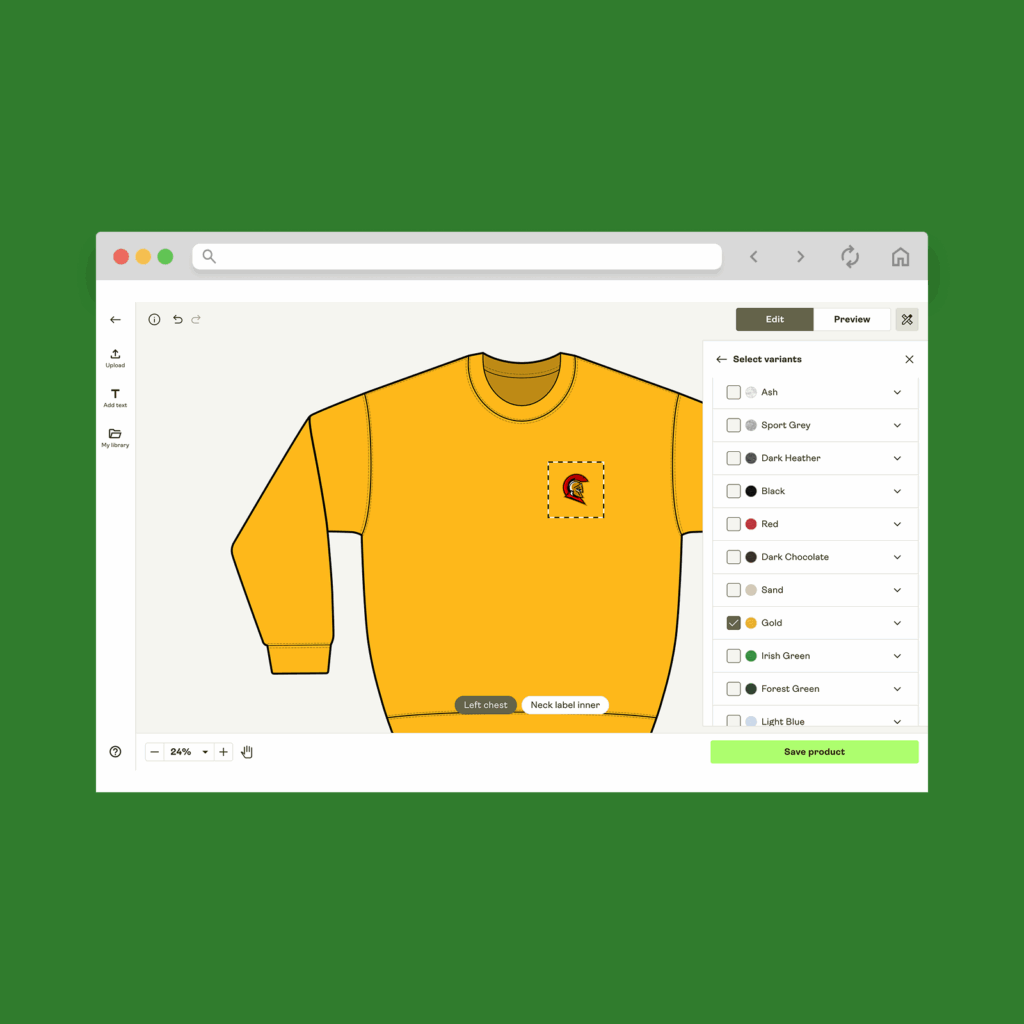
Good design can help your products stand out in a crowded market. You don’t need expensive software to get started, either. Free tools like GIMP and Canva are beginner-friendly, while Adobe Creative Cloud offers more advanced features for experienced designers.
Keep your target audience in mind when creating designs. Focus on clean visuals, readable text, and styles that fit your niche instead of trying to follow every trend. It’s also important to use high-resolution files and avoid copyrighted artwork or logos you don’t have permission to sell.
The best platform for your online store depends on your budget, goals, and how much control you want over your business. Here’s a quick look at some of the most popular options for starting a dropshipping store.
| Features | Costs | |
|---|---|---|
| TikTok Shop US | -Around 1.99 billion users in the US -Built-in affiliate marketing -Free analytics tools |
Free to set up, but charges 6%-8% transaction fees. |
| eBay | -Around 136 million active buyers worldwide -Easy setup -Auction-style and fixed-price listings |
Free to start, 250 listings per month without insertion fees.
Charges 5%-15% final value fees plus $0.30 per order. |
| Etsy | –86.5 million active buyers -Bulk listing tools -Built-in marketing tools |
$0.20 listing fee (renews every four months) and 6.5% transaction fee of the total order amount.
Optional $15/month if using Etsy Pattern. |
| Shopify | –6.81 million active stores globally -App store offering free and premium themes and apps -Multichannel sales |
3-day free trial and $1 for the first month. The Starter subscription plan is $5/month. |
If you’re running a stand-alone store, optimizing your shop to drive more checkouts is crucial.
Here are some ways to turn more browsers into buyers:

You don’t need a huge budget or advanced marketing skills to start attracting potential customers. Many successful eCommerce businesses grow through organic traffic, consistent content, and strong branding.
Here are some free marketing strategies to try:

One of the biggest advantages of the dropshipping business model is that suppliers handle inventory management, packing, and shipping for you. Still, it’s important to keep your operations organized as customer orders start coming in.
Use automation tools and order tracking platforms like Track123 to monitor shipments, send delivery updates, and improve the customer experience in your dropshipping store. Staying on top of order status, shipping times, and customer support can help reduce complaints and increase customer satisfaction as your online business grows.
Excellent customer service helps build a loyal customer base, improve customer satisfaction, and set you apart from competitors.
Here’s how to ensure customer satisfaction that will encourage repeat business:
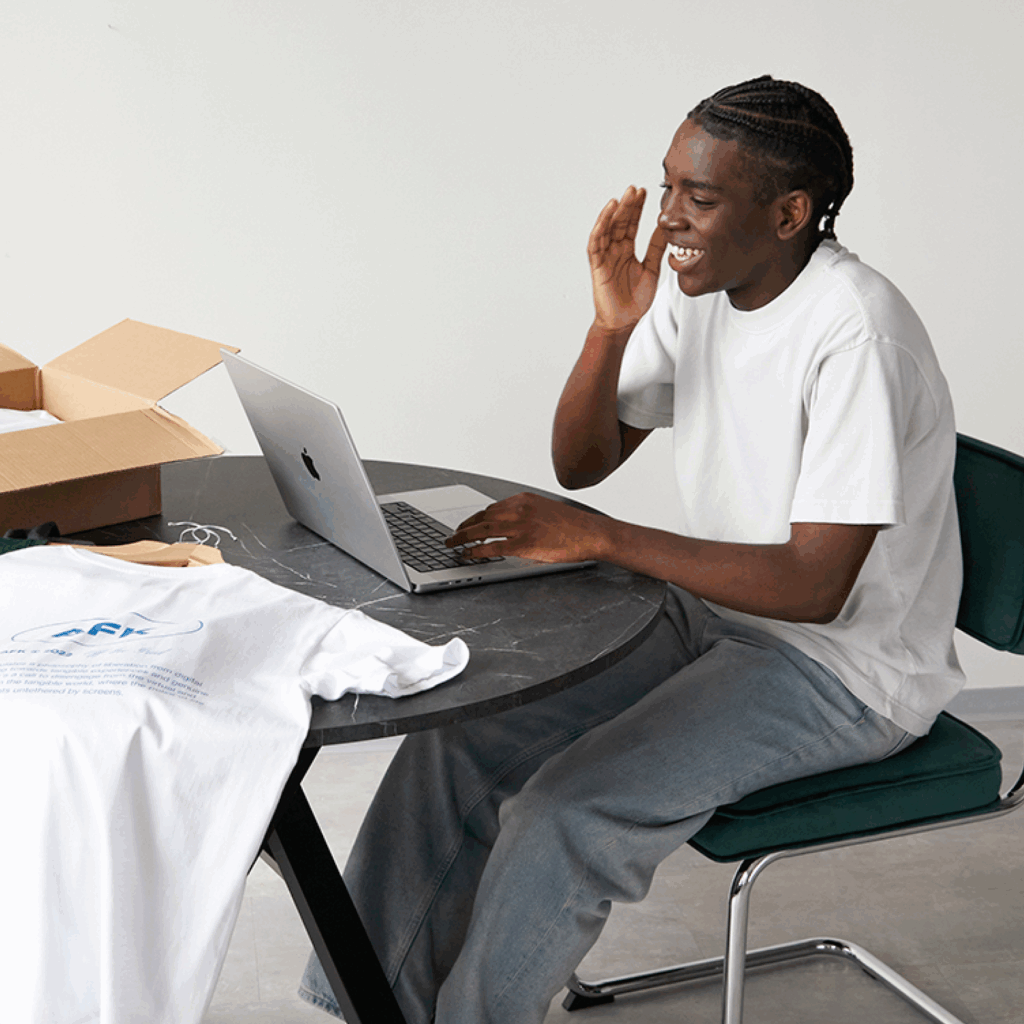
While traditional dropshipping usually involves selling generic products from third-party suppliers, Print on Demand lets you create and sell custom products with your own designs. This profitable business model gives you more control over branding, customer experience, and product selection without dealing with inventory.
Printify lets you start a print-on-demand business with minimal upfront investment. The platform is 100% free to use, offers 1,300+ custom products, and connects you with a global network of Print Providers for reliable fulfillment and fast shipping.
There are also no minimum order requirements, so you don’t need to buy products in bulk or pay for anything before making a sale.
Here’s how easy it is to start selling with Printify:
Yes, it’s possible to start dropshipping for free by using a free platform, free suppliers, and organic marketing strategies. Since the dropshipping business model doesn’t require inventory upfront, you can launch an online store without a significant investment and grow over time as sales come in.
Yes, but it takes time, consistency, and the right strategy. Building a profitable dropshipping business that earns $10,000 per month depends on strong product research, reliable suppliers, competitive pricing, and good customer service.
To grow faster, focus on organic traffic, optimize your store for sales, and use automation tools to manage orders and marketing more efficiently.
Yes, you can keep costs low by relying on free tools in the beginning. Many new sellers use eCommerce website builders’ free trials to create their own store, partner with suppliers that don’t require upfront investment, and promote products through social media.
That said, growing your business may eventually cost money, especially if you invest in ads, premium tools, or branding later on.
Not entirely. Shopify isn’t free, but it’s affordable to start. The platform offers a 3-day free trial, and you pay just $1/month for the first three months. After that, subscription plans start at $25/month.
If you want a full walkthrough on how to create your own website, check out our Shopify dropshipping guide.
How quickly a business owner starts making money from their dropshipping store depends on the time and effort they put into finding the right niche, products, dropshipping suppliers, store platform, and marketing strategies. Ultimately, it all comes down to staying consistent.
Learning how to start dropshipping for free is easier than ever, thanks to free tools, low upfront costs, and flexible selling platforms. The key to maximizing profit margins is choosing the right niche, finding reliable suppliers, and staying consistent as your dropshipping business grows.
If you want more control over your branding and products, consider trying Print on Demand instead. Sign up with Printify to create and sell custom products with no inventory, no minimum order requirements, and no upfront investment.
The post How to start dropshipping for free appeared first on Printify.





