

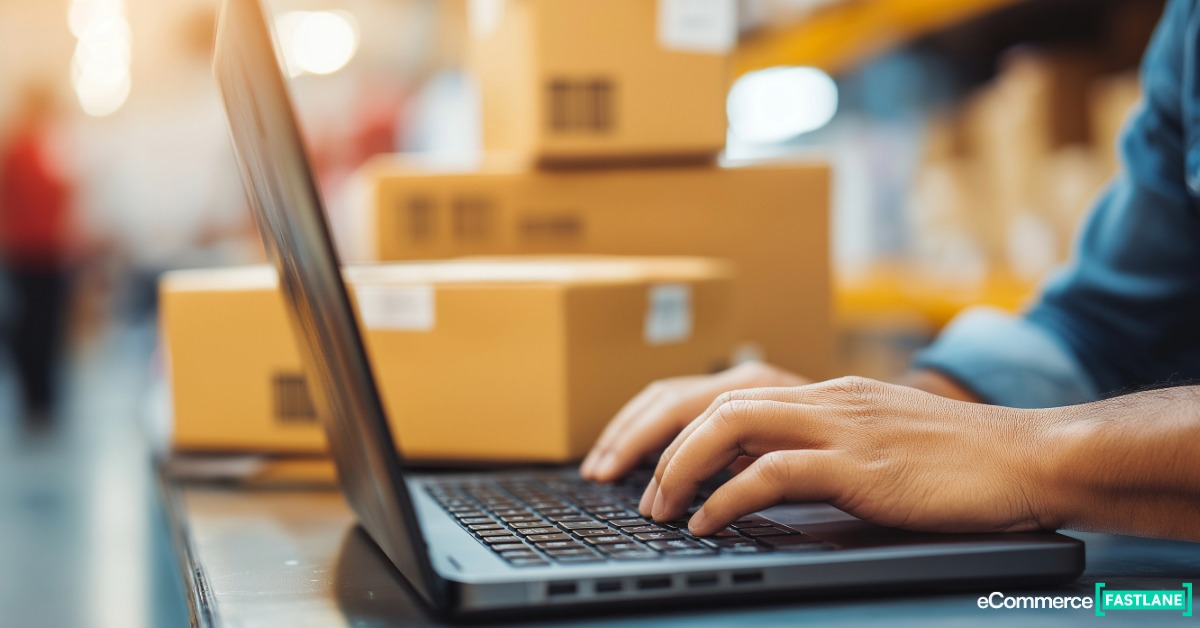
Ecommerce 3PL fulfillment helps online brands lower logistics costs, increase accuracy, and scale faster by outsourcing warehousing, inventory, and shipping to specialized providers instead of trying to manage everything in-house.
The real value of ecommerce 3PL fulfillment is not just cheaper storage or faster shipping, it is turning logistics from a daily firefight into a scalable system that supports growth instead of blocking it.
The rapid growth of online retail has transformed the way businesses manage inventory, process orders, and deliver products to customers. As ecommerce continues to expand across global markets, companies face increasing pressure to provide faster shipping, maintain accurate inventory levels, and control operational expenses. Meeting these demands can be challenging, especially for businesses attempting to handle logistics entirely in-house.
This is where third-party logistics (3PL) fulfillment has become an essential component of modern ecommerce operations. By outsourcing warehousing, inventory management, order processing, and shipping functions to specialized logistics providers, businesses can focus on growth while improving efficiency throughout the supply chain. Professional logistics support can streamline fulfillment operations, improve efficiency, and enhance customer satisfaction.
Effective ecommerce 3PL fulfillment is not simply about moving products from one location to another. It is about creating a system that reduces costs, improves operational performance, and supports long-term scalability. Understanding how 3PL fulfillment achieves these goals can help ecommerce businesses make informed decisions as they expand.
Ecommerce fulfillment has become significantly more complex than it was a decade ago. Customers now expect rapid delivery, real-time tracking, easy returns, and accurate order fulfillment regardless of their location. At the same time, businesses often sell across multiple channels, including online stores, marketplaces, and social commerce platforms.
Managing these requirements internally can create operational bottlenecks. Warehousing costs increase as inventory grows, labor expenses rise during peak seasons, and shipping coordination becomes more demanding. Small inefficiencies in any stage of fulfillment can lead to delayed orders, inventory discrepancies, and dissatisfied customers.
Third-party logistics providers specialize in addressing these challenges through established infrastructure, advanced technology, and optimized operational processes. By leveraging these resources, ecommerce businesses can improve service quality while maintaining greater cost control.
One of the primary reasons ecommerce companies adopt 3PL fulfillment services is cost reduction. Building and maintaining a logistics network requires significant investments in warehouse space, equipment, software, and staffing.
When businesses manage fulfillment internally, they bear all fixed operational costs regardless of seasonal demand fluctuations. During slower periods, warehouse capacity may remain underutilized while expenses continue.
A 3PL provider distributes these costs across multiple clients, allowing businesses to access professional logistics infrastructure without major capital investments. This shared-resource model often results in lower warehousing and operational expenses.
Shipping costs can also be reduced through 3PL partnerships. Many fulfillment providers negotiate volume-based carrier discounts due to their large shipping volumes. These savings can be passed on to ecommerce businesses, reducing per-order transportation expenses.
Additionally, outsourcing fulfillment minimizes the need for hiring, training, and managing warehouse staff, which can further reduce overhead costs.
Inventory accuracy plays a critical role in ecommerce success. Stock discrepancies can lead to overselling, stockouts, delayed shipments, and customer frustration.
Modern 3PL providers utilize warehouse management systems (WMS) that provide real-time inventory visibility. These systems track product movement throughout the fulfillment process, helping businesses maintain accurate stock levels.
By integrating inventory data with ecommerce platforms, businesses gain better insight into product availability across multiple sales channels. This visibility supports improved forecasting and purchasing decisions.
Companies that partner with providers such as Vertex Logical Solutions often emphasize the importance of technology-driven inventory management because accurate inventory data directly impacts operational efficiency and customer satisfaction.
Accurate inventory tracking also reduces carrying costs by preventing excess stock accumulation and minimizing obsolete inventory.
Customer expectations regarding delivery speed continue to rise. Research consistently shows that delivery speed influences purchasing decisions and customer loyalty.
Efficient 3PL fulfillment centers are designed to process orders quickly through streamlined workflows, automation technologies, and optimized warehouse layouts. Orders are picked, packed, and shipped with greater speed and accuracy than many businesses can achieve independently.
Strategically located fulfillment centers further enhance delivery performance by positioning inventory closer to end customers. Shorter shipping distances reduce transit times and may lower transportation costs.
Fast and reliable fulfillment contributes to positive customer experiences, encouraging repeat purchases and strengthening brand reputation.
In competitive ecommerce markets, the ability to consistently deliver products quickly can become a significant differentiator.
Technology has become one of the most valuable advantages offered by modern 3PL providers. Advanced logistics systems provide businesses with greater visibility, automation, and control over fulfillment operations.
Many providers offer integrations with ecommerce platforms, enterprise resource planning systems, marketplaces, and shipping carriers. These connections allow data to flow automatically between systems, reducing manual tasks and minimizing errors.
For example, when a customer places an order online, the information can be transmitted directly to the fulfillment center. Inventory updates, tracking numbers, and shipping confirmations are then synchronized automatically.
Organizations increasingly recognize the importance of technology-enabled fulfillment solutions in managing complex ecommerce operations.
Automation not only improves accuracy but also allows businesses to handle larger order volumes without proportionally increasing labor requirements.
One of the most significant challenges faced by growing ecommerce companies is scaling operations efficiently. As order volumes increase, fulfillment demands can quickly exceed internal capabilities.
Expanding warehouse space, hiring additional staff, and investing in new technology require substantial resources and planning. These investments may also become underutilized if demand fluctuates.
A 3PL fulfillment model provides flexibility that supports growth without requiring major infrastructure investments. Businesses can increase or decrease storage space and fulfillment capacity based on current needs.
This scalability is especially valuable during seasonal sales periods, promotional events, and rapid growth phases. Instead of scrambling to expand logistics operations, businesses can rely on existing fulfillment networks to accommodate changing demand.
As ecommerce markets continue to evolve, scalable logistics solutions become increasingly important for sustainable growth.
Product returns are a standard part of ecommerce operations. While returns can create logistical challenges, effective management is essential for maintaining customer satisfaction.
Reverse logistics involves receiving returned products, inspecting their condition, updating inventory records, and processing refunds or exchanges. Managing these activities internally can consume significant time and resources.
Many 3PL providers offer dedicated returns management services that streamline the process. Standardized procedures improve efficiency while reducing administrative burdens.
Well-managed returns systems also provide valuable insights into product performance, customer preferences, and quality control issues.
By incorporating reverse logistics into broader fulfillment operations, businesses can improve both customer experience and operational efficiency.
Supply chain disruptions, shipping delays, labor shortages, and inventory challenges can create significant operational risks. Businesses without specialized logistics expertise may struggle to respond effectively when disruptions occur.
Experienced 3PL providers bring industry knowledge, established carrier relationships, and contingency planning capabilities that help mitigate these risks.
Their expertise allows businesses to adapt more quickly to changing market conditions while maintaining service continuity. This support becomes particularly valuable during peak shopping seasons, economic fluctuations, or unexpected supply chain disruptions.
Organizations evaluating logistics strategies often consider specialized fulfillment expertise because it can strengthen operational resilience and improve long-term performance.
Risk reduction is not always immediately visible, but it can significantly impact profitability and customer retention over time.
Modern fulfillment generates substantial amounts of operational data. Order volumes, shipping performance, inventory turnover, and return rates all provide insights that can improve business decisions.
Many 3PL providers offer reporting and analytics tools that help businesses monitor key performance indicators. These insights support better forecasting, inventory planning, and process optimization.
Data-driven decision making allows ecommerce companies to identify inefficiencies, improve resource allocation, and enhance customer service.
Access to accurate logistics data becomes increasingly important as businesses grow and supply chains become more complex.
Rather than relying on assumptions, companies can make informed decisions based on measurable operational performance.
The future of ecommerce fulfillment will likely be shaped by continued advances in automation, artificial intelligence, robotics, and predictive analytics. Customer expectations for speed, convenience, and transparency will continue to influence logistics strategies.
At the same time, businesses will face growing pressure to balance operational efficiency with sustainability goals. Fulfillment providers are increasingly exploring environmentally responsible packaging, optimized transportation routes, and energy-efficient warehouse operations.
As technology evolves, the partnership between ecommerce businesses and logistics providers will become even more integrated. Real-time visibility, predictive inventory management, and automated fulfillment processes will play larger roles in supply chain performance.
Businesses that embrace these developments will be better positioned to compete in an increasingly demanding ecommerce environment.
Ecommerce 3PL fulfillment has evolved into a strategic business function that extends far beyond basic warehousing and shipping. By reducing operational costs, improving inventory accuracy, accelerating order processing, and providing scalable infrastructure, third-party logistics providers help businesses operate more efficiently and serve customers more effectively.
The growing complexity of ecommerce makes professional fulfillment support increasingly valuable. Through advanced technology, logistics expertise, and optimized operational processes, providers enable businesses to focus on product development, marketing, and customer engagement rather than day-to-day fulfillment challenges.
Whether evaluating current logistics operations or planning for future growth, understanding the role of ecommerce 3PL fulfillment is essential. Effective fulfillment strategies can contribute significantly to efficiency, cost control, and long-term business success in the competitive world of ecommerce.
The right time to move to a 3PL is usually when order volumes, complexity, or service expectations start to outgrow what your in-house setup can reliably handle.
Common signals include rising error rates, frequent shipping delays, warehouse space pressure, and leadership spending an increasing share of time on logistics fires instead of growth initiatives.
If you see seasonality pushing your team to its limits several times per year, or you are considering major warehouse investments, it is a good moment to compare those costs with a 3PL option.
Brands that switch before logistics becomes a full-blown crisis usually experience smoother transitions and can design a more intentional partnership instead of reacting under pressure.
A 3PL improves shipping speed primarily by operating from strategically located warehouses and by running highly optimized picking and packing processes.
By placing inventory closer to major customer regions, they shorten average transit distances, which allows more orders to qualify for faster services at reasonable price points.
Because they aggregate volume from many brands, they can often negotiate better carrier rates than individual merchants, and those savings can offset the cost of faster shipping methods.
Internally, their use of automation, standardized workflows, and trained staff reduces processing time per order, which keeps labor costs efficient even at higher speeds.
When evaluating a 3PL, start with fit: experience in your product category, familiarity with your order profiles, and ability to support your main sales channels and geographies.
Assess their technology stack and integrations, including how well they connect to your ecommerce platform, inventory systems, and carriers, because those links will shape your daily operations.
Visit facilities or request detailed walkthroughs to understand their processes for receiving, picking, packing, and handling exceptions like damaged goods or returns.
Finally, look at their reporting, SLAs, and references from similar brands so you have a realistic sense of their performance, responsiveness, and cultural fit with your team.
Outsourcing fulfillment can significantly improve customer experience if the 3PL delivers faster, more reliable shipping and cleaner communication than you can achieve in-house.
Customers do not see your internal setup; they experience on-time deliveries, accurate orders, and clear tracking updates, all of which a good 3PL can help you provide consistently.
However, a poor-fit partner can introduce new problems like mis-picks, delays, or communication gaps, so the selection process and ongoing performance monitoring are critical.
Done well, outsourcing frees your team to focus on better products, storytelling, and service, which layers on top of logistics improvements to create a stronger overall experience.
Using a 3PL does mean handing off some direct control of day-to-day warehouse operations, but it does not have to reduce your strategic flexibility if the partnership is structured well.
You still control inventory decisions, service levels, packaging standards, and policies; the 3PL executes within those parameters and provides data so you can adjust over time.
In many cases, having a 3PL actually increases flexibility because you can scale space and labor up or down without renegotiating leases or hiring and training new teams.
The key is to establish clear expectations, communication channels, and KPIs so you maintain visibility and influence even though you are not managing the warehouse directly.
Many 3PLs are set up to support multi-channel fulfillment by integrating with multiple platforms and routing orders through a single inventory pool.
They can receive orders from your DTC site, marketplaces, and even B2B portals, then apply channel-specific packing, labeling, or documentation requirements as needed.
This centralization reduces the complexity of managing separate inventories and workflows for each channel, which lowers error risk and simplifies reporting.
When evaluating providers, confirm that they have proven experience with the specific channels and compliance requirements that matter most to your business.
The impact of a 3PL on your margins depends on your current cost structure, but many brands find that the combination of lower shipping costs, fewer errors, and variable rather than fixed warehouse costs improves overall unit economics.
You will likely pay a per-order or per-unit fee for fulfillment, but you avoid capital expenditures on space and equipment and reduce the need for a large in-house operations team.
Better inventory accuracy and faster processing can also reduce lost orders, avoid rush shipping to correct mistakes, and improve repeat purchase rates, all of which support healthier margins.
To understand the impact for your brand, map your current fully loaded logistics costs and compare them carefully against detailed quotes from potential 3PL partners.





