


Every online store owner wants to earn more revenue. And, there are so many sales and marketing tactics that claim to help, it’s impossible to know which to implement and which to ignore. One tool that delivers consistent profit increases is Shopify live chat. So, if you want to leverage the benefits, where should you start?
Here, we will explore:
By the time you’re done reading, you should understand how you can drive more online sales by fully-leveraging the features live chat has to offer Shopify store owners. Read on to learn actionable tactics to add to your strategy.
You know that live chat can be a powerful eCommerce conversion tool, but you’re probably unclear about the specific tactics you can use to scale and grow. Let’s look at the obvious and not-so-apparent benefits of adding live chat to your Shopify operations.
One of the most obvious benefits of live chat is that it makes your customers happy. In fact, it has the highest satisfaction level of any communication channel, leaving 73-81% of consumers delighted. In case that’s not enough, here’s what else live chat can do for your store.
*Note: not all live chat platforms for Shopify have the same features. To automate, streamline, and integrate, make sure the platform you choose is robust enough to handle your needs.
With the right setup, you can leverage every advantage above. Plus, many live chat users experience unique and surprising perks to help power their Shopify operations.
Campus Protein is a supplement brand that specifically serves college students with their product offering.
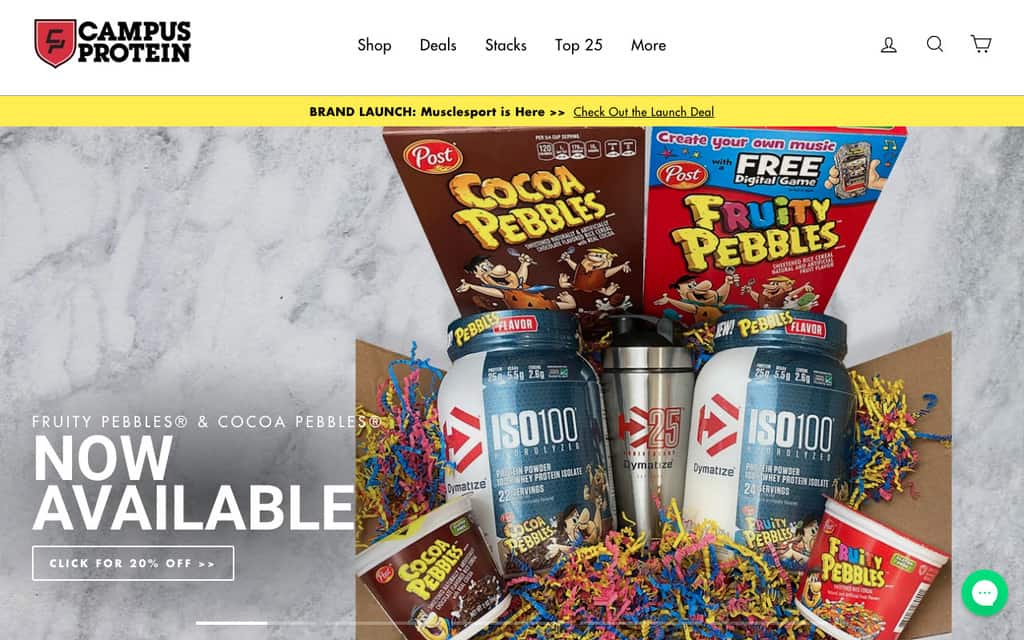
The company was launched from a dorm room in 2010 and has grown to become a multi-million dollar business. A key element in their growth strategy was live chat. And, here’s how they leveraged the features to reach their revenue goals through Shopify sales.
Here, you’ll discover how they scaled their Shopify business to where it is today with the help of live chat. Their intelligent use of the tool can inspire you to step your game up a notch or two and lead to increased revenue.
In Campus Protein’s case, representatives build brand awareness offline and send students to order on the company’s Shopify website. Since customers interact with reps in person, their expectations of personalization may be higher than your typical online shopper.
But, the more personalized you can be, the better. Actually, 74% of online shoppers become frustrated when website content is not personalized. Don’t do this to your customers. Instead, find out how Campus Protein targeted their message for each website visitor.
The core feature that the brand used to keep their communications honed for each website visitor was the ability to see who they were talking to across all channels. The customer support team knew whether they were talking to an existing customer or a new one via their live chat dashboard where all previous communications were stored.
When you use your live chat dashboard as a customer relationship management tool, you nurture a meaningful relationship with your shoppers. So, store your customer data, keep record of all communications, and take notes.
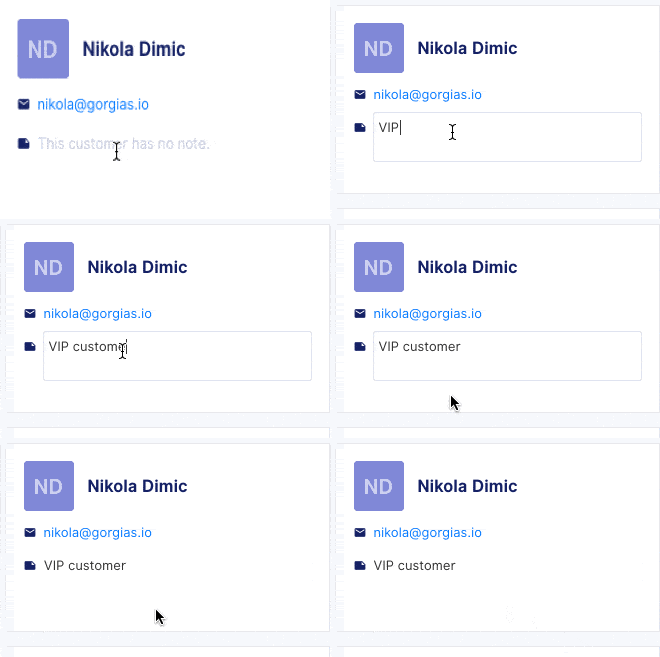
It should be best practice amongst your support team to take notes about important conversation highlights and key tidbits. Talk to your support team about keeping record of the following.
Customer notes can be the lifeblood of a personalization strategy. So, get your support agents on the note-taking train and make sure your live chat platform can handle it. This is an easy tactic to implement and it can have an immeasurable
And, the personalization wouldn’t have been possible without integration with all customer support channels. If the communication between staff and shoppers would have been disconnected between live chat, email, phone, and social media, the company’s retention never would have been as high.
First, their live chat platform integrated with Shopify. Next, it integrated with all other support channels. So, no matter where online a shopper reached out from, their encounter was the same. The brand experience was unified.
If it hasn’t already, customer experience is about to override price as the most important factor to influence sales. So, if you want the sales, it’s your duty to meet your shoppers where they are.
The obvious aspect of this tip is that your live chat should integrate with your email and your website. You already know you need to keep your brand message consistent. In a nutshell, you shouldn’t let communications become disconnected across various platforms.
Furthermore, you don’t want a social media admin handling the job of a customer service specialist (not unless you implement an all-hands support strategy). A social media administrator is probably thinking about how to generate website traffic. So, leave them to your social pages and profiles to do what they do best.
Give your Facebook, Instagram, and Twitter direct message access to your support team. Then, they can completely streamline your brand message across all channels to provide the highest possible satisfaction.
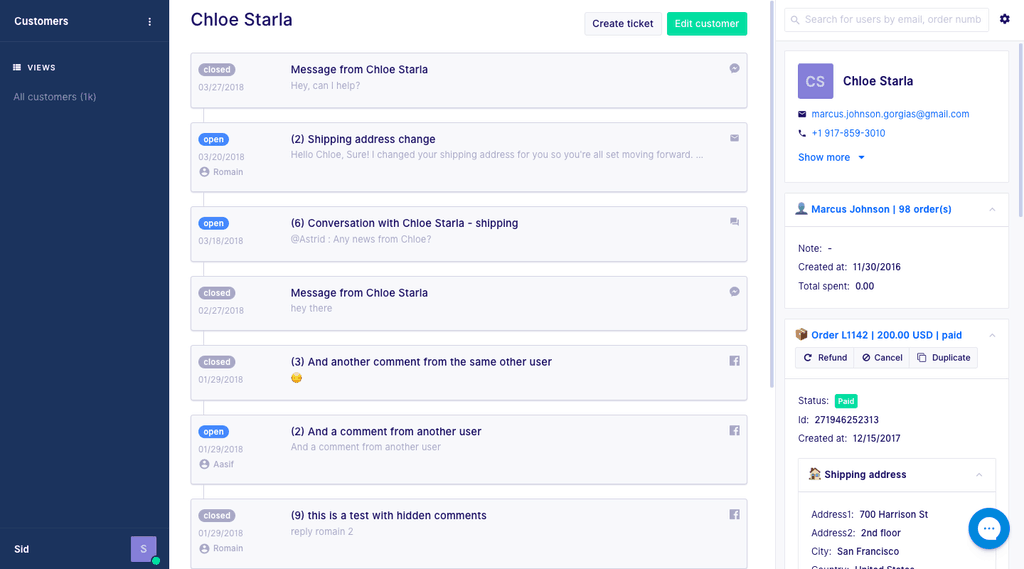
Access all channels from a unified dashboard to save time and money while you charm your shoppers. Avoid platforms without the integration features to enable multi-channel communication to make this part of your job easier and faster.
Campus Protein needed to leverage the most robust features offered so that their small support team could handle their downpour of requests. So, they decided to automate their customer support communications.
When commonly asked questions come in, their live chat platform is powerful enough to answer the bulk of them.

The brand started with basic questions about their operations and added more automation as time went on.
When you’re ready to implement automations, it’s a good idea to start with the basics. Create auto-responder messages/macros in the following categories first:
After you’ve covered questions in the basic categories, start watching which questions come in most often and answer them. This might include queries about specific products, sizing, or comparisons.
The second part of this tactic should be unique to your operations and customer-base. And, as in all aspects of business, keep track of what you’re doing so you can determine what works and what doesn’t.
Automation is helpful, but it’s not perfect. While AI is exceptionally intelligent, it’s still artificial. You will need a backup plan for when your auto-responder replies incorrectly.
So, what happens when a customer is unsatisfied with an automated response? At that point, you should already have collected their email address in case you get connected. Even when you don’t have working support staff 24/7, a ticket is automatically created. Then, your support team can handle requests as soon as they’re available again.
Automations can seem robotic and dry, but not when you do it right. Create auto-responder messages that are truly helpful, conversational, and thorough. This will shave a ton of time off your workload.
Now, here’s where it all came together for Campus Protein. The final tactic that they leveraged with their live chat communications was to put queries into action. For example, when a question came in multiple times, they asked, “What is it about our website that makes the answer to this question hard to find?”
And, when they found the answer, they made changes. Doing this one thing had a tremendous
For example, users used to ask, “How can I track my package?” In response, the brand added a ‘Track Order’ button to their online store’s top menu.

The ability to make informed decisions about website UX was a difficult-to-quantify yet powerful feature that live chat nurtured for the brand.
Pay attention to the questions your site visitors have. You can use frequently asked questions to develop auto-responders and to make more educated changes to your online store. There are several ways you can do this.
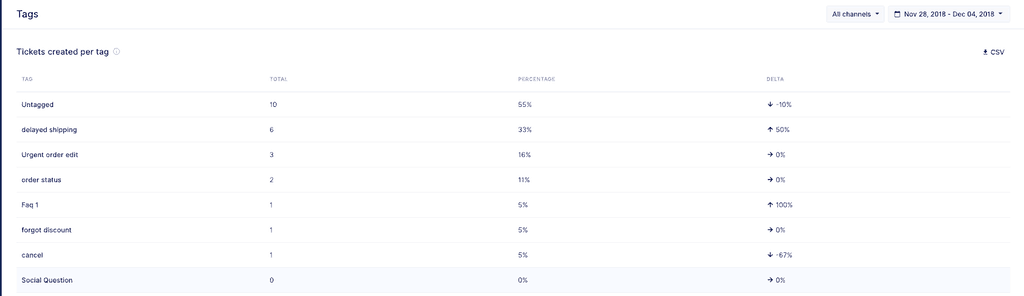
With the help of technology, your teams can split the work in as many ways as they want and create useful tags and reports to help each other across departments.
Meet your customers’ personalization expectations, integrate your live chat communication with other channels, automate, and collect important data. If you apply these live chat tactics to your Shopify operations, you’re sure to see decreased response times and expenses while your business intelligence and your revenue grow. To leverage a full-featured customer support platform, sign up for a Gorgias trial today.

Ashley Kimler is an eCommerce specialist who has been selling online and helping both small businesses and enterprise companies with their online sales marketing for nearly 15 years. Follow @gorgiasio and @ashleykimler on Twitter to read more expert advice.
This article originally appeared in the Gorgias blog and has been published here with permission.





