


Buying and selling products have always been simple. Retailers stock products, a buyer picks it up and pays for their purchase. Over time, open marketplaces turned into shops dotting our streets and sprawling suburban malls. The process was essentially the same: pick a product, pay for it, take it with you. The customer experience was, for all intents and purposes, relatively easy.
Commerce and all players involved have adapted overtime to keep up with demands, technologies, and evolving buyer behaviors. Buying has never felt more democratized and specialized in consumer needs. Now, buying is scattered all over our devices: buying a t-shirt on Instagram, loading up your cart of home goods on a brand’s website, checking out merch listed on your favorite band’s Facebook page or calling up a retailer to place something on hold.
Before planning for the future, do a gut-check on how solid your foundation is. Go back to the beginning and ask a few crucial questions:
Here, we give you a little insight into how solid checkout foundations, customer experience, and automation will help solidify your business’ base to grow for—and with—the future.
At the bare minimum, your ecommerce store needs to provide a way for customers to check out efficiently. The faster the experience, with less friction, the more likely your customers will complete their checkout, and return for a second purchase. Think of a smooth checkout experience as the ultimate goal in commerce.
A smooth checkout experience involves addressing the top reasons why shoppers abandon their carts:
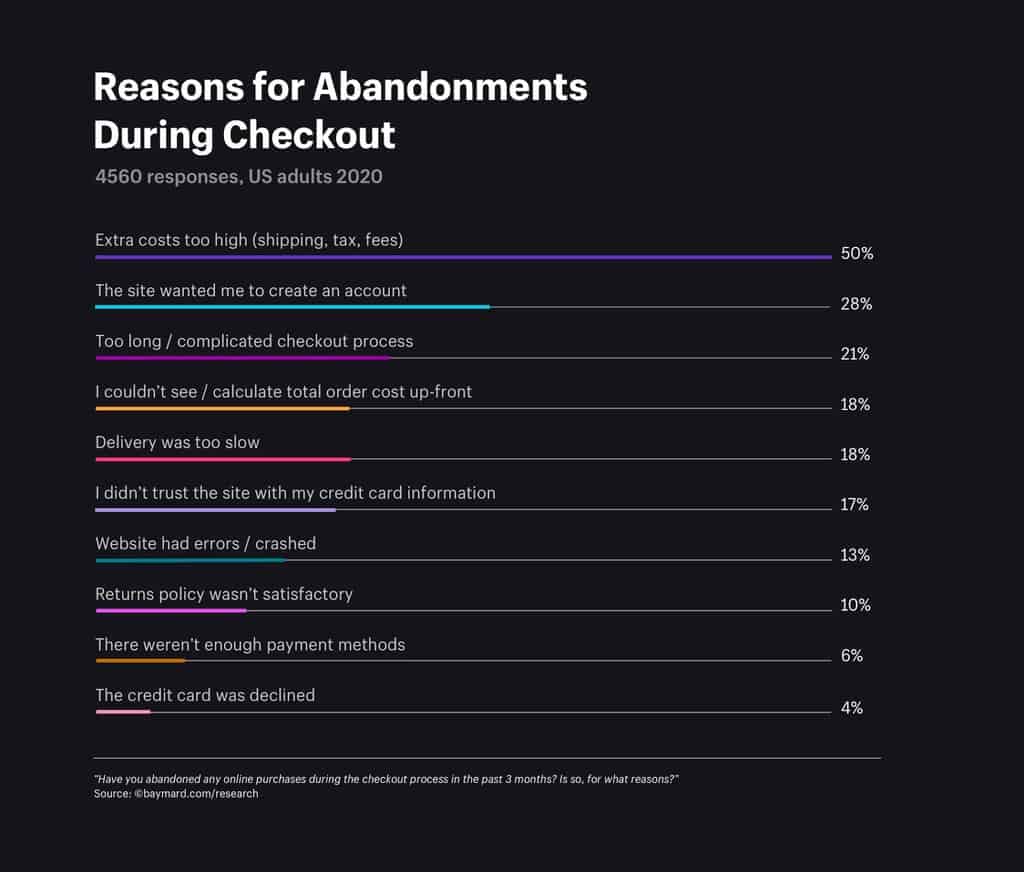
Strategies to address these reasons fall into two key buckets: optimizing for speed and conversion and customizing your checkout experience. With over 1.8 billion orders processed, Shopify Checkout is already optimized for speed, conversion, and customer experience. But here are a few ways to further amplify your checkout experience:
Conversion and speed
Customization
Customer service has never felt more important than now and will have lasting effects on brand loyalty. 93% of buyers are more likely to make a repeat purchase if that brand has excellent customer service. Additionally, increased customer retention rates by 5% allow profits to go up anywhere from 25% to 95%.
There are a lot of brands can do in lieu of an in-store experience with a friendly store associate to make buying online efficient and memorable.

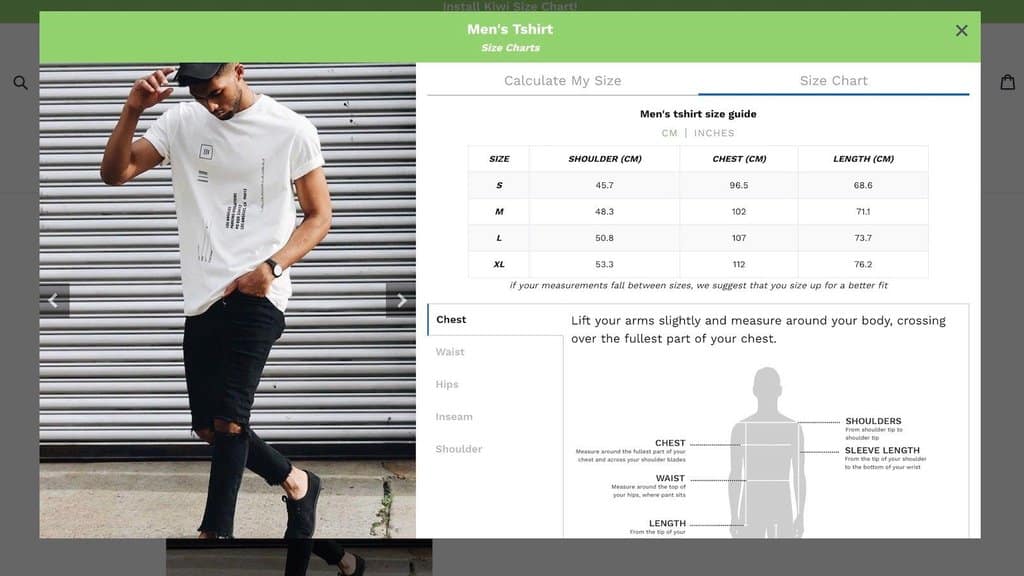
Sizing charts, or if you’re using models in your shot, explain in the product description the height and weight of that model for your buyer’s reference. Retailers like Gymshark do a good job of this.
Sometimes buyers still need a customer service representative to help them out. Ramp up more customer support by studying engagement rates of each channel to see how your customers prefer to be contacted. Are they communicating with you on social media or phoning in their questions? Email or chatbots? Thirty-eight percent of buyers are more likely to make a purchase if a brand offers a live chat option on their website. Installing a live chat button with Facebook Messenger or Drift lets retailers do just that, giving shoppers easy access to you if they have any questions.
Customer service reps are only as great as the training that gets them there, so don’t skimp on building and equipping your team properly. Invest in a training program that empowers your customer service team to provide the best possible service they can. Keep them up-to-date with FAQs and queries. Strengthen their knowledge base with lunch and learns, or keep a regularly updated, open Slack channel or Google Hangout so they can ask a question and get the answer fairly quickly.
Lastly, think of customer support and community as complementary. In the commerce ecosystem, customer support feeds into community and community feeds right back into your business and the support you provide. Consumers, now more than ever, want brands they can trust, not simply with their money, but on a human level.
There are a lot of important tasks involved in running a business. Many of them are labor-intensive and can slow down other operations or creative processes. It’s important to look at where efficiencies can be made that strengthen how the business operates without sacrificing customer experience. Ecommerce automation is one big way to help to simplify the complexities and demands of a business.
Automation helps reduce the number of these labor-centric tasks many retailers are often faced with. This includes tasks like notifying customers when their orders are ready for pickup. 1.1 billion workflows have been created on Shopify Plus, each one eliminating a manual process, and saving a total of 9.2 million hours (or more than 1000 years). Automating everyday tasks can eliminate hours of manual labor required from your staff and reroutes that energy into creative or innovative endeavors for your team.
Ecommerce automation touches all areas of the business from inventory to fraud.
Shopify Flow is an ecommerce automation application that can help automate tasks, campaigns, and processes within your store. Flow can even be integrated with other automation applications like:
While commerce practices have evolved to include extraordinary and innovative ways of shopping, like through a smart mirror, in a video, or on a live stream, all those foundational aspects of buying still exist, too. Creating a strong checkout experience, customer support system, and automating your tasks all fundamentally strengthen your foundation in these unprecedented times.
This article originally appeared in the Shopify Plus blog and has been published here with permission.





