

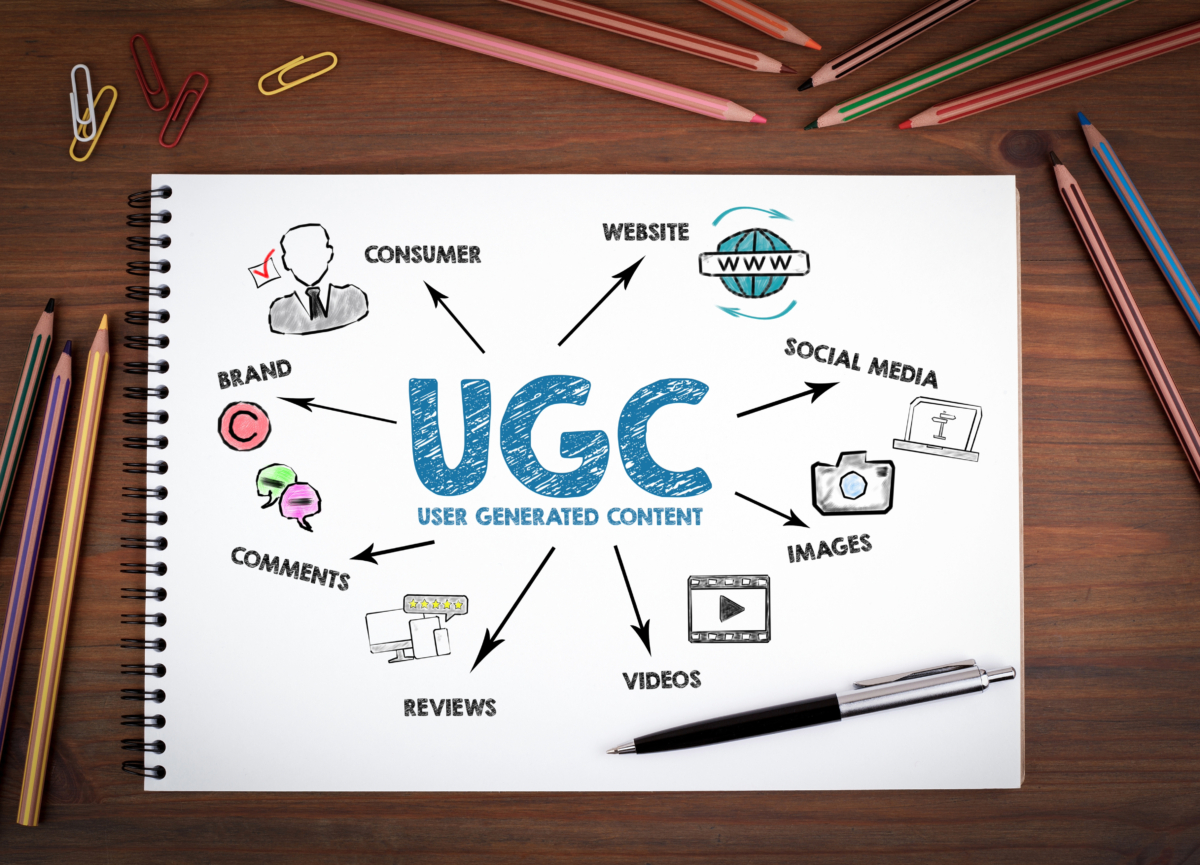
User-generated content (UGC) has become a valuable asset in marketing strategies, even for B2B brands on Instagram.
UGC provides authenticity, engages customers, and builds trust and credibility. Studies have shown that consumers prefer real customer photos and videos on eCommerce sites and are more likely to make a purchase if they see UGC. This article will explore how B2B brands can effectively leverage UGC on Instagram to boost engagement and connections with their target audience.
The success of user-generated content (UGC) relies on creating a space where people feel encouraged to share their experiences and engage with your brand. By fostering customer participation on Instagram, B2B brands can unlock the power of UGC and build stronger connections with their audience.
One way to encourage user-generated content on Instagram is by curating user imagery related to your industry. For example, if you’re a B2B architecture firm, you can feature stunning images of buildings and structures created by your customers. This not only showcases their work but also creates a sense of community among your audience.
Another approach is to create discussion areas where B2B customers can trade advice and offer services. By providing a platform for sharing knowledge and expertise, you can foster a stronger base of loyal customers who feel valued and connected to your brand.
One of the most effective ways to leverage user-generated content (UGC) and build a strong community on Instagram is through the use of branded hashtags. Branded hashtags are unique to your brand and are used to promote user-generated content related to your products or services. These hashtags not only encourage engagement but also help in organizing and curating UGC.
By creating a branded hashtag and promoting it among your audience, you can encourage them to share their experiences, stories, and content related to your brand. This helps in fostering a sense of community among your followers and allows you to gather a diverse range of UGC that reflects the values and interests of your target audience.
Branded hashtags have the power to drive engagement and create a sense of inclusivity among your audience. When users see others using a branded hashtag, it inspires them to participate and share their own content, leading to increased engagement with your brand. Additionally, branded hashtags make it easier for you to discover and reshare user-generated content that aligns with your brand’s messaging and aesthetics.
When promoting user-generated content with hashtags on Instagram, it’s essential to establish clear guidelines and make it easy for users to participate. Clearly communicate the purpose and theme of your branded hashtag campaign to ensure that users know what kind of content to share. This will help you gather UGC that meets your brand’s needs and resonates with your target audience.
Customer reviews and success stories play a crucial role in building trust and credibility for B2B brands. User-generated content (UGC) that includes genuine customer opinions and experiences can be more influential to potential buyers than branded content alone. By showcasing customer feedback through UGC, B2B brands can provide social proof and demonstrate the real-life
Sharing testimonials and case studies in UGC allows B2B brands to highlight success stories and showcase how their offerings have helped customers achieve their goals. These authentic stories can resonate with prospects, providing them with valuable insights into the benefits and value that the brand can deliver. Including snippets from user-generated reviews and testimonials in various marketing materials, such as print ads or videos, can further enhance the brand’s credibility.
One effective way to leverage customer reviews and success stories is by featuring them prominently on the brand’s website or social media platforms. By creating a designated section for UGC, brands can show potential customers that they value their opinions and experiences. This not only encourages existing customers to share their feedback but also builds trust with prospects who are researching the brand.
Customer reviews and success stories are powerful tools for building trust with B2B buyers. According to a study by BrightLocal, 92% of consumers read online reviews before making a purchase decision. By showcasing positive feedback and success stories through UGC, B2B brands can provide tangible evidence of their credibility and the value they deliver to customers.
Clients are more likely to trust the experience and testimonials of their peers over the promises of a brand.
In addition to customer reviews, B2B brands can also leverage success stories that highlight how their solutions have helped customers overcome specific challenges. These stories can provide prospects with real-world examples of the brand’s expertise and the positive
By effectively leveraging customer reviews and success stories in UGC, B2B brands can strengthen their reputation, establish trust, and differentiate themselves from competitors. These authentic narratives serve as powerful marketing assets that resonate with potential buyers and help drive conversions.
User-generated content (UGC) has revolutionized B2B marketing strategies, offering a multitude of advantages for brands. Let’s explore some of the key benefits that UGC brings to B2B marketing:
One of the primary benefits of UGC in B2B marketing is its ability to provide authenticity and build trust. Unlike branded content, which can sometimes be seen as promotional and biased, UGC showcases genuine customer experiences and opinions. This transparency fosters trust among potential buyers and gives them confidence in the brand’s offerings.
UGC has the power to significantly expand a B2B brand’s reach. When customers share their positive experiences with a brand, their network of connections becomes exposed to the brand’s offerings. By leveraging UGC, B2B brands can tap into this extended reach and attract new customers who may have never encountered the brand otherwise.
UGC serves as social proof, influencing the purchasing decisions of potential buyers. When customers see their peers endorsing a brand through UGC, they are more likely to trust and choose that brand. By showcasing UGC that highlights positive customer experiences and product outcomes, B2B brands can leverage the influence of social proof to drive conversions and gain a competitive edge.
When it comes to user-generated content (UGC) campaigns, the possibilities are endless for B2B brands looking to engage their audience and generate authentic content. Here are some inspiring UGC campaign ideas specifically tailored for B2B marketing success:
“User-generated content campaigns offer endless opportunities for B2B brands to engage their audience and generate authentic UGC.”
By tapping into the creativity and experiences of your audience, these UGC campaign ideas can help you create compelling content that resonates with your target market. Remember to provide clear guidelines and make it easy for users to participate and share their content. With a well-executed UGC campaign strategy, B2B brands can harness the power of user-generated content to drive engagement, build trust, and achieve marketing success.
When it comes to leveraging user-generated content (UGC) for B2B brands on Instagram, following best practices is crucial. These practices will help you effectively harness the power of UGC and maximize its
By implementing these best practices, B2B brands can effectively leverage UGC on Instagram and drive meaningful results. Remember to continuously monitor and adapt your UGC strategies to optimize their effectiveness for your specific target audience.
User-generated content is a powerful tool that brings authenticity and credibility to your B2B marketing efforts. By incorporating UGC into your Instagram strategy, you can create a stronger connection with your audience and foster a sense of community around your brand.
When used effectively, UGC can act as social proof, showcasing how your products or services have positively impacted your customers. It also helps you reach a wider audience, expand your brand’s reach, and increase engagement rates. By following the best practices outlined above, you can harness the full potential of UGC and elevate your B2B marketing strategies to new heights.
Tracking the success of user-generated content (UGC) campaigns is essential for B2B brands to understand the
By closely monitoring these UGC metrics, B2B brands can gain a comprehensive understanding of how their campaigns are performing and make data-driven decisions to optimize future UGC strategies.
User-generated content (UGC) plays a crucial role in driving B2B marketing efforts. Its importance lies in the authenticity, credibility, and
UGC holds significant power in establishing trust and affinity for B2B brands. By showcasing UGC consistently, businesses can build meaningful connections with their target audience. UGC acts as a powerful tool to showcase real customer experiences, success stories, and testimonials, which are more influential than traditional branded content alone.
Furthermore, UGC expands a brand’s reach and engagement rates. Studies have shown that consumers perceive UGC as more authentic and trustworthy compared to branded content, making it an invaluable asset for B2B marketing strategies. By leveraging UGC effectively and measuring its
User-generated content is a game-changer for B2B brands. It allows us to tap into the authentic voices and experiences of our customers, creating a sense of trust and credibility that traditional marketing efforts often struggle to achieve. UGC gives us the opportunity to engage with our audience on a deeper level and build a community of loyal advocates.
The power of user-generated content for B2B marketing cannot be underestimated. Its
In conclusion, user-generated content (UGC) plays a crucial role in the success of B2B brands on Instagram. By creating a space where customers can share their experiences, B2B brands can foster a sense of community and authenticity. Leveraging branded hashtags further enhances engagement and encourages UGC participation. Additionally, showcasing customer reviews and success stories adds credibility and trust to the brand.
Overall, UGC offers numerous benefits for B2B marketing. It expands reach, reduces content creation costs, and acts as social proof to attract potential buyers. By consistently leveraging UGC and measuring its success, B2B brands can strengthen their Instagram presence and connect with their target audience on a deeper level.
In the ever-evolving digital landscape, UGC has become an invaluable tool for B2B brands. It provides a unique opportunity to amplify the voices of customers, cultivate trust, and generate meaningful connections. By harnessing the power of UGC, B2B brands can elevate their marketing strategies and achieve greater success on Instagram.
User-generated content refers to any form of content, such as photos, videos, reviews, or testimonials, that is created and shared by customers or users of a brand or product.
UGC provides authenticity, engages customers, and builds trust and credibility. It is considered more trustworthy and influential than branded content alone.
B2B brands can create dedicated hashtags, curated imagery, and discussion areas to inspire participation and interaction.
Branded hashtags associated with marketing campaigns or competitions can spark conversations and engagement, prompting users to share content using the hashtags.
Sharing genuine customer opinions and experiences can build trust and authenticity for B2B brands. UGC reviews and testimonials showcase real-life results and highlight how the brand has helped customers achieve their goals.
UGC brings authenticity, expands reach, acts as social proof, and increases engagement rates. It is considered more authentic and trusted by consumers compared to branded content.
Ideas include showcasing customer success through case studies, encouraging event attendees to share their experiences, and highlighting product versatility through UGC.
Best practices include making it easy for users to tag and mention the brand, sharing and re-sharing relevant UGC, running UGC contests and challenges, and interacting with UGC creators.
Key performance indicators (KPIs) to track include engagement on UGC posts, brand mentions and tags, sales and leads generated from UGC, and brand awareness and favorability surveys.
UGC provides authenticity, credibility, and reach that branded content alone cannot match. It allows the genuine voices of customers to be heard and helps build trust and affinity for the brand
Buffer works with its audience to bring beautiful, effective UGC to its Instagram profile. The ‘Buffer Community’ submits content for Buffer to share, then the best content is carefully chosen to share. They maximize their engagement by actively communicating with their audience – they respond to every comment, asking questions to encourage further engagement. We’ve included photos of Buffer’s account to show exactly how they’ve used UGC to build an empire on Instagram.

IBM doesn’t actively ask for UGC like Buffer, but they make an effort to share user-generated content their audience sends to them. Many times, customers of IBM will share photos or videos with the company to eventually find the content posted on IBM’s Instagram page. IBM’s user-generated content posts have amassed thousands on likes on Instagram – a strong incentive for other IBM customers to share their photos with the brand.

Hootsuite specializes in social media marketing, so it’s no surprise their Instagram account has amassed a huge following. Using hashtag campaigns like “#IWorkFromHere,” Hootsuite prompts its audience to share UGC with the brand. Interesting hashtag campaigns allow Hootsuite to obtain interesting, quality UGC for their Instagram page, giving them phenomenal content to represent their brand.

The UPS Store serves many different clients, making them part-B2B, part-B2C. Their marketing campaigns must appeal to a wide variety of customers, and they make this happen with user-generated content. Customers send them photos of the products they ship using their services, which the UPS Store shares on their Instagram page. This practice has helped them quickly gain a following, as well as an engaged following.

CBRE offers commercial real estate around the world, which gives them an extraordinary opportunity to collect user-generated content. They feature beautiful architecture on their Instagram, and many of their photos are actually UGC. The brand posts content that appeals to their audience, by their audience, which promotes customer engagement. CBRE carefully selects unique images to share, giving their customers a reason to follow them on Instagram.

Adobe is a familiar brand to many, thanks to their highly-effective software and marketing tools. They serve customers from around the world, and their marketing must appeal to a very wide range of customers. Their Instagram page boasts hundreds of thousands of followers, and most of their posts see thousands of likes each day. Adobe receives plenty of UGC – in fact, most of the UGC they receive was created using their software. When Adobe shares UGC that was created using their software, they not only prompt engagement, but show-off the capabilities of their product.

Do you use UGC to represent your brand on social media? What are your tips for visually marketing B2B brands on Instagram? Let us know in the comments below!





