


The dropshipping business model is a popular eCommerce strategy. It offers a unique approach to selling online without needing inventory and supply logistics, acting as a store management, branding, and marketing-centered operation.
Like any business model, dropshipping has advantages and weaknesses. Let’s dive into the pros and cons with a comprehensive analysis to help you decide if this business model aligns with your entrepreneurial strategy.
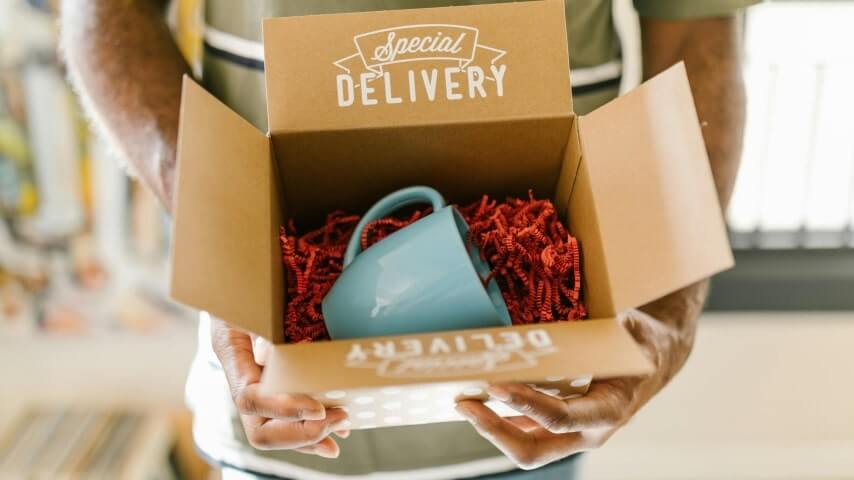
Dropshipping is a streamlined retail business model that has adapted how entrepreneurs approach selling products online. Instead of keeping stock like a retail store, dropshippers don’t own the products they sell or handle customer order fulfillment directly.
How does dropshipping work?
When a store sells a product, it purchases the item from a third party – typically a wholesaler or manufacturer – and has it shipped directly to the customer for a profit.
For example, a dropshipper partners with a manufacturer through AliExpress to sell phone cases on the eBay marketplace. They list the product with unique branding and make a sale. The order is forwarded to the manufacturer, who delivers the product.
This means the merchant doesn’t physically manage the product supply chain, dramatically simplifying the sales process, but also entails relying on external quality standards.
Why consider dropshipping?
This low-risk business model has seen a surge in popularity with the rise of eCommerce selling, reaching an estimated $287.36 billion in dropshipping market revenue by 2023, which is expected to rise to a staggering $1.253 trillion by the end of the decade.
To start dropshipping, you only need an eCommerce platform or website, a partnership with suppliers, and an effective digital marketing strategy. Due to its low startup costs and flexibility, dropshipping is an effective model for eCommerce business owners.
Dropshipping is still relatively new. While its methodology is yet to be fully explored, dropshipping pros and cons can help define whether this business model can work for your skillset and potential customers.
In this section, we’ll explore the key advantages of adopting a dropshipping model for your online store, from setup to planning and operating the order fulfillment process.

Unlike traditional retail models that require warehouse space and their own inventory to buy products before selling, a dropshipping eCommerce store allows you to list them ready-made from other suppliers and sell products immediately for a definitive profit.
This approach dramatically reduces the financial barriers to entry, making it ideal for new entrepreneurs. You can test different markets and product types, switching drastically, like from phone cases to home decor, without long-term commitment.
Starting a dropshipping business requires significantly lower startup costs compared to traditional retail. The strength of this model lies in its minimal investment requirements, as you will mainly need to capitalize on eCommerce systems and promote your brand.
This lower financial threshold opens a wider range of opportunities, allowing more people to sell products online with minimal risk. The savings can be redirected into larger marketing efforts, enhancing the visibility of your online store.

Dropshipping offers unparalleled flexibility in product pricing. Without the burden of logistics, utilities, or a large team of employees, business owners can easily adjust prices to respond to market trends and consumer demands, maximizing profits.
Flexible pricing leaves you with the freedom to offer tempting deals on hot items and seasonal must-haves. Adapting to the eCommerce environment without the constraints associated with traditional retail stores can ensure your brand stays relevant to buyers.

Many shipping companies and wholesalers offer non-local items, helping distinguish your store from traditional retailers and other dropshippers. You can plan and cater to any customer demographic with enough supplier research.
From high-fashion accessories to the latest gadgets, dropshipping follows where consumer trends often lead. Respond to swiftly changing markets, outpacing regular retail, and keeping your store fresh and relevant – easy to modify and adapt.
Dropshipping opens the door to global sourcing, allowing you to partner with suppliers from around the world and reach customers anywhere. The high competition in supplier offers and dropshippers helps maintain quality order processing standards.
This system stands in sharp contrast to traditional reselling, which often limits you to locally available products. Not all warehouses have the same product offerings in terms of quality, but the sheer number of options creates a diverse purchasing experience.
Finally, the dropshipping business model inherently carries a lower profit loss risk than traditional retail methods. With no need for upfront investment in inventory management and other hassles, the financial risks associated with unsold stock or unpaid bills are virtually eliminated.
This low-risk environment is ideal for testing different markets and products, allowing you to experiment with new items without fearing significant financial loss. Yes, the process does involve planning and effort, but the low cost minimizes larger setbacks.
Let’s follow along with some of the setbacks and issues with dropshipping compared to traditional retail methods that many businesses consider when balancing the positives.
One of the notable cons of dropshipping is the limited opportunity for unique product customization and branding. When products come directly from dropshipping suppliers, they often lack the unique branding to establish a company’s identity and visual theme.
This can be a significant drawback for businesses aiming to build a strong brand, but can be tackled with custom product services. For entrepreneurs wanting to create their own brand, competitors selling the exact same products can be a real deal-breaker.
Dropshipping, while low in startup costs, often results in lower profit margins to maintain relevance against unique items. This is especially true in highly competitive niches where many dropshipping businesses may sell similar products.
The competition drives prices down, which can squeeze profit margins, making it challenging for new entrants to the market. Entrepreneurs need effective sales strategies and to potentially consider different suppliers to maintain healthy margins.
A significant downside of the dropshipping business model is the limited control over product quality. As products are sourced and shipped directly by third-party suppliers, dropshipping businesses rely heavily on these suppliers for quality assurance.
This reliance can lead to inconsistencies in listings’ quality, which might result in customer dissatisfaction and increased returns. Quality control is a crucial aspect of brand reputation, making the choice of reliable dropshipping suppliers more critical.
Dropshipping companies often face challenges in shipping estimates and handling returns. As the entire shipping process is out of the direct control of the dropshipping store, it can lead to delays and issues that directly impact the customer experience.
Additionally, when issues arise, effective and prompt responses between the dropshipper, the supplier, and the customer are essential, but managing third-party communication is complicated, especially for sales orders from multiple suppliers.
Finding and collaborating with reliable third-party suppliers is essential to address some of these challenges effectively. Networks that offer quality products and dependable shipping can significantly enhance the business’s credibility and long-term customer satisfaction.
Understanding the market and target audience is key to overcoming the competitive nature of dropshipping. Regular and detailed market research helps identify trends, understand customer preferences, and find appropriate market gaps to tackle.

Product differentiation can be challenging, so building a strong brand and an effective marketing strategy is vital. A well-defined brand identity and a robust online presence can create tailored customer orders and set your business apart from competitors.
For businesses looking to offer customized products, Print on Demand (POD) can be a profitable addition to dropshipping. POD allows for branded dropshipping, providing the customization that traditional dropshipping lacks and giving you a larger competitive edge.
Deciding whether dropshipping is worth it depends on various factors, including your business goals and resources. Dropshipping is a low-risk entry into the eCommerce world, but profit margins may be low, and success requires effective marketing and the right suppliers.
The model offers flexibility with a low barrier for entry, a wide range of product offerings without significant investments, and the ability to start and manage your business with a large inventory of products from anywhere with an internet connection.
Dropshipping can be profitable, but profits depend on factors like product niche, supplier reliability, pricing strategy, shipping costs, and marketing effectiveness. Since dropshipping typically has lower profit margins, high sales volume is key to generating significant profits.
Entrepreneurs need to find a balance between competitive pricing and maintaining a good profit margin. Profitability can be enhanced by choosing less saturated niches, building a strong brand and shipping time, and focusing on excellent customer service to encourage repeat business.
After researching drop shipping pros and cons and finalizing your choice, follow these steps to plan out and start your dropshipping business.
Dropshipping and Print-on-Demand (POD) are both eCommerce business models, but they differ significantly in sales order operations, supply chain logistics, and products:
Both models have their advantages for different business goals, target markets, and the level of customization you want to offer. For either option, you can start selling without the need to ship products independently or keep track of how much stock you have.
Dropshipping offers many advantages and drawbacks, from low-risk entry and wide product offerings to high competition and limited customer support features. Continue analyzing dropshipping pros and cons to develop an effective eCommerce strategy.
Start dropshipping with a quality supplier – choose Printify as your product sourcing provider. Access our entire print-on-demand dropshipping service and global Print Provider network for free. Establish a unique brand identity with custom products and seamlessly integrate your store with top eCommerce platforms and marketplaces.





