


Listing your business on multiple online marketplaces is crucial to maximize brand visibility and reach.
With increasing competition, you cannot rely on a single eCommerce channel for your sales. Diversifying your sales channels to tap into wider audiences is thus an intelligent approach.
However, managing multiple channels for your eCommerce business could be cumbersome. Not all marketplaces work the same way; it takes time and resources to figure out how to excel in managing them, and as a new business, you may struggle with the same.
But fret not! This guide will sort everything for you, from choosing the best listing channels to avoiding common marketplace management mistakes for better results. Let’s take a look.
Listing your business and offerings on multiple marketplaces like Flipkart, Amazon, eBay, etc., can benefit you in the following ways:
The multichannel sales approach lets you tap into a larger market share, which is impossible if limited to a single channel. Customers often prefer a specific marketplace for all their shopping requirements. In such a scenario, you can lose potential customers by not being present in that marketplace.
Buyers interacting with a brand through multiple sales channels often purchase more than single-channel shoppers. When your products are available on various eCommerce platforms, they attract and acquire the highest volume of such buyers.
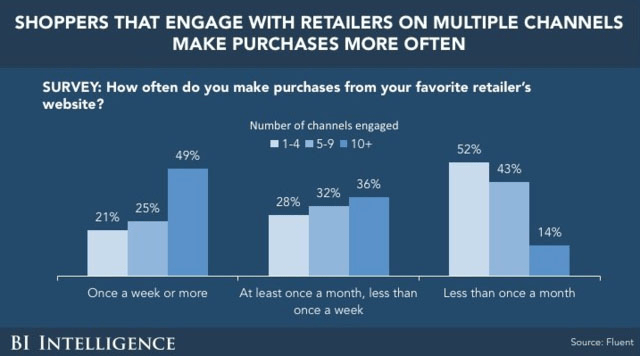
When your brand is listed on multiple eCommerce platforms, more people are aware of it and thus access/search for your products. This maximizes your brand awareness and credibility online to boost sales.
Online buyers must have a seamless shopping experience across all platforms and devices. They may shift their shopping from one platform to another, offering them a better user experience overall.
Did you know that, for 84% of online shoppers, the experience provided by the brand is as important as its products and services? By being present on multiple sales channels, you can offer them a device-friendly customer experience along with vast delivery, payment, and discount options.

When your business is listed on all the leading marketplaces, like Amazon, Walmart, eBay, etc., it shows your potential customers that you understand and value their shopping preferences and offer them shopping flexibility. It improves the buyer’s perception of your brand.
Selling your products on multiple channels reduces your dependency and risk factor on single-channel sales. This means that you can still generate revenue from the other channels if your sales drop on one of the platforms for reasons such as changes in marketplace policies or ranking algorithms.
A diversified sales approach allows you to experiment with different channels and strategies to see what works best for you. This helps you to stay agile and adapt quickly to market changes.
When you know which channel and strategy works better for your targeted audiences, you can maximize your marketing and advertising efforts for better ROI.
When working on a multichannel sales approach, you can face multiple logistics, growth, and branding challenges that need your attention. Here are some possible solutions addressing such challenges to resolve them effectively:
Managing channel-wise inventories gets more complex and challenging as you expand to more marketplaces. Some common inventory-based challenges arise due to this, such as
One of the biggest challenges with managing inventory for multiple marketplaces is not having an appropriate supply and demand estimate.
By overestimating the demands, you will end up overstocking, which will, in turn, drain and restrict your financial resources. On the other hand, insufficient inventory can cause unnecessary order cancellations, bad reviews, missing out on sales trends and promotions, order delays, etc.
Manually tracking orders coming and processing from various marketplaces is prone to human errors, especially during returns and order cancellations. Furthermore, it won’t enable complete visibility of your real-time stock across all warehouses and platforms, complicating your regular operations.
To overcome these challenges, you need to optimize inventory management across all marketplaces in the following ways:
Manually processing and fulfilling large orders for multiple marketplaces is time and resource-intensive. The diverse order and shipping formats of subsequent channels can make it challenging. Disc discrepancies/mistakes can arise during this process without proper expertise and attention. It can affect your business’s online credibility and reputation with negative reviews.
How to optimize your order fulfillment process?
To overcome such order processing and fulfillment challenges for multiple marketplaces, you can:
Listings management and optimization
Maintaining your listings within popular and relevant search queries of different marketplaces must be properly optimized with the right keywords and descriptions.
The listing format and ranking factors differ significantly for different eCommerce platforms (the strategy which may be effective for Amazon listings might not work as well for Flipkart or eBay). To maximize your ROI and sales on each channel, you must adapt to the respective listing and ranking formats, which is time- and resource-intensive.
How to overcome this challenge?
Though managing and updating listings across multiple marketplaces is a tedious task, you can simplify it in the following ways:
Setting the correct prices that are both competitive and profitable across various eCommerce platforms is necessary. You must optimize your pricing strategy often to stay ahead of your competitors without losing margins and compromising product quality.
But how to do that?
To devise a profitable pricing strategy that works well for all marketplaces, here are a few suggestions:
When working on a single sales channel, it is easier to provide dedicated customer support and prompt response to all feedback and queries. But with a multichannel sales approach, offering consistent and high-quality customer service becomes challenging and time-consuming.
Regardless of which sales channel customers choose for their online shopping needs, they want a prompt response to their queries and reviews. To maintain your brand’s credibility online, offering a positive and valuable customer experience across all platforms is crucial.
How to provide that?
Multichannel messaging and branding
Your brand messaging and strategy for branding must be uniform and of high quality to create an unforgettable first impression for your customers across all marketplaces. Keep a look out for the changes you make in your brand message or branding strategy to be consistent across all channels.
If the information (product title, description, appearance) is not identical across all channels, customers might be unable to find a particular product across the platforms.
While ensuring a unified branding experience for all your products across all marketplaces is crucial, it is challenging to implement without the right strategy.
How to keep your brand message and branding effective for all channels?
Here are some tips for creating a consistent and effective branding & messaging strategy to use for all your eCommerce marketplaces:
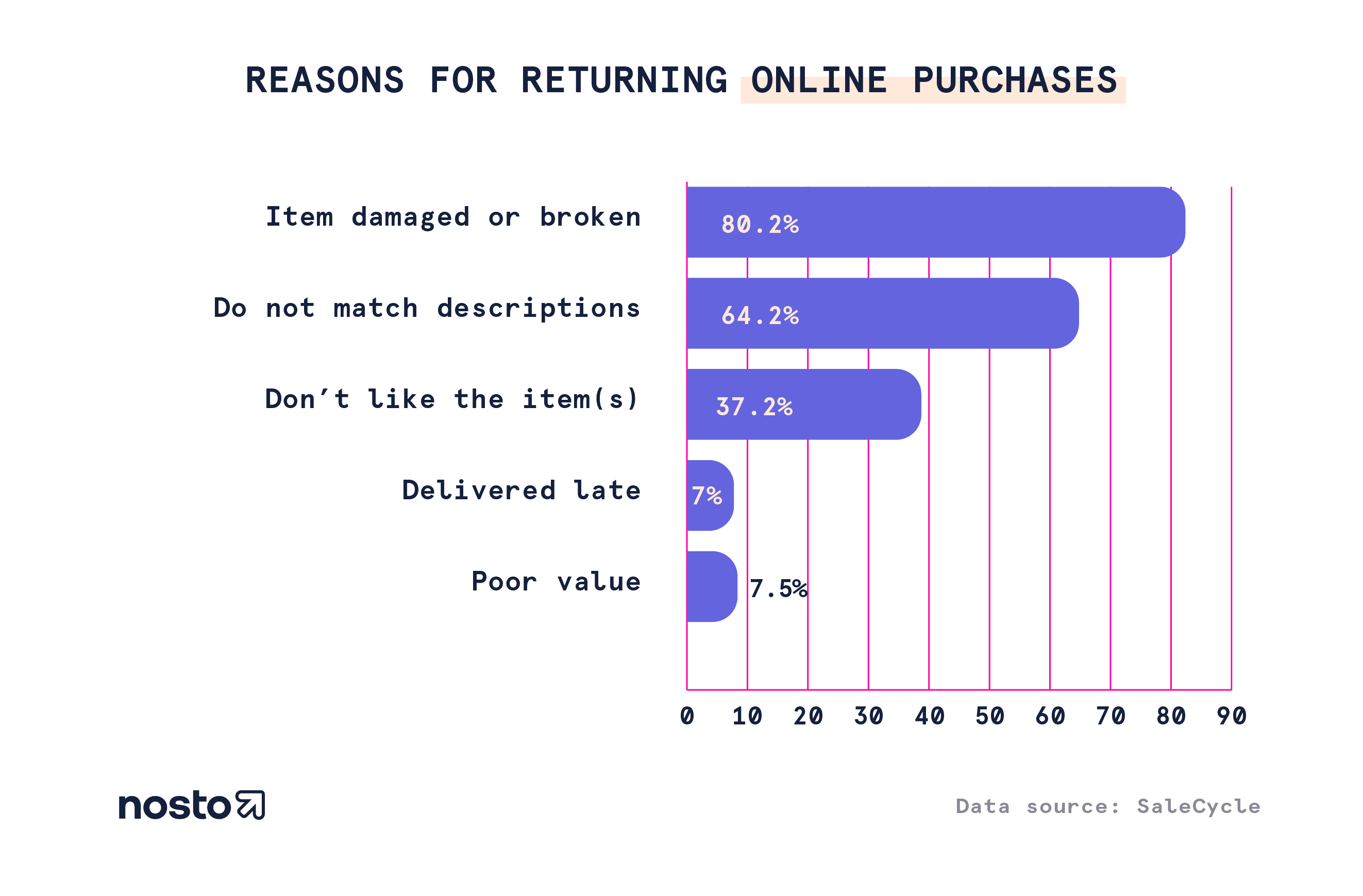
Managing returns and shipping is easier for single-channel sales. But when selling products on multiple marketplaces simultaneously, handling product cancellations and returns becomes challenging, and choosing suitable fulfillment options and managing shipping costs becomes challenging.
How to solve shipping and return-related issues?
While these challenges can make marketplace management difficult, you can overcome the growing pains using the right marketing, branding, shipping, and inventory management tools. To keep your resources and time free to focus on crucial operations, outsource eCommerce marketplace management service from a reliable third party.
While plenty of marketplaces are available online to experiment with, the right ones for your business are where your target audience is present.
To find out the right eCommerce platforms to boost your brand presence and sales, here are a few tips you can follow:
To effectively manage your listings, order processing, fulfillment, and shipping processes across all sales channels, here are the five best ecommerce marketplace solutions you can try:
Shopify is the leading and most convenient eCommerce solution to integrate multiple marketplaces with your online store, automate processes and optimize listings for multichannel sales. It also has built-in integrations for popular marketplaces like Amazon, eBay, Facebook, etc.
Its built-in reporting and analysis tools help to track marketing and sales performance for each channel. You can also customize your listings for each marketplace to increase online visibility and sales. With the available plugins, you can automate your shipping, inventory management, and fulfillment processes.
Pros:
Cons:
Pricing:
Basic plan– $29 per month with 2.9% + 30¢ per online transaction
Main plan – $79 per month with 2.6% + 30¢ per online transaction
Advanced plan – $299 per month with 2.4% + 30¢ per online transaction
Sellbrite is a cost-effective cloud-based multichannel eCommerce management platform efficient for small and mid-size businesses. It supports various popular marketplaces like Amazon, eBay, Walmart, Newegg, etc., for integration, management, and optimization.
The best thing about it is that it automatically syncs all your inventory in real-time from various marketplaces to enable management in a single place.
The other notable features are
Pros:
Cons:
Pricing:
The platform is forever free for businesses with monthly orders of less than 30. For 100 orders or more, the monthly price starts at $29.
Channel advisor is another popular multichannel eCommerce management solution for growing businesses. It supports over 200 sales channels, including eBay, Amazon, Walmart, Facebook, etc., for domestic and international selling.
It automates crucial processes like listing management, order fulfillment, inventory syncing, etc., to save time and manage everything from a single dashboard. One of its best features is allowing marketplace ads management within the platform.
Some other notable solutions it provides are
Pros:
Cons:
Pricing:
Pro Plan: $499/month for access to over 40 marketplaces
Premium Plan: $1499/month for access to over 100 marketplaces
BigCommerce is an all-in-one eCommerce solution for new and growing businesses. The platform has pre-built integrations for all leading marketplaces like Facebook, Amazon, eBay, etc.
The tool maximizes your marketing and sales efforts through email marketing tools integration for abandoned cart alerts, personalized campaigns, etc. You can also integrate third-party marketing tools like Google AdWords, Facebook ad manager, etc., to manage and optimize all your ad campaigns for multiple marketplaces.
Pros:
Cons:
Pricing:
Free trial – For 15 days
Standard Plan – $29/month for up to 3 storefronts
Plus Plan – $79/month for up to 5 storefronts
Pro Plan – $299/month for up to 8 storefronts
Brightpearl is an advanced eCommerce management solution designed for large businesses recording sales of $1 million or above. It integrates CRM (Customer Relationship Management) and POS (Point of Sales) tools with the essential marketplace management tools to automate crucial processes like invoicing, inventory management, listings optimization, order processing, dropshipping, etc.
For scalable growth, it supports plug-and-play integrations. It offers multichannel support and optimization for leading marketplaces like Amazon, Shopify, eBay, etc.
Pros:
Cons:
Pricing:
Doesn’t have specific price plans, as they provide quotes according to your business needs.
While a multichannel sales approach can help you boost online sales significantly, it can also hamper your business if not implemented correctly. Here are six common marketplace management mistakes, along with solutions to prevent them:
For multichannel sales, handling everything manually requires a lot of effort, time, and resources. This can become challenging and lead to inaccuracies/mistakes.
To enhance productivity and efficiency, use multichannel management tools (suggested above) to automate crucial processes like inventory management, price and listings optimization, order processing, etc.
Trying to sell on too many marketplaces at the initial stages without proper research can lead to poor management and sales.
Focus on a few sales channels initially to see how your products perform. Once you gain experience managing your inventory, orders, and shipping requirements on those marketplaces, consider selling on others.
Not all marketplaces charge the same monthly fee/percentage for sales commission, shipping, etc.; thus, miscalculating prices can lead to a massive loss for your business. When managing listings on multiple marketplaces, businesses either over-optimize the price or don’t do it at all. In both cases, you can lose out on potential sales.
To avoid this, first, understand the pricing structure of each marketplace or use automated tools for price optimization across multiple marketplaces to keep your business sustainable and profitable.
Not managing your customers’ reviews or responding to their queries across multiple marketplaces can lead to a poor service experience. If a potential customer is asking any questions on any of your sales channels regarding your product, you must provide them with a prompt and detailed answer to their concern to build brand trust. Failing to respond to customer inquiries or complaints professionally and on time can result in negative feedback and lost sales.
Invest in good quality CRM (customer relationship management) software like Salesforce, Zoho CRM, Zendesk, etc., to automate chat responses to customer queries and feedback across multiple marketplaces.
Many marketplaces run extensive sale campaigns for special days like Black Friday, New Year, Christmas, etc. You can lose tremendous sales opportunities by not submitting your products for those campaigns.
Also, these marketplaces emphasize using promotional vouchers, deals, etc., to boost sales and traffic on your best-selling products. Monitor promotional opportunities across all marketplaces to enhance your brand visibility and sales.
Failing to analyze your sales data properly across all marketplaces can make identifying trends and making informed decisions difficult.
To avoid this, use analytics tools like Google Analytics, Mixpanel, Tableau, etc., to track your sales across all marketplaces and identify areas for improvement.
Multiple eCommerce marketplace management involves dozens of responsibilities and processes to streamline. To keep your resources free and overcome common multichannel sales challenges, automating inventory management, listings optimization, platform research, marketing, and order fulfillment is ideal with reliable marketplace management tools.
As a new business, if you don’t wish to invest in tools, it is better to outsource marketplace management services to experts that can handle everything on your behalf and boost your online sales and presence with their expertise.
Which are the best eCommerce management platforms for eBay and Amazon?
Several excellent multichannel eCommerce platforms are available for managing multiple marketplaces, like Magento, SellBrite, BigCommerce, Wix, Channel Advisor, etc.
How can I increase my sales and reach a wider audience through multichannel eCommerce?
To increase your sales across multiple marketplaces, understand your target audience needs, analyze competitors’ listings, and adjust your pricing. Participate in ongoing promotions and use effective marketing tools for personalized and abandoned cart marketing campaigns.
Which CRM tools are best to improve customer service experience across multiple marketplaces?
To streamline and improve the customer service experience for various marketplaces, some powerful CRM tools you can use are AgileCRM, Pipedrive, Freshworks, Zoho, and Hubspot CRM. They automate multiple marketplaces’ contact management and communication processes to save time and effort.





