






Dotdigital blog
See how email marketing can help you increase sales, strengthen customer relationships, and deliver more relevant shopping experiences.

Ecommerce email marketing helps you turn subscribers into customers and one-time buyers into repeat shoppers. When your strategy comes together, your campaigns become relevant, personalized experiences that drive sales and build loyalty.
In this blog, we’ll walk through practical ways to improve your ecommerce email marketing, from the types of campaigns you should be using to how you can make them more effective.
What is ecommerce email marketing?
Ecommerce email marketing is the use of email to communicate with customers and promote an online store. It’s used to send messages at different stages of the customer journey, from welcoming new subscribers to encouraging repeat purchases.
For ecommerce brands, that means you can:
- Recover lost revenue from abandoned carts
- Turn first-time buyers into repeat customers
- Stay top of mind between purchases
- Personalize every interaction based on real data
Ecommerce email marketing typically includes two main types of messages:
Transactional emails
These are triggered by a customer’s action on your website. Examples include order confirmations, shipping updates, and password resets. They provide essential information related to a purchase or account activity.
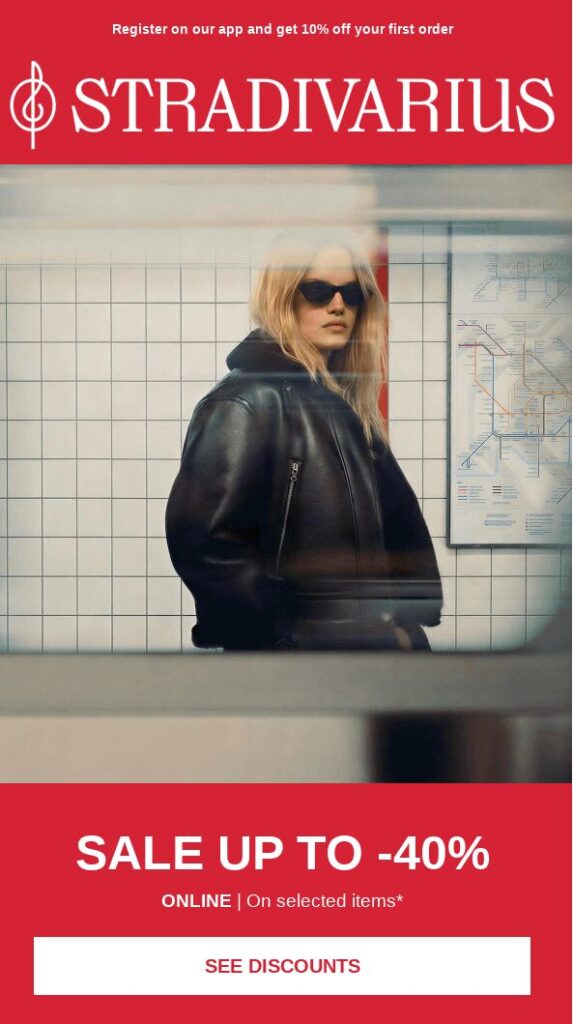
Promotional emails
These are sent to drive engagement and sales. They can include product launches, offers, newsletters, and personalized recommendations, and are often sent to both customers and prospects.
Why email marketing matters in ecommerce
Email gives you something most other channels don’t and that is direct access to your audience. With email marketing, you’re not relying on algorithms or rising ad costs. You’re building a channel you own, where you can speak to customers one-to-one.
It supports the entire customer journey too. From the moment someone signs up to your list, you can guide them through discovery, purchase, and beyond. Whether it’s recovering an abandoned cart, recommending the right product, or re-engaging a lapsed customer, email helps you stay relevant at every stage.
It also connects your wider marketing efforts. Traffic from paid ads, social, or organic search doesn’t convert in isolation. Email helps you capture that interest, nurture it, and turn it into long-term value.
In ecommerce, where competition is high and attention is limited, that consistency matters. Email keeps your brand visible, builds familiarity, and gives customers a reason to come back.
Benefits of email marketing for ecommerce
When done well, email marketing can become one of your highest-performing channels.
Here’s what you can expect:
- Higher conversions – targeted emails reach people when they’re most likely to buy
- Stronger customer loyalty – consistent, relevant communication builds trust over time
- Better use of your data – every click, browse, and purchase helps you refine your targeting
- Cost-effective growth – you’re not paying for every interaction like you would with ads
- Scalable personalization – you can tailor messages to thousands of customers without extra manual effort
Types of email marketing campaigns ecommerce brands use
Ecommerce email marketing typically includes a mix of automated journeys and one-off campaigns. Together, they support the full customer lifecycle.
Key campaign types include:
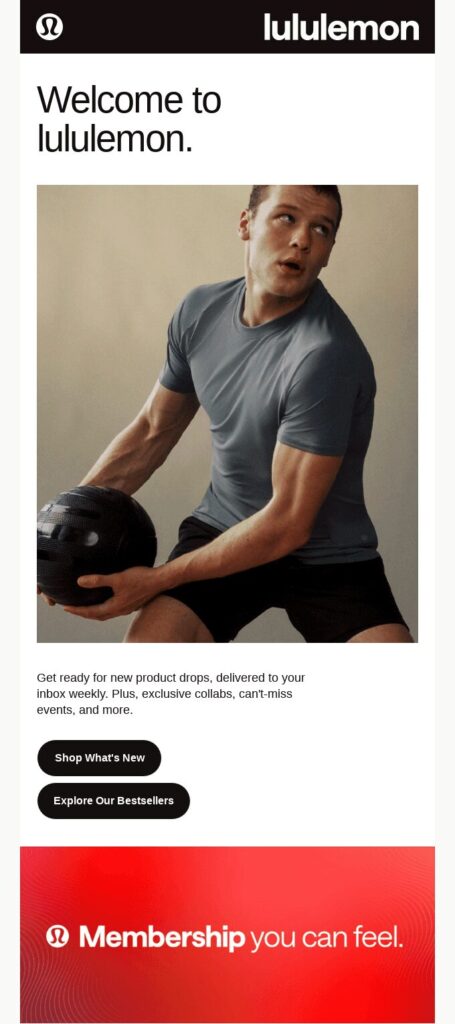
- Welcome emails – introduce your brand and set expectations for new subscribers
- Abandoned cart emails – remind customers to complete their purchase
- Browse abandonment emails – re-engage visitors who viewed products but didn’t add to cart
- Promotional campaigns – share sales, product launches, and seasonal offers
- Post-purchase emails – confirm orders, recommend products, and encourage repeat purchases
- Re-engagement emails – win back inactive subscribers
- Loyalty and VIP emails – reward your most valuable customers
How to create high-performing ecommerce email campaigns
The best ecommerce emails feel relevant. That comes down to how well you use your data. When you understand what your customers are browsing, buying, and engaging with, you can send emails that actually make sense to them.
As you plan your campaigns, focus on some core areas that make the biggest difference:
1. Personalized product recommendations
Show people products they’re actually likely to care about. Use past purchases, browsing behavior, and preferences to guide what you include. This could be similar items, restocks, or products that complement something they’ve already bought.
If you’re using AI, it can help predict what someone might want next, so your emails feel less like marketing and more like a helpful nudge.
2. Exclusive deals
Create a sense of urgency by including exclusive deals in your email marketing campaigns, such as for VIP customers vs. new subscribers who haven’t purchased yet, to nurture them in a relevant way.
3. The power of storytelling
Whether it’s the journey of a product from idea to creation or customer success stories, storytelling adds a human touch, making your emails more engaging and memorable.
How to build loyalty with email marketing
Loyalty programs and personalized journeys take center stage in nurturing customer loyalty. The strategic use of emails to communicate exclusive benefits and perks, encourage customers to remain devoted to your brand, and deliver key messages at the right time for each subscriber is critical to improving your results.
1. Loyalty programs
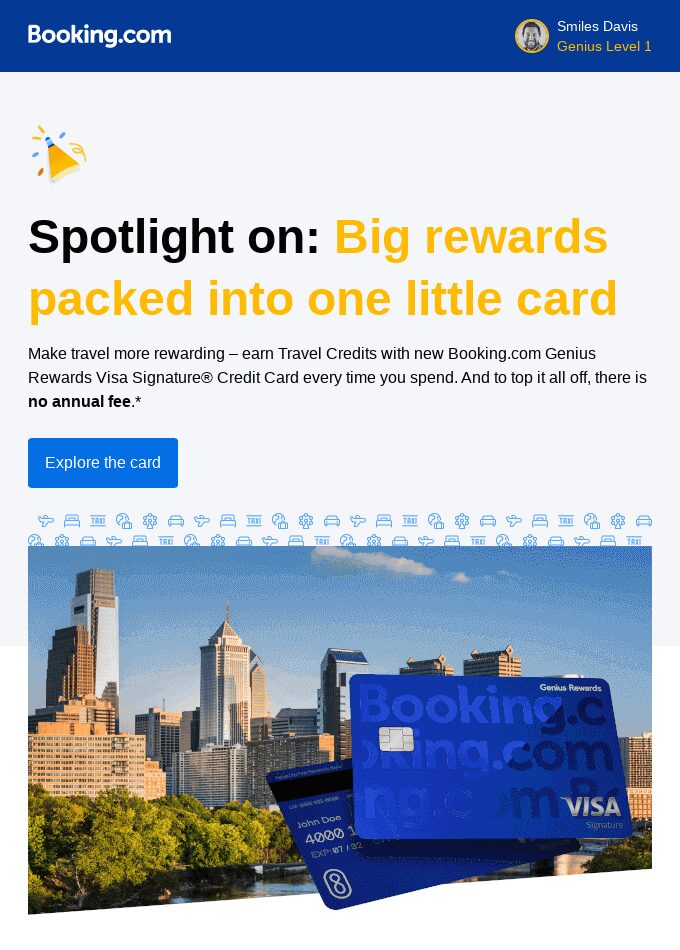
Implement a customer loyalty program to reward repeat purchases. Use email marketing campaigns to communicate exclusive benefits, discounts, or early access to new products, incentivizing customers to remain loyal.
Every now and then, remind customers of their loyalty program status and highlight the rewards they can unlock with their continued engagement.
2. Surprise and delight with unexpected rewards
Go beyond the expected loyalty program benefits by occasionally surprising your customers with unexpected rewards. It could be an exclusive discount, early access to a sale, or a personalized thank-you gift. These unexpected gestures not only nurture loyalty but also create delightful moments that customers will remember and appreciate.
3. Personalized email journeys
Map out personalized customer journeys based on their interactions with your brand. Segment your audience to deliver targeted content, ensuring each customer receives messages aligned with their unique preferences and behaviors.
How to improve the customer experience with email
To create a seamless and memorable customer journey, consider employing the following tactics:
1. Interactive content and product showcases
Engage customers with interactive content such as quizzes, polls, or product showcases. Showcase new arrivals, bestsellers, or collections to provide a visually appealing and immersive shopping experience.
Use engaging visuals and compelling copy to entice customers to explore your brand further.
2. User-generated content and testimonials
Include user-generated content(UGC) and customer testimonials in your emails. Reviews and photos that are authentic create a sense of community, instilling confidence in potential customers and reinforcing loyalty among existing ones.
How to optimize your ecommerce email strategy
Optimization is something you build into your campaign process over time, from how your emails display on different devices to how you learn from each campaign you send.
Small improvements, made consistently, are what lead to better performance.
Here are a few areas to focus on:
1. Mobile optimization
Many people check emails on their phone, so your emails need to work well on smaller screens. Make sure your layouts are easy to read, buttons are easy to tap, and images load properly. What looks good on desktop should still feel smooth and usable on mobile.
It’s also worth testing your emails across different devices before sending, so you know the experience is consistent.
2. Email accessibility
Make sure that your emails are accessible to individuals with temporary, situational, and permanent disabilities. You can:
- Use clear, readable fonts
- Provide alt text for images
- Code for screen readers
- Structure your content logically.
A more inclusive design not only broadens your audience reach but also aligns with ethical and user-friendly practices.
3. Strategic A/B testing
Try A/B testing on different elements of your email campaigns, including subject lines, visuals, content, and calls to action. Analyze the results to identify the most effective strategies for driving engagement and sales.
Key takeaways for your email marketing strategy
Email marketing works best when it feels relevant, timely, and useful to the person receiving it. When you combine the right campaigns with thoughtful personalization, you can drive sales while also building stronger, longer-lasting customer relationships.
Focus on delivering value, meeting customer expectations, and improving over time, and you’ll create experiences that keep people coming back.
