


7th
November, 2025
If you’re involved in influencer marketing – whether as a brand or a creator – you’ve likely heard the debate of allowlisting vs whitelisting. These terms are often used interchangeably, but what do they really mean and why is the industry shifting from one to the other? In this comprehensive guide, we’ll break down what influencer whitelisting (allowlisting) is, why the terminology is changing, and how this strategy can benefit brands and creators alike. We’ll also provide tips on implementing allowlisting and include a handy comparison chart. (Spoiler: “allowlisting” and “whitelisting” refer to the same practice – but words matter, as you’ll see.)
Whether you’re a micro-influencer creating content, an e-commerce brand or Amazon seller looking to boost your marketing, or a marketer tapping into user-generated content (UGC), understanding allowlisting vs whitelisting will help you stay ahead. Let’s dive in!
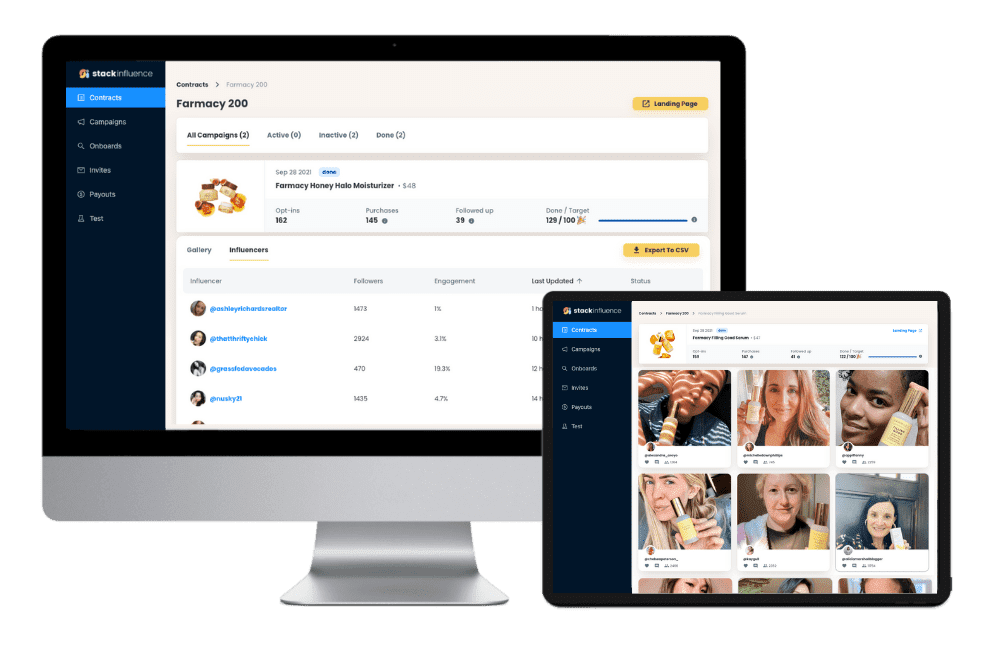
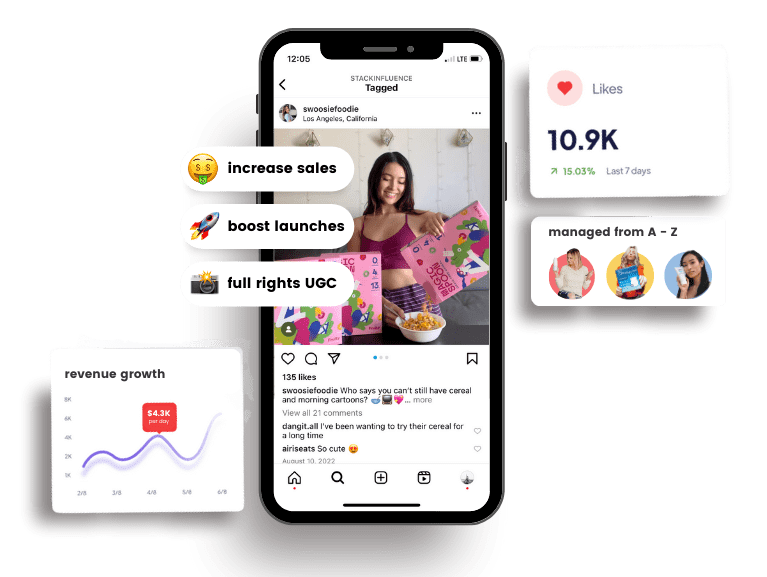

In the context of social media and influencer campaigns, whitelisting (also known as influencer allowlisting or even “creator licensing”) is the process of an influencer granting a brand permission to run paid ads through the influencer’s own social media account. In practice, this means the brand can promote content under the influencer’s handle – the ad looks like it’s coming from the influencer, not the brand. Essentially, the company is “allowed” to use the creator’s profile for advertising. For example, a clothing brand could pay to boost an Instagram post from a fashion micro-influencer’s account, reaching that influencer’s followers and new audiences, while the brand controls the targeting and budget behind the scenes.
How it works: The influencer typically approves the brand as an advertiser or shares certain access (via Facebook Business Manager, TikTok Spark Ads, or similar tools). Once allowlisted, the brand can create Sponsored posts or ads that appear in users’ feeds as if the influencer posted them. This is different from the brand simply reposting the influencer’s content on the brand’s page. In fact, influencer allowlisting is different from a standard influencer content usage (like posting influencer-generated content on your own feed) because with allowlisting, the ads run through the influencer’s account – preserving the influencer’s identity and voice in the promotion. The content can be the influencer’s existing post (now amplified to a wider audience) or a new “dark post” ad that doesn’t show on the influencer’s public profile but is shown as an ad to targeted users. Either way, it leverages the influencer’s credibility and style to make the advertisement feel more organic and authentic.
Synonyms and lingo: In influencer marketing you might hear whitelisting, allowlisting, partner or partnership ads, or creator licensing all used to describe this concept. Don’t get confused – they all refer to essentially the same tactic of brands running ads with creator content via the creator’s account. The industry is trending toward the term allowlisting, so we’ll primarily use that moving forward. (For clarity and SEO – and because many people still search for “whitelisting” – we’re using allowlisting vs whitelisting together in this article. More on that nuance shortly!)
The practice hasn’t changed – but the terminology is evolving for important reasons. Traditionally, tech and marketing used the terms “whitelist” and “blacklist” to designate what’s allowed vs. blocked. However, these terms have come under scrutiny because of the racial connotations associated with white=good and black=bad. While the intent behind whitelist/blacklist was never about race, the phrasing inherently carries a bias (white being equated with positive, black with negative) that many now recognize as problematic. Aspire, a leading influencer platform, noted that using such loaded terms – even unconsciously – can amount to a microaggression, reinforcing harmful stereotypes. In a push for more inclusive language, industries from cybersecurity to marketing have been retiring “whitelist” in favor of “allowlist” (and similarly “blacklist” is replaced by terms like “denylist” or “blocklist”) to describe approved vs. blocked lists.
This shift isn’t happening in a vacuum. Major organizations have led the charge in dropping the old terminology. For instance, tech giants like Microsoft, IBM, Google, and GitHub officially updated their documentation to use allowlist in place of whitelist. Even government agencies have made the change – the UK’s National Cyber Security Centre announced in 2020 it would use allowlist/denylist and found those terms “clearer and less ambiguous” than whitelist/blacklist. Influencer marketing, as a forward-thinking and inclusive industry, is embracing this change as well. Meta (Facebook/Instagram’s parent company) and other firms have even reached out to marketers to encourage adopting allowlist over whitelist in campaigns and materials.
Bottom line: Allowlisting vs whitelisting – there’s no difference in what you’re doing, only in what you call it. But words matter. Embracing the term allowlisting reflects a small yet meaningful step toward more inclusive language in marketing. Brands and platforms are increasingly adopting the new term to set a positive example (Aspire’s team, for example, publicly committed to switching to influencer allowlisting in all their materials). Don’t be surprised if “whitelisting” gradually fades out of industry vocabulary in favor of the more inclusive phrasing.
If allowlisting and whitelisting are the same thing, why are we even using both terms here? The reality is the transition is still in progress across the industry. Many marketers continue to say “whitelist” simply out of habit or because that’s the term they learned first. In fact, different companies have tried out various alternative terms (allowlist, safelist, grant list, etc.), so establishing one standard has taken time. This lack of instant alignment means you’ll encounter both words for now.
Another very practical reason: search engine optimization (SEO) and discoverability. The term whitelisting has been around for years, so a huge number of people still search for things like “influencer whitelisting” or “what is whitelisting?” online. Marketers worry that if they drop the word entirely, their content might not show up in those searches. It’s a valid concern – one study estimated about 85% of people searching for information on this topic are still using the old term “whitelisting,” versus only ~14% searching for “allowlisting” so far. Virtually no one wants to lose that search traffic or cause confusion by using a term their audience isn’t familiar with. As a result, many brands use both terms in their communications during this transition period. (Notice our title is Allowlisting vs Whitelisting – now you know why!)
SEO tip: Until allowlist becomes truly mainstream, it’s wise to include both terms in your content or explanations. As one marketing agency put it, articles and blogs should include both words to maximize chances of appearing in search results, since most people still query “whitelisting”. Over time, as allowlisting gains traction, this dual usage will become less necessary.
In short, expect to see allowlisting vs whitelisting used interchangeably for a while. Don’t let it confuse you – remember they mean the same thing in influencer marketing. Now, let’s explore why this practice (regardless of name) has become so important in the marketing playbook.
Beyond the terminology, influencer allowlisting itself is considered a game-changing strategy in digital marketing – particularly for social media advertising and influencer campaigns. In fact, running ads through influencer accounts has been called “one of the hottest growth hacks in eCommerce marketing today”. It’s a cornerstone tactic for many brands leveraging micro-influencers and creators to drive sales. Here’s a breakdown of why brands – from DTC e-commerce startups to major Amazon sellers – are using allowlisting to amplify their influencer marketing:

So, you’re convinced to give allowlisting a try – great! How do you actually do it? While specifics vary by platform, the overall process to whitelist (allowlist) an influencer’s content looks like this:
By following these steps, even first-timers can execute an influencer allowlisting campaign that drives results. The process might involve a bit of setup, but once you’ve done it, it becomes easier to rinse and repeat with other creators – and it’s extremely scalable. Some brands are running whitelisted ads with dozens of micro-influencers at once, essentially creating a micro-targeted UGC ad engine that runs 24/7. Platforms like Stack Influence (a micro-influencer marketing platform built by experienced Amazon sellers) even specialize in helping brands automate and scale these kinds of campaigns. The payoff – in more authentic marketing and better performance – is well worth it.
In the battle of allowlisting vs whitelisting, the winner is ultimately the marketer who understands and uses this powerful technique (and ideally uses the more inclusive term allowlisting moving forward). By allowlisting influencer content, brands large and small can supercharge their influencer marketing: you combine the authenticity and trust that creators have earned with the precision and scale of paid advertising. It’s a strategy that aligns perfectly with today’s consumer mindset – people crave real, relatable content (and authentic recommendations) even as they interact with ads. No wonder influencer allowlisting has become a staple in modern campaigns, contributing to the influencer marketing industry’s explosive growth (projected to reach over $16 billion annually by 2022).
As the marketing world continues to evolve, expect allowlisting to become even more commonplace – and likely the standard term – in discussions of influencer strategy. Forward-thinking brands are already swapping “whitelist” for “allowlist” in their playbooks, recognizing that inclusion and respect in language go hand-in-hand with innovative marketing. It’s a small change in wording that signals a larger awareness.
For now, savvy marketers will keep an eye on allowlisting vs whitelisting in their SEO and communications, ensuring they educate their teams and clients that it’s not a new tactic, just a better name. By staying ahead of the curve and embracing allowlisting (both the term and the technique), you’ll position your brand to build more genuine connections with audiences, all while driving superior results on your influencer campaigns.

By William Gasner
CMO at Stack Influence
William Gasner is the CMO of Stack Influence, he’s a 6X founder, a 7-Figure eCommerce seller, and has been featured in leading publications like Forbes, Business Insider, and Wired for his thoughts on the influencer marketing and eCommerce industries.
Want new articles before they get published? Subscribe to our Awesome Newsletter.
111 NE 1st St, 8th Floor
Miami, FL 33132



© 2025 Stack Influence Inc
© 2025 Stack Influence Inc
The post Allowlisting vs Whitelisting in Influencer Marketing appeared first on Stack Influence.





