


Choosing the right ecommerce platform can feel like a high-stakes decision, especially when your business growth is on the line.
Online stores aren’t just about selling a product—they’re about delivering seamless customer experiences, staying efficient, and scaling with ease. In this post, we’ll break down the top 10 ecommerce platforms for 2025, tailored to meet the diverse needs of businesses big and small, so you can find the perfect fit for your goals.

When choosing an ecommerce platform, it’s not just about what looks good or has the most features. An effective platform should align with your current needs and also be ready to support your future goals. From scalability to user experience, here’s what to focus on when evaluating your options.
Your business may be small today, but what happens when it starts to grow? It’s crucial to choose a platform that can scale alongside your company. Platforms with limited storage, bandwidth, or features can become roadblocks as you expand. Look for solutions offering unlimited listings, flexible scalability options, and robust server performance.
Nobody has time for a steep learning curve. A platform should make managing your store straightforward, even if you’re not a tech wizard. Features like drag-and-drop setups, template-based designs, and user-friendly dashboards can save you countless hours. An intuitive interface ensures you can spend less time troubleshooting and more time serving your customers.
Your customers will abandon their carts if checkout is too complicated or restrictive. Make sure the platform supports a variety of payment methods, including credit cards, digital wallets like PayPal or Apple Pay, and even Buy Now Pay Later (BNPL) options. Some platforms even offer integrated payment solutions to keep everything under one roof.
More shoppers are browsing and buying on their phones. A mobile-friendly design isn’t a bonus anymore—it’s a necessity. Check whether the platform offers fully responsive templates, ensuring your site looks great and functions perfectly on any device.
Your platform should work well with the tools you already use or plan to use. Integration capabilities for social media, email marketing, analytics, and shipping providers can make your operations much smoother. The availability of app marketplaces or add-ons is also a plus if you need more advanced functions later on.
Your store needs to be found online, and that means robust SEO functionality is a must. Look for ecommerce platforms with built-in SEO optimization, customizable meta tags, and easy integrations with tools like Google Analytics. Bonus points if the platform offers email marketing or affiliate program features to help you engage and convert customers.
A secure platform protects both you and your customers. Look for solutions that include SSL certificates, PCI compliance, and fraud detection capabilities. Trust is key in ecommerce, and strong security measures can make the difference.
Tech issues can crop up at the worst times. Having reliable, around-the-clock customer support can help solve problems before they hurt your bottom line. Whether it’s through chat, email, or phone, responsive support is a must-have, especially if you’re running a 24/7 online store.
Finally, consider the costs involved. Many platforms offer tiered pricing, so examine what’s included at each level. Be wary of hidden fees for features like additional bandwidth, payment processing, or abandoned cart recovery. Choose a platform that balances affordability with the features you truly need.
By focusing on these key factors, you can make an informed decision that sets your business up for success.
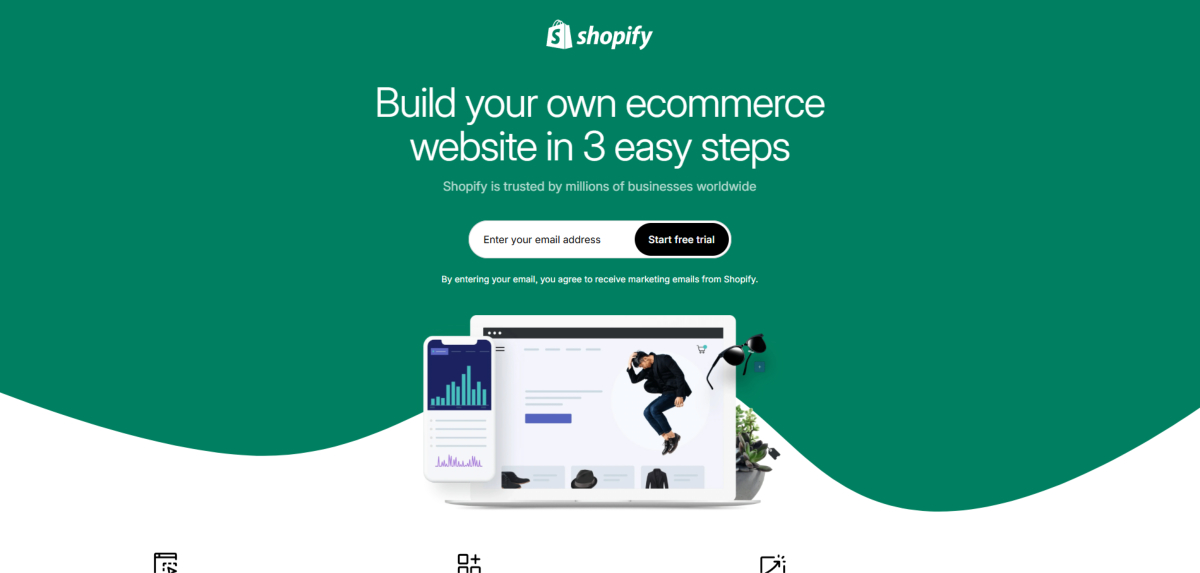
When it comes to ecommerce, Shopify stands out as a trusted platform for businesses aiming to grow, simplify operations, and sell across multiple channels. With Shopify’s reputation for merging simplicity with scalability, it has become a go-to choice for both budding entrepreneurs and seasoned store owners alike. Let’s break down why Shopify continues to dominate the ecommerce space.
Shopify packs a feature-rich toolkit built to meet the needs of modern retailers and online merchants. Whether you’re starting your first online store or scaling up to meet growing demands, here’s what makes Shopify special:
Shopify’s versatility means it appeals to a broad range of business types. But it’s especially beneficial for a few specific groups:
Shopify doesn’t just provide a platform; it delivers a toolkit for success. No matter where you are in your ecommerce journey, Shopify equips you to be agile, innovative, and competitive. For those ready to simplify operations, expand horizons, and achieve meaningful growth, Shopify sets the standard.
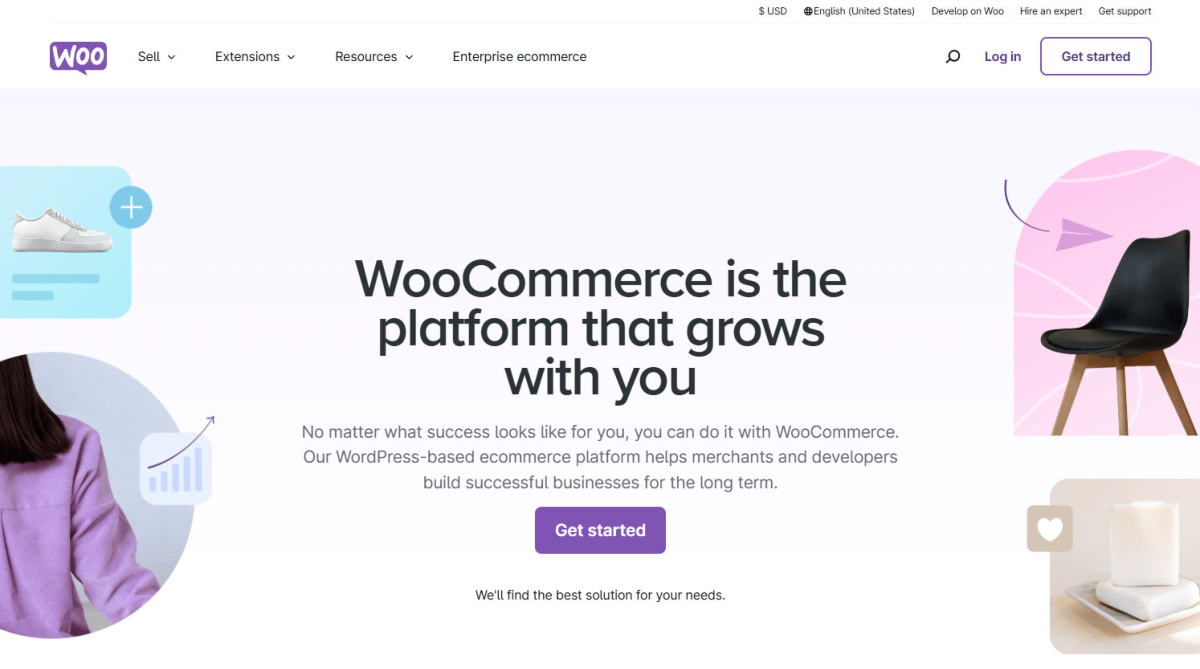
WooCommerce has long been a cornerstone in the ecommerce space for anyone relying on WordPress websites. Its adaptability, ease of use for experienced users, and wide set of features make it a standout option for businesses of all sizes. As a plugin, it transforms any WordPress site into a fully functional online store, making it especially appealing for those already familiar with the CMS.
WooCommerce offers several standout benefits, making it a preferred choice for businesses looking to grow with flexibility and control.
For a store owner who values control and customization over simplicity, WooCommerce feels more like steering a powerful race car than driving a basic sedan.
While WooCommerce provides unmatched flexibility, there are some considerations to keep in mind before choosing it for your business.
While WooCommerce is an ideal choice for advanced users seeking ultimate control, beginners and those without a WordPress background may find its complexity a hurdle. That said, as your skills grow, so does WooCommerce’s ability to evolve alongside your store’s needs.
Businesses considering WooCommerce should weigh the trade-off between flexibility and ease of use, but for those invested in the WordPress ecosystem, its robust features and scalability make it hard to beat.
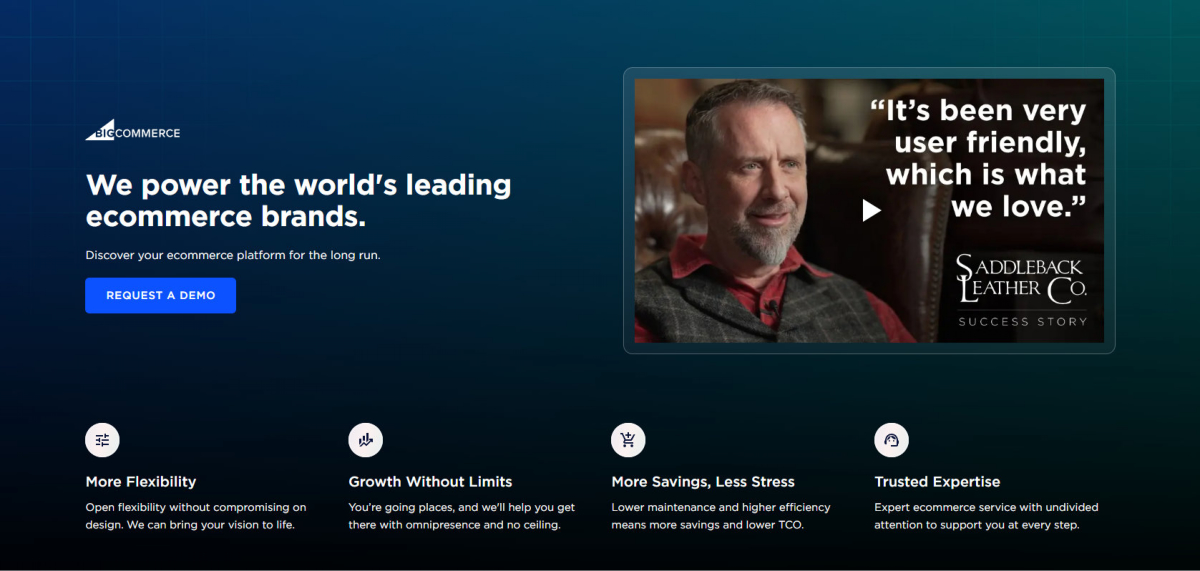
BigCommerce has positioned itself as one of the most reliable and comprehensive solutions for businesses aiming to scale their online presence. Known for its flexibility and robust feature set, this platform caters to those ready to take their ecommerce efforts to the next level. Whether you’re new to online selling or running a fast-growing brand, BigCommerce offers the tools to keep your operations seamless and efficient.
BigCommerce stands out by delivering features designed to empower growth and simplify online business management. Its capabilities are tailored not just for immediate needs but also for long-term scalability.
While BigCommerce is undeniably powerful, it’s not without its hurdles. Knowing these challenges upfront helps prepare for a smoother implementation.
For businesses focused on robust growth and scalability, BigCommerce provides a reliable foundation. However, success with the platform often depends on balancing its initial challenges with its long-term potential.
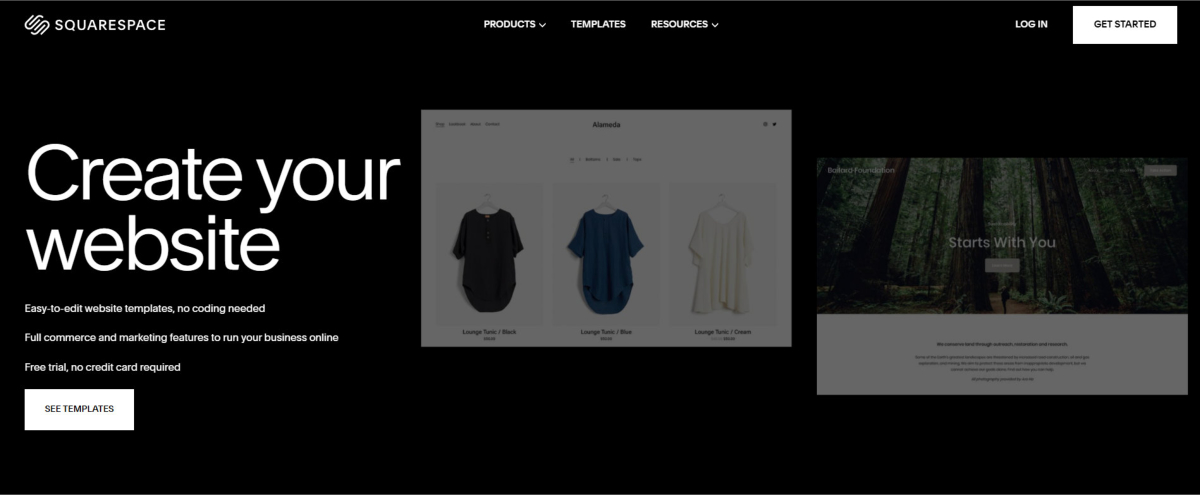
Squarespace is a well-known ecommerce platform widely celebrated for its stunning design capabilities and all-in-one approach to website building. It’s the go-to for entrepreneurs, creatives, and small businesses looking for a professional presence that doesn’t sacrifice usability for style. With its minimalist interface and focus on polished aesthetics, Squarespace makes setting up your online store feel simple yet impactful.
Squarespace stands out primarily for its focus on design and content integration. Its award-winning templates are visually striking and fully responsive, ensuring your store works seamlessly across devices. Whether you’re showcasing products or telling a story about your brand, these templates make commerce sites look just as good as websites in any other creative field.
One of the reasons Squarespace is ideal for creative entrepreneurs is the built-in blogging tools. Unlike many other platforms that treat blogs as secondary, Squarespace places them at the forefront, blending your content and store without missing a beat. This makes it an excellent option for brands that rely on storytelling or content marketing to drive engagement and sales.
Squarespace’s intuitive drag-and-drop editor lets you tailor elements like fonts, colors, and layouts, ensuring your design aligns with your brand. Plus, every site includes unlimited bandwidth and storage, giving business owners the peace of mind to scale their content and products without worrying about limits stifling growth.
While its aesthetic appeal is impressive, Squarespace does have limitations. For one, there’s no advanced inventory management solution baked into the platform. This means businesses with large amounts of stock or complex fulfillment logistics might struggle to stay organized. If you rely on tailored inventory controls, Squarespace might force you to seek external tools or integrations, which can add operational complexity.
Another constraint comes in the form of payment options. Squarespace supports standard gateways like Stripe and PayPal, but it doesn’t offer the breadth of payment solutions seen on other platforms. If you need to manage payment methods in multiple regions or offer alternatives like digital wallets or crypto, you may find its flexibility lacking.
Finally, while Squarespace does a decent job handling basic ecommerce functions, it doesn’t excel at omnichannel selling. If you’re reliant on integrating sales across marketplaces like Etsy, Amazon, or social media platforms, you might feel boxed in by its limited scope compared to competitors tailored for multi-channel strategies.
Squarespace is perfect for small and mid-sized businesses valuing design simplicity and content-first marketing. However, those with more complex operational needs might benefit from exploring alternatives that better align with long-term scalability.
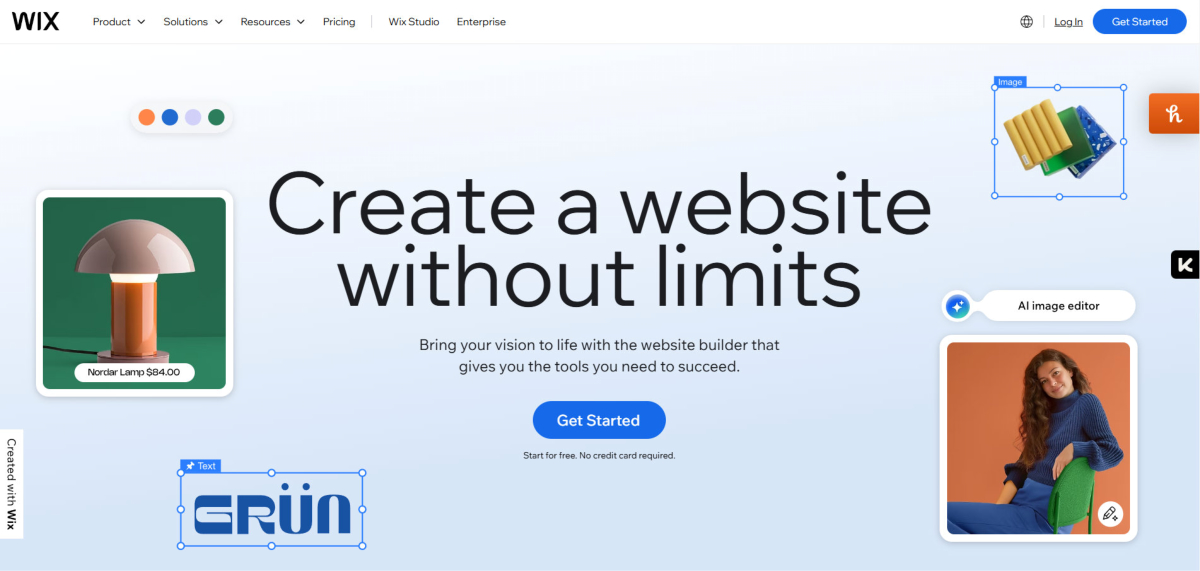
For ecommerce entrepreneurs starting their journey or looking for an intuitive platform, Wix emerges as a solid contender. Its simplicity combined with flexible tools allows new users to create and manage an online store without sweating the technical details. Whether you’re selling a few products or exploring creative ways to scale, Wix offers foundational features that get you up and running quickly.
Wix shines for those who value ease of use, cost-efficiency, and quick customer support. It prioritizes a user-friendly environment to streamline the ecommerce setup process.
Despite its beginner-friendly nature, Wix may not be the best fit for those pursuing long-term growth at a larger scale. Here’s where it falls short:
For smaller brands that prioritize simplicity and affordability, Wix sets a strong foundation. However, when growth turns exponential, its limitations might prompt entrepreneurs to graduate to platforms with advanced ecommerce functionality and scalability.
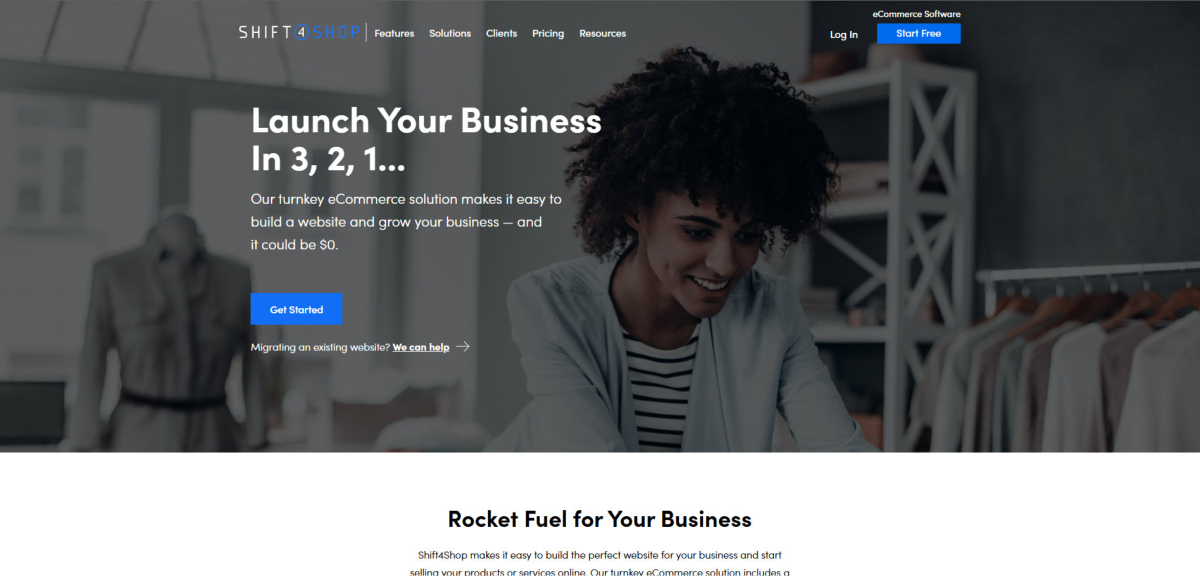
Shift4Shop offers a compelling package for small businesses looking to dive into ecommerce without breaking the bank. This platform stands out as one of the few solutions that provides a free plan for US-based merchants, making it an attractive option for cost-conscious entrepreneurs. Despite its simplicity, Shift4Shop equips users with secure and functional features designed to help them manage and scale online stores effectively.
Shift4Shop takes simplicity seriously, offering practical tools that don’t overcomplicate the user experience. Here’s why some business owners consider it the right fit:
Other highlights include unlimited product listings, users, and data storage – features typically reserved for premium plans on most competitors.
While Shift4Shop offers excellent value for many users, it’s not without limitations. Some businesses might find these restrictions to be dealbreakers:
Despite its drawbacks, Shift4Shop is a no-frills solution that delivers on essentials for small businesses. It’s a trade-off between affordability and extensive features, so assessing your priorities is crucial for making the right decision.
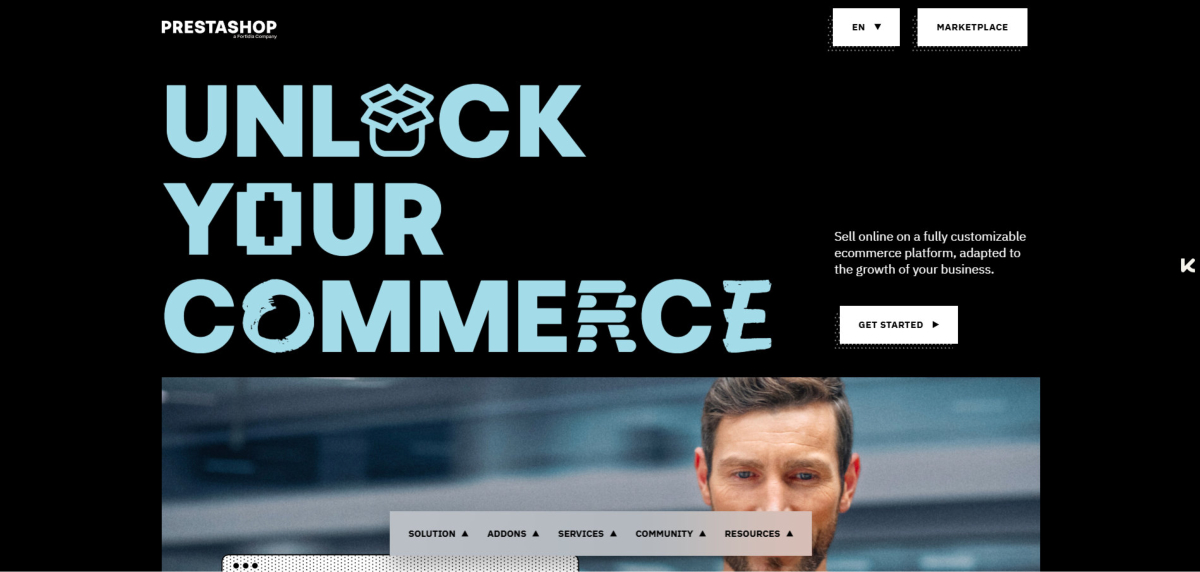
For business owners seeking an adaptable and budget-friendly option, PrestaShop emerges as a standout ecommerce platform. This free-to-download solution combines flexibility with a robust array of plugins, offering opportunities to tailor your online store to meet specific goals. Whether you’re just starting your business or looking for a scalable tool, PrestaShop caters to a wide range of needs. Below, we’ll take a closer look at the advantages and potential challenges, helping you decide if this is the right platform for your store.
PrestaShop’s biggest appeal lies in its cost structure and adaptability. Unlike many platforms that tie advanced functionality to premium plans, PrestaShop allows you to start with minimal expenses and scale up at your own pace.
Here’s why small businesses and entrepreneurs often gravitate toward PrestaShop:
This accessibility and extensive plugin ecosystem make PrestaShop a favorite for brands that value affordability paired with customization.
But no platform is perfect, and PrestaShop is no exception. While it excels on flexibility and cost-effectiveness, these strengths come with trade-offs that are worth considering before committing.
PrestaShop thrives as an option for those willing to put in the work to make the most of its features. However, less technical users looking for streamlined solutions may find options like Shopify or Wix more approachable alternatives.
By weighing the benefits of adaptability and affordability against the potential challenges, you can decide whether PrestaShop aligns with your ecommerce goals.
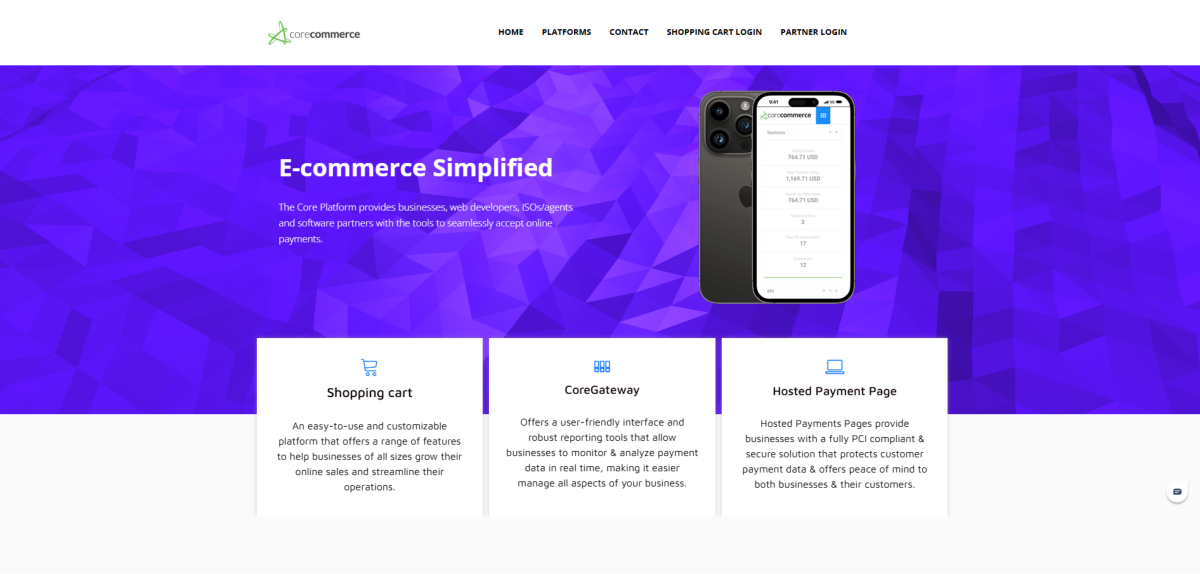
CoreCommerce distinguishes itself as an ecommerce solution built with financial functionality at its core. For businesses prioritizing smooth and efficient payment handling, this platform offers features tailored to meet the demands of modern online transactions.
CoreCommerce supports business owners through a suite of payment-related features that enhance efficiency and professionalism. These benefits help streamline operations and build credibility with customers.
By focusing on such areas, CoreCommerce becomes an essential tool for ecommerce businesses with specific payment processing needs.
Every tool has its strengths, but CoreCommerce does have a few limitations that may deter some users. These challenges are important to consider before diving in.
Although its features are robust, CoreCommerce might not be ideal for beginners who value a simplified approach to setup and management. Businesses willing to invest the time in understanding its tools, however, will find it an invaluable asset.
By weighing these pros and cons, you can decide whether CoreCommerce fits the specific goals and skill set of your ecommerce venture.
When running a hybrid business—one that blends physical and online operations—it can be challenging to find a platform that meets your needs. Square Online delivers solutions designed specifically for this niche. It seamlessly connects in-person transactions with digital sales, making it an excellent choice for businesses operating in retail, food service, or any environment where omnichannel functionality is critical.
Square Online stands apart thanks to its omnichannel payment capabilities and straightforward integrations with other Square products. If you’re already using Square’s point-of-sale (POS) system, integrating it with Square Online is effortless.
What does this mean for your business? Here’s a breakdown of standout features:
This ease of integration makes Square Online a natural choice for businesses that don’t want to juggle multiple systems or pay hefty fees for technical expertise.
Despite its strengths, Square Online comes with a few drawbacks that may be worth considering, especially for businesses looking to scale aggressively.
For hybrid businesses, Square Online excels in connecting the physical and digital worlds but leaves room for improvement when it comes to scaling and handling larger product volumes.
The ecommerce environment is evolving rapidly, shaped by technological innovations, shifting customer expectations, and global market dynamics. Understanding the trends that will define ecommerce platforms in 2025 is critical if you want to stay competitive and meet customer demands head-on. Here’s a breakdown of trends that are set to impact the future of ecommerce.
In 2025, personalization will move from a “nice-to-have” to a “must-have” feature. Advanced AI will empower ecommerce platforms to craft hyper-targeted shopping experiences based on individual customer behavior. Platforms are leveraging machine learning to predict purchasing patterns, recommend products, and even adjust pricing dynamically based on demand.
For store owners, this personalization increases conversion rates and customer loyalty. Imagine being able to show every customer a version of your store that feels tailored to them. Many platforms, like Shopify, are quickly adopting AI tools that make such features accessible. Explore more about the use of AI in ecommerce growth here.
Shopping on social media isn’t slowing down—in fact, it’s growing exponentially. Platforms like Instagram and TikTok are not just content hubs anymore; they are becoming serious sales channels. Ecommerce platforms are integrating seamlessly with these networks, offering tools that allow businesses to sell directly within a social app without redirecting users to another website.
This trend is especially powerful for brands targeting younger audiences who are more likely to make impulse purchases while browsing on their favorite social platforms. If you’re not using social commerce by 2025, you’ll be leaving money on the table.
The rise of smart speakers such as Alexa and Google Nest means voice search capabilities are expanding within ecommerce. By 2025, customers will expect more platforms to offer voice-enabled shopping, enabling consumers to find, add to cart, and even purchase items through voice commands. For example, a customer might ask, “Alexa, reorder my last set of dog food,” and in seconds, the task is complete.
Voice commerce also requires companies to rethink SEO strategies. Optimizing for voice-based searches, which often come in the form of conversational queries, will become increasingly important.
Eco-conscious consumers are demanding more sustainable shopping options, and ecommerce platforms are responding with features aimed at reducing their environmental impact. Tools that calculate the carbon footprint of a purchase or offer carbon-neutral shipping options are becoming standard. Sustainable packaging solutions and transparent supply chains will also be key selling points for brands adapting to this trend.
Customers are shopping with their values in mind, and failing to embrace sustainability efforts could likely push buyers toward competitors that prioritize eco-friendly practices. Learn more about consumer behavior shifts and ecommerce strategy here.
Augmented reality is quickly redefining the way customers shop online. Features like virtual try-ons for clothes, “place it at home” furniture previews, and 360-degree product views will become more prevalent. By 2025, platforms will likely offer AR capabilities as a built-in feature rather than requiring third-party plugins.
AR helps bridge the gap between online and in-store experiences by building customer confidence. Customers can make more informed decisions, which reduces return rates—a win-win for businesses and consumers.
Headless ecommerce separates the front-end customer-facing interface from the backend functionalities of online stores, offering unmatched flexibility. This setup has gained traction and will continue to dominate in 2025, especially for businesses that want to provide highly customized experiences across multiple touchpoints.
Headless commerce is ideal for companies ready to invest in meeting customers wherever they are, from websites to mobile apps to IoT devices.
As ecommerce operations handle more customer data than ever before, security and privacy will remain focal points. Beyond compliance with regulations like GDPR and CCPA, platforms are introducing enhanced encryption, fraud detection tools, and customizable privacy settings.
Ecommerce platforms are expected to empower businesses to offer secure yet user-friendly shopping journeys—protecting customers while simplifying checkout processes.
By identifying and integrating these emerging trends, savvy merchants and ecommerce professionals can sharpen their competitive edge. To further explore trends around the corner and their potential, check out this guide on innovations redefining ecommerce.
Navigating the ecommerce landscape successfully starts with choosing the right platform tailored to your business goals. Whether you prioritize scalability, ease of use, design flexibility, or cost-efficiency, the platforms discussed present diverse opportunities to grow your online presence.
Understanding the nuances of each platform ensures you’re not just picking a tool but making a strategic decision to meet your unique operational needs. From Shopify’s omnichannel capabilities to PrestaShop’s cost-effective customization, each platform has features designed for specific business scenarios. Take stock of your technical expertise, growth expectations, and budget to match with the right solution.
Ready to take your business further? Explore emerging industry trends to stay ahead of the competition. Discover how new ecommerce shifts are reshaping the future of online retail.
Focus on scalability, user interface, and integrations. Ensure it offers mobile optimization, versatile payment options, and strong SEO tools to reach customers effectively.
Shopify and Wix are great for small businesses due to their affordability, scalability, and user-friendly interfaces. Both offer essential features to grow online.
Free platforms like WooCommerce (free core plugin) or Shift4Shop can work, but scaling often incurs hosting or extension costs. Choose based on your future growth needs.
A common myth is that “more features always mean better.” Instead, focus on features that align with your specific business goals without overcomplicating the setup.
With most customers shopping on their phones, a mobile-responsive design ensures your site loads quickly and looks great on any device, boosting conversions.
AI tools analyze user behavior, offering tailored product recommendations and shopping experiences. This improves engagement and increases sales.
Yes, platforms like BigCommerce that support unlimited products prevent constraints as you expand. Avoid options that limit catalogs or charge for extra capacity.
Squarespace is ideal for creative brands with its design-focused templates and integrated blogging tools. It blends storytelling with ecommerce functionality seamlessly.
Use platforms like Shopify or BigCommerce to connect with social networks like Instagram or TikTok. Sell directly through social apps for better engagement and reach.
Start with optimized meta tags, unique product descriptions, and fast-loading pages. Platforms with built-in SEO tools like Shopify make this process easier to manage.





