Create a custom shirt with Printify
Choosing the best fabric for t-shirts can be tricky. Cotton, polyester, cotton blends, and other t-shirt fabrics all print, wear, and feel different, affecting print quality, comfort, and the printing methods you can use.
This t-shirt fabric guide breaks down the best options for Print on Demand, so you can pick the right fabric for custom t-shirts with more confidence and build better products with Printify.
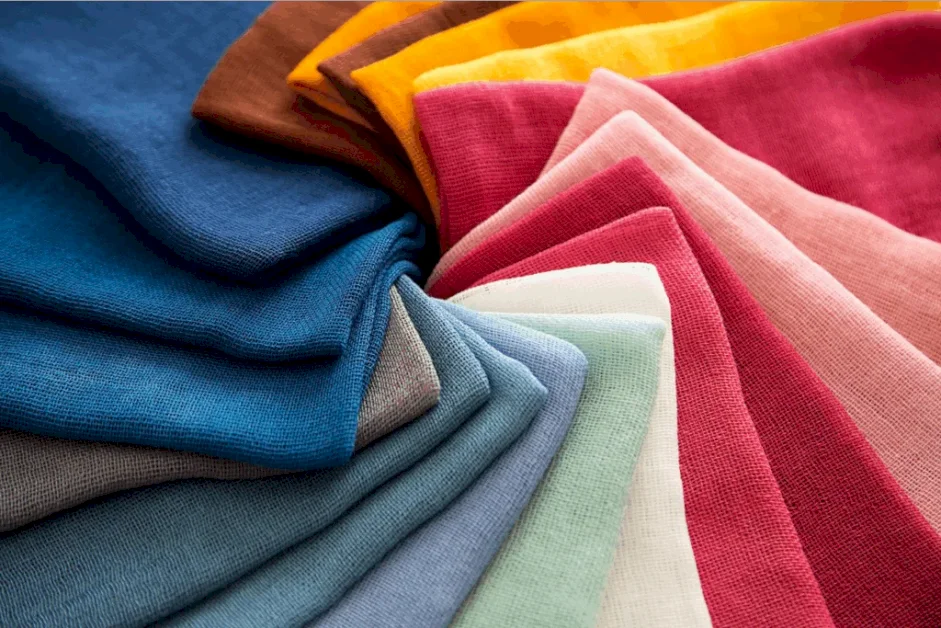
The fabric you choose affects everything: how the shirt feels, how long it lasts, and how well your design prints. Before diving into each option, one rule of thumb: your print method should be the first filter. Sublimation needs polyester. Direct-to-garment (DTG) needs cotton-rich fabric. Direct-to-film (DTF) is more flexible. That one decision can immediately narrow the list.
We’ll cover the most common shirt fabrics used for print-on-demand custom t-shirts – from the go-to options to the more niche picks. Use the table below and the detailed deep dives later to compare comfort, durability, and print compatibility before you choose a blank.
| Fabric type | Print compatibility | Feel | Breathability | Durability | Stretch | Best for | Downsides |
| Cotton | DTG, DTF, screen printing, embroidery | Soft, natural, and familiar | High | Medium | Low | Everyday basics, relaxed fits, soft retail t-shirts | Can shrink, wrinkle, and dry more slowly |
| Polyester | Sublimation, DTF, embroidery | Smooth to slightly slick, depending on the knit | Low to medium | High | Low | Athletic apparel, travel basics, low-maintenance shirts | Less breathable, may hold odor, can feel less natural on the skin |
| Cotton-polyester blends | DTG, DTF, screen printing, embroidery | Balanced, often a bit softer than polyester and more stable than cotton | Medium | Medium to high | Low | Versatile custom t-shirts, uniforms, and everyday retail | Less airy than pure cotton, feel varies by ratio |
| Tri-blend fabric | DTF, screen printing, embroidery | Very soft, lightweight, and drapey | Medium | Medium | Low | Premium basics, fashion tees, relaxed fits, vintage-style looks | Usually costs more, may feel too thin or less structured |
| Linen | Embroidery, DTF | Airy, crisp, and textured | Very high | Medium | Low | Warm-weather basics, elevated casualwear | Wrinkles easily, can shrink, and often costs more than cotton |
| Cotton-spandex blend t-shirts | DTF, embroidery | Soft with a tighter, stretchier fit | Medium | Medium | Medium to high | Fitted t-shirts, fashion basics, close-fit silhouettes | Less structure, stretch may relax over time |
| Bamboo fabric/ rayon | DTF, embroidery | Smooth, fluid, and super soft | Medium | Medium | Low to medium | Lounge styles, soft premium basics, lightweight casualwear | Fiber labeling can be confusing, often costs more, less rugged than classic jersey |
| Modal | DTF, embroidery | Silky, light, and very soft | Medium | Medium | Low to medium | Premium basics, drapey tees, softer fashion styles | Less durable than denser knits, may feel too delicate for some product types |
| Hemp blends | DTF, embroidery | Dry, textured, and more structured at first | High | High | Low | Eco-focused apparel, rugged basics, casual styles with texture | Can feel coarse initially, less common in POD catalogs |
So, what is the most comfortable t-shirt material? Let’s look closer at each of them. Hint: When choosing fabric for printing, it all depends on the purpose and decoration method.
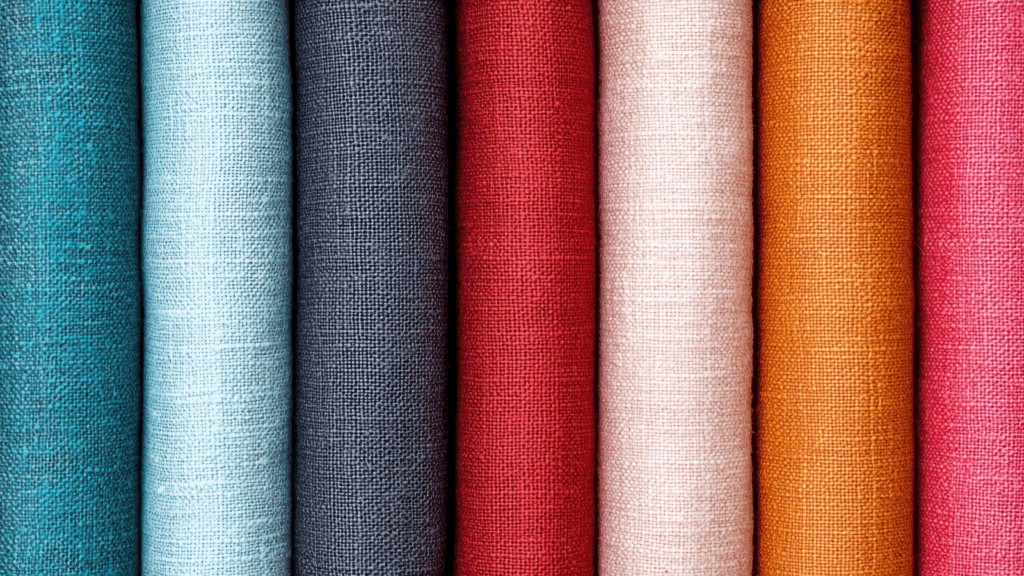
For many sellers, standard cotton is the default. It feels familiar, breathes well, and suits everyday wear better than most alternatives.
Cotton t-shirt fabrics are a strong fit for lifestyle brands, artist merch, and store owners who want broad appeal without overcomplicating the product lineup. A safe bet, versatile appeal – that’s why it’s the best t-shirt material for beginner sellers.
It also performs well across popular print setups. Because cotton fibers absorb ink well, it produces strong results with direct-to-garment (DTG) printing, direct-to-film (DTF), embroidery, and screen printing.
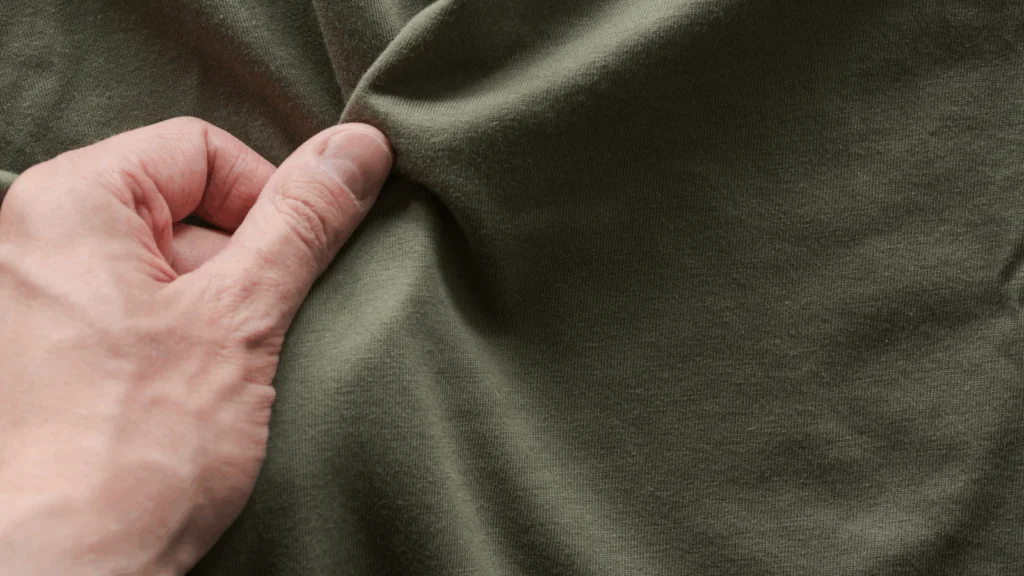
The feel depends on the yarn and finish:
How to wash cotton shirts? In cold water on a gentle cycle. Turn them inside out, use mild detergent, and avoid bleach or high heat. Air-drying works best, but low heat in the dryer also helps cotton keep its shape, color, and print quality after multiple washes.
Here are some of our customizable cotton t-shirts:
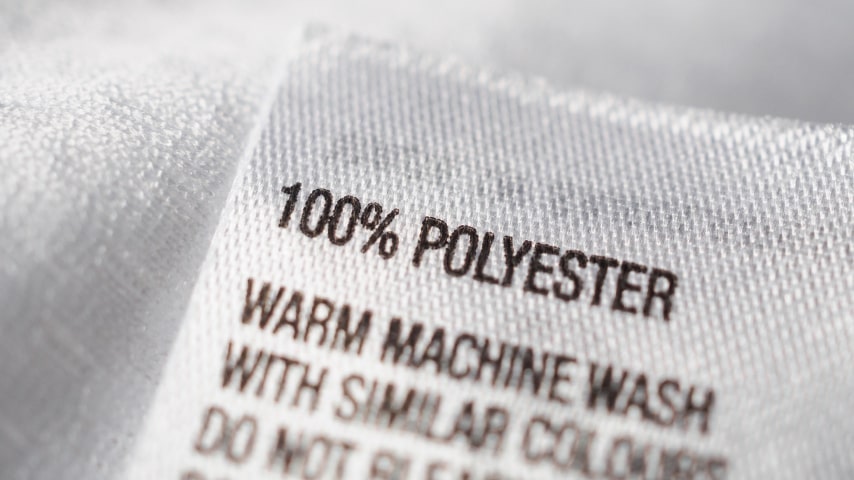
Polyester is built for performance, durability, and easy care. If cotton wins on softness and familiarity,polyester wins on resilience. It handles sweat, friction, and repeated washing better than many natural options. This makes polyester t-shirts a practical choice for sports, travel, uniforms, and low-maintenance collections.
Its biggest strength is function. Polyester dries quickly, retains its shape, and has strong moisture-wicking properties. It’s a natural fit for athletic apparel and performance t-shirts.
As for print: When it comes to all-over color and bold graphics, polyester remains the standard for sublimation printing and can withstand multiple washes.
The downside is comfort. Some polyester knits feel smooth and light, but others trap heat and hold odor more easily than cotton and might not be the right material for warmer climates.
How to wash polyester t-shirts? Machine wash in cold water on a gentle cycle with mild detergent. Turn printed shirts inside out, avoid bleach, and skip high heat. Follow polyester drying instructions carefully – air-dry or tumble-dry on low to avoid damage, shrinkage, and print wear.
Check out some of our most popular polyester shirts:
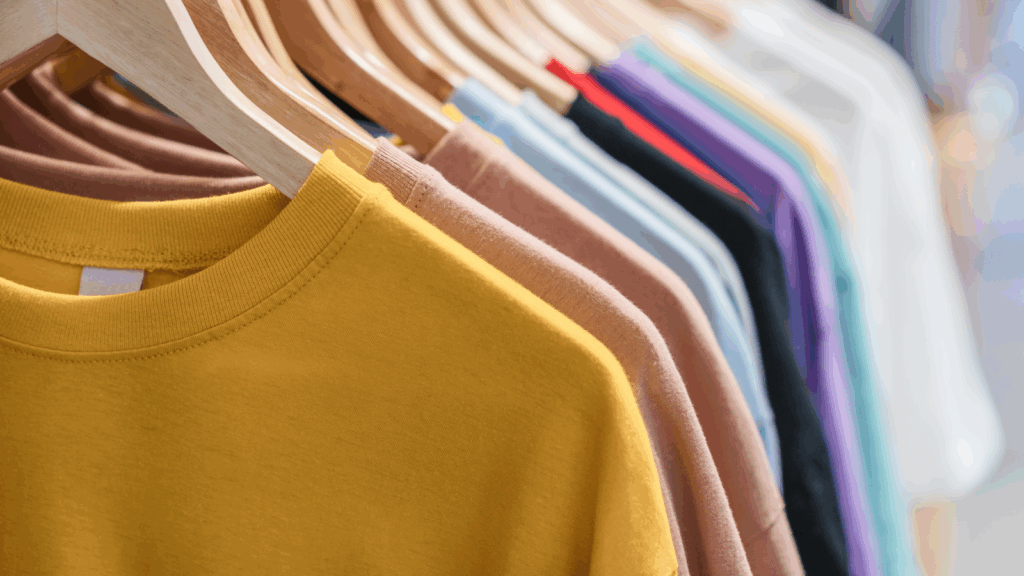
Blended fabrics combine two or more different fabrics – usually a natural and a synthetic fiber, like cotton and polyester. The goal is to get the best of both: better durability, stretch, or ease of care, without giving up softness or breathability.
There’s no single best t-shirt fabric blend – it depends on what you’re building. Here’s a breakdown of the most common options:
Most common blend ratios
Check out some of our best-selling t-shirt blends:
Tri-blend fabric combines polyester, cotton, and rayon – and the result is one of the softest, most drapey options in the t-shirt market.
The mix gives tri-blends a lighter, silkier hand feel than standard cotton-polyester blends, with a slight stretch and a relaxed drape that works well for vintage-inspired and fashion-forward styles. If you’re building a premium basics line or lifestyle brand, tri-blend t-shirts are worth a serious look.
Here are some of our customizable apparel made from tri-blends:
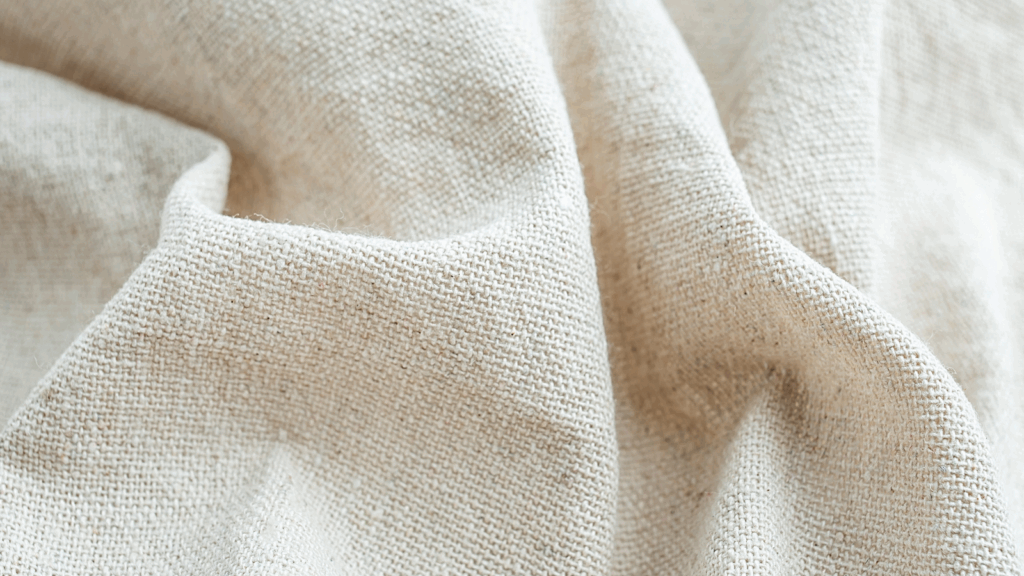
Linen sits outside the main POD lane, but it still matters. It’s one of the most breathable t-shirt fabrics available, making linen t-shirts a strong choice in warm-weather collections, resortwear, and premium basics with a relaxed feel.
Linen shirts also pair well with embroidery – the natural texture adds a premium feel, leading to premium margins.
Linen shirt maintenance is very similar to cotton, but it usually requires a gentler wash cycle and more care when drying to control shrinkage and wrinkling. Always check the label.
Bambooand modal fabric both appeal to shoppers who care most about softness and drape. They often show up in premium basics because they feel incredibly soft, smooth, fluid, and light on the skin.
The main bamboo t-shirt benefits are comfort, softness, and a clean, premium feel, while modal offers a similar effect with an even silkier finish.
Neither is the right call for rugged basics, but they do suit brands chasing a softer, more elevated hand feel. If you’re asking for the most comfortable t-shirt fabric, these deserve a mention.
Hemp is niche. But if softness isn’t the only goal, hemp t-shirt durability makes it worth watching.
Hemp blends often feel more textured and substantial than bamboo or modal, and they appeal to brands building around natural-looking, lower-impact fabric stories.
Now that you’ve seen how the main t-shirt fabrics compare, here’s how to make the call for your store.
To pick the right material, look at the things customers notice first: weight, softness, breathability, stretch, durability, and how well the shirt works with different printing methods.
Those t-shirt fabric properties shape the fit, the feel, the print result, and how the shirt holds up over time.
This should come first. A print can look great on one shirt and fall flat on another because the design doesn’t interact with every surface the same way.
That makes all the difference when you’re choosing blanks for custom designs or premium retail products.
| Print method | Best fabric types | Best for |
| DTG | Cotton, cotton blends, organic cotton | Detailed graphics, full-color artwork, soft-hand prints |
| DTF | Cotton, polyester, many t-shirt blends | Versatile POD use, bright graphics, and different fabric blend catalogs |
| Screen printing | Cotton, cotton blends | Bold graphics, simple designs, larger runs, promotional tees |
| Sublimation | Polyester, polyester-rich blends. | All-over prints, sportswear, and activewear |
| Embroidery | Cotton, polyester, stable blends, linen | Logos, text, premium finishing |
Fabric weight tells you how light or heavy a t-shirt feels. You’ll usually see it listed in GSM (grams per square meter). Lower GSM means a lighter shirt. Higher GSM means a thicker one.
Natural fibers like cotton and linen usually feel softer and more breathable. They work well for daily basics and designs where comfort matters as much as the print. Cotton tends to give a cleaner print surface, especially when the knit is smooth and even.
Synthetic fibers like polyester dry faster, resist wrinkling, and handle sweat better. That makes them a better match for sports, uniforms, and technical products. If performance matters more than softness, polyester makes more sense.
Most sellers land somewhere in the middle, which is where fabric blends come in. A cotton-poly blend gives you some of the comfort of cotton with better durability and easier care. That’s one reason blended fabrics stay popular in Print on Demand.
Specs help, but feel closes the sale. A shirt can have a strong design and still disappoint if it feels stiff, scratchy, or flimsy.
Look for a soft material if you’re building lifestyle products, artist merch, or premium basics. Cotton, softer fabric blends, and some performance jerseys can all work here.
If you want a cleaner, more polished print surface, look for materials with a smooth texture, like tri-blend fabrics. If you want structure, go for a heavier knit or a denser blend.
How to check it?Order samples. Don’t sell things you haven’t seen yourself.
Care instructions affect customer satisfaction more than most sellers expect. Include basic t-shirt fabric care tips in your product listings – in our Catalog, every listing tells you exactly what and how to care for the item.
These details shape how the shirt looks after repeated wear, so they belong in the decision too.
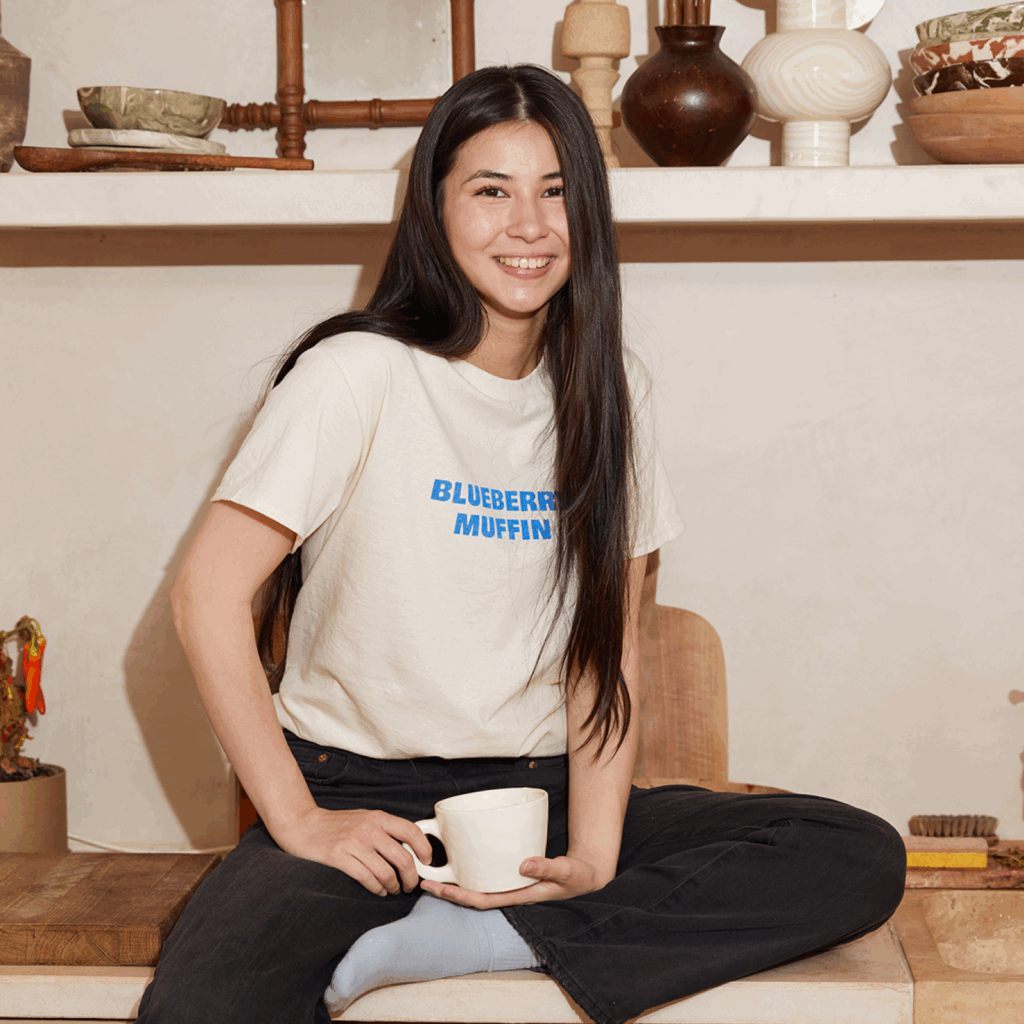
If you’re looking to start an online t-shirt business, Printify makes it straightforward. You design custom shirts made from the best materials and list them in your online store.
Once a customer orders, our Print Providers will print and ship the t-shirts right to their doorstep. There are no upfront costs or risk of unsold stock because each order is made on demand.
Create your free account on Printify to access our beginner-friendly design tools and over 1,300 products, including custom t-shirts and other apparel made from high-quality fabrics.
Browse our Catalog to find various types of shirt materials for your store. Once you’ve chosen your shirt, click Start designing.
Use the Product Creator to upload your designs or create something new. Experiment with placement, colors, AI-generated art, and our free graphics until your t-shirts look just right.
Easily integrate your Printify account with popular eCommerce platforms and marketplaces like Shopify, Etsy, Wix, and TikTok Shop for seamless product listing and order management. Keep track of everything in a single dashboard for maximum convenience.
Write your product titles and descriptions, click Publish, and start promoting your t-shirts using social media, SEO, and online advertising to drive traffic and sales.
The best t-shirt material depends on the purpose – cotton for everyday comfort, polyester for performance, and blends for versatility.
100% cotton is often one of the best shirt choices because of its natural breathability, softness, and comfort. It absorbs moisture and feels gentle on the skin, making it ideal for casual or dress shirts.
However, it wrinkles easily and may shrink in the wash. Cotton blends may be a better option for people who prefer low-maintenance clothing or need extra stretch.
The highest-quality cottons for shirts are Egyptian, Pima, and combed ring-spun cotton.
Pima cotton is known for its softness, strength, and resistance to fading and wrinkling. Egyptian cotton is similarly luxurious, with its long fibers creating a smooth, durable fabric.
Combed ring-spun cotton also ranks high. It’s processed to remove impurities and tightly spun, producing a soft, smooth surface ideal for prints.
High-quality t-shirts are most commonly made from 100% cotton, sustainable fabrics like organic cotton or linen, or premium cotton blends.
Sustainable fabrics, such as organic cotton or linen are especially popular for summer wear and eco-friendly lines – gentle on sensitive skin and breathable.
Cotton-polyester or cotton-polyester-rayon blends combine softness with stretch, moisture wicking, and durability, making them a top choice for high-end activewear.
For staying cool, linen and lightweight cotton are the best options – with cotton being the more practical choice for t-shirts.
Linen is breathable, allowing maximum airflow in hot weather – but it wrinkles easily, which is why it’s a less popular t-shirt fabric.
Cotton is often recommended as the best t-shirt fabric: it’s soft, breathable, less likely to wrinkle than linen, and absorbs sweat well.
Moisture-wicking synthetics like polyester blends can also keep you cool and dry through a summer heatwave.
Choosing the best fabric for t-shirts is one of the most important steps in creating standout custom merch. It shapes how your customers feel wearing your shirts, how long those shirts last, and how well your designs come through. Get it right, and it shows.
Printify covers everything from soft lightweight cotton t-shirts to premium tri-blend fabric – across hundreds of customizable t-shirts at prices that work for your margins.
Ready to put this guide to work? Sign up for Printify today and start creating unique, custom t-shirts to sell with confidence!
The post Best fabric for t-shirts: The complete guide appeared first on Printify.