

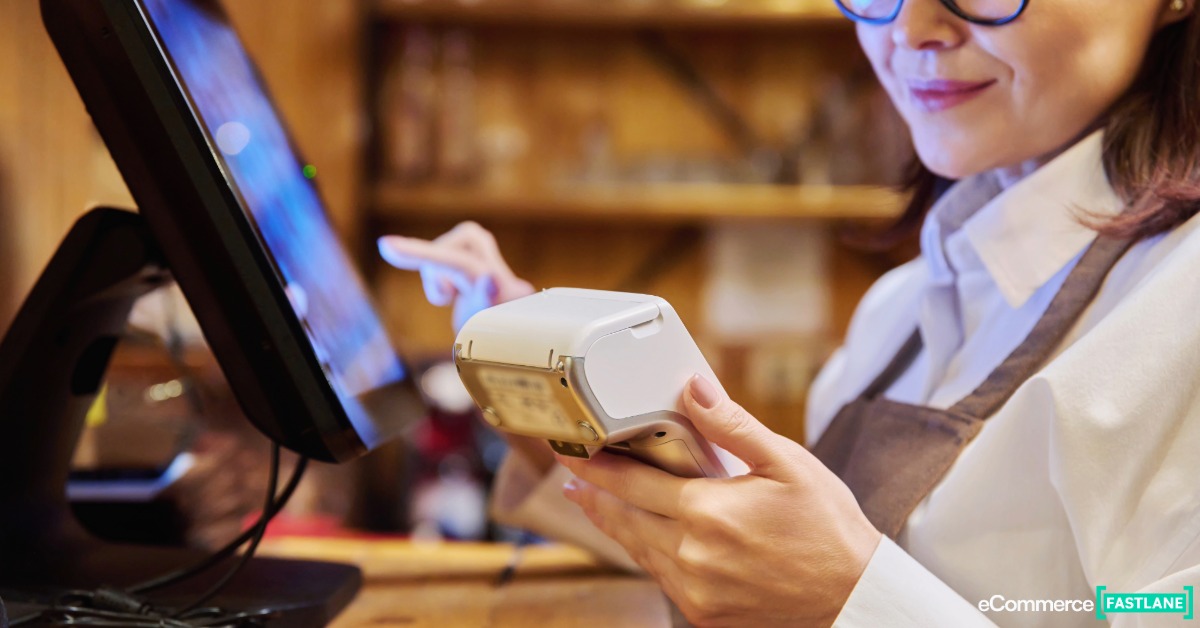
For most independent restaurants and small chains managing both dine-in and takeout, the best restaurant POS system is one built specifically for food service workflows, not a retail system with restaurant features bolted on. BLogic Systems, Loyverse, Rezku, Lavu, and GloriaFood POS each earn that distinction, though the right pick depends on your volume, budget, and delivery setup.
Most restaurants don’t fail because of bad food. They fail because the operations behind the food fall apart — and the POS system is where that pressure shows up first, loudest, and most expensively.
Most restaurants don’t fail because of bad food. They fail because the operations behind the food fall apart. A restaurant POS system is where that pressure shows up most clearly, from ticket crashes during Friday dinner rush to delivery orders getting lost between DoorDash and the kitchen printer. After reviewing dozens of platforms across independent diners, multi-location chains, and food trucks, the gaps between a good system and a great one became obvious fast. This guide breaks down five strong options, what they actually do well, and who each one fits best.
How this ranking was put together
Each option was assessed using publicly available information pulled from user reviews, software directories, case studies, and official product pages. Only platforms with a verifiable track record in food service made the cut. Ratings, feature sets, and real-world feedback were all part of the picture.
→ See the full research breakdown
Picking the wrong POS system doesn’t just cost money upfront. It costs you in slower table turn rates, frustrated staff, and orders that slip through during peak-hour rushes.
Think about managing 50 covers while three DoorDash tickets and two Uber Eats orders pile up at the same time. A system that can’t handle that load without slowing down or crashing will hurt your average transaction processing time and your reputation.
Staff turnover in food service is notoriously high. So a platform that takes three days to learn is a problem that repeats itself, constantly. The right system cuts that training time down by a lot.
When you pick a POS built for food service, you get better system reliability, faster transactions, and a smoother connection between the front and back of house. That’s what creates real improvement across every shift.
Note: All data in this table is sourced from review platforms and the official websites of the listed companies.
| Company Name | Years Operating | Headquartered In |
| BLogic Systems | Est. 2010 | San Jose, California, USA |
| Loyverse | Est. 2014 | Limassol, Cyprus |
| Rezku | Est. 2012 | Sacramento, California |
| Lavu | Est. 2010 | Albuquerque, New Mexico |
| GloriaFood POS | Est. 2013 | Bucharest, Romania |
What Services Does BLogic Systems Offer?
BLogic Systems delivers an integrated POS and payment processing platform built for food service. Their system covers everything from table management and menu setup to kitchen display systems and employee scheduling. Payment processing runs through BlogicPay®, which includes an optional 0% credit card fee program (that alone gets attention from independent operators watching margins). The platform supports DoorDash, Uber Eats, and Grubhub natively, and it keeps processing payments offline when the internet goes down.
Why Does BLogic Systems Stand Out for Restaurant POS Systems?
Restaurants that run hybrid cloud-plus-offline architecture never face the nightmare of a full system outage during a dinner rush, and that’s exactly what BLogic Systems built their platform around. With over $10 billion in processed transactions and more than 5,000 merchants served since 2010, their real-world track record is hard to argue with.
What Users Are Actually Saying:
Operators consistently point to the 24/7 live technical support as a major differentiator, especially during high-volume service periods when going offline isn’t an option. The customized setup and migration support also come up frequently, which suggests BLogic Systems doesn’t just hand you software and walk away. And honestly, for restaurants switching from older systems, that kind of hands-on transition support is rare and genuinely useful.
What Services Does Loyverse Offer?
Loyverse offers a free POS platform designed for small and medium-sized food service businesses. Their system handles sales tracking, inventory management, and employee oversight, while a built-in loyalty program adds retention tools that most free platforms skip entirely. They connect with major payment gateways and support add-ons for advanced inventory and employee management at affordable monthly rates. The free entry point is what makes Loyverse genuinely appealing for new or budget-conscious restaurant operators.
Why Does Loyverse Stand Out for Restaurant POS Systems?
For small restaurants that need a functional, reliable POS without committing to expensive monthly subscriptions, Loyverse removes that financial hurdle completely. The fact that they’ve built a user base of over one million registered businesses across 170+ countries shows this isn’t just a bargain option with rough edges.
What Users Are Actually Saying:
Review platforms like Capterra, G2, and Trustpilot consistently highlight the platform’s ease of setup and the value of the free loyalty program. Small restaurant owners mention that getting up and running takes very little time (which matters a lot when you’re a two-person operation). The add-on pricing structure keeps things affordable as the business grows, too.
What Services Does Rezku Offer?
Rezku covers the full stack of restaurant management needs: point of sale, online ordering, guest reservations, waitlist management, kitchen management, inventory tracking, and employee oversight. Founded by a restaurateur, the platform was built from an insider’s perspective, and that shows in how the features are structured around real service flows rather than generic retail logic. Their development team pushes out 300+ new features and updates annually (all built in-house by US-based teams), and their base plan starts at $0 per month, making what are usually enterprise-level tools accessible to independent operators.
Why Does Rezku Stand Out for Restaurant POS Systems?
Independent restaurants often get left behind by systems designed for chains. Rezku targets that gap by giving smaller operators tools that usually only national franchises can afford. Their A+ BBB rating and 5-star reviews across every major review platform suggest the follow-through matches the promise.
What Users Are Actually Saying:
Customer feedback points strongly toward exceptional support quality and product reliability. Reviewers mention the 24/7 US-based support team as a consistent strength, which matters a lot during weekend service when something breaks. Rezku earns loyalty by treating independent operators like serious business owners, not just small accounts.
What Services Does Lavu Offer?
Lavu pioneered the iPad-based POS system for restaurants, and that legacy of mobile-first thinking runs through everything they build. Their platform covers mobile POS software, integrated payment processing, online ordering, delivery management, kitchen display systems, dual pricing, and built-in loyalty programs. The system operates across 100+ countries, and its entry pricing starts at $59/month with free hardware included (not a bad deal for a full-featured restaurant system). They’ve processed over one billion orders, which puts their reliability claims on solid ground.
Why Does Lavu Stand Out for Restaurant POS Systems?
Restaurants dealing with high staff turnover benefit directly from Lavu’s intuitive iPad-based interface, because new employees can pick it up quickly without long training sessions. Their Capterra #1 ranking and multiple G2 awards reflect a platform that real operators keep recommending to each other.
What Users Are Actually Saying:
Operators frequently call out quick setup and ease of use as the top reasons they stick with Lavu long-term. Delivery management features get positive mentions from restaurants juggling in-house and third-party orders. For a system that’s been processing orders at this scale for this long, the consistency in positive reviews really does say something.
What Services Does GloriaFood POS Offer?
GloriaFood POS serves table service restaurants, quick service establishments, bars, and breweries with an all-in-one management system. The platform handles payment processing, online ordering, order flow management, and restaurant analytics. Their standout offering is unlimited free online orders with zero commissions, plus a complete free POS starter kit with hardware included in the monthly subscription. At $49/month with no hidden fees, the pricing is refreshingly straightforward. The 2021 acquisition by Oracle adds enterprise-level infrastructure behind what remains an accessible, small-restaurant-friendly product.
Why Does GloriaFood POS Stand Out for Restaurant POS Systems?
Restaurants spending money on commission-heavy online ordering platforms will notice right away that GloriaFood charges nothing per online order, which adds up fast at even modest order volumes. Their offline functionality keeps the system running during internet outages, removing one of the most common sources of service disruption.
What Users Are Actually Saying:
Users frequently mention five-plus years of continuous use, which says a lot about how sticky the platform becomes once restaurants get comfortable with it. Reduced ordering errors and the simplicity of the interface come up consistently in testimonials. The combination of low cost and reliable offline performance is what keeps this platform’s loyal users from looking elsewhere.
The research started by building a broad list of restaurant POS providers from multiple independent sources. Software directories, review aggregators, and food service industry publications were all pulled into the picture. Platforms showing up repeatedly across different channels, with a consistent presence in food service, made it onto the initial longlist. The goal was to capture options that real operators are actually using, not just names that rank well in software marketing.
Once the longlist was assembled, options without verifiable food service use cases were removed. Review patterns were analyzed across platforms, including Capterra, G2, and Trustpilot, with attention paid to the consistency of feedback rather than just average scores. Platforms where reviews skewed heavily toward single-location retail or non-food industries were deprioritized. The shortlist that remained was made up of providers with clear track records in restaurant and bar environments.
Every claim found on company websites was cross-referenced against what users were actually saying in verified reviews and case study documentation. Pricing details, feature availability, and support claims were all checked for consistency. Where a company highlighted a capability prominently but review feedback told a different story, that discrepancy was noted and factored into the evaluation. No company was taken at its own word without supporting evidence from outside its own marketing materials.
Each shortlisted company was evaluated for signals that reflect genuine standing in the food service technology space. Award recognition from credible review platforms, mentions in industry publications, and documented partnerships with major delivery platforms like DoorDash and Uber Eats were all considered. Longevity in the market was also treated as a meaningful signal, since restaurant POS providers that have operated for a decade or more have proven they can sustain a real customer base through market changes.
The final layer of evaluation focused on food service depth. Each provider was assessed for dedicated restaurant feature pages, verified reviews from restaurant operators, and case studies tied to food service operations rather than general retail. Platforms that offered surface-level restaurant features bolted onto a generic POS structure were separated from those built from the ground up for food service workflows. The companies that made the final list all demonstrated clear, purpose-built investment in the restaurant and bar space, not just a food service checkbox in their feature catalog.
Not every POS on this list fits every restaurant. The right choice depends on your operation size, budget, and what you need the system to handle day to day. Here’s what to look at before committing:
Choosing the right restaurant POS system comes down to fit, not just features. BLogic Systems delivers strong integrated payment processing and offline reliability. Loyverse keeps costs low for small operators. Rezku supports independent restaurants with enterprise-level depth. Lavu’s mobile-first design speeds up staff training. GloriaFood handles commission-free online ordering cleanly. As delivery volume grows and dine-in expectations rise, the POS systems that combine reliability, speed, and real food service depth will keep pulling ahead.
The best restaurant POS system for managing dine-in and takeout simultaneously is one built specifically for food service workflows, not a retail system with restaurant features added on. BLogic Systems, Rezku, and Lavu all handle concurrent dine-in table management and third-party delivery ticket routing natively, which is the capability that matters most during peak service. The right choice among them depends on your budget and scale: BLogic Systems fits operators who want integrated payment processing; Rezku serves independent restaurants that need reservation and waitlist depth; Lavu is strongest for operators dealing with high staff turnover because of its intuitive iPad interface. For small operators on tight budgets, Loyverse and GloriaFood POS both cover the basics at low to no monthly cost.
Restaurant POS system monthly costs range from $0 (Loyverse’s free base plan, GloriaFood’s free POS) to $49-$59 per month for mid-range platforms like GloriaFood POS and Lavu, with enterprise-level systems running $100-$300 per month or more depending on add-ons. The monthly software fee is rarely the full cost: payment processing fees (typically 2.6% to 3.5% per transaction depending on structure), hardware costs, and add-on module fees all stack on top. Some platforms like BLogic Systems offer a 0% credit card fee program that shifts processing cost to the customer rather than the merchant, which changes the effective cost calculation for operators with high average transaction volumes. Always request the complete fee schedule including per-transaction rates and add-on pricing before signing.
For managing delivery orders effectively, look for a POS system with native integration to DoorDash, Uber Eats, and Grubhub that routes third-party orders directly into the kitchen display system without requiring a separate tablet or manual ticket entry. BLogic Systems and Lavu both offer this natively. Beyond integration, verify that the system handles order flow management during simultaneous dine-in and delivery volume without slowing down, supports offline processing so delivery orders still reach the kitchen during internet outages, and provides delivery-specific reporting so you can see which channels are driving volume and margin. Platforms that require manual bridging between a delivery tablet and the kitchen printer are a source of missed and wrong orders during peak service.
Training time on a new restaurant POS system ranges from a single shift to three or more days depending on the platform’s interface design and how similar it is to what staff previously used. Lavu’s iPad-based interface consistently gets called out by operators as the fastest to learn, with new hires becoming functional within their first shift in most cases. Loyverse and GloriaFood POS are also noted for quick onboarding. In high-turnover food service environments where staff change frequently, training time compounds into a real operational cost: a platform that takes three days to learn versus one day to learn represents two days of reduced productivity per new hire, multiplied across every personnel change through the year. Prioritize interface simplicity in your demo evaluation, not just feature count.
Not all restaurant POS systems handle internet outages equally, and the difference matters most during your highest-volume service periods when an outage is most likely to occur. BLogic Systems and GloriaFood POS both offer verified offline functionality that keeps the system processing transactions when the connection drops. Fully cloud-dependent systems, including some popular platforms not on this list, go partially or fully offline during outages, which can stop payment processing and kitchen ticket routing at the worst possible moment. When evaluating any POS platform, ask specifically how it handles internet outages: whether it processes payments offline, whether kitchen display tickets still route, and how the system syncs data when connectivity is restored. This is a non-negotiable verification point for any restaurant in an area with inconsistent connectivity.





