

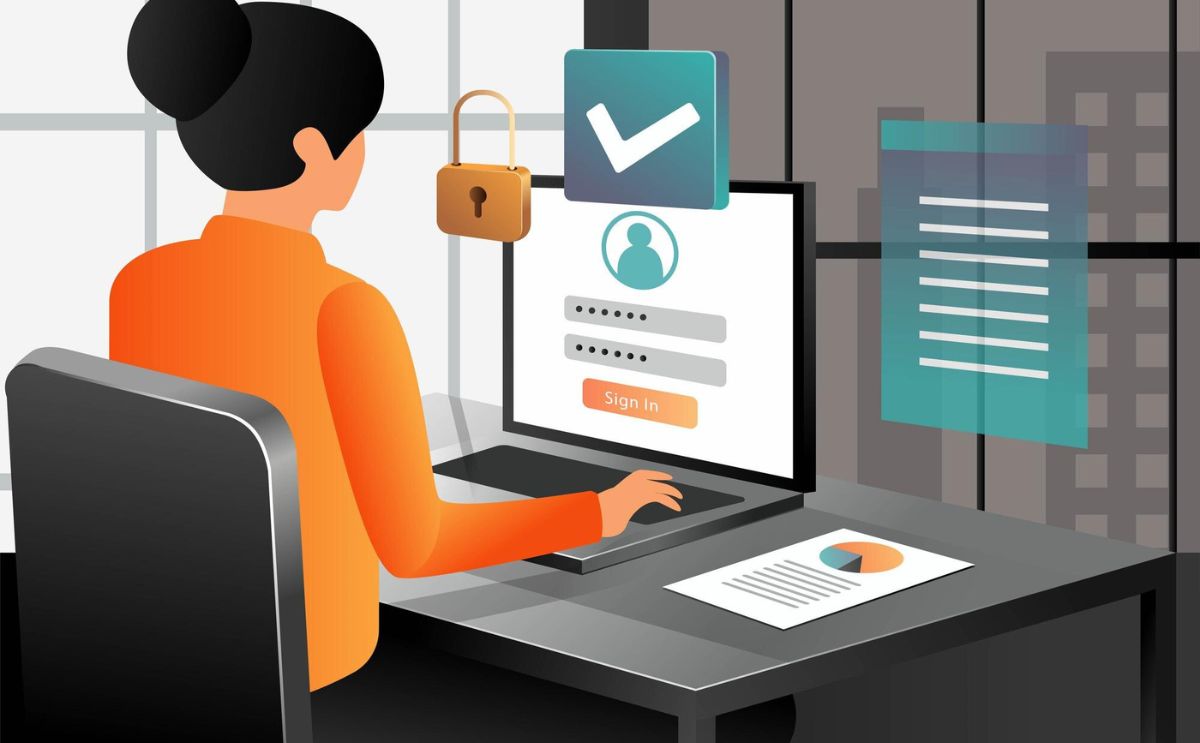
Most remote desktop mistakes happen before the purchase. You buy the wrong tier, hit a wall three weeks in, and either overpay to upgrade or start the whole process over. The decision is simpler than it looks, if you ask the right questions first.
Remote work is now part of doing business. Whether you work from home on a full-time basis, manage a remote team, or are on the go a lot, you need reliable access to your systems. That is where making the right RDP purchase becomes important.
Buying an RDP is not just about getting remote access. To support your daily work time without stress or downtime, choose a secure and stable environment. If you take it professionally, then you can avoid the most common mistakes and decide on a setup that is actually appropriate for your needs.
Here is how to do it the right way.
Before choosing any RDP plan, take a step back and think about how you will use it.
Are you only accessing files and basic tools?
Will you run heavy software?
Do you need to install custom programs?
Will other team members need access?
Your answers matter. If your work is light, a basic plan may be enough. But if you are running tools, automation, development environments, or managing client systems, you will need stronger specifications.
A professional RDP purchase starts with clarity. When you know what you need, you are less likely to overpay or choose something that slows you down later.
When you connect remotely to a system, you are opening access through the internet. That means security is not optional.
Look for providers that offer:
These features protect your work and your data. If you handle client information or sensitive business files, security becomes even more important.
Reliable providers ensure security is built into their systems and you do not need to worry about vulnerabilities constantly.
One of the most important decisions during your RDP purchase is whether to choose standard access or admin access.
Want to install software, change settings or customize the system? Limited access can become frustrating in such cases. This is why the professionals today are choosing to buy RDP with admin access.
With admin privileges, you can:
This flexibility saves time and gives you full control over your remote environment.
It is also why many businesses prefer RDP Admin environments for remote management. When you have full control, you can work efficiently without depending on someone else to make changes.
Speed and stability have a direct effect on productivity. A slow RDP session can disrupt meetings, delay tasks and cause unnecessary frustration.
When choosing a provider, check for:
Server location matters too. Choosing a server close to your region usually improves speed and reduces lag.
DashRDP, for example, is focused more on quick set-up, stable performance and scalability that are important for professionals who use remote systems on a daily basis.
Your needs today might not be the same in six months. A good RDP provider allows easy upgrades if your workload grows.
Look for clear pricing, flexible plans and simple upgrade options. A professional service should support growth instead of forcing you to switch providers later.
Even experienced users need assistance at times. Fast support becomes essential when problems occur because it helps to resolve issues quickly.
Select a provider that delivers both quick support and straightforward communication. The term reliability extends beyond server performance because it also encompasses the personnel who provide the service.
Once your RDP is active, follow good security habits:
According to Economic Times, around 60% of Indian professionals now prefer global remote work opportunities instead of relocating overseas due to tightening visa policies and changing career priorities.
A professional RDP purchase is about choosing security, stability and control. When you understand your needs and select a provider that supports serious remote work, your setup becomes a reliable extension of your office.
If you are looking for a secure and scalable remote desktop solution with full control options, DashRDP is worth considering as part of your evaluation process.
The most important factors are security infrastructure, admin access, and performance specifications matched to your actual workload. On the security side, look for encrypted connections, firewall protection, DDoS mitigation, and two-factor authentication support. On the performance side, prioritize SSD storage, dedicated CPU and RAM, and server locations close to your primary users. Admin access is worth paying for if your workflow requires installing tools or configuring applications. Illustrative benchmark: operators running Shopify admin and standard SaaS tools typically need 2 to 4GB RAM, while those running automation, development, or bulk processing work need 8GB or more on dedicated resources.
If you need to install software, change system settings, configure applications, or manage user permissions, you need admin access. Standard RDP access limits you to using whatever is already installed and configured on the server. Most ecommerce operators who use RDP for anything beyond basic file access and communication hit the ceiling of standard access within the first few weeks. The time cost of waiting on a provider to make changes on your behalf adds up quickly. If you are unsure, assume you need admin access and buy accordingly. Downgrading later is easier than migrating to a new plan mid-project.
A professional provider should include TLS or NLA encrypted connections as standard, not as an add-on. Active firewall protection and DDoS mitigation should be built into the infrastructure. Two-factor authentication support is non-negotiable for any business use. Look for monitored infrastructure with a published uptime SLA of 99.9% or above. Providers that cannot clearly explain their security stack or that treat security features as premium upgrades are not appropriate for business use. Remote desktop ports are among the most actively scanned and attacked surfaces on the public internet, and your provider’s infrastructure is your first line of defense.
Server location directly affects latency, which is the delay between your input and the remote system’s response. A server in the same region as your primary user will deliver a noticeably more responsive experience than a server on the other side of the world. For solo operators, choose the server location closest to where you work most often. For distributed teams, look for a provider with multiple data center locations so each team member can connect to the nearest node. High latency in a remote desktop session makes everything feel sluggish: mouse movements, application loading, and video calls all degrade. This is one of the most underweighted factors in the buying decision and one of the most impactful on daily productivity.
Post-setup security comes down to four consistent habits. Use a strong, unique password for your RDP login and rotate it every 90 days. Enable two-factor authentication for every account with access to the environment. Limit access credentials to people who genuinely need them and revoke access immediately when team members leave. Keep your operating system and all installed software updated: the majority of successful remote desktop attacks exploit known vulnerabilities in unpatched software, not sophisticated zero-day exploits. These habits take minimal time to maintain and eliminate the most common attack vectors. A compromised remote environment can expose your Shopify admin, your customer data, your supplier credentials, and every tool your business depends on.





