


5th
November, 2025
Consumer-to-consumer (C2C) marketing is rapidly emerging as a powerful strategy for modern brands. In this casual yet informative guide, we’ll break down the C2C marketing meaning, why it works so well (especially alongside micro influencers and user-generated content), and how e-commerce brands and Amazon sellers can leverage it. By the end, you’ll understand how consumer-to-consumer marketing uses real customers – not just ads – to build trust, boost engagement, and drive sales.

C2C marketing means your happy customers become your marketing channel. Instead of relying solely on branded ads or big influencer campaigns, companies encourage consumers to share their genuine experiences with products. In C2C marketing, everyday people – micro-influencers, loyal customers, or content creators – try products, create content about them, and introduce their friends, family, or followers to those products. It’s essentially word-of-mouth on steroids, often amplified by social media.
In a C2C strategy, brands still set the stage (by seeding products or prompting sharing), but the spotlight is on the consumer. Crucially, brands can often repurpose the resulting UGC – with permission – in their own marketing channels (social feeds, websites, ads) to enhance authenticity. The end result is a marketing approach that feels more organic and trustworthy, because it literally comes from people just like your target audience.
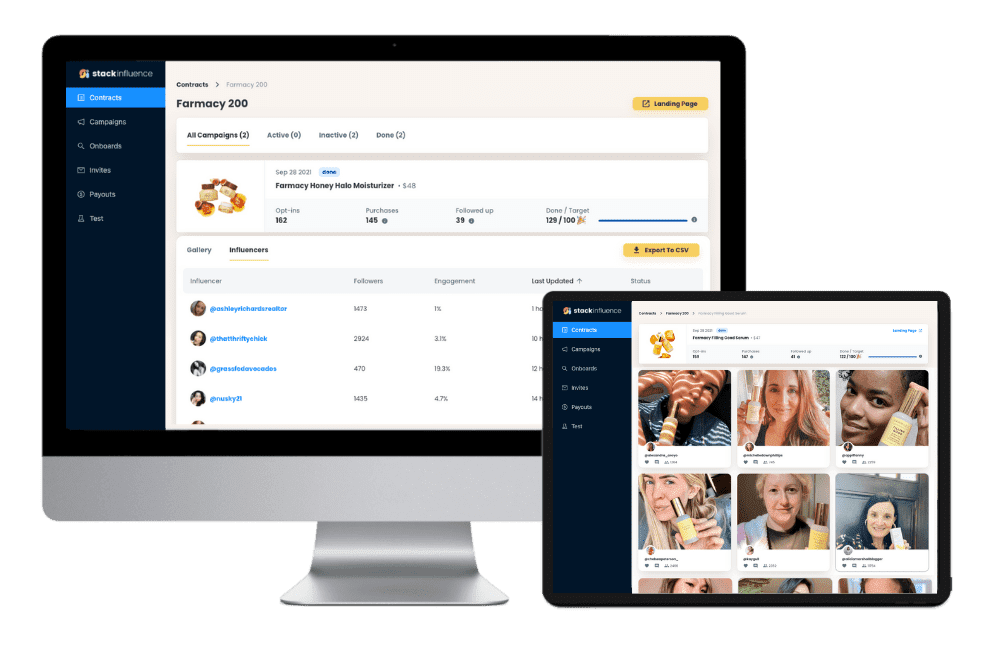
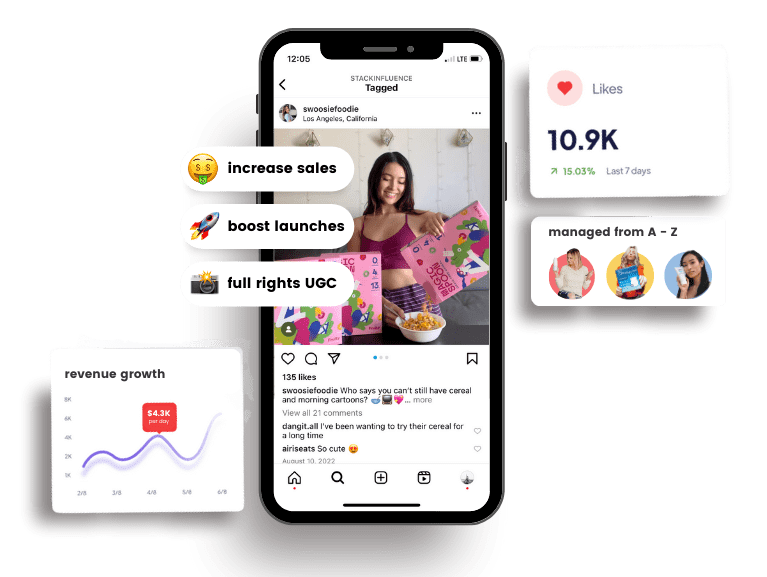
In today’s digital world, consumers are bombarded with ads and are increasingly skeptical of traditional marketing. This is where the true meaning of C2C marketing shines – it cuts through the noise by using voices that consumers trust the most: each other. The data tells a clear story:
Consumer Trust and Marketing Insights. Even though 81% of consumers say they need to trust a brand to buy from it, only 34% actually trust the brands they use. Moreover, 74% of people actively find ways to avoid advertising. How, then, do they decide what to purchase? By listening to their peers. An astounding 92% of consumers trust recommendations from other people over branded advertising. In short, customers trust people (even strangers in reviews or on social media) far more than they trust ads, which is exactly why consumer-to-consumer marketing is so effective.
Here’s a closer look at why C2C marketing is key in the age of micro-influencers and ubiquitous social media:
In essence, C2C marketing works because it doesn’t feel like marketing at all. It feels like advice, inspiration, or stories from friends – and that is exactly what today’s consumers tune into and trust.
Aside from being more trustworthy, consumer-to-consumer marketing offers a host of practical benefits for brands, especially those in e-commerce. Here are some of the major advantages of embracing C2C strategies:
In summary, C2C marketing doesn’t just get you noticed – it makes your marketing more believable, far-reaching, and self-sustaining. It’s a strategy that aligns perfectly with how modern consumers make decisions: based on trust, authenticity, and social proof.
How does consumer-to-consumer marketing differ from the classic business-to-consumer (B2C) marketing most of us grew up with? It comes down to who is doing the talking and how the message is delivered.
Another key difference is effectiveness and reception. B2C messaging, no matter how clever, carries the bias of “the brand trying to sell me something.” Meanwhile, C2C messaging comes from a fellow consumer with no obvious agenda – which instantly makes it more relatable and convincing. With B2C, the brand has to work hard to earn trust (and as we saw, only one-third of consumers truly trust the brands they buy). With C2C, the trust is almost built-in, because we naturally trust other people more than advertisements. To put it simply: B2C marketing speaks at consumers, while C2C marketing lets consumers speak to each other.
That said, C2C and B2C are not mutually exclusive. The best strategies often blend the two. For example, a brand might run a traditional ad campaign, but also encourage customers to share their own photos with a hashtag, thereby adding a C2C element. The future of marketing is likely a mix – but the more audiences resist B2C tactics, the more important C2C approaches become.

It’s worth distinguishing consumer-to-consumer marketing from the broader idea of influencer marketing. There’s overlap, but C2C has a unique flavor:
In short, C2C marketing uses influencer marketing tactics, but usually with smaller, more authentic influencers (or regular customers) rather than big-name “influencers”. Think of it as influencer marketing done right: on a micro scale, emphasizing sincerity and peer-level trust. By doing so, C2C avoids the pitfalls of influencer marketing’s past (like low engagement and authenticity issues) and keeps the social in social media marketing. As a result, brands still get the benefit of word-of-mouth at scale, but with content that audiences actually believe and act on.
Ready to leverage the power of your customers’ voices? Implementing a C2C marketing strategy involves some planning and effort, but it’s absolutely doable – even if you’re an Amazon seller or small e-commerce brand without an in-house army of marketers. Below is a step-by-step roadmap to kick off a consumer-to-consumer marketing campaign:
Tip for Amazon Sellers & E-Commerce Brands: If you sell on Amazon or other marketplaces, C2C marketing can give you a big edge. Encourage buyers to leave reviews (maybe via a follow-up email or insert card request – within Amazon’s guidelines). A product with plentiful positive reviews and customer photos will organically outsell one with none, because shoppers trust those peer opinions. Also, consider using Amazon’s Influencer Program or platforms like Stack Influence to get micro-influencers posting about your products. These services specialize in connecting brands with vetted micro-influencers and managing campaigns at scale. They can handle the heavy lifting – finding creators, shipping products, ensuring posts go live – which is especially helpful for small teams. The result is more UGC, more reviews, and ultimately more sales, as your product gains credibility through the voices of many happy customers.
The meaning of C2C marketing comes down to this: letting your customers do the marketing for you. In an era where consumers trust peers more than promotions, leveraging authentic voices is the smartest way to cut through the noise. Whether it’s a YouTube unboxing, an Instagram story “OMG you guys have to try this,” or a five-star review on your product page, these consumer-driven moments are marketing gold. They build trust, create community, and drive purchases in a way traditional ads simply can’t match.
For brands, especially those in e-commerce and on Amazon, embracing C2C marketing isn’t just a trendy idea – it’s becoming a necessity. The good news is that it’s very achievable: start small, focus on real relationships, and let the quality of your product shine through genuine recommendations. As we’ve discussed, even a handful of passionate micro-influencers or loyal customers can spark a chain reaction of engagement that leads to exponential reach and social proof for your brand.
So, take a step back from the hard sell, and let your biggest fans have the microphone. Not only is it effective, but it’s also incredibly rewarding to see a community of customers proudly championing your brand. That kind of advocacy is priceless. In the end, C2C marketing proves the old adage true: happy customers are indeed your best salespeople. And in today’s world, they might just be the key to your brand’s next level of growth.

By William Gasner
CMO at Stack Influence
William Gasner is the CMO of Stack Influence, he’s a 6X founder, a 7-Figure eCommerce seller, and has been featured in leading publications like Forbes, Business Insider, and Wired for his thoughts on the influencer marketing and eCommerce industries.
Want new articles before they get published? Subscribe to our Awesome Newsletter.
111 NE 1st St, 8th Floor
Miami, FL 33132



© 2025 Stack Influence Inc
© 2025 Stack Influence Inc
The post C2C Marketing Meaning: How Consumer-to-Consumer Marketing Drives Trust and Sales in the Era of Micro-Influencers appeared first on Stack Influence.





