
The global sustainable packaging market is projected to grow from $325.94 billion in 2026 to $463.41 billion by 2031, and inside that growth curve a quieter shift is reshaping how skincare and wellness brands choose primary packaging: protection is no longer just a logistics concern, it is a brand positioning lever.
Primary packaging is now treated as part of the product formulation itself, not just a vessel that holds it. This shift is most visible in skincare, supplements, and natural products, where the way a product is stored can directly influence its stability, its effective shelf life, and the price the brand can credibly charge for it. A serum that oxidizes in three months because it was stored in clear glass under bathroom lighting is a different product, economically, than one that stays stable for twelve months in the right packaging. Customers do not return for the version that broke down early.
Glass has held its position as the preferred material for sensitive formulations because it is chemically inert. It does not leach plasticizers into oil based products and does not react with acidic actives like vitamin C or AHAs. For founders building skincare, supplement, or essential oil brands at the $250K to $5M revenue range, the choice between plastic, glass, and aluminum is one of the first decisions that compounds: it affects perceived quality, shipping weight, breakage rates, and the kind of customer the product attracts. Brands that move from plastic to glass at the right moment in their growth often see a measurable lift in average order value, because the packaging itself becomes part of the price justification.
Light exposure is one of the most under managed product integrity risks in skincare and supplement brands. UV and visible light can degrade specific ingredients including retinol, vitamin C, certain peptides, essential oils, and many botanical extracts, which is why formulators design around it but packaging decisions sometimes do not. A product can be perfectly formulated and still degrade on a customer’s bathroom shelf if the bottle was selected for aesthetic reasons without testing how the contents respond to ambient light exposure over a six to twelve month window.
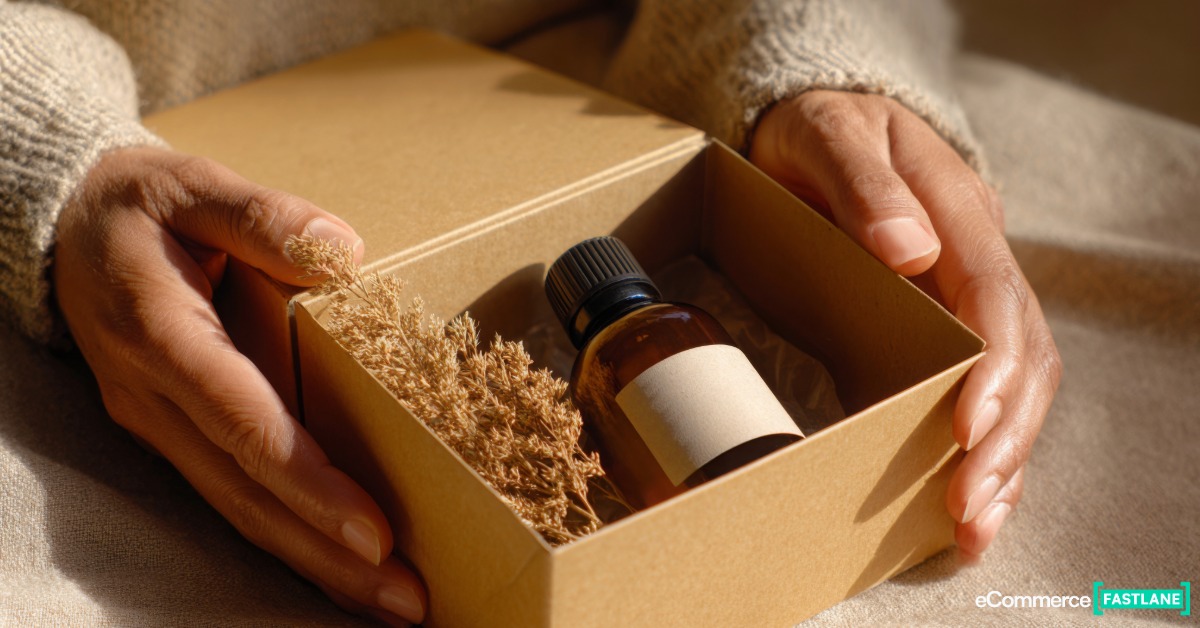
This is the technical case for darker and color filtering glass options. Among these solutions, violet glass from Miron has become a recognizable choice in premium clean beauty and wellness segments. The deep coloration is engineered to block most visible light while allowing a narrow band of beneficial frequencies through. The brand category also includes amber glass, which blocks UV effectively at a lower price point, opaque black glass for full light blocking, and opal white for partial protection with a softer aesthetic. Each material has a real cost and protection profile, and the right choice depends on which ingredients in the formulation are actually light sensitive, not on which option photographs best on Instagram. A practical test that most founders skip is asking the formulator for an accelerated stability study comparing the formulation in clear versus light protective packaging over a thirty to sixty day window. The cost runs $500 to $2,000 depending on the lab, and the data lets you stop guessing about whether premium packaging is worth the unit cost premium for your specific formulation.
Premium primary packaging earns its cost when it does two jobs at once. It protects the product, and it signals brand seriousness in a way the customer can feel before they open the box. For DTC skincare and wellness brands, the moment a customer holds the bottle for the first time often does more for repeat purchase intent than the marketing copy that sold them the product. This is the same logic that drives investment in the moment that drives the unboxing reaction: the primary container is the unboxing climax, not the shipping box.
Colored glass adds a layer to that signal. Where clear glass reads as transparent and democratic, dark violet, amber, and opaque black read as serious, protective, and premium. Purple glass jars and bottles from Miron are increasingly used in niche and premium markets where brand differentiation and a story about product preservation are part of the positioning. Brands in this space are typically not competing on price, they are competing on trust, and the visual identity of the container becomes part of the trust signal. This positioning logic only works above a certain price point. Below it, the unit cost of premium glass eats too much margin to be defensible. The 2026 reality from Mordor Intelligence is that the cosmetic packaging market is fragmented, with luxury cues like heavy wall glass and ornate closures migrating into mainstream channels, but mainstream brands typically buffer the cost through volume discounts that smaller brands cannot access. Choosing premium glass before your unit economics support it is one of the most common operational mistakes I have watched founders make at the $500K to $2M stage, and treating sustainable packaging is one of the clearest operational optimization opportunities available is part of the same conversation: protection plus efficiency plus brand signal, all three at once, or the math does not work.
Light protective and colored glass packaging serves multiple categories, but the use cases are not interchangeable. The strongest fit is for products where the formulation has clear light sensitivity and the price point supports the unit cost. Cosmetics and natural skincare brands use it for serums, facial oils, vitamin C formulations, and retinol products, where the active ingredients degrade visibly under light exposure. The wellness category has expanded this footprint into mushroom extracts, adaptogens, and tinctures where photosensitive compounds drive efficacy. Essential oil brands have used dark glass for decades because the lipid based contents oxidize quickly in clear containers. Specialty food applications including premium olive oils, raw honey, and tea infusions occupy a smaller but growing segment.
The format matters as much as the material. Jars are typically used for thicker formulations like balms, butters, and clay based masks, while bottles with droppers or pumps are standard for liquids and oils. The decision between a wide mouth jar and a dropper bottle is partly about user experience and partly about preserving the product after first use, since every opening introduces air and light. For founders launching in adjacent categories like private label supplement brands building for retention, the same logic applies: the bottle is part of the product, and the way the customer interacts with it on day thirty matters as much as how it looked on day one.
Glass holds a structural advantage in any sustainability conversation because it is infinitely recyclable without quality loss, unlike most plastics which degrade with each recycling cycle. According to Mordor Intelligence’s 2026 analysis, projected growth of the sustainable packaging market to $463 billion by 2031 is being driven in part by Extended Producer Responsibility regulations now active in 63 countries, with the EU’s Packaging and Packaging Waste Regulation entering full application in August 2026. Brands that selected glass primary packaging years ago are finding themselves on the right side of regulatory trends without needing to redesign their lineup.
Colored glass does not change the fundamental recyclability properties, though some regional recycling streams handle clear and amber glass more efficiently than darker variants. The practical sustainability gain comes from extended product shelf life, which reduces the rate at which customers throw out partially used product that has gone off. A serum that stays stable for twelve months instead of three months is, in real terms, four times less wasteful at the consumer level. That is a more meaningful sustainability story than most packaging swaps offer, and it pairs well with a broader eco-friendly packaging strategy that addresses shipping materials and void fill separately from the primary container.
Primary packaging is now a strategic decision that touches product integrity, brand positioning, sustainability reporting, and unit economics simultaneously. The brands that get this right treat the packaging choice as a multi factor decision rather than a sourcing question handed to operations. For a skincare brand at $1M to $5M annual revenue, the cost difference between a generic amber glass bottle and a premium violet glass bottle can run two to three dollars per unit at typical order volumes, and that difference flows directly into your gross margin equation. Whether that cost is recoverable depends on your average order value, your customer acquisition cost, and how the packaging supports the price point in the customer’s mind.
The primary container also influences your shipping math. Heavier glass means higher dimensional weight pricing on parcels, more breakage risk, and the need for more substantial secondary packaging and the shipping box to protect the primary container in transit. Mid market brands often discover that glass primary packaging is structurally more expensive than the bottle quote suggests once shipping and breakage are factored in. Functional protection, visual identity, and sustainability still combine to make glass the right call for many sensitive product categories, but the decision should be made with the full unit economics in view, not just the supplier’s per unit quote. The brands that will still be standing in 2028 are the ones treating these as connected decisions rather than separate line items.
Your skincare product needs light-protective glass packaging if it contains ingredients with documented light sensitivity, including retinol, vitamin C, niacinamide, certain peptides, essential oils, and most botanical extracts. The fastest way to confirm is to ask your formulator or contract manufacturer directly which ingredients are photosensitive and what the recommended shelf life is in clear versus amber or violet glass. If the difference is more than three months, light protective packaging is worth the cost premium. If your formulation is shelf stable in clear glass for twelve months or more, premium violet or opaque packaging is more about positioning than protection, and the decision becomes a brand and unit economics question rather than a product integrity question.
The price difference between clear, amber, and violet glass for cosmetic packaging typically runs two to four times the unit cost as you move up the protection scale. Clear glass at lower volumes runs roughly $0.50 to $1.50 per bottle for standard 30ml to 50ml sizes, amber glass adds 25 to 50 percent on top of that, and violet glass from premium suppliers like Miron can run $2 to $5 per unit at small to mid scale order volumes. The gap narrows significantly at higher order quantities, typically once you cross 10,000 to 25,000 units per SKU. Lead times also vary, with premium violet glass often requiring eight to twelve weeks compared to two to four weeks for amber or clear glass from domestic suppliers.
A skincare brand should switch from plastic to glass primary packaging when the brand is positioning above the $30 retail price point per unit and the formulation contains ingredients that are sensitive to plasticizer leaching, oxidation, or light degradation. Below the $30 price point, the unit economics rarely support glass at typical DTC margin requirements. At the $30 to $50 range, glass becomes a competitive necessity for clean beauty positioning. Above $50, the absence of glass starts to feel inconsistent with the price the brand is asking. The switch should also align with a brand refresh moment rather than happen quietly, since the packaging change is itself a marketing event worth orchestrating.
Violet glass protects products better than amber glass for a specific set of light wavelengths but not across the entire spectrum. Amber glass is excellent at blocking UV light up to roughly 450 nanometers and is the standard choice for pharmaceuticals and beer for that reason. Violet glass blocks a broader range of visible light, including the 450 to 650 nanometer range that amber does not filter, while allowing certain beneficial frequencies through. For products where the photosensitivity concern is UV only, amber is sufficient and far less expensive. For products where the formulation responds to visible light as well as UV, violet provides meaningfully more protection. The practical answer depends on which wavelengths matter for your specific ingredients.
Glass packaging affects shipping costs and breakage rates significantly for DTC brands, typically adding 15 to 30 percent to per order fulfillment costs compared to equivalent plastic packaging. The added weight increases dimensional weight pricing on parcels, and the breakage risk requires more protective inner packaging including molded inserts, kraft paper void fill, or sometimes double walled outer boxes. Industry typical glass breakage rates in DTC shipping run 0.5 to 2 percent of shipments depending on carrier and packaging quality, and each broken shipment costs the brand the replacement product plus the customer service interaction. Brands that move to glass should plan for this cost shift in their unit economics model before placing a production order, not after the first wave of breakage claims hits customer service.





