


Social platforms are constantly changing and evolving, but Instagram has continued to have a stronghold among a wide variety of audiences since it launched over a decade ago. However, creating content that will resonate with your customers and satisfy the algorithm can sometimes feel like Goldilocks looking for the chair that’s just right for her.
In this third post of our content series, we’re talking Instagram: its typical audience, the variety of content you can share, and all the ways your brand can utilize the platform. With reels and static posts, brands have the freedom to get creative on Instagram, though they must consider the restraints of the algorithm and what type of content is given priority at any given time in order to be successful.
And if you didn’t know, Instagramming is officially a verb. So we’d say spending time on this app is definitely worthwhile for most direct-to-consumer (DTC) brands, no matter your budget.
Key takeaways
Let’s dive right in. What’s there to know about this app, which has over a billion users? First and foremost, it’s a photo and video-sharing platform, originally launched in 2010 by Kevin Systrom. Just two years later, Instagram was acquired by Facebook for $1 billion. In 2018, it was the second-most downloaded free app on the Apple app store, with YouTube beating it out for the top spot.
Now owned by Meta (formerly Facebook), the app allows users to create a free account and start uploading media—from photos to videos and everything in between. As this post is written, users can share content through:
Merchants can utilize each of these content types to reach their audience where they’re spending the most time—whether that’s watching stories or scrolling through Reels (which is modeled very closely after TikTok) at the end of the day. Later’s Social Media Manager Christine Colling shared that they’ve seen their engagement grow by 280% since introducing Reels to their Instagram channel.
As always, it’s important to look at who’s using this app so you can determine if it’s the right fit for your marketing efforts. Though, as mentioned, with over a billion users (and more than two billion active monthly users), you’re bound to find and connect with your customers on Instagram.
The primary audience of Instagram is made up of Gen Z and Millennials, with Gen Z saying it’s their favorite platform to spend time on (which might come as a surprise, with the popularity of TikTok). But, that doesn’t mean other generations aren’t on Instagram. People over 45 make up 13% of Instagram’s audience, with the number of Gen X users on the rise.
Instagram spent 2022 prioritizing video over photo content, but the head of Instagram, Adam Mosseri, recently came out and said they pushed video too much (anyone who spends time on the app or creates for it could agree). So, in 2023, photos are coming back as a priority, getting back to Instagram’s roots when it was solely a photo-sharing app.
But, brands shouldn’t give up on video. It’s still the top-performing form of content, allowing you to capture new customers in less than a minute. Discover a few more tips for creating engaging content on Instagram that can help you convert new customers, keep customer acquisition costs low, and engage your subscribers.
Despite what Mosseri said, Reels still remain king of content on Instagram right now. But not just any kind of video content will do—focus on short, entertaining, original content. Using trending audio and quality video content, you can share a Reel and let the algorithm work its magic. However, business accounts on Instagram have access to limited audio, so you might have to dig a little deeper to find the best audio to utilize in order to get your content in front of the most eyes.
The algorithm will prioritize videos “based on what it believes a viewer will be most likely to interact with,” according to Later. With that in mind, here are a few things to consider when posting Reels:
Once you start experimenting with Reels, you’ll be able to see quickly which type of content is hitting the mark and which is falling short.
With the creation of Instagram came the rise of influencers and a new form of influencer marketing. Personal opinions aside, influencers have huge marketing power that can make a really big difference for your brand. According to Shopify, influencer marketing is “a social media strategy where brands partner with people who have a large, engaged social media presence. This can include bloggers, celebrities, and everyone in between.”
I’m sure anyone reading this post has seen an ad from an influencer on Instagram, whether they realized it was an ad or not. Through Instagram stories, posts, and Reels, your brand can utilize influencers and their followings to generate more interest in your brand—growing brand recognition—and win over new customers.
More than 50.7% of brands working with influencers run ecommerce stores, so if you haven’t already implemented an influencer program, now is the time! Here are a few ways you can use influencers in your next marketing campaign:
Your Instagram presence is part of your overall brand, so it’s important to ensure you show up on the app in a way that’s authentic and consistent with your brand voice and style so your customers know what to expect.
So many consumers, especially Gen Z, go to Instagram to find information about brands and products. Whether they heard from a friend or an ad, they’ll most likely head to your profile to find out more about your product and see what other shoppers are saying—whether through user-generated content you’ve reposted, comments on your photos, or highlights you’ve saved to your profile.
To ensure customers—prospective and current—can find the content they’re looking for, you should try to post consistently and make sure that all the information on your profile is up to date. An optimized Instagram profile includes:
Once your profile is optimized, focus on keeping a regular post schedule. You can also engage with customers through Instagram stories, whether you’re sharing a new launch or reposting content that shoppers have shared on their profiles. Keep your brand voice consistent and try to be timely when responding to direct messages and comments.
When starting to create content on a new platform, it’s helpful to look to other brands who offer similar products or services to you, to see what kind of content is working for them. These Recharge merchants are utilizing their Instagram as a valuable extension of their brand, and can be a source of inspiration for other merchants and their Instagram plan.
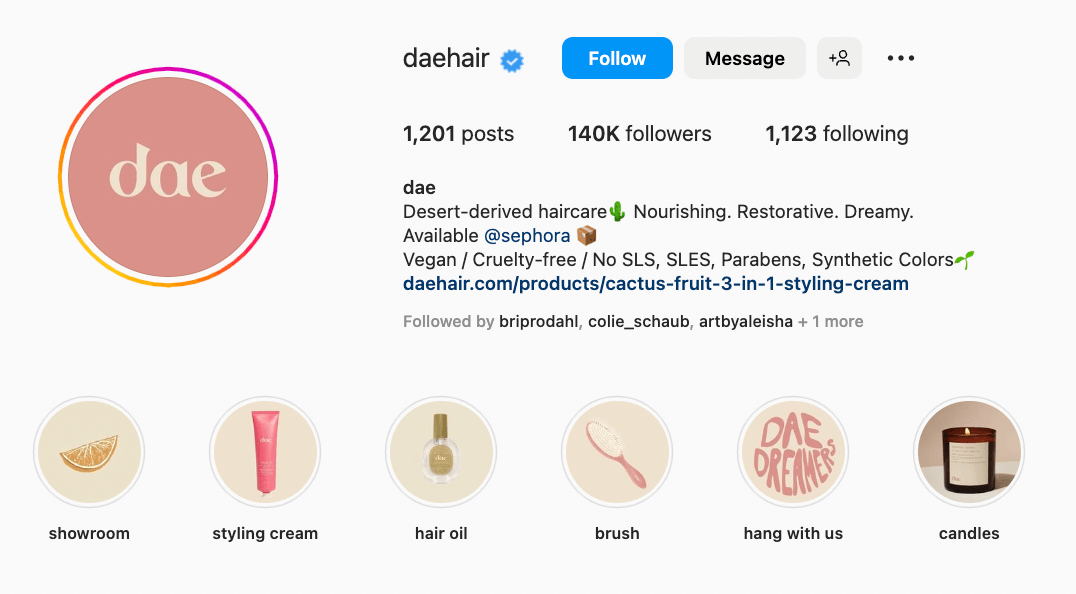
Not only is dae’s feed a beautiful extension of their brand, but they also have an optimized profile with all the right information available to customers. They’ve utilized highlights to share helpful information immediately when shoppers see their feed, and offer so much context on their products and how they’re used through their feed.
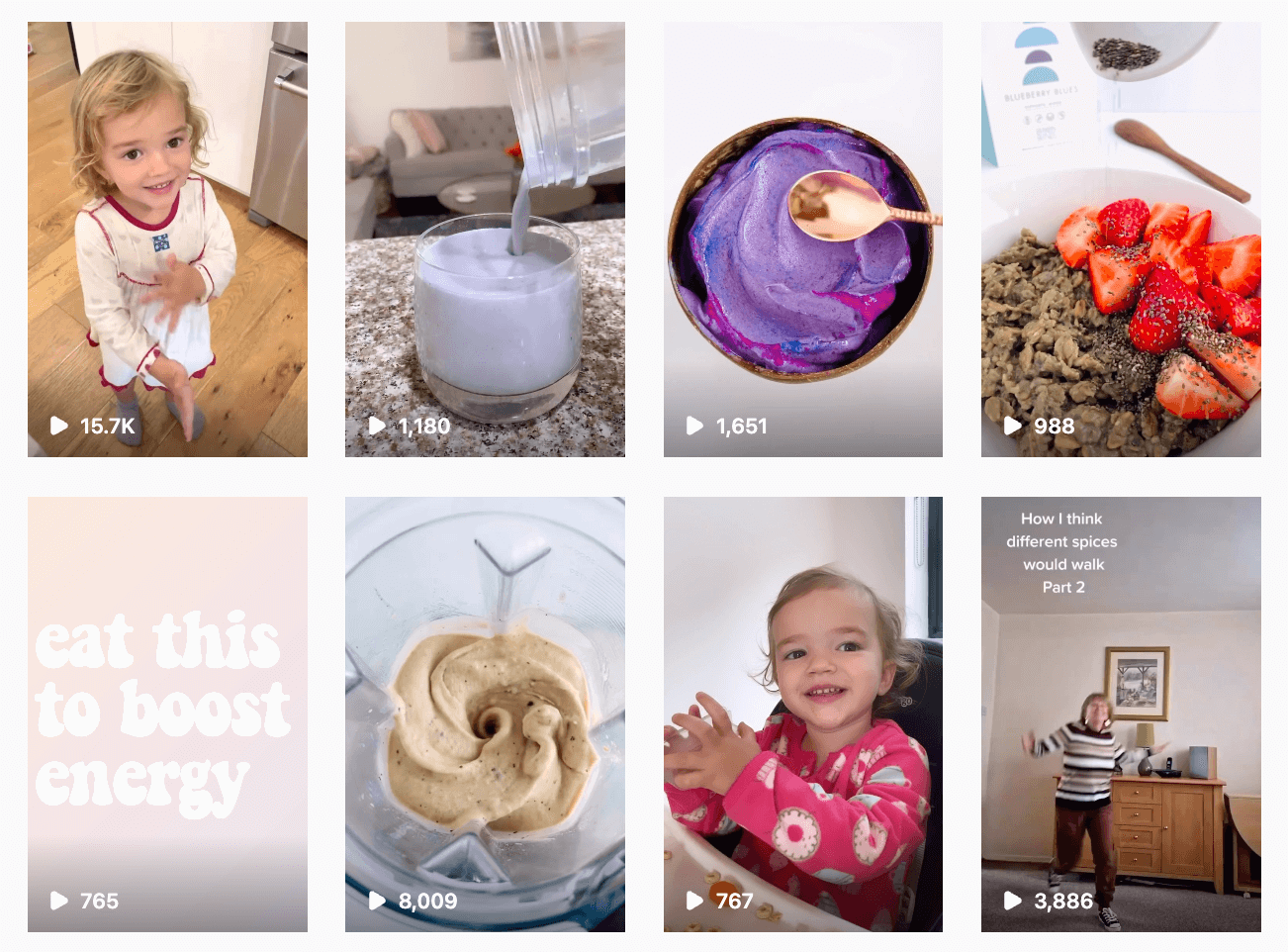
Bumpin Blends is a great example of a brand utilizing content made by their customers. Video content is a high priority to show how customers utilize their smoothie cubes and share related content that will click with their followers. It also creates trust around the brand for customers to see real people using and enjoying their products.
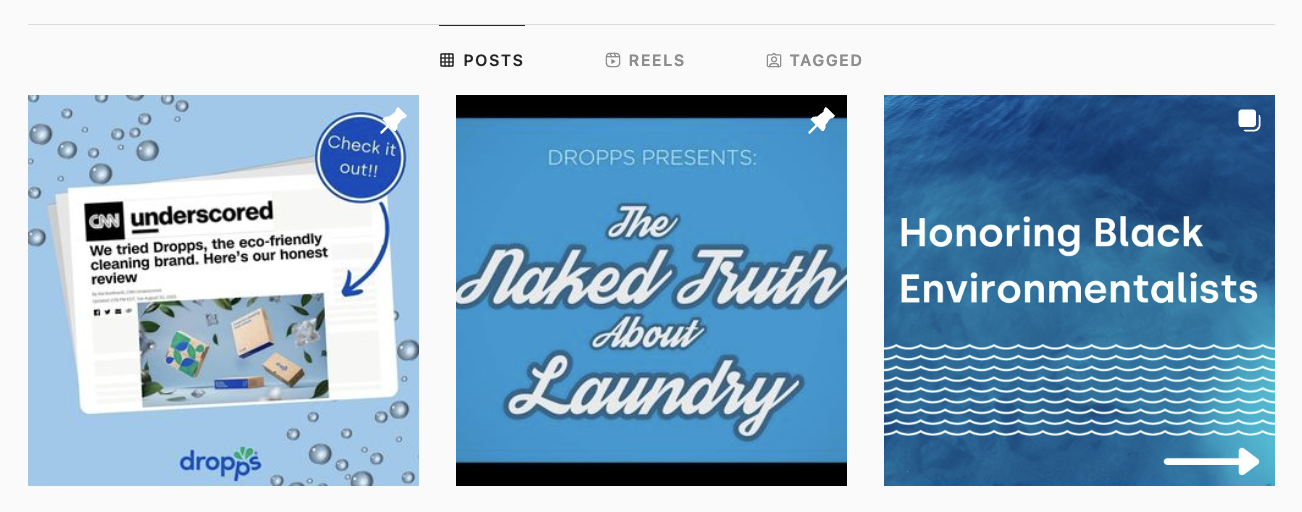
To see a brand creating content around topics that interest their subscribers, it’s easy to look to dropps. As a company with sustainability at the heart of everything they do, their Instagram feed is a continuation of that mission. By sharing content their shoppers are likely to engage in, they can build brand community and create customer relationships that go beyond their products.
With so many people spending time on Instagram, it’s no surprise that brands should focus some of their marketing efforts on this social media platform. Creating a niche with your content comes with knowing your audience and the kind of content they’ll engage with. Going beyond your product and creating an extension of your brand is easy with the variety of content brands can share on Instagram.





