

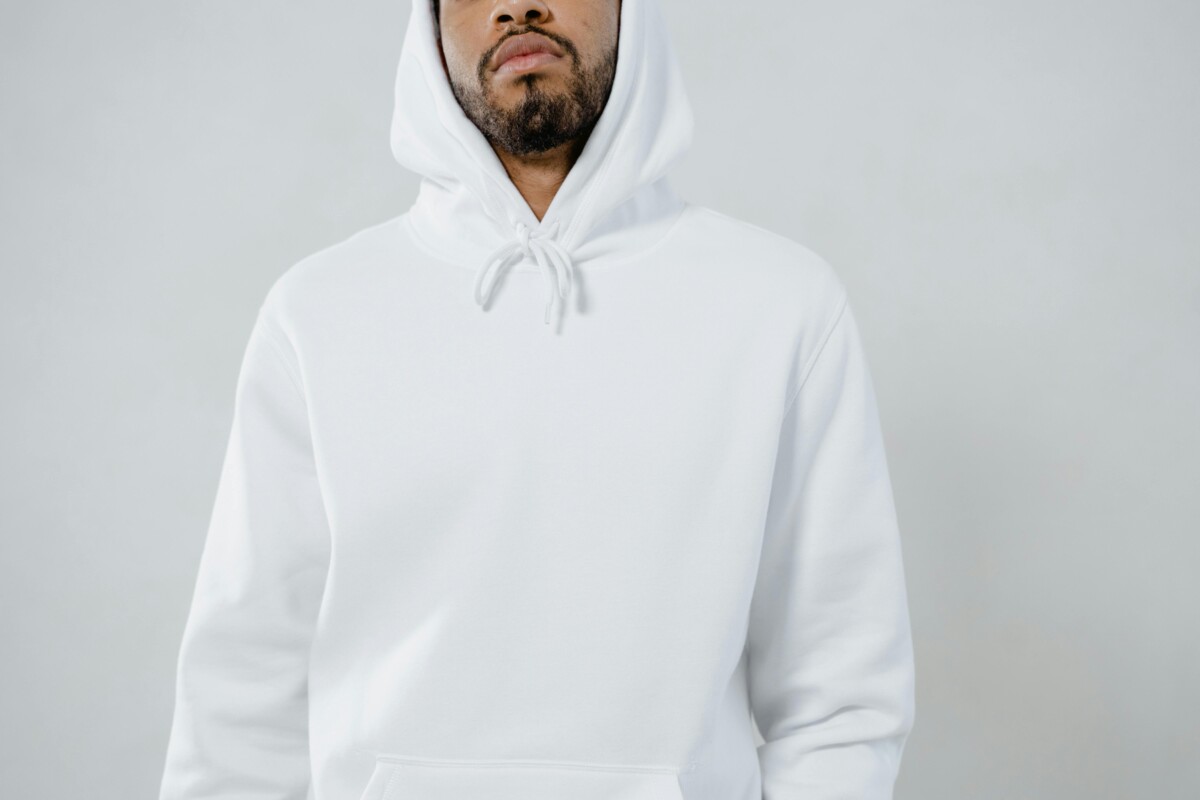
The hoodie is the one garment category where personalization, comfort, and perceived value all converge at the same price point. That combination is why it keeps outperforming every other custom apparel SKU in my conversations with Shopify merchants.
Custom hoodies are rapidly becoming a pivotal force in the ecommerce world and custom hoodie ecommerce performance is rising with their versatility and high perceived value offering unique growth opportunities. For Shopify merchants, understanding the hidden potential of custom hoodies can transform basic apparel offerings into substantial revenue drivers. Merchants who grasp the trends behind this product are positioning themselves at the forefront of ecommerce success in 2026.
The growth of the custom hoodie market has surprised many, blending personalization, fashion trends and practical appeal across winter apparel ecommerce. As competition rises, savvy Shopify merchants are investing in Custom Embroidered Hoodies to enhance brand image and encourage repeat business. This article explores how custom hoodies have emerged as an unexpected powerhouse in custom hoodie ecommerce, the strategic choices merchants face and actionable steps to maximize their earnings from this standout product.
Custom hoodies have evolved from niche promotional products to mainstream ecommerce staples and streetwear hoodie growth continues to elevate them as everyday essentials. Modern consumers, especially younger shoppers, value individuality and practical fashion, turning personalized hoodies into top sellers on Shopify. Hoodies offer a canvas for graphic designs, slogans and embroidery, making them attractive for both gift buyers and brand enthusiasts amid oversized hoodie trends.
This demand is driven further by social media trends and influencer collaborations, where unique or limited-edition hoodies quickly gain popularity and shape oversized hoodie trends across platforms. Shopify merchants who embrace this versatility find themselves able to serve teamwear, event merchandise and exclusive fashion drops. The result is a product line that appeals across demographics, fueling consistent sales and strong brand loyalty throughout the year and reinforcing streetwear hoodie growth.
Market data reveals that Custom Embroidered Hoodies now represent one of the fastest-growing segments within apparel ecommerce, with year-over-year growth consistently outpacing traditional ready-to-wear categories and strengthening winter apparel ecommerce. The shift toward remote work and casual lifestyles has further accelerated hoodie adoption, as consumers prioritize comfort without sacrificing personal expression. Shopify merchants who recognize this behavioral shift are capitalizing on the opportunity by offering customization options that resonate with work-from-home professionals, students and fitness enthusiasts alike, while also improving hoodie dropshipping profits. The hoodie’s universal appeal across age groups and occasions makes it an ideal anchor product for building diverse customer bases and generating predictable revenue streams.
Shopify store owners typically choose between print-on-demand and embroidery to fulfill custom hoodie orders and print-on-demand hoodies help them scale quickly without warehousing. Print-on-demand platforms make it simple to offer unique printed hoodies with minimal upfront investment. Designs are digitally printed after each order, allowing for responsive trend adaptation and effective testing of new ideas without carrying inventory risk.
Embroidery, on the other hand, lends an unmistakable sense of quality and permanence. Merchants who invest in custom embroidered hoodies enjoy higher margins owing to the product’s perceived value and gift-worthy finish. For example, a store targeting corporate clients may opt for embroidery to deliver professional, lasting logos, while artists and influencers might use print-on-demand hoodies for vibrant, fast-turnaround graphics. The best strategy often combines approaches, using print for seasonal trends and embroidery for premium or long-term offerings.
Choosing the right fulfillment partner can make or break a custom hoodie business, as production quality and turnaround times directly impact customer satisfaction and repeat purchase rates. Merchants should evaluate potential partners based on their fabric quality, color consistency and ability to scale during peak seasons like holidays or back-to-school periods, especially when protecting hoodie dropshipping profits. Many successful Shopify stores conduct initial test orders from multiple suppliers to compare stitch quality, print durability and packaging presentation before committing to long-term partnerships, including providers that specialize in custom embroidered hoodies. Additionally, transparent communication about production timelines helps set realistic customer expectations, reducing support inquiries and building trust that translates into positive reviews and referrals.
Durability is central to a hoodie’s ongoing appeal. Customers frequently report that high-quality embroidery stands up to repeated washing better than basic printing, justifying a higher price point and lowering return rates. For shoppers, investing in a custom hoodie often feels personal, whether for themselves or as a thoughtful gift, which increases both initial and repeat purchases in winter apparel ecommerce.
Another key advantage is the flexibility to address different customer needs and campaigns. Hoodie multipack strategy options, such as bundling several styles or colors, work especially well during the winter season and holiday gifting. Shopify merchants who leverage this adaptability see spikes in both average order value and overall store revenue. Thoughtful store integration, such as allowing for on-site design previews and clear delivery timelines, further raises buyer confidence and encourages conversion.
The emotional connection customers develop with custom hoodies cannot be understated, as these garments often commemorate meaningful events, represent group affiliations or express personal identity. This emotional investment translates into powerful word-of-mouth marketing, with satisfied customers frequently sharing photos on social media and recommending the product to friends and family. Shopify merchants can amplify this effect by encouraging user-generated content through hashtag campaigns, customer photo galleries and review incentives tied to hoodie multipack strategy offers.
To get the most out of custom hoodies, merchants need to align their fulfillment and marketing strategies with their core audience. Print-on-demand excels for rapid product launches and trend-driven designs, giving brands needed agility and print-on-demand hoodies are especially effective for testing fresh concepts. Embroidery, meanwhile, is ideal for premium drops, corporate gifting and exclusive editions that drive customer satisfaction and support higher pricing.
Operational efficiency is also crucial. Merchants who manage inventory logic, automate production workflows and clearly communicate shipping timelines reduce customer complaints and increase loyalty. For example, Shopify brands often set up automatic updates for each production stage so buyers know exactly when their custom hoodie will arrive. Custom embroidered hoodies might take longer to produce, but the anticipation is often part of the premium experience shoppers seek. Investing in the right mix of print and embroidery options can transform the humble hoodie into a sleeper hit, unlocking new revenue streams and positioning merchants for ongoing growth in 2026.
Strategic pricing plays a critical role in custom hoodie profitability, with successful merchants carefully balancing perceived value against production costs and competitive positioning. Premium embroidered options can command prices 40-60% higher than basic printed versions, while limited-edition releases or collaborations with artists and influencers justify even steeper premiums and accelerate streetwear hoodie growth. Shopify store owners should implement tiered pricing strategies that offer entry-level printed hoodies to attract price-sensitive customers while showcasing premium embroidered options for those seeking quality and exclusivity, which can lift hoodie dropshipping profits.
Start with print-on-demand. The reason is simple: you do not yet know which designs will resonate with your audience, and embroidery requires a minimum order commitment that turns untested designs into inventory risk. Print-on-demand lets you list ten designs, run traffic to all of them, and learn which two or three actually convert before investing in higher-margin production methods. Once you have sales data showing which designs and price points work, you can introduce embroidered versions of your top performers at a higher price point. Most successful Shopify hoodie stores started with print and added embroidery once they had enough sales volume to justify the production minimums and the wait time for customers.
For print-on-demand hoodies, a realistic gross margin target after production and shipping costs is 30% to 40% at a retail price of $55 to $70. That margin is workable but leaves limited room for paid acquisition. Embroidered hoodies at $85 to $110 retail can achieve 45% to 55% gross margin when ordered in quantities of 24 or more from a quality supplier, which creates meaningful room for marketing spend and still leaves a healthy contribution margin. The margin difference between the two methods is the primary reason merchants who start with print-on-demand eventually add embroidery as their catalog matures. The goal is to use print to validate demand and embroidery to capture the margin that validated demand can support.
Order samples before you list a single product. Specifically, order the blank you plan to use in two colorways, with your actual artwork applied using the production method you plan to offer. Wash the samples five times and evaluate print durability or embroidery integrity after washing, not just out of the bag. Ask the supplier for their average production time and their on-time fulfillment rate. Any supplier who cannot or will not share their on-time rate is telling you something. Also ask specifically about their Q4 capacity, since holiday season production delays are where most custom apparel suppliers disappoint and where your customer satisfaction takes the biggest hit.
The $80 to $100 price range is entirely defensible for embroidered hoodies when the product and positioning support it. The customers who pay $90 for a hoodie are not cross-shopping with $35 print-on-demand alternatives. They are evaluating quality, exclusivity, and brand identity, and they are willing to pay for a product they expect to wear for two to three years. The merchants who struggle at this price point are usually the ones who have not invested in the product photography, the copy, or the brand story that makes the price feel justified. A $95 hoodie with flat lay photography and a generic product description will underperform. The same hoodie with lifestyle photography, a story about the design, and clear production details will convert at a rate that makes the price point commercially viable.
The post-purchase sequence is where this happens, not the re-engagement sequence. In the 7 to 14 days after a first hoodie purchase, send content that reinforces the customer’s decision rather than immediately pitching the next product. A care guide, a behind-the-scenes note about the production process, or a story about the design all work well here. After 30 days, introduce the next product in context: a complementary item, an upcoming limited drop, or a bundle that makes sense given what they already bought. Referral incentives tied to sharing a photo of their hoodie perform particularly well in this category because the product is inherently shareable. The brands that build strong repeat purchase rates from hoodies treat the first order as the beginning of a conversation, not the end of a transaction.




