

So, you’re starting your online store and have heard about dropshipping. Now, you want to know more about dropshipping vs eCommerce and which model is better for you.
Let’s start by stating that there is no actual competition, as dropshipping is an eCommerce fulfillment method.
We’ll check the advantages and operational dynamics of dropshipping as an eCommerce business model. We’ll also provide a precise understanding for aspiring and established entrepreneurs alike.

Dropshipping and other eCommerce models can differ in how products are sourced, stored, and shipped to customers. While both models operate within the online business realm, they cater to different preferences and capabilities of entrepreneurs.
eCommerce represents the broader category of selling goods and services online using many different methods – including dropshipping.
Some business owners want complete control over their stock, directly manage customer relations, and ensure product quality by themselves.
In that case, the model may involve a hefty initial investment and ongoing costs as the owners must manage inventory, fulfillment, and customer support.
For instance, sellers may start storing goods in a garage, but as the business grows, they’ll need to rent space in warehouses or fulfillment centers.
The dropshipping business model offers a more streamlined approach to selling online since the retailer does not keep goods in stock. Instead, they transfer customer orders and shipment details to either the manufacturer or a wholesaler, who then ships the goods directly to the customer.
This significantly reduces the risk and initial investment, making it an attractive option for entrepreneurs starting their online store with limited capital.
Some partners may also handle customer support, either completely or partially.

Running an eCommerce store involves more than just selling products online. It includes the entire process of creating your own website, managing inventory, fulfilling customer orders, and providing post-purchase support.
This business model suits entrepreneurs who wish to build a brand around their own products and have direct interaction with their customer base.
What’s the catch?
Regular eCommerce business models require dealing with unsold stock, higher initial spending with inventory and fulfillment, and the complexities of managing the supply chain.

How does dropshipping work? The dropshipping business method stands out for its accessibility and flexibility. It allows entrepreneurs to sell items on an eCommerce website without the need to handle physical products.
This model particularly appeals to new small business owners, as it minimizes the risk associated with unsold products and upfront costs.
What’s the catch?
Dropshipping businesses may face challenges, like lower profit margins due to reliance on dropshipping suppliers, limited control over order fulfillment, and potential issues with quality control.
A critical aspect of both dropshipping and traditional eCommerce is the fulfillment process, which includes everything from storing inventory to packing and shipping products to customers.
Let’s compare how each model handles it:
| Dropshipping Model | eCommerce Model | |
|---|---|---|
| Initial investment | Low | Higher |
| Profit margins | Lower | Higher |
| Inventory management | Supplier’s responsibility | Business’s responsibility |
| Order fulfillment | Handled by suppliers | Managed by the business or third-party logistics |
| Quality control | Limited | Direct |
| Branding possibilities | Limited | Extensive |
| Risk | Lower | Higher |
| Initial investment | |
|---|---|
| Dropshipping Model | Low |
| eCommerce Model | Higher |
| Profit margins | |
| Profit margins | Lower |
| eCommerce Model | Higher |
| Inventory management | |
| Profit margins | Supplier’s responsibility |
| eCommerce Model | Business’s responsibility |
| Order fulfillment | |
| Profit margins | Handled by suppliers |
| eCommerce Model | Managed by the business or third-party logistics |
| Quality control | |
| Profit margins | Limited |
| eCommerce Model | Direct |
| Branding possibilities | |
| Profit margins | Limited |
| eCommerce Model | Extensive |
| Risk | |
| Profit margins | Lower |
| eCommerce Model | Higher |

Why not choose the best of both worlds – make money online and sell custom products with high-quality control, low risk, and no inventory management?
Print on Demand (POD) is a hybrid model that combines the low-risk aspect of dropshipping with the personalization of other eCommerce alternatives.
This approach is particularly suited for entrepreneurs looking to sell custom-designed merchandise without the hassle of inventory management.
Printify can easily integrate with your online store, streamlining the process from product creation to fulfillment.
Starting an online store with POD dropshipping is simple – just follow these steps.
Once your products are ready, make them live in your store:
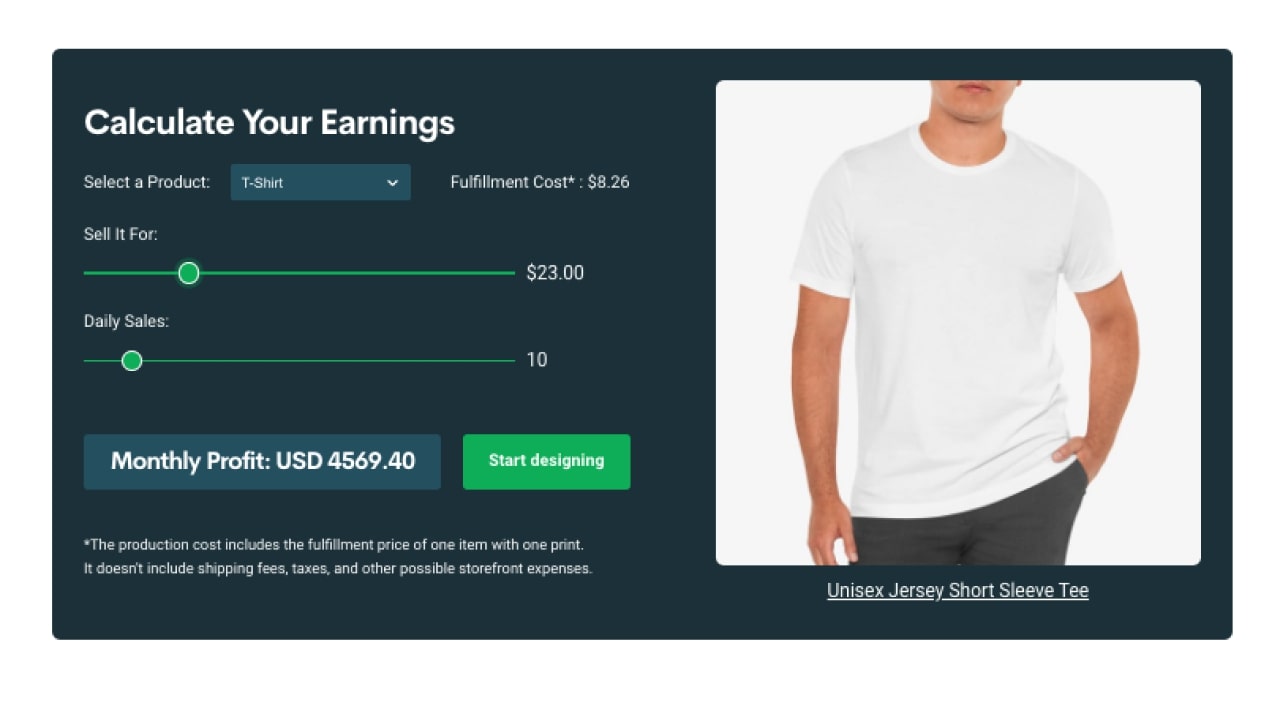
Printify simplifies fulfillment for both small and large business owners with:
Dropshipping suits those seeking low upfront investment and risk, offering ease of entry and flexibility with less control over logistics and lower profit margins.
Regular eCommerce is better for entrepreneurs aiming for higher profits and more brand control. It’s ideal if you’re willing to invest more in inventory and handle logistics – despite the higher initial cost and risk of unsold inventory.
To start a dropshipping store:
This depends on your business model, product type, and scale. For dropshipping and POD businesses, using a third-party supplier like Printify for fulfillment minimizes inventory and operational risks.
Traditional eCommerce businesses might benefit from self-fulfillment or partnering with a third-party logistics provider to manage inventory and shipping. This option provides a more hands-on approach.
Analyzing cost, scalability, and how much control you want will determine your best method.
POD dropshipping is a business model where products are printed and shipped to customers only after a sale, eliminating the need for inventory.
For example, you can sell custom-designed merchandise like t-shirts, mugs, and notebooks without investing in stock.
Suppliers like Printify handle the printing, packaging, and shipping directly to customers, allowing businesses to offer a wide range of personalized products with minimal risk and overhead.
Choosing between dropshipping and regular eCommerce business methods depends on your budget and business goals. Consider how much control you want over order fulfillment and customer support.
Both models offer pathways to success in the online retail world, each with its own set of advantages and challenges:
Both models have proven successful for countless online businesses, and with the right strategy, either can lead to a prosperous online store. Remember to count on Printify as your trusted dropshipping and POD partner.





