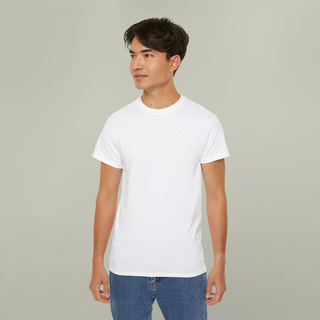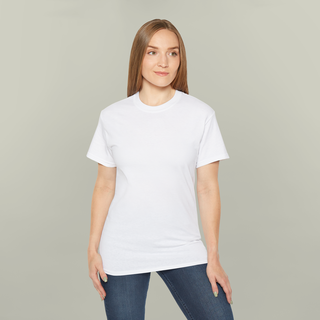
Create a custom shirt with Printify
DTG (direct-to-garment) printing is a digital method that sprays eco-friendly ink directly onto fabric – ideal for detailed, full-color designs and small-batch production.
Whether you’re starting a print-on-demand business or looking for new ways to sell your artwork online, this guide explains how DTG printing works, its pros and cons, the best fabrics for vibrant results, and expert tips for launching your first DTG shirts in today’s on-demand market.
![DTG printing: Quick guide to direct-to-garment ([bp_year]) 1](https://prod.printify.com/wp-content/uploads/2024/10/1-What-is-DTG-printing_.png "1 What is DTG printing")
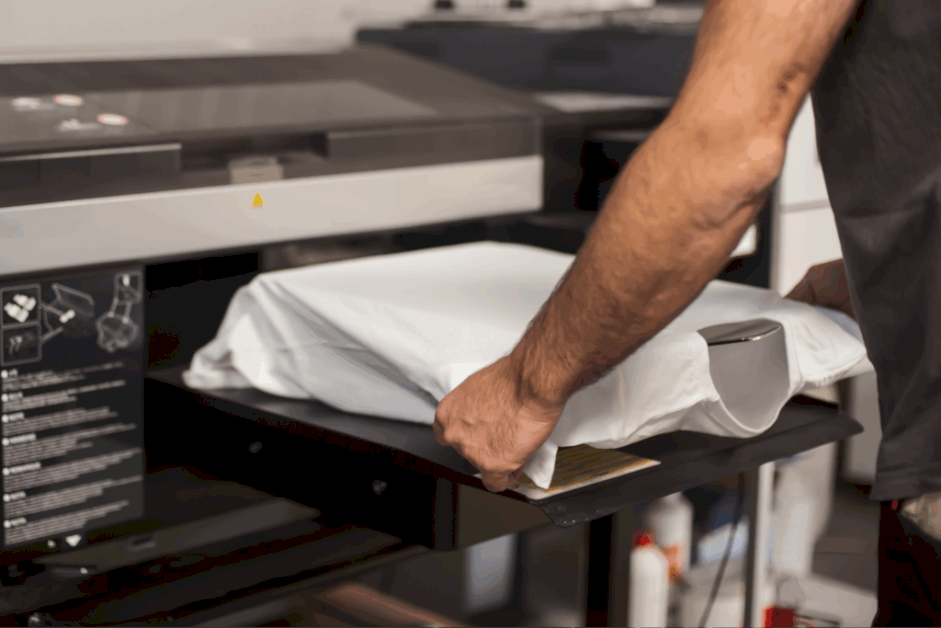
Direct-to-garment (DTG) is a printing technique that sprays water-based inks directly onto fabric using specialized inkjet printers. DTG printers produce vivid, full-color images with minimal setup and no need for screens or transfers.
Unlike screen printing, the DTG printing process is faster to set up, less labor-intensive, and ideal for small-batch or on-demand production.
This cost-effective printing method gives small businesses and creators an easy way to produce intricate designs and print directly on shirts, hoodies, and other apparel.Another advantage? DTG printers have no minimum order requirements, so you can print a single shirt or fulfill large runs as your business grows.
![DTG printing: Quick guide to direct-to-garment ([bp_year]) 2](https://prod.printify.com/wp-content/uploads/2024/10/2-How-does-DTG-printing-work-step-by-step_.png "2 How does DTG printing work step by step")
Although DTG printers come in many models, the DTG printing process always follows three key stages: pre-treatment, printing, and curing.
Preparation for DTG shirt printing is essential. Pre-treatment allows multi-color designs printed with DTG inks to adhere evenly to the garment fibers, enhancing print quality and preventing color fading after washes.
DTG printers use two common methods:
Once pre-treatment is complete and dried, the garment is loaded into the DTG printer, where the actual digital printing begins.
For dark shirts and garments, a white ink underbase is printed first to enhance the vibrancy of the final design. Then, using a mix of cyan, magenta, yellow, and black inks, DTG printers recreate intricate, full-color designs directly onto the fabric – much like a high-resolution inkjet printer but designed for textiles.
After printing, the garment needs heat to cure the ink – this bonds the DTG inks permanently to the fabric and ensures long-lasting print quality.
There are two main curing methods – conveyor dryer and heat press:
![DTG printing: Quick guide to direct-to-garment ([bp_year]) 3](https://prod.printify.com/wp-content/uploads/2024/10/3-DTG-printing_-Pros-and-cons.png "3 DTG printing Pros and cons")
DTG printing has become a leading choice for custom apparel businesses and independent creators because of its precision, flexibility, and low entry cost.
To help you decide if it’s right for your business, here’s a breakdown of its main advantages and limitations.
Although DTG printers have revolutionized the custom apparel industry, they also have some disadvantages.
Choosing the right printing techniques for your custom apparel is tricky. Here’s a quick breakdown of how DTG printing and screen printing work to help you decide.
Consider these factors before making your choice:
Here’s a table comparing DTG and screen printing:
| Feature | DTG printing | Screen printing |
| Quality | Photorealistic, high-quality prints with detailed color gradients | vibrant, durable prints ideal for bold shapes and solid colors |
| Durability | Withstands over 50 washes | Industry standard for long-lasting garments with proper care |
| Design complexity | Excellent for intricate artwork | Limited to simpler designs with limited colors |
| Sustainability | Uses water-based inks and efficient printers, minimizing waste | Uses more water and materials; higher overproduction risk |
| Minimum order | Print a single shirt or a small batch on demand | Requires typically 5-100 units to offset costs |
| Production time | Slower setup, but faster turnaround, best for small orders | Requires prep time but enables faster production for bulk orders |
| Cost | Affordable for small orders, not ideal for bulk | Expensive for small orders, less costly for bulk |
Key takeaways:
Choose the printing method that best suits your business by considering your specific needs.
Compare DTG vs screen printing in detail on our blog.d accessories. From classic t-shirts to cozy custom hoodies, the possibilities are endless.
![DTG printing: Quick guide to direct-to-garment ([bp_year]) 4](https://prod.printify.com/wp-content/uploads/2024/10/4-Best-fabrics-for-DTG-printing-with-product-examples-1024x576.png "4 Best fabrics for DTG printing with product examples")
Since DTG printers use water-based inks, natural fabrics produce the best results. They absorb ink well, creating vivid colors printed directly onto the garment.
These are the most suitable textiles for DTG:
Explore DTG-ready products – from classic t-shirts and cozy custom hoodies to sweatshirts and totes. Each blank is selected for consistent print results.
![DTG printing: Quick guide to direct-to-garment ([bp_year]) 5](https://prod.printify.com/wp-content/uploads/2024/10/5-Tips-for-your-first-DTG-design-1024x576.png "5 Tips for your first DTG design")
DTG printing offers exceptional precision and color depth, making it ideal for complex, multi-color artwork. To get the most out of your design, follow these best practices:
Strong, intentional design connects your brand to your audience. Focus on clarity, color balance, and purpose to make your first DTG collection stand out. For more first design tips, tricks, and resources, check out our recent article.
Direct-to-garment (DTG) printing is a digital printing method that sprays water-based inks directly onto fabric using DTG printers. These specialized inkjet printers apply the ink to cotton and cotton blends, creating soft, high-quality prints with photographic precision. It’s ideal for custom apparel and t-shirts with detailed, full-color designs.
Yes. DTG printing produces high-resolution, full-color designs with vivid colors and smooth gradients. It works best on 100% cotton for long-lasting results. Compared to screen printing, DTG printers offer a wider color range and no setup, making them ideal for small-batch or detailed artwork.
DTG printing offers flexibility and precision but has limitations:
DTG prints can last over 50 washes with proper care. Wash inside out on a cold setting, avoid using bleach/high heat, and iron inside out. Proper curing on industrial DTG printers helps maintain vibrant colors and softness.
Use entry-level models to start; upgrade to industrial DTG printers as your business scales.
DTG printing powers modern on-demand manufacturing – combining quality, flexibility, and creativity in one printing method. For both new entrepreneurs and growing brands, DTG printing is an accessible, low-risk way to create custom apparel that meets today’s demand for personalization and sustainability.
DTG printing is the go-to printing method for print-on-demand entrepreneurs of all calibers. Here’s why:
Whether you’re launching your first design, building a full-scale print-on-demand business, or expanding an existing brand, DTG printing gives you the freedom to create without limits.
The post DTG printing: Quick guide to direct-to-garment (2025) appeared first on Printify.