


Entrepreneurs juggle various responsibilities, from managing online and brick-and-mortar stores to strategizing for growth.
Because of these activities, they often forget to balance a healthy lifestyle, primarily when eating.
As a Shopify entrepreneur, healthy eating can be particularly challenging. Since you can operate in various settings, you may need to improve your eating habits or rely on quick, less nutritious food options.
Although fostering healthy eating habits might seem daunting, it is possible with commitment and discipline.
This guide will provide tips to help you maintain healthy eating habits while managing your Shopify business. But first, let’s discuss their importance to your well-being and professional growth.
Here are the benefits of healthy eating for Shopify entrepreneurs:
Your mental health is essential because it can affect your ability to manage, lead, and make decisions. You must be mentally and emotionally healthy to be effective.
However, you can become engrossed in your tasks and forget your needs. Neglecting your needs may result in burnout and stress.
For this reason, healthy eating habits can become your natural stress relievers. A balanced diet can provide your body’s required nutrients to function optimally.
At the same time, proper nutrition helps regulate your mood, enhancing your ability to maintain focus and cope with stress.
Energy is vital in managing e-commerce’s fast-paced demands. With healthy eating habits, the nutrients can help you sustain the necessary energy levels for creative problem-solving and long work hours.
Unlike quick fixes like sugary foods, nutrient-rich meals and snacks can minimize energy crashes. By preventing the energy peaks and troughs associated with less nutritious foods, you can maintain a higher level of efficacy and engagement. One enjoyable way to stay on track is by trying out ninja creami recipes, which offer a delicious, nutrient-conscious alternative to traditional sugary snacks.
A healthy immune system helps safeguard you from antigens that can cause illnesses.
Healthy eating supports your body’s defenses by providing nutrients that can fortify the immune response, ensuring you can handle your venture without unwanted downtimes.
A robust immune system can also help you recover quickly, minimizing the impact of health setbacks on business continuity. Moreover, you can feel stronger because you won’t often feel fatigued.
For entrepreneurs, consistency and discipline are not just business skills—they’re also lifestyle choices.
A disciplined approach to nutrition establishes a routine that fosters consistency. This routine helps reinforce the importance of meal planning, preparation, and mindful consumption.
Over time, this discipline becomes second nature, nurturing a lifestyle that inherently supports mental and physical well-being. This way, you have a holistic health practice that enriches your Shopify management.
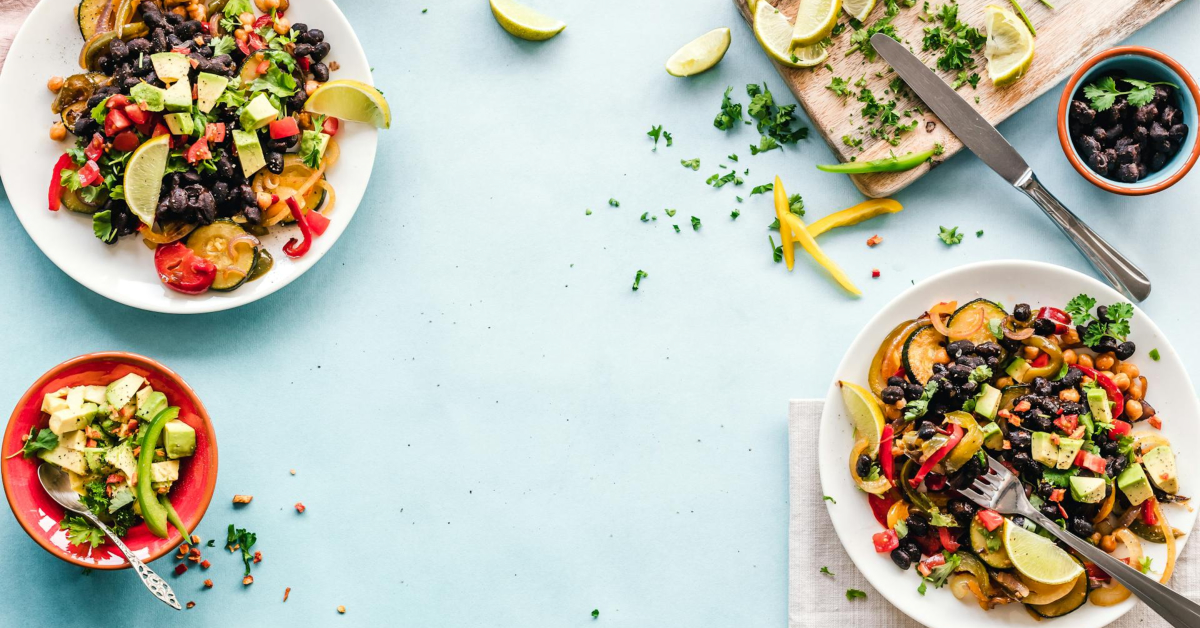
Now that you understand the significance of healthy eating for entrepreneurs, here are tips to help you incorporate the habits into your lifestyle:
Grasping the fundamentals of food nutrition, such as the five food groups (building blocks) of balanced diets, can help you start making informed dietary choices.
These five groups include:
Establishing a routine is imperative in entrepreneurship and healthy eating. This scheduling helps create a structure that ensures stability in hectic schedules.
Thus, you can set specific meal prep, cooking, and grocery shopping schedules to manage your time and avoid getting overwhelmed.
For example, you can dedicate the morning to meal preparation and the afternoon to simple lunch cooking. Meanwhile, you can set the weekends for bi-weekly grocery shopping to stock up on healthy food ingredients.
You can set yourself up for dietary success even on challenging days by allocating a day of your weekly calendar to meal preparation.
For example, you can cook batches of healthy grains like brown rice and oatmeal, lean meats, and vegetables. You can then keep these meals in containers and carefully portion them for consumption.
Learning some simple, nutritious recipes for quick preparations is also helpful. This way, you can be sure the food meets your nutritional requirements.
Stocking up on healthy snacks can curb hunger while juggling the demands of entrepreneurship. These quick fixes can help you avoid impulsive eating and going for less healthy snack selections due to time constraints.
Some examples of nutritious snacks include dried fruits, protein bars, carrot sticks, nuts, seeds, granola bars, and eggs.
If you want to incorporate meat into your snacking, you can include People’s Choice Beef Jerky’s meat sticks in your stock. These meat jerky options have no artificial fillers or ingredients.
If you work in an office or a coworking space, bringing healthy snacks also helps you avoid grabbing junk food from convenience stores.
Mindful eating involves using your physical and emotional senses to experience the food. It focuses on your thoughts and feelings about food and eating experiences.
This approach aims to create a more enjoyable meal experience through the following ways:
Sugar is a form of carbohydrates that provide energy. However, excessive sugar intake can make your diet energy-dense and cause sugar spikes.
Excessive sugar intake can occur by consuming refined or processed sugars from candies, desserts, and sugary snacks. You can also consume sugars from processed foods like sweetened drinks (soft, energy, and energy drinks).
Moreover, many processed foods contain high levels of fat and salt. Eating them can result in overconsumption of fat and salt, particularly when one isn’t aware of how much has been added to the food.
Preparing or cooking meals and eating healthy snacks can minimize sugar and processed food intake. For example, drink more water or 100 percent fruit juices instead of sweetened beverages.
Proper hydration helps in breaking down the food you eat. This is why drinking enough water is essential.
Your water intake depends on your health conditions, gender, and activity levels. However, the recommended intake is about three liters for men and two for women.
The suggested intake might also mean you only need four to six cups of water if you drink other fluid sources like coffee, tea, or juice.
Besides water, healthy beverage options include:
Dietary supplements can complement healthy eating by filling nutritional gaps, ensuring you acquire all the essential nutrients for optimal health.
Examples of dietary supplements include:
Remember that you shouldn’t use these supplements as diet substitutes. Many supplements can also have side effects, interact with medications, and interfere with lab tests.
Physical activities help strengthen bones and muscles, manage weight, and improve mental health.
As such, staying active influences healthy eating by promoting a more mindful approach to food choices. As you exercise, you can make more intentional eating habits to support your fitness goals.
This relationship between diet and exercise helps create a holistic routine that encourages healthier eating patterns and vice versa.
If going to the gym isn’t possible, some exercises you can do include:
Growing fruits, herbs, and vegetables provides access to fresh produce that are free from harmful chemicals and pesticides.
Besides enhancing the nutritional value of your meals, it also helps enhance the flavor. You can even encourage yourself to adopt a plant-based diet.
Additionally, gardening itself can be therapeutic. It can help you foster a hands-on approach to meal preparation, provide more creativity in recipes, and instill appreciation towards the planting and harvesting processes.
Fast food is a convenient lunch option if you’re working in an office or a coworking space. However, you may consume unwanted calories and unhealthy fats.
So, pack your lunches in the morning or the night before instead of grabbing fast food. You can follow a weekly meal preparation to prepare in advance.
Setting fixed breakfast, lunch, snacking, and dinner hours can be helpful. If you can do this, you’ll establish consistent eating patterns that prevent overeating and skipping meals.
As such, eating regularly gives your body the constant stream of nutrients it needs, which can help regulate metabolism, control hunger and fullness signals, and strengthen focus.
Healthy eating habits are also a strategic business decision.
By prioritizing nutrition, you invest in your health and your venture’s success and longevity. The optimal performance you gain from a balanced diet is an invaluable asset in e-commerce, ensuring your preparedness to meet the fluctuating demands of the market.
You don’t have to push yourself hard if you’re starting. Remember that even the most minor, positive change can yield significant benefits over time.
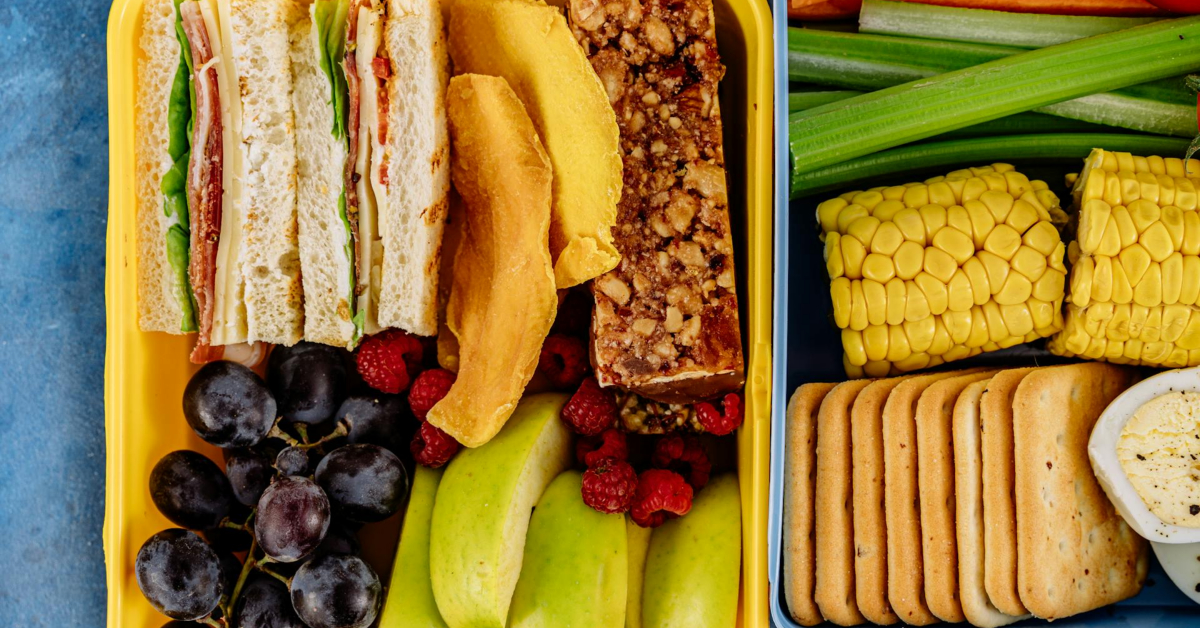
Healthy eating begins with small, gradual, and manageable changes.
Start by incorporating more fruits and vegetables and choosing whole grains over refined ones. Then, opt for lean protein sources like fish, beans, and nuts.
Lastly, gradually limit your sugars, processed foods, and high-sodium snacks by focusing on fresh and minimally processed products whenever possible.
These changes don’t happen overnight. So, don’t rush yourself. Rushing may only lead to overwhelming changes that are challenging to maintain.
There are a few ways you can maintain healthy eating habits while staying on top of your finances:
Entrepreneurs often fail with healthy eating for the following reasons:
Overcoming these setbacks requires a commitment to healthy eating. You can start by regularly adjusting your schedules to see which best aligns with your work hours and lifestyle.
Generally, carbohydrates are not unhealthy. But simple carbohydrates are.
Carbohydrates are essential food nutrients that become glucose to provide energy.
Complex carbohydrates in fruits, vegetables, and whole-grain foods are less likely to increase blood sugar than simple carbohydrates (sugars).
Excess of simple carbs tends to cause blood sugar spikes because they digest quickly. They can also contribute to weight gain and increase the risk of diabetes, heart disease, and high cholesterol.





