

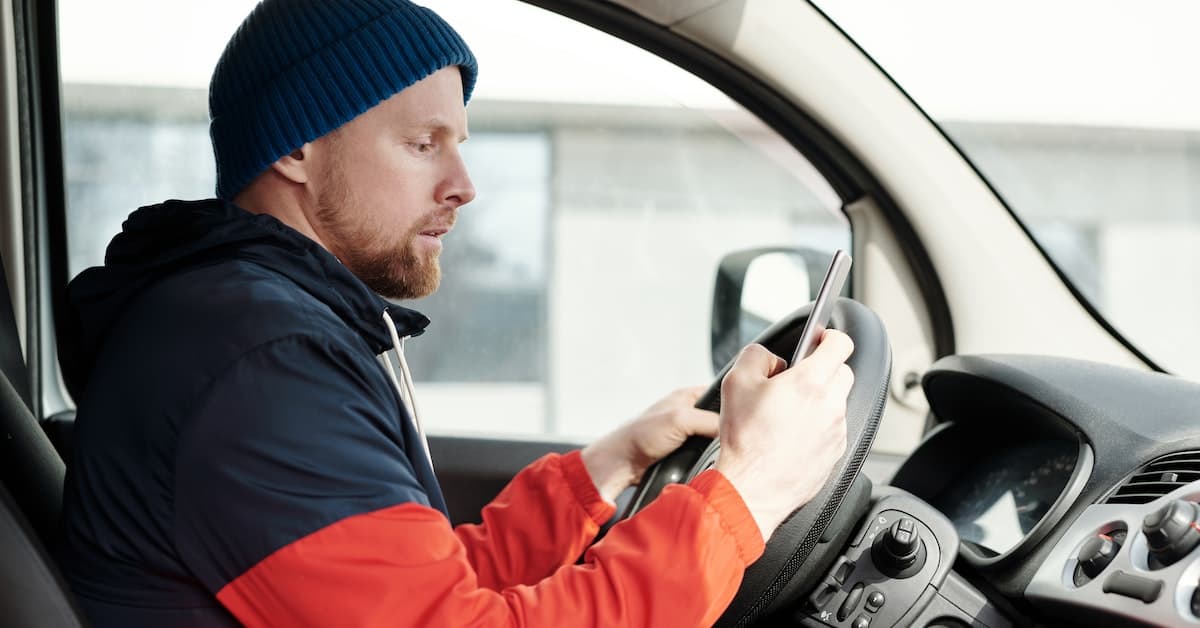
In the fast-paced world of eCommerce, the ‘last-mile’- the final stretch of the delivery process – holds immense significance.
This final leg directly impacts customer satisfaction, brand reputation, and success in the fiercely competitive online marketplace.
The power of an effective and seamless last-mile delivery cannot be overstated. It can transform first-time buyers into loyal customers and drive positive word-of-mouth recommendations when executed perfectly. However, there are many challenges associated with last-mile delivery. Some of the common hurdles that delivery businesses often face include traffic congestion, management of delivery windows, and customer availability.
But don’t worry! This blog will delve into difficulties and explore strategies to overcome them. So, whether you’re a seasoned industry proficient or new last-mile operations, Upper’s Guide is your ultimate companion for mastering the final stretch of eCommerce delivery. Let’s dive in and unlock the mysteries of last-mile achievement!
The last mile is where your customer actually meets your brand. Everything before it, the product pages, the checkout flow, the confirmation email, is digital. The handoff at the door is the only physical moment in the entire transaction, and it’s the one customers remember.
Get it right and you build trust. Packages arrive on time, in good condition, with clear communication along the way, and customers walk away feeling like the brand actually respects their time. Get it wrong and you undo everything the rest of the experience built. A late delivery, a missed window, or a box that shows up crushed can turn a first-time buyer into a one-time buyer. In markets like last mile delivery Miami, where expectations around speed and reliability run especially high, the margin for error is thin.
That’s why last-mile execution has moved from logistics checkbox to brand-defining moment. It’s not just whether the package shows up. It’s the tracking accuracy, the delivery window precision, the driver who knows where to leave a package, and the proactive text when something changes. Each of those touches either reinforces the promise your marketing made or quietly breaks it.
With the stakes clear, the harder question is what actually makes last-mile delivery difficult to execute well.
Businesses encounter various challenges and complexities during the ‘last-mile’ of eCommerce delivery. To perfect the final stretch of the delivery process, it is crucial to identify and address these challenges effectively.
‘Last-mile’ eCommerce deliveries frequently encounter the following issues:
These ‘last-mile’ challenges can affect delivery efficiency, customer loyalty, and overall operational expenses. In the following sections, we’ll explore navigating these challenges and enhancing the ‘last-mile’ for a seamless and exceptional customer experience.
Efficient ‘last-mile’ route planning is crucial for enhancing eCommerce delivery operations and ensuring timely and cost-effective order fulfillment. Businesses can improve their route planning abilities and perfect the final part of the delivery process by implementing the right strategies.
Here are a few compelling strategies to consider:
Thus, businesses can conquer these challenges by adopting the above strategies for effective last-mile route planning. Further, embracing technology, improving processes, and focusing on customer loyalty will help organizations acquire an upper hand and deliver the magic of seamless last-mile experience to their customers.
Optimizing the ‘last-mile’ in eCommerce deliveries offers several advantages that can affect business success and consumer loyalty. Businesses can open the following benefits by focusing on the final stretch of the delivery process:
A seamless ‘last-mile’ experience, described by on-time deliveries, accurate tracking, and clear correspondence, cultivates high degrees of consumer loyalty. Satisfied customers will become repeat buyers, recommend the brand to others, and add to a positive brand reputation.
Organizations can develop customer loyalty by consistently giving excellent ‘last-mile’ experiences. At the point when customers accept their orders expeditiously and without any issues, they foster confidence in the brand and are more likely to pick it for their future purchases.
Optimal ‘last-mile’ route planning and streamlined processes decrease delivery times, limit fuel utilization, and enhance the utilization of resources. This leads to operational efficiency, cost savings, and increased delivery capacity.
A seamless ‘last-mile’ experience separates businesses from their contenders. Companies can differentiate and attract customers who value efficiency and convenience by providing prompt and consistent product delivery.
A dedication to operational excellence and customer satisfaction is demonstrated by perfecting the ‘last-mile.’ This adds to building a positive brand picture, cultivating trust and certainty among customers and potential buyers.
Organizations can partake in these advantages by streamlining the ‘last-mile’ in eCommerce deliveries, cultivating customer loyalty, operational productivity, and a solid market position. It is an investment that pays off in customer satisfaction, repeat business, and long-term success.
To address customer availability issues in the ‘last-mile,’ businesses could consider the following strategies:
What role does technology play in enhancing last-mile delivery operations?
Technology plays a vital part in improving last-mile delivery operations. It empowers organizations to streamline routes, track packages progressively, facilitate seamless correspondence, automate processes, and influence rising technologies like drones.
By harnessing data analytics and artificial intelligence, organizations can acquire insights, make informed decisions, and work on operational efficiency. Overall, technology enables organizations to smooth out operations, decrease delivery time, enhance the customer’s eCommerce experience, and drive persistent improvement in the ‘last-mile.’
How can companies ensure the security and integrity of packages during the last-mile delivery process?
By following the below measure, companies can ensure the security and integrity of packages during the last-mile delivery process:
How can businesses balance the need for fast deliveries with sustainability goals in the ‘last-mile’?
Businesses can balance the need for fast deliveries with sustainability goals in the following ways:
In this manner, by balancing speed and sustainability, organizations can upgrade their ecological obligation while ensuring timely deliveries.
What metrics and key performance indicators (KPIs) are essential for measuring last-mile delivery performance?
Some of the key performance indicators (KPIs) that play a vital role in measuring ‘last-mile’ delivery performance include:
What is the significance of last-mile delivery in eCommerce?
Last-mile delivery represents the final leg of the eCommerce journey where businesses directly interact with customers. Its effectiveness impacts customer satisfaction, brand reputation, and business success in the competitive eCommerce landscape.
What are the major challenges in implementing last-mile eCommerce deliveries?
Major challenges include traffic congestion, management of delivery windows, and coordinating with customer availability. These can affect delivery timelines, lead to missed deliveries, and increase operational expenses.
How can efficient last-mile route planning enhance eCommerce delivery operations?
Efficient route planning, through advanced routing algorithms, real-time data integration, and digital mapping solutions, ensures timely and cost-effective order fulfillment. It allows businesses to create the most efficient routes, avoid bottlenecks, and reduce travel distance.
What role does tracking and visibility play in last-mile delivery?
Real-time tracking and visibility keep customers informed about their delivery status, help manage their expectations, and enhance customer satisfaction. Integrating tracking systems into the eCommerce platform and timely updates about changes or delays are essential.
What are the emerging technologies and trends in last-mile delivery?
Autonomous robots, autonomous delivery vehicles, and Internet of Things (IoT) technologies are among the emerging trends. These innovations offer operational efficiency, consistent tracking, and potentially reduced delivery costs.
How can businesses overcome last-mile delivery challenges in urban environments?
Businesses can establish smaller fulfillment centers closer to urban areas, utilize eco-friendly alternatives for delivery, and collaborate with local organizations to use existing networks and resources for last-mile operations.
What are the benefits of sustainable practices in last-mile delivery?
Sustainable practices like optimizing delivery routes to reduce fuel consumption, using eco-friendly vehicles, and promoting recyclable packaging can minimize the environmental impact of last-mile delivery. Efficient return and exchange management also contribute to sustainability.
How does optimizing the last-mile delivery impact customer loyalty and business success?
Optimized last-mile delivery enhances customer satisfaction, increases loyalty, improves operational efficiency, and gives businesses a competitive edge. It helps build a positive brand image, attract repeat business, and contribute to long-term success.
How can businesses deal with customer availability issues during last-mile delivery?
Flexible delivery options, proactive communication, technology solutions for route optimization and real-time tracking, and contactless delivery or signature release can help manage customer availability issues effectively.
How can businesses ensure the security of packages during last-mile delivery?
Employing tamper-evident packaging, thorough background checks and training for delivery personnel, real-time package tracking, partnering with reputable delivery service providers, and secure storage areas in delivery vehicles can ensure the security and integrity of packages.
To summarize, mastering eCommerce delivery’s ‘last mile’ is significant for businesses expecting to give excellent customer experiences. Organizations can streamline operations, reduce expenses, and improve delivery speed by carrying out efficient’ last-mile’ route planning. Further, embracing technologies like real-time tracking, automation, and emerging solutions, for example, drones and autonomous vehicles, can alter the ‘last-mile’ experience, offering superior speed, precision, and adaptability.
Besides, organizations can persistently assess and further improve their last-mile delivery performance by monitoring key performance indicators like on-time delivery rate, consumer loyalty score, and more. The ‘last-mile’ is where customer expectations are met, and a seamless, reliable experience can differentiate businesses from their rivals. In the ever-growing eCommerce landscape, perfecting the last stretch of delivery is the key to success.





