

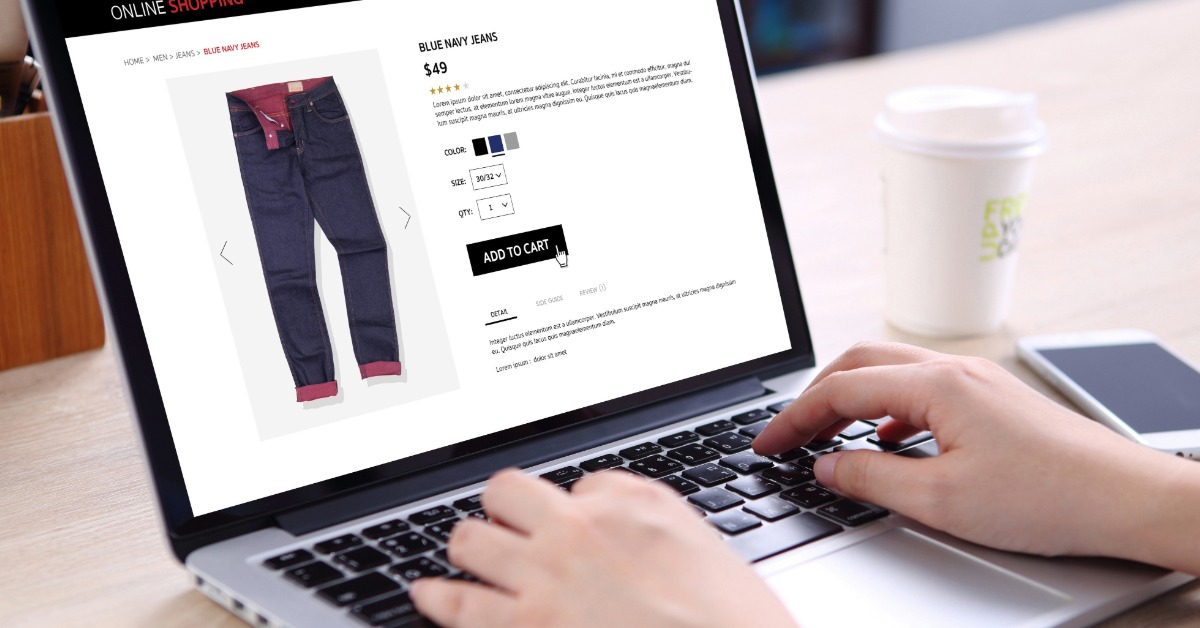
Getting traffic to your eCommerce store feels harder than ever, doesn’t it?
You’re competing with Amazon, retail giants, and thousands of other small businesses just like yours. What worked last year feels dated, and what works today will be obsolete by tomorrow.
If you’re a busy “Chief Everything Officer” trying to grow your online store, you need to know: what’s next? The game is changing, and the eCommerce traffic strategies for 2026 are not just about spending more on ads. They’re about being smarter, faster, and more personal.
This isn’t just a simple checklist. This is a strategic pivot. It’s part of a larger digital transformation that separates the stores that thrive from those that merely survive. Let’s break down the 9 strategies you need to focus on right now.
The new battlefield is relevance. Customers are tired of generic marketing. They expect you to know what they want before they do. At the same time, search engines like Google are prioritizing genuinely helpful content over old-school keyword stuffing.
The rise of AI, the dominance of mobile shopping, and the power of social commerce mean your 2026 playbook must be integrated. You can’t just “do SEO” or “run Facebook ads.” You need a holistic system.
The single biggest shift in 2026 will be the widespread use of artificial intelligence in marketing. But don’t let “AI” scare you. For an eCommerce owner, this boils down to one word: personalization.
AI is no longer just for product recommendations. In 2026, it will drive:
Why it matters: Personalization builds loyalty. Loyalty leads to repeat traffic, which is cheaper and more valuable than constantly hunting for new customers.
Search Engine Optimization (SEO) remains the king of free, high-intent traffic. But eCommerce SEO 2026 is more than just product descriptions.
Your customers aren’t just typing into Google. They’re using Google Lens to “search what they see” and asking Alexa or Siri to “find the best running shoes.”
Google wants to rank experts. If you sell coffee, you can’t just rank for “dark roast beans.” You need to prove you’re an authority on all things coffee.
Your blog is not just a blog. It’s your most powerful traffic-generation tool.
Stop writing content about your products. Start writing content that solves problems your customers have.
This “helpful content” ranks on Google for informational keywords, attracting new customers at the top of the funnel. It builds trust, captures emails, and guides them toward a purchase. For more ideas, check out the resources on our blog.
In 2026, “mobile-friendly” is not good enough. You must be mobile-first. More than half of all online shopping happens on a smartphone, and that number is only growing.
Google also uses mobile-first indexing, meaning it ranks your site based on your mobile version. A slow or confusing mobile site will kill your traffic. A fast, intuitive one is a core part of a strong web design and development strategy.
Your customers are living on social media. In 2026, you must sell to them where they are.
Social Commerce means users can buy your product without ever leaving the app (e.g., Instagram Shops, TikTok Shop).
Micro-Influencers (10k-50k followers) often provide a much higher ROI than mega-influencers. Their audiences are smaller but highly engaged and trusting.
You can’t just boost posts and hope for the best. A 2026 paid strategy is data-driven and automated.
Link building is the process of getting other high-quality websites to link back to your store. In Google’s eyes, these links are “votes of confidence” that boost your authority and rankings.
Internal links are just as important. These are links from one page on your site to another.
This isn’t a traffic generation strategy; it’s a traffic conservation strategy. What’s the point of paying for 1,000 clicks if 900 of them abandon their cart?
The average cart abandonment rate is ~70%. The top reasons are:
Action:
The most successful eCommerce brands of 2026 will be the ones that build a tribe. A community turns one-time buyers into lifelong fans.
We’ve covered the core strategies, but here are quick answers to the most common questions we hear.
For a brand new site, a two-pronged attack is best. Start with paid advertising (PPC) to get immediate traffic and data. Simultaneously, invest heavily in eCommerce SEO and content marketing, which is a long-term strategy that will deliver free, sustainable traffic for years to come.
The top 3 free methods are:
Be patient. While you can see minor wins in 3-4 months, it typically takes 6 to 12 months of consistent, high-quality effort for a new eCommerce site to see significant, traffic-driving results from SEO.
It is not strictly necessary, but it is highly recommended. Paid ads provide immediate traffic, invaluable data on what keywords and messaging convert, and a way to stay competitive. The most successful brands use a hybrid of paid and organic (free) traffic.
The average eCommerce conversion rate hovers around 2-3%. However, this varies wildly by industry. A good goal is to always be improving your own rate. A “good” rate is one that is profitable for your business.
Social proof builds trust, which converts traffic. It can also drive new traffic. When a customer leaves a glowing review, share it on your social media. When an influencer posts a video (UGC), it drives their audience to your site. This authentic content acts as a powerful, free ad.
The eCommerce traffic strategies for 2026 are not about finding one “secret hack.” They are about building a sustainable, customer-focused system.
By combining the technical power of AI and SEO with the human touch of content and community, you stop “chasing clicks” and start building real connections. This is how you win in 2026.
Ready to build your 2026 traffic plan? Our team at 12AM Agency specializes in creating integrated digital strategies for ambitious eCommerce brands. We’ve seen what works, and we have the case studies to prove it.
Contact us today for a free, no-obligation strategy session, and let’s build your traffic engine.





