






Dotdigital blog
If you’re just getting started with email marketing, this guide walks you through how to create, personalize, and send emails that land with the right people and get results.

Getting started with email marketing can feel overwhelming, but you’re in the right place. Email is one of the most reliable ways to connect with your audience and start building relationships that matter.
This guide breaks email marketing down into clear, practical steps for beginners.
We’ll cover:
- What is email marketing?
- Why is email marketing important?
- Types of email marketing
- Nine steps to get started
By the end, you’ll have the confidence to create your first emails and start building meaningful connections with your subscribers.
Let’s get started!
What is email marketing?
Email marketing uses email as a tool to send messages to your audience. It’s a way to connect with people who are interested in your brand, share updates or offers, and build a relationship over time.
Email lets you reach your audience directly in their inbox. Because it’s consent-based, people choose to opt in, so you’re talking to an audience that already wants to hear from you, making it one of the most effective ways to communicate and drive action.
Why is email marketing important?
Email marketing is one of the most reliable ways to reach your audience and grow your business. Because your messages go directly to people who are interested in your brand, it gives you control that other marketing platforms can’t always offer.
Here are some of the main benefits:
- Direct access to your audience: You own your email list, so you decide who gets your messages and when
- Cost-effective: Sending emails is inexpensive compared with many other marketing channels, yet it can drive real results
- Personal and targeted: You can tailor messages to specific groups, interests, or behaviors, making your emails more relevant
- Measurable results: Every email sent provides data on opens, clicks, and engagement, so you can see what works and improve
- Builds trust and relationships: Regular, helpful emails keep your audience engaged and strengthen your brand over time
Types of email marketing
There are a few types of email marketing that beginners should know about. Each serves a slightly different purpose, but all help you connect with your audience and deliver value:
- Newsletters: Regular emails that keep your audience updated on your business, industry news, tips, or helpful content. They’re great for building relationships over time
- Promotional emails: Emails that highlight offers, discounts, or new products. These encourage people to take action, like making a purchase or signing up for a webinar
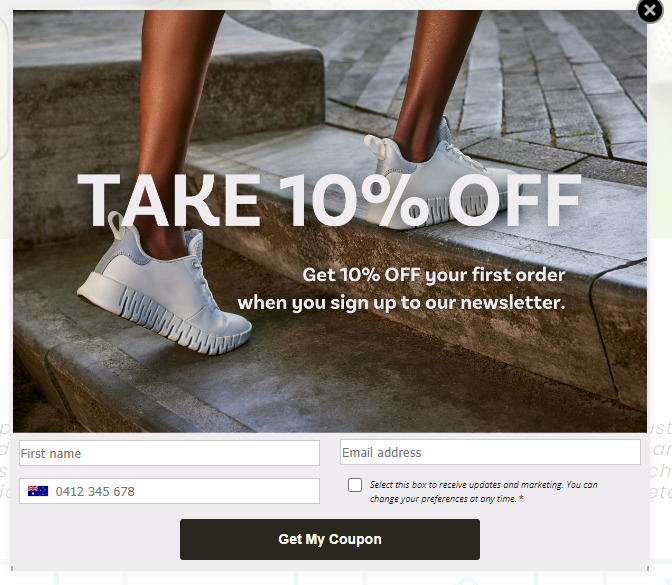
- Welcome emails: Sent to new subscribers, these emails introduce your brand, set expectations, and start building trust
- Transactional emails: Messages triggered by a user action, like purchase confirmations, receipts, or password resets. They’re essential for keeping communication clear and professional
- Lifecycle or automated emails: These are sent automatically based on behavior or stage in the customer journey, like abandoned cart reminders or re-engagement campaigns. They save time while keeping your audience engaged
Understanding these types can give you a clear framework for planning your first campaign. Don’t worry about doing everything at once. You can focus on what feels manageable first.
How to get started
Getting started with email marketing doesn’t need to be complicated. Focus on a few key steps first. Once the basics are in place, you can build on them over time.
Step 1. Define your audience
Before set up your first email campaign, take a moment to think about who you’re trying to reach. Email marketing works best when your message feels relevant to the people receiving it.
Start by identifying the main groups of people you want to communicate with. For many businesses, this might include new subscribers, existing customers, or people who have shown interest in a specific product or service.
If you’re not sure where to begin, ask a few simple questions:
- Why did this person sign up to hear from us?
- What problems are they trying to solve?
- What kind of information would they actually find useful?
- What action do we want them to take after reading the email?
Answering these questions helps shape the tone, content, and purpose of your emails.
Helpful tips:
It’s also helpful to look at the data you already have. Website sign-up forms, purchase history, and previous engagement can give you clues about what your audience cares about. Even basic information like location, interests, or past purchases can help you tailor your emails.
Step 2. Choose an email marketing platform
Once you know who you want to reach, the next step is choosing a platform to send your emails. While it’s possible to send messages from a regular inbox, email marketing platforms are designed to handle campaigns at scale and provide the tools you need to manage them properly.
A good platform helps you do a few key things in one place:
- You can store and organize your contacts
- Design emails using templates
- Schedule campaigns
- Track how people interact with your messages
- Your emails are delivered reliably and follow email marketing regulations
For beginners, the most important thing is finding a platform that feels easy to use. Look for features like:
- Drag-and-drop email builders so you can design emails without coding
- List management tools to organize and segment your contacts
- Automation features for things like welcome emails or follow-ups
- Reporting dashboards so you can see how your emails perform
Many platforms also include tools powered by AI that can help with tasks like writing subject lines, generating email copy, or suggesting improvements based on past performance.
Step 3. Growing your email list
Your emails are only effective if you have people who actually want to receive them. Building your email list is all about attracting subscribers who are genuinely interested in your brand.
Start with simple, permission-based methods:
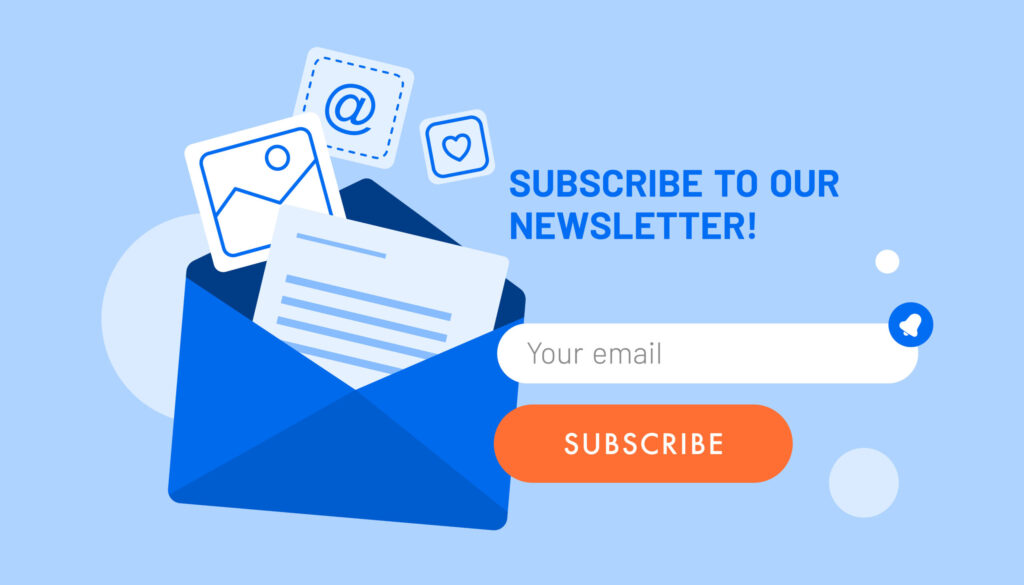
- Sign-up forms on your website: Place them in visible spots, like your homepage, blog, or checkout page
- Newsletter subscriptions: Offer regular updates, tips, or insights in exchange for an email address
- Gated content or resources: Share a downloadable guide, checklist, or template that requires an email to access
A few quick tips:
- Be clear about what subscribers will get: People are more likely to sign up if they know what to expect
- Keep forms short and simple: Usually just asking for a first name and email is enough
- Avoid purchased lists: Sending emails to people who haven’t opted in can hurt your reputation and deliverability. Instead, build your list with clear consent. Use a simple tick box to capture permission, make sure it’s obvious what people are signing up for, and include easy-to-find links to your privacy policy and terms and conditions so expectations are transparent from the start
At this stage, focus on quality over quantity. A smaller list of engaged subscribers is far more valuable than a large list of people who aren’t interested.
Step 4. Segment your contacts
Once you have a list of subscribers, the next step is to organize them into groups based on shared characteristics so you can target your emails more effectively. This is called segmentation, and it makes your emails more relevant and personal.
Start with simple segments, such as:
- New subscribers – people who just joined your list
- Existing customers – people who have made a purchase before
- Interest-based groups – for example, people who signed up for tips about a specific topic or product
Segmentation lets you send the right message to the right people instead of one generic email to everyone. Even basic segmentation can improve open rates, clicks, and overall engagement.
A few tips:
- Start small; you don’t need dozens of segments at first
- Use the information you already have, like sign-up forms, purchase history, or website behavior can guide your segments
- Think about personalized content – what does this group care about, and what action do you want them to take?
By sending emails that feel personal and targeted, you start building stronger relationships with your audience from day one.
Step 5. Plan your emails
Before you start writing, it helps to have a plan, or a calendar, for what you want to send and when. Planning helps keep your emails consistent and helps you to target messages to the right groups.
Start with a basic approach:
- Decide on your goals: Are you sharing tips, promoting a product, or welcoming new subscribers?
- Set a frequency: Whether it’s weekly, biweekly, or monthly, pick a schedule you can realistically keep
- Map out your first few emails: A small calendar with your first 3-5 campaigns helps you see the bigger picture and stay organized
A few practical tips:
- Keep it simple at first – don’t plan too many campaigns at once
- Consider timing – think about when your audience is most likely to read your emails
- Be flexible – your plan can evolve as you learn what works
Having a basic plan makes the next steps, like writing, testing, and sending emails, much easier and less overwhelming.
Step 6. Write your email
Now it’s time to create your first email. The key is to keep it simple, clear, and focused on one main message.
Here’s a structure that works well:
Subject line: Make it short, clear, and engaging. This is what makes people decide to open your email. Pair it with a friendly “from” name so it’s clear who the message is from, and use preview text to expand on the subject line. Think of it as a second chance to give context and encourage the open.
Introduction: Greet your reader and explain why they’re receiving the email. Keep it friendly and concise.
Main message: Share the most important information or offer. Stick to one idea per email to avoid confusion.
Call to action(CTA): Tell readers what you want them to do next, whether it’s visiting a page, downloading a guide, or making a purchase.
A few tips:
- Use plain, conversational language like you’re talking to a real person
- Keep paragraphs short because long blocks of text can be overwhelming
- Include images or visuals if they support your message, but don’t overcomplicate it
- Many platforms offer AI tools to suggest subject lines, rewrite copy, or adjust tone, which can save time and spark ideas
Remember, your first email doesn’t need to be perfect. The goal is to get something valuable in front of your audience and learn from the results.
Step 7. Test before sending your email
Before you hit send, it’s important to test your email to make sure everything looks and works as intended. Testing helps you catch mistakes, see how your email appears on different devices, and feel confident that your message will reach your audience as planned.
Here are some things to check:
- Preview your email: Most platforms let you see how your email will look on desktop and mobile
- Check links: Make sure all buttons and links go to the right pages
- Read it aloud: This helps spot awkward phrasing or typos
- Send a test email: Send it to yourself or a colleague to see it exactly as your subscribers will
Testing doesn’t have to be complicated. Even these small checks can prevent mistakes and improve how your emails perform. Once you’re confident everything looks good, you’re ready to send.
Step 8. Send, measure, improve
After your email is sent, the next step is to see how it performed. Measuring results helps you understand what works, what doesn’t, and how to make your future emails better.
Key metrics to look at include:
- Open rate: How many people opened your email? This helps you understand if your subject lines are compelling
- Click-through rate(CTR): How many people clicked on links or buttons? This shows if your content and call-to-action are engaging
- Engagement over time: Are people reading your emails regularly, or only sometimes?
- Conversions: Did people take the action you wanted, like making a purchase or downloading a resource?
A few tips:
- Start simple by focusing on one or two metrics at first, like opens and clicks
- Compare results between emails to see what works best
- Use insights to adjust your next emails, for example, try a new subject line or reword a call-to-action
Email marketing is an ongoing process. Each campaign teaches you something new, and even small improvements over time can make a big difference.
Tips for better email deliverability
Now that you’ve created and sent your first emails, the next step is making sure your messages actually reach your subscribers’ inboxes. This is called deliverability, and it’s key to making sure your emails get seen rather than getting lost in spam or promotions folders.
Here are a few ways you can improve email deliverability:
- Use a reputable email marketing platform, like Dotdigital, who handles the technical setup for you
- Email people who opted in – permission-based emails keep your list healthy and protect your sender reputation
- Keep your list clean – remove inactive subscribers and fix invalid addresses over time
- Avoid spammy content – steer clear of overly salesy language, all-caps subject lines, or too many links
- Authenticate your emails – most platforms do this automatically, but it’s worth checking SPF, DKIM, and DMARC settings
- Use BIMI to display your brand logo in supported inboxes, helping build trust and improve recognition
Need more inspiration?
Here’s 19 tips to help you stand out in inboxes
Stay compliant and protect your subscribers
Once you’re sending emails, it’s important to follow basic rules that protect both your audience and your reputation. Compliance makes sure your emails are legal, trusted, and welcomed by subscribers.
Key points for beginners:
- Get permission first – only email people who opted in. This is the most important step for staying compliant
- Include an easy unsubscribe option – every email should have a visible way for subscribers to opt out
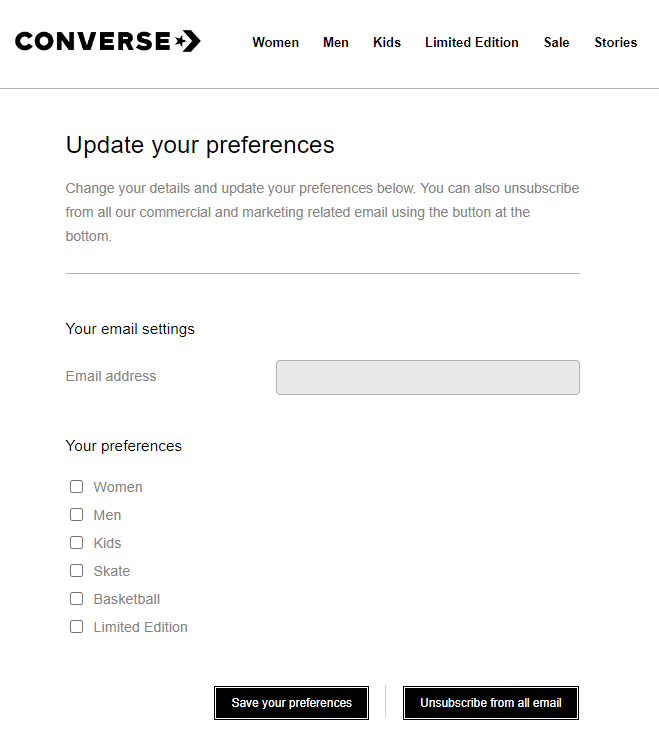
- Offer a preference center – let subscribers choose the types of emails they want to receive and how often. This improves engagement and helps you stay compliant.
- Include your business information – most regulations require a valid physical address in your emails
- Follow relevant laws – in the U.S., that’s CAN-SPAM; in Europe that’s GDPR. Most email platforms help you stay compliant automatically
By keeping compliance in mind from the start, you not only follow the rules but you also build trust with your subscribers, which improves engagement over time.
From beginner to confident email marketer
Getting started with email marketing might feel overwhelming at first, but with the right approach, it’s completely manageable. Focus on the key steps that will set you up for success:
- Define your audience, choose a platform, and build your list
- Segment your contacts, plan your emails, and personalize your campaigns
- Write, test, and send messages that deliver value
Then keep improving as you go:
- Keep an eye on how your emails perform
- Learn from your results
- Make small improvements along the way
Start simple, stay consistent, and keep your focus on delivering value. With practice and persistence, you’ll quickly gain confidence and see the impact of your efforts.
Happy emailing!
