

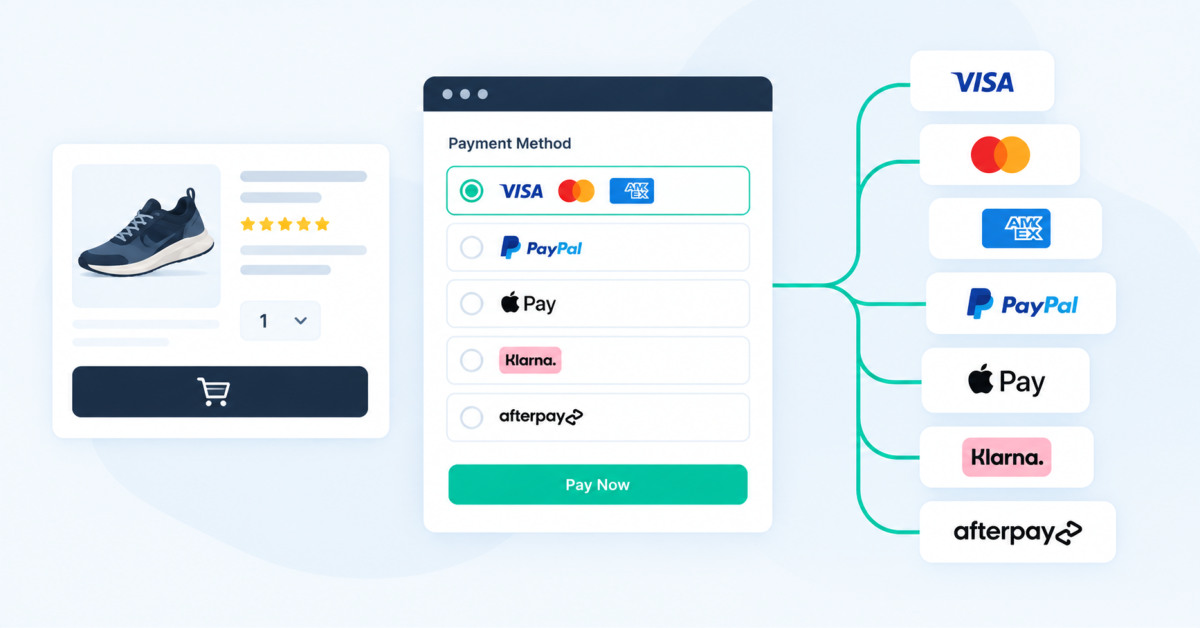
Flexible payment options are changing online checkout from a single pay-now moment into a choice-driven experience, helping Filipino shoppers match purchases to their cash flow while giving merchants a practical way to reduce friction without hiding the true cost of credit.
At checkout, the winning brand is not the one with the most payment logos. It is the one that gives customers the right amount of choice, clarity, and confidence to complete the purchase.
There is no denying how much Filipinos now depend on online channels for an increasing proportion of their purchases. With the Philippines’ e-commerce market set to expand to USD 40.5 billion in total value by 2027, it’s abundantly clear just how much online services and marketplaces have intertwined with the lives of many Filipinos. And as digital shopping evolves as a whole, the wider checkout experience is likewise becoming more adaptable as well.
One important development is the growing availability of flexible payment options. Instead of treating checkout as simply the point where shoppers pay, online stores are now actively giving customers more choices when it comes to completing their purchases. This has made shopping more convenient while also giving a wider cross-section of consumers better access to items and services they might not be able to afford outright. Let’s look at how these choices are reshaping online checkouts for everyday Filipinos.
In practice, monthly household budgets don’t always match real-life needs. For example, an appliance or household fixture may suddenly need replacing, or a student may need a laptop before classes begin.
Different payment methods can give consumers more control over these expenses. Instead of automatically paying the entire amount upfront, shoppers may be able to use the online store’s options to divide the cost into more affordable scheduled payments that better suit their real cash flow. Rather than paying a lump sum, these choices can distribute the real cost of the purchase over several months, which may make them easier to incorporate into a household budget.
Online consumers now span an entire gamut of incomes. Since different households have different financial circumstances, offering one payment method will seldom suit everyone.
Providing multiple ways to pay lets shoppers select an arrangement appropriate for their needs. One person may prefer paying immediately, while another may find installments more practical for a larger order. More choices make online checkout adaptable to different purchasing situations.
Even if one has savings, a large checkout total can still be challenging to fit alongside other regular expenses. In these cases, online stores that offer installments with clearly defined payment schedules give shoppers another way to plan. With these options, consumers can better consider scheduled payments alongside groceries, utilities, transportation, savings, and other commitments without compromising any of them.
These days, there’s no shortage of workarounds for online stores to accommodate virtually any payment method, including cash on delivery and even order online and pay over the counter. Even so, making different payment methods readily available during checkout gives consumers a straightforward way to select the approach they prefer.
This can be especially useful for the vast majority of Filipino shoppers who primarily shop on smartphones. Ready availability at checkout allows them to review an order, choose a suitable payment method, and complete their purchase through one continuous process.
Filipinos are now more financially savvy than ever. This means that, even if they have the cash on hand, many consumers avoid concentrating a large expense on a single day. Stores that offer installments and similar plans at checkout can better appeal to these types of buyers who prefer more control over their funds.
Far from just encouraging more consumption, such flexibility may encourage shoppers to think more carefully about timing. Instead of looking only at an item’s total price, shoppers can consider how scheduled payments fit into their financial calendar. For example, they can compare due dates with their salary schedules, recurring bills, savings goals, and other commitments before confirming an order.
Each Filipino household has different priorities, income schedules, and, most importantly, purchasing habits. What’s more, all of these can evolve with time, often mirroring wider demographic and technology trends.
For example, an approach that works for a young professional may no longer suit them when they eventually marry and have children or become a caregiver for an elderly parent. Having more ways to pay can accommodate these differences, allowing each consumer to choose a payment method based on their own circumstances rather than reshaping their finances to accommodate a checkout method that doesn’t make sense to them.
As online shopping becomes more integrated into Filipino lives, checkout options have had to evolve to help address a wider gamut of consumer challenges. As consumers, it’s easy to just take this flexibility as a win, and it is. Even so, we must make the effort to use that flexibility thoughtfully. With careful planning, the increasingly adaptable checkout experiences we enjoy today can become a natural, sustainable fit in our everyday financial lives.
Your ecommerce store should offer the payment methods your target customers already use most, which commonly includes digital wallets, cards, bank transfers, and cash-based options where operationally viable. PCMI’s 2024 data shows that digital wallets represented the largest share of Philippine ecommerce payment volume at 34%, ahead of credit cards, bank transfers, cash on delivery, debit cards, cash payments, and BNPL. Start with your actual checkout data and customer requests, then add installment options only when your product category, average order value, and provider economics justify them. A relevant payment set is more valuable than a long, confusing list.
Installment payment options can improve ecommerce conversion rates when a large upfront price is the main reason a qualified customer hesitates at checkout. They are most likely to help on higher-consideration purchases, including electronics, furniture, appliances, premium bundles, and other products that strain a shopper’s immediate cash flow. The result is not guaranteed, so merchants should test against a baseline and measure conversion by product, device, customer type, and order-value band. Also track merchant fees, refunds, payment-support contacts, and repeat purchases, because higher order volume without profitable or satisfied customers is not a complete win.
You can show buy now, pay later options responsibly by displaying the full price, total repayment obligation, payment schedule, interest or fees, and late-payment terms alongside the installment amount. Do not use “only PHP X today” as the only payment message, because it emphasizes the smallest immediate payment while hiding the full commitment. Keep pay-in-full methods equally visible and avoid countdown tactics or language that suggests a customer must finance an ordinary purchase. Responsible payment design helps customers make informed choices and protects your brand from the trust damage caused by surprises after checkout.
You should not add every payment method available to your Shopify checkout because too many options can create clutter, reporting complexity, customer-support burden, and margin leakage without solving a real customer problem. Start by reviewing payment failures, abandoned-checkout feedback, customer-service tickets, device mix, geographic demand, and average order value. Add the methods that serve meaningful segments of your buyers, then measure whether they increase profitable conversion. A small, well-supported payment mix that customers recognize will usually outperform a crowded checkout full of marginal options and inconsistent handoffs.
You should track conversion rate, checkout abandonment, average order value, gross margin after provider fees, payment-method selection, authorization failures, cancellations, refunds, disputes, support contacts, and repeat-purchase behavior after adding a flexible payment option. Compare performance with a pre-launch baseline and segment the data by mobile versus desktop, new versus returning customer, product category, and order-value band. The most important question is whether the new method creates incremental profitable orders, not whether customers simply select it. If conversion improves but refunds, support costs, or poor-quality first purchases increase, revisit the presentation or provider fit.




