Free every Thursday · 61,308 Readers
Fastlane Insider Newsletter: What's working for Shopify in the AI era?
Free every Thursday · 61,308 Readers
Fastlane Insider Newsletter: What's working for Shopify in the AI era?

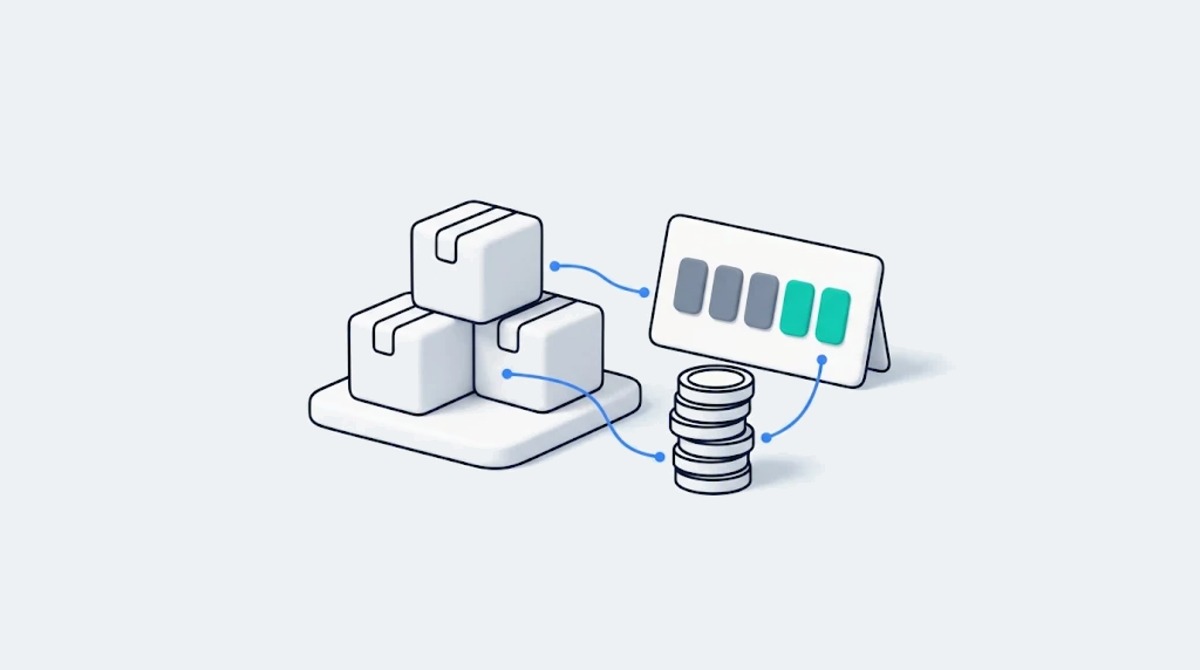
The lower factor rate isn’t always the cheaper money. Put two $50,000 offers side by side and the 1.15 over six months annualizes to about 66%, while the 1.25 over twelve months lands near 51%.
This review is based on Fora Financial’s own published terms, read on November 12, 2026, checked against independent lender reviews and a worked cost model on two sample offers. I read the Fora Financial FAQ and its loans and financing page line by line, compared them with Finder’s 2026 Fora Financial review, and priced two $50,000 offers using Fora’s own rate range and origination fee floor.
Here is what this review did not cover. I did not submit an application or receive a live offer, so the sample offers are illustrations built from published ranges, not quotes. I did not interview Fora borrowers. The SBA, equipment financing, invoice factoring and accounts receivable products Fora now lists were not assessed, because they aren’t what a Shopify store usually comes to Fora for. If you hold a real offer, your numbers replace mine; the method below is the part that carries over. Fora lends to US businesses, so every figure is in US dollars, and the Shopify Capital terms cited are its US loan structure; other countries differ.
This page replaces our earlier Fora Financial review from December 2024, which leaned on unsourced examples. Every figure here carries a date or a source. Last updated: November 2026.
Fora Financial is a New York based business lender, founded in 2008, that sells short term lump sum loans and revenue advances to small businesses that need cash faster than a bank will move. Its financing page says it has funded $5 billion to more than 55,000 businesses since 2008, and it now lists eight products, from a small business loan and a revenue advance to a line of credit, SBA loans and invoice factoring.
For a Shopify store, the two products that matter are the small business loan and the revenue advance. The loan is a lump sum repaid on a fixed schedule over four to 18 months. The revenue advance is repaid from a share of your sales, so payments rise and fall with revenue. Both are priced with a factor rate, a multiplier on the amount you take, rather than an interest rate.
One detail is easy to miss. Fora’s FAQ says financing is issued by Fora Financial, Celtic Bank or unaffiliated third party funders, and the agreement names the provider before you sign. Read that line on any offer, because the company whose name is on the contract is the one you’ll be dealing with for the next year.
Fora is best fit for Shopify stores with six or more months of steady deposits, roughly $250K to $2M in annual sales, and a specific inventory buy that has to happen this month. Think of a purchase order for a confirmed wholesale account, or a reorder of a proven bestseller ahead of a peak you have sold through before.
Not a fit: stores under the revenue floor, stores still finding product market fit, and any brand hoping borrowed money will fix a margin problem. Fora’s published minimum is muddled. The FAQ asks for $17,000 a month in gross sales, while the financing page says around $240,000 a year, which is $20,000 a month. Either way, a store doing $8,000 a month is not in the conversation. Fora also lists ecommerce as an industry it serves, but its funded by industry figures don’t break it out; retail sits at over $135 million, against over $508 million for services, and ecommerce has no line of its own.
Requires: a personal FICO score of 570 or higher, your last three business bank statements, and enough contribution margin to cover a payment that starts right away. That last requirement is the one nobody lists. The money arrives in a day or two. The inventory it buys might take eight to twelve weeks to land and sell.
If you’re just starting out, skip ahead to the alternatives and the preorder idea in my take. If you’re past $500K a year and the purchase order is real, the next three sections are where your decision gets made.
Fora’s clearest strength is speed for borrowers banks won’t approve: a decision in as little as four hours and funding as soon as 24 hours after you accept the offer, with a credit floor of 570. That combination is rare. Most lines of credit I’d point a Shopify store toward first ask for 625 or better and a full year of history.
The second strength is that Fora publishes a pricing range at all. Its FAQ states rates from 1.13 to 1.50 and an origination fee that can be as low as 2.5 percent, plus a one time wire fee. Plenty of cash advance shops won’t give you a range until you’ve handed over bank statements. A published range lets you do the math in the next section before you apply.
Third, early payoff is rewarded. There is no prepayment penalty, and Fora says paying early can bring the rate down to as low as 1.05, depending on the offer. If your inventory sells faster than planned, that discount is real money. Ask for the prepayment terms in writing, because they vary by offer.
Fourth, the application starts with a soft credit check that, per the FAQ, doesn’t appear on your credit report. You can see whether an offer exists without a hit to your score. Before accepting, ask whether a hard pull happens at funding. Financer’s 2026 Fora review says one happens only after you’re approved and accept, while Fora’s own pages describe the soft check only.
Fora’s biggest limitation is cost: a factor rate on a four to 18 month payback works out to an annual rate several times what a bank line charges, and the factor rate itself hides that. A 1.25 sounds like 25 percent. Over twelve months of weekly payments, with the origination fee taken out of the proceeds, it is closer to 51 percent a year. Over shorter terms the annual figure climbs, even when the factor rate drops.
The second problem is timing. Small business loan payments run on a fixed schedule, daily or weekly according to Finder’s review, and they start almost immediately. Inventory doesn’t sell immediately. For a store whose stock spends weeks on the water, the first several payments come out of cash the business already had, which is the cash shortage the loan was meant to solve. The revenue advance flexes with sales, but that also makes your weekly outflow hard to predict.
Third, the renewal loop. Fora’s FAQ says it prefers you to be six months or 60 percent paid into a loan, whichever comes first, before renewing. That is a sensible lender policy and a risky borrower habit. A store that renews at 60 percent to cover the cash the first loan’s payments drained is now paying for the same inventory twice.
Fourth, the fine print on liens. Fora reserves the right to file a UCC lien if you stack another advance on top, stop payments, shop the file without notice, or bounce three payments in a row. Read that as a clear rule: one funder at a time, and talk to them before you miss a payment.
As of November 2026, Fora prices small business loans at 1.13 to 1.50 over four to 18 months, with an origination fee from 2.5 percent, which works out to roughly 51 to 66 percent a year on the two sample offers below. Illustrative example, assuming a $50,000 amount, 26 or 52 weekly payments starting a week after funding, and the 2.5 percent origination fee taken from the proceeds. The figures exclude Fora’s one time wire fee, so add it from your own offer. The APRs are approximate nominal rates (the weekly rate times 52):
Offer A costs $5,000 less in dollars and about 15 points more per year, because you pay its fee over half the time. Which one is cheaper for you depends on how fast the inventory turns back into cash. Now the stage view.
Early stage, under $500K a year: at Fora’s $20,000 a month floor, either offer takes a quarter to half of gross sales in payments. That only works for a purchase that is already sold, such as a wholesale order with a signed PO. For anything speculative, the value isn’t there.
Growth stage, $500K to $5M: at $100,000 a month, Offer B’s payments are about 5 percent of sales. Whether you can carry that depends on a weekly cash forecast that covers operating costs, existing obligations and the weeks before the new stock sells, not on the percentage alone. Thomas Gleeson, co-founder of StoreHero, put the margin reality plainly on episode 466 of the podcast: “a good e commerce business today generates about 8% to 12% net profit. And it’s a very cash intensive business.” Illustrative example: if the $48,750 buys stock you sell for $97,500 and you keep 25 cents of contribution per sales dollar after shipping, fees and ads, that’s $24,375, and Offer B’s $13,750 cost takes 56 percent of it. Run the same math on your own margin before you sign.
Scale, $5M and up: you’ll usually qualify for a bank line or asset based lending at a fraction of this cost, and Fora’s $1.5 million cap limits it to a short bridge at most.
The alternatives most Shopify stores should price before Fora are Shopify Capital (stronger if an offer is already waiting in your admin), a Bluevine or OnDeck line of credit (stronger once you have a year of history and 625+ credit), and Wayflyer (stronger for ecommerce brands that want underwriting on store and ad data). Here is how the published entry requirements compare, as of November 2026:
Qualifying for one of these doesn’t guarantee cheaper money. OnDeck’s own site discloses average APRs of 53.2 percent on term loans and 59.8 percent on lines of credit, for loans originated in the half year ending June 30, 2026, which is in the same range as the Fora samples above. Compare the APR on actual offers, not the brand.
Choose Shopify Capital instead if an offer is already showing in your admin and most of your sales run through Shopify. Repayment comes from a percentage of daily sales, so a slow week takes less, though Shopify’s finance page says the maximum term is 18 months and two minimum payments apply.
Choose a Bluevine line of credit instead if you have 12 months of history, $10,000 a month in revenue and a 625+ score. You pay only on what you draw, which suits a store that needs cash in pieces across a season rather than one lump sum.
Choose OnDeck instead if you have a year in business, $100,000 in annual revenue and a 625 score, and want a longer runway. Its site lists term loans up to $400,000 with repayment terms up to 24 months, and lines of credit up to $200,000.
Choose Wayflyer instead if you sell physical products, have averaged $10,000 a month for six months, and your credit score is what’s holding you back. Finder’s October 2026 Wayflyer review lists a single fee of 5 to 10 percent and terms of three to nine months, so run the same annual rate math.
Choose Fora if you’re past six months, under 625 credit, and need more than these options will give you this week.
For a Shopify store doing $500K to $2M a year with a confirmed purchase it can’t fund any other way this month, Fora is a reasonable short bridge, as long as you’ve priced the offer as an annual rate and the inventory will sell inside the term. For almost everyone else, I’d try three cheaper moves first.
Full disclosure: I have an affiliate relationship with Fora Financial through Impact. That doesn’t change what I’m about to tell you.
The pattern I hear again and again on the podcast is that cash problems in ecommerce are usually inventory problems wearing a disguise. Izzy Rosenzweig, founder and CEO of Portless, said it on episode 479: “But how you operate your supply will be the difference of if you’re going bankrupt or if you’re scaling aggressively.” A loan doesn’t change how you operate your supply. It just lets you buy more of it, faster.
So here is what I’d do before borrowing. First, shrink the order. Smaller, more frequent purchase orders free up cash you already have, and Fastlane’s breakdown of why your best month can drain your cash shows how cutting inventory from 90 days to 60 releases real working capital. Second, take preorders on the stock you’re about to buy, so customers fund part of the order instead of a lender. Third, check your Shopify admin for a Capital offer, which flexes down on slow days.
Who should not take a Fora offer at all: stores under the revenue floor, stores planning to spend the money on ads, and any brand already carrying another advance. If you’ve done all three steps and the gap is still there, Fora Financial is worth a soft pull application to see the real number. Then do the math in this review before you sign anything.
These are the questions Shopify merchants ask most often about Fora Financial, answered from its published terms as of November 2026.
Yes, Fora Financial is a legitimate business lender founded in 2008 and based in New York, and it says it has funded $5 billion to more than 55,000 businesses. Customer sentiment is strong: Fora holds a TrustScore of about 4.7 out of 5 from more than 1,000 reviews on Trustpilot as of November 2026. Legitimate isn’t the same as cheap, though. Its loans are priced with factor rates over short terms, so the annual cost is high compared with a bank line. Also check who issues your financing, because Fora’s FAQ says it can be Fora, Celtic Bank or an unaffiliated third party funder named in your agreement.
You need a personal FICO score of at least 570 for a Fora Financial loan, according to its FAQ as of November 2026. Credit isn’t the only test. Fora also asks for at least six months in business and steady sales: the FAQ says $17,000 a month in gross sales, while its financing page says around $240,000 a year. You’ll need your last three business bank statements. A score of 570 gets you considered, not approved, and lower scores usually mean higher rates. If your score is 625 or higher and you have a year of history, get a Bluevine or OnDeck offer too and compare the APRs side by side.
To convert a factor rate into an APR, use the cash you actually receive, your payment amount and the number of payments in a standard loan APR calculator. For a quick estimate, divide the total cost (factor fee plus origination fee) by the cash you receive, convert that to a yearly figure, then roughly double it, because you repay the balance as you go rather than at the end. On a $50,000 offer at 1.25 over twelve months with a 2.5 percent fee, the total cost is $13,750 on $48,750 received, about 28 percent simple, which works out to roughly 51 percent a year on weekly payments, before Fora’s wire fee.
Applying with Fora Financial shouldn’t hurt your credit score, because Fora’s FAQ says the application uses a soft check that doesn’t appear on your credit report. Fora needs your Social Security number to run it. Financer’s 2026 review says a hard pull happens later, after you’re approved and accept an offer, while Fora’s own pages only describe the soft check. Before you accept, ask your funding specialist in writing whether a hard inquiry will be made at funding. That way you can compare several offers without stacking credit inquiries.
Shopify Capital is usually the better first option for a Shopify store that already has an offer in its admin, while Fora is better when no offer exists or you need more than Shopify will give you. Shopify Capital repays from a percentage of daily sales, so slow days take less, with a maximum term of 18 months and two minimum payments. Fora repays on a fixed schedule from the start, which is harder on cash while inventory is in transit. Fora can lend up to $1.5 million and decide within hours. Compare both as annual rates on the cash you’d actually receive.