

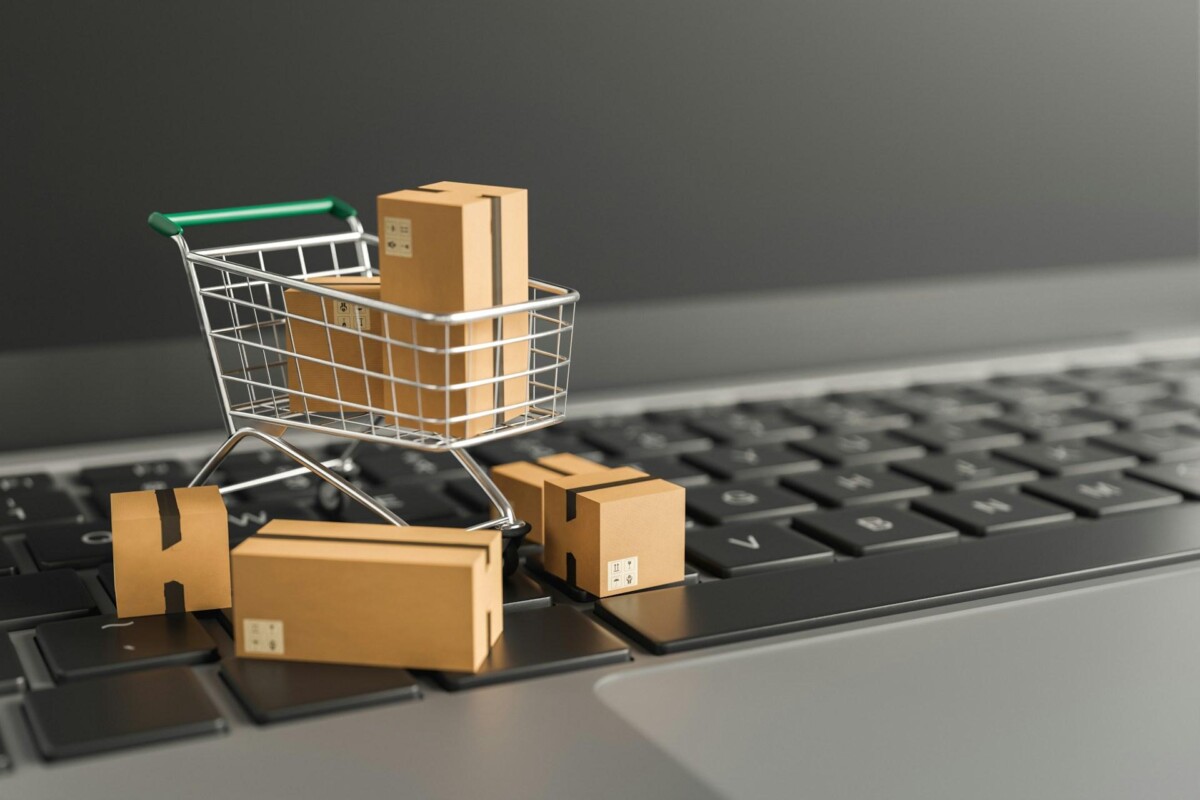
One of the biggest challenges facing growing ecommerce brands is that operational problems often appear long before customers notice them directly. At first, increased sales usually feel exciting. More orders, expanding product lines, stronger traffic, and higher fulfillment volume all suggest positive momentum.
However, many online businesses eventually discover that growth creates logistical strain behind the scenes. Inventory becomes harder to organize, packing operations become less efficient, storage areas become overcrowded, and order management starts consuming more time than expected.
For smaller ecommerce companies especially, these problems can develop gradually. Many brands initially operate from garages, spare rooms, small warehouses, retail backrooms, or shared office spaces. What works during the early stages of growth often becomes difficult to manage once order volume begins increasing consistently. As ecommerce competition becomes more demanding, operational efficiency now plays a much larger role in long-term business performance.
One of the clearest shifts within ecommerce logistics involves the growing demand for flexible storage infrastructure. Businesses increasingly need scalable systems that allow them to adapt quickly during periods of growth, seasonal demand spikes, or inventory expansion.
This is one reason many online retailers exploring options for self storage are treating storage flexibility as part of broader operational planning rather than simply a temporary space solution. Ecommerce businesses now often require environments that help support inventory organization, product rotation, packaging supplies, seasonal stock management, and smoother day-to-day fulfillment operations.
For many growing brands, storage challenges are closely connected to customer experience itself. Delays caused by poor organization, inaccessible inventory, or overcrowded workspaces can eventually affect shipping speed, order accuracy, and overall operational consistency.
Seasonal businesses face even greater pressure in this area. Holiday demand, promotional campaigns, product launches, and inventory fluctuations can create sudden spikes in storage requirements that smaller facilities struggle to handle efficiently. As a result, many ecommerce operators now prioritize flexibility much earlier in the growth process than they did in the past.
One of the most underestimated aspects of ecommerce growth is how quickly inventory management becomes more complicated. Adding new product variations, packaging types, seasonal collections, SKU expansions, or wholesale inventory can dramatically increase operational complexity even when sales growth appears manageable on paper.
Many businesses initially focus heavily on marketing, customer acquisition, and sales channels while underestimating how much physical inventory organization influences long-term scalability.
Poorly managed storage systems often create hidden inefficiencies. Staff spend more time locating products, packaging workflows slow down, inventory tracking becomes less reliable, and fulfillment errors become more likely during busy periods.
Over time, these operational inefficiencies can quietly reduce profitability even for brands experiencing healthy sales growth. This is particularly relevant for ecommerce businesses operating across multiple channels including direct-to-consumer websites, marketplaces, social commerce platforms, and wholesale distribution simultaneously.
Modern ecommerce customers expect fast shipping, accurate orders, reliable stock availability, and consistent delivery experiences regardless of business size. This has increased pressure on smaller retailers to improve logistics systems much earlier than before.
Customers rarely see the operational side of ecommerce directly, but they immediately notice shipping delays, stock inconsistencies, damaged products, or fulfillment mistakes. As online shopping becomes more competitive, operational reliability increasingly shapes brand reputation and customer retention.
According to the U.S. Small Business Administration, inventory management and operational planning play a major role in helping small businesses maintain efficiency, manage growth, and improve long-term sustainability. This growing operational pressure has encouraged many ecommerce businesses to rethink how they approach storage, fulfillment workflows, and inventory organization overall.
Another noticeable shift involves how businesses think about infrastructure itself. Many ecommerce brands now avoid committing too early to large permanent warehouse investments until operational demand becomes more predictable. Instead, flexibility has become one of the most valuable qualities in modern logistics planning.
Changing inventory levels, evolving product categories, shifting customer demand, and uncertain economic conditions all make adaptable operational systems increasingly attractive.
For some businesses, this means using temporary storage during growth periods. For others, it involves creating hybrid systems that combine office space, fulfillment areas, third-party logistics support, and scalable storage solutions depending on operational needs.
The ecommerce environment now changes quickly enough that businesses often benefit from maintaining operational agility instead of locking themselves into rigid long-term infrastructure too early.
Storage problems are not only about physical space. They also affect workflow efficiency, employee productivity, and overall operational clarity. Crowded workspaces often slow down fulfillment processes, increase stress levels, and create unnecessary friction during busy periods. In contrast, organized inventory systems help businesses process orders faster while reducing operational confusion. This becomes especially important for smaller teams where employees frequently manage multiple responsibilities simultaneously.
Clear organization can significantly improve packing speed, inventory visibility, stock rotation, and day-to-day operational consistency without necessarily requiring major staffing increases. Many ecommerce operators eventually realize that logistics efficiency is not simply a backend issue. It directly affects scalability, customer satisfaction, and profitability over time.
Another reason logistics planning has become more important is that many ecommerce businesses now approach growth with a stronger long-term mindset than before. Earlier ecommerce culture often focused heavily on rapid scaling without always prioritizing operational sustainability. Today, many founders are more aware of the risks associated with inefficient growth.
Businesses increasingly recognize that sustainable scaling depends not only on generating more sales, but also on maintaining systems capable of supporting operational complexity as the company expands. This includes inventory management, storage planning, shipping processes, returns handling, supplier coordination, and fulfillment efficiency. Rather than reacting to operational problems after they appear, more ecommerce businesses now invest earlier in systems that help reduce future bottlenecks.
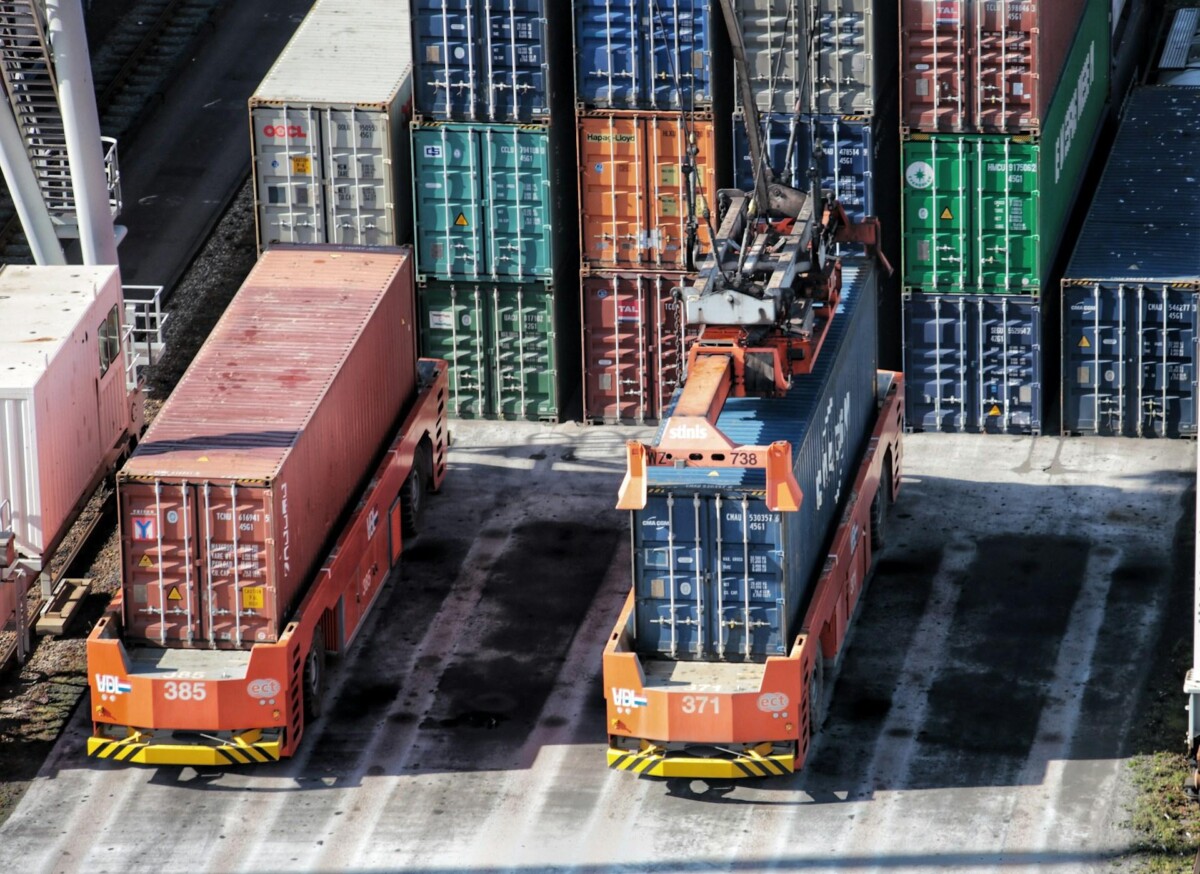
While ecommerce conversations often focus on advertising, social media, or conversion optimization, logistics infrastructure has quietly become one of the strongest competitive advantages within online retail.
Brands capable of maintaining organized operations, fast fulfillment, reliable inventory systems, and flexible storage management often perform more consistently during periods of growth and market volatility.
Customers may never directly see these backend systems, but they experience the results through smoother ordering experiences, faster deliveries, better product availability, and more reliable service overall.
As ecommerce continues evolving, operational efficiency will likely become even more important for businesses trying to scale sustainably within an increasingly competitive online marketplace.





