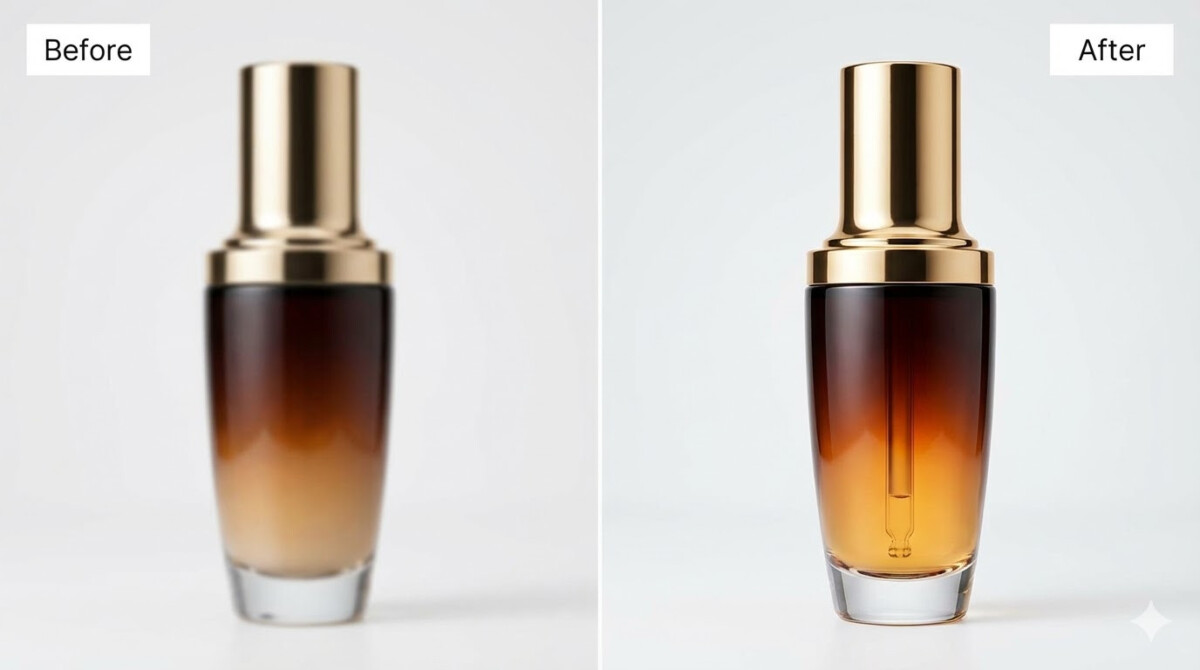
The brands winning on Shopify right now are not necessarily spending more on photography. They are spending smarter on the tools that make every image they already have work harder.
In e-commerce, visuals don’t just support the product—they sell it.
Studies consistently show that high-quality product images can significantly increase conversion rates, reduce bounce rates, and build customer trust. However, producing studio-quality visuals at scale is expensive and time-consuming.
This is where AI-powered enhancement tools are changing the game.
Instead of relying on manual editing or costly photo shoots, e-commerce teams can now use AI to automatically improve both images and videos—at scale.
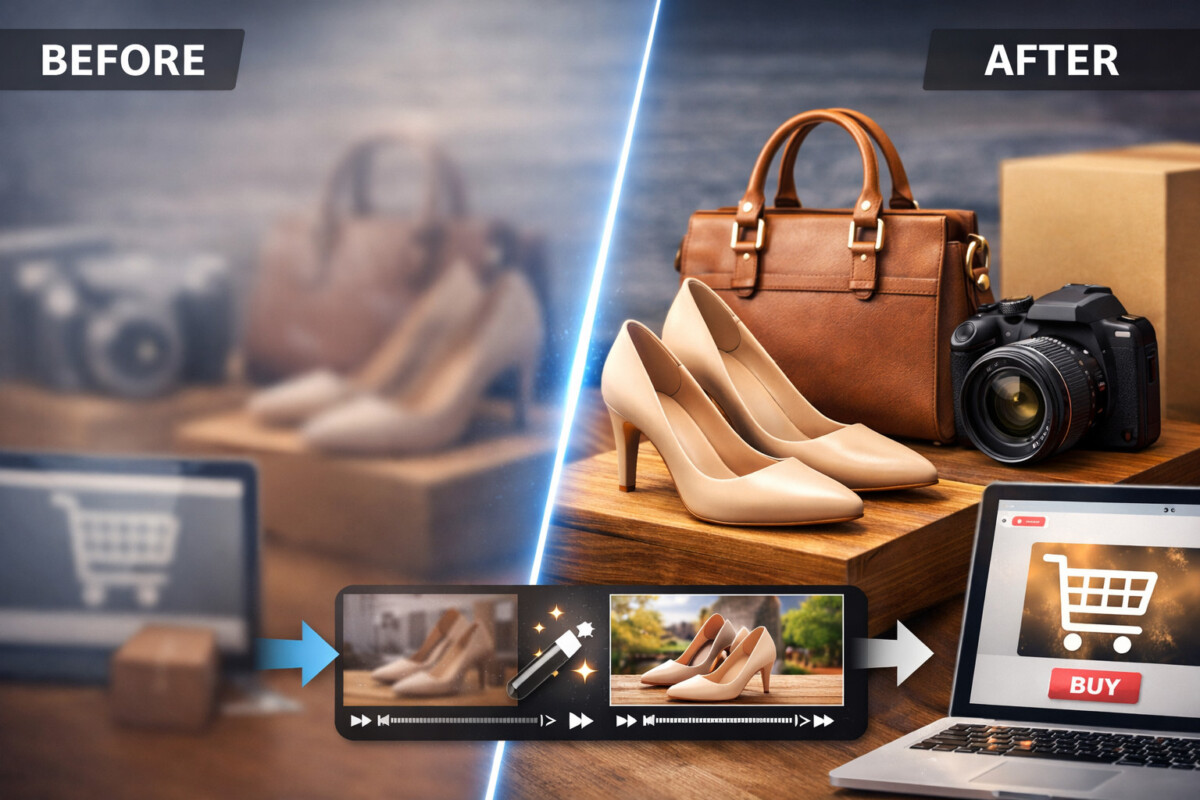
Customers make split-second decisions based on visuals.
Low-quality images can:
High-quality visuals:
AI photo enhancement tools are designed to solve the most common image issues in e-commerce workflows.
AI can upscale low-resolution images and restore lost details, making products look sharper and more professional.
👉 For example, using an AI photo enhancer like:
You can instantly:
Poor lighting is one of the most common issues in product photography.
AI tools can:
Consistency is critical for e-commerce stores.
AI helps:
Video content is rapidly becoming a key driver of engagement in e-commerce.
Platforms like Shopify, Amazon, and social media channels increasingly prioritize video in product listings.
But raw video footage often suffers from:
AI video enhancement applies similar principles as image enhancement—but across multiple frames.
👉 Tools like this AI video enhancer can help:
With it, you can:
Many dropshipping sellers rely on supplier images that are often low quality.
AI enhancement allows them to:
High-quality visuals directly impact rankings and sales.
AI tools help sellers:
For brands using TikTok, Instagram, and Facebook:
AI enhancement ensures content looks professional—even with minimal production resources.
| Feature | Traditional Editing | AI Enhancement |
| Time | Manual & slow | Automated |
| Cost | High | Low |
| Scalability | Limited | High |
| Consistency | Variable | Standardized |
To get the most out of AI tools:
Automate large product catalogs instead of editing manually
Ensure images and videos look sharp on smaller screens
Don’t rely on images alone—video boosts engagement
AI enhancement is no longer optional for e-commerce businesses—it’s a competitive advantage.
By improving both product images and videos, merchants can:
Combining AI photo enhancement with AI video enhancement allows brands to deliver a consistent, high-quality visual experience across every channel.
Do AI photo enhancers work on all types of product images, or are there categories where they perform better?
AI enhancement performs well across most product categories, but delivers the highest lift on images with clear quality issues: blurry shots, inconsistent lighting, or low resolution from supplier-provided assets. It is particularly effective for apparel, home goods, and consumer electronics where visual detail directly influences purchase confidence. Categories with highly reflective products like jewelry can require additional manual refinement after AI processing.
How much improvement in conversion rate can a merchant realistically expect from upgrading product image quality?
The honest answer is that it depends on how far below the quality bar your current images are. Merchants upgrading from supplier-quality images to professionally enhanced assets typically see conversion rate improvements in the range of 10 to 30% on the affected product pages. Merchants who already have decent images will see smaller gains. The largest lifts consistently come from fixing blurry or low-resolution images on high-traffic product pages first.
Can AI video enhancement improve footage shot on a smartphone, or does it require higher-quality source material?
AI video enhancement is specifically designed to improve lower-quality source material, including smartphone footage. It works by reconstructing detail, correcting lighting, and reducing motion blur frame by frame. The output quality is significantly better than the source, though the degree of improvement is proportional to the quality of the original. A well-lit smartphone video will enhance to near-professional quality. A poorly lit, heavily compressed clip will improve meaningfully but may not reach the same standard.
Is there a point at which a merchant should invest in professional photography instead of relying on AI enhancement?
Yes. AI enhancement improves what exists. It cannot create what was never captured. If your product requires lifestyle imagery, brand-specific creative direction, or content that tells a visual story about who your customer is, professional photography is still the right investment. The practical threshold for most merchants is around $1M to $2M in annual revenue, where the return on brand-level creative investment becomes measurable. Below that threshold, AI enhancement of existing assets typically delivers better ROI than a full photography overhaul.
How does AI visual enhancement affect Shopify page load speed and Core Web Vitals scores?
AI enhancement improves image quality but does not automatically optimize file size for web delivery. You should run enhanced images through Shopify’s built-in compression or a dedicated image optimization app after enhancement to ensure file sizes are appropriate for fast page load times. Shopify handles WebP conversion automatically for most themes, but large uncompressed files from enhancement tools can negatively impact your Core Web Vitals scores if not addressed before publishing.