


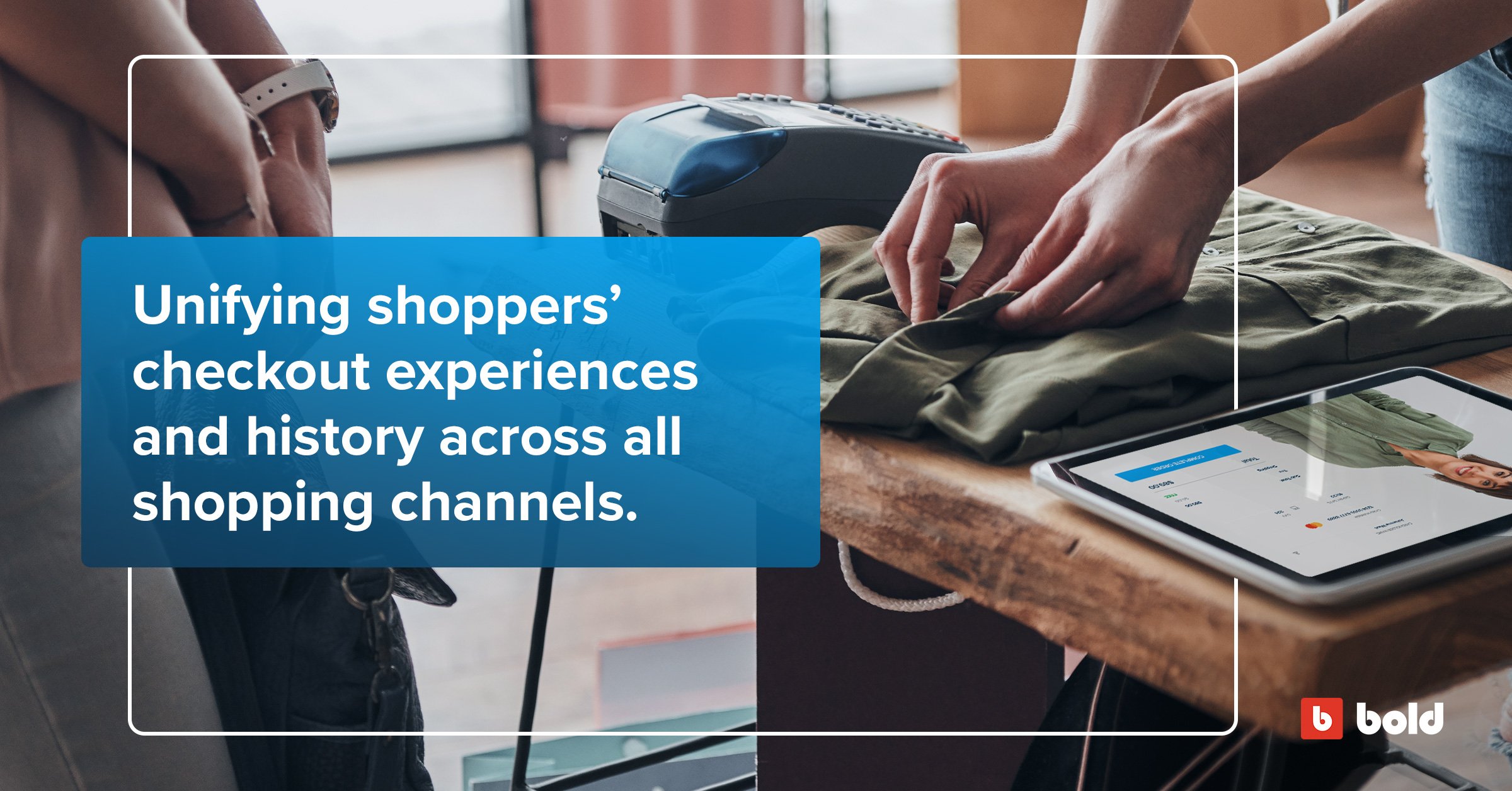
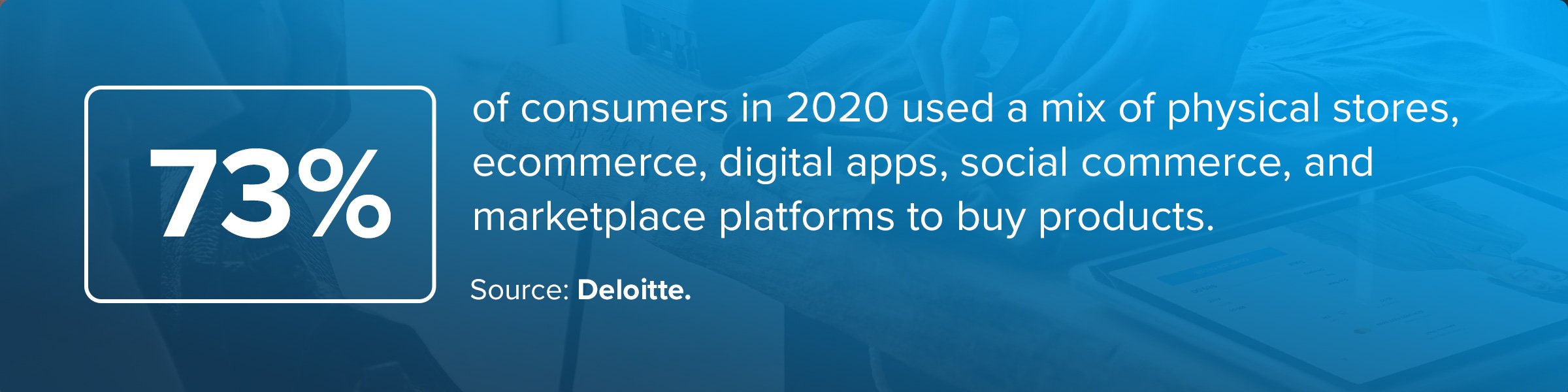
Today’s retail consumers want to make their purchases across all channels, at any time. In 2020, 73% of consumers used “a mix of physical stores, ecommerce, digital apps, social commerce, and marketplace platforms to buy products,” according to a Deloitte study of retail and consumer products trends.
For brands, such customer expectations are compounding the pressure on their traditional, and often inflexible, commerce platforms.
The complexity created by multi-channel shopping is ushering in a new phase of ecommerce. It’s one that will be defined by a checkout experience that can live anywhere — in-store, web, social media, voice, internet of things enabled-devices, and more — all while seamlessly integrating with all of a brand’s back-of-house operational systems.
Today’s modern retailers — like Staples Canada and Harry Rosen — are moving away from the more rigid, all-in-one platform to a modular approach to ecommerce.
They want to deconstruct their technology stack and reconstruct it with best-in-breed options for functions like product catalog, search and checkout solutions. The result is a commerce experience tailored to their business and customers’ unique needs.
The approach is known as headless commerce. It simply means separating the frontend (or consumer-facing) user interface “head” from the backend of an ecommerce platform. Doing so makes commerce functionality, such as the checkout experience, independent from the platform and that, in turn, makes user experience innovation possible while maintaining a unified transaction experience.

A unified transaction experience across all channels is a capability brands have been talking about for years — but haven’t yet been able to solve. Recent surveys have found that 36% of executives said increasing the quantity and quality of first-party data in their databases was crucial for their brands.
In traditional SaaS ecommerce platforms, individual customer data and their transactions are siloed by channel. Brands are unable to easily see the entire view of a customer across multiple channels. To create that elusive, unified view can require inefficient, manual processes, or can demand complex, costly and time-consuming integrations.
Without this valuable customer data, brands are hamstrung. They cannot add basic functionality customers now expect, like frictionless in-store returns for online purchases. This also limits the opportunity to personalize promotions based on known customer actions. Missing out on personalization comes at a serious cost to brands: “66% of consumers say encountering content that isn’t personalized would stop them from making a purchase,” according to CMO by Adobe.
Consider this example: An apparel brand offers in-store and online style appointments for customers. Ideally, information about a customer’s buying history, billing information, payment methods and more would be accessible in either channel ready for the stylist to use in the consultation. However, this is often not the case. If the same customer is shopping online, they typically have to re-enter their client and billing information at checkout.
Because a headless checkout experience is API-based rather than hard-wired and channel specific, it is possible to move customer data seamlessly between in-store and online channels. A brand can easily access information about their customer and his or her history across shopping experiences, enhancing content personalization based on shopping behaviors and preferences.
When brands go headless and embrace an API-based checkout experience, they can drive results across a number of areas in their business. This flexible, customizable approach to enterprise commerce can:
At Bold we are committed to bring MACH architecture to the brands we serve in a way that enables them to scale meaningfully — wherever commerce takes them.
If you’re ready for a deeper conversation about how we can help your commerce brand scale, drop me an email and we can set up a call.





