



In today’s unpredictable world, running an eCommerce business means managing more than sales and marketing. The extreme weather and flooding of 2024 exposed how fragile online retail infrastructure can be — from damaged warehouses and disrupted logistics to offline servers and shaken customer trust.
Insurers are responding in 2025 with a new approach: rewarding businesses that take preventive action. Companies investing in climate‑resilient warehousing, stronger data security, and diversified fulfillment can now access notable insurance discounts.
These incentives go beyond protection. Lower premiums free up capital for growth, whether that means improving customer experience, upgrading technology, or scaling operations. Risk mitigation isn’t just a cost — it’s a competitive advantage.
With the UAE, and especially Dubai, leading innovation in InsurTech and offering bundled coverage, loyalty rewards, and even property incentives, eCommerce brands now have an opportunity to optimize both protection and profitability. Whether you’re a DTC startup or a large‑scale marketplace, aligning your insurance strategy with smarter safeguards positions your business for resilience — and long‑term growth.
Running an eCommerce operation in Dubai or anywhere across the UAE comes with huge growth potential — but it’s not without its risks. From warehouse fires and regional floods to supply chain disruptions and cyberattacks, today’s online businesses face a world where the unexpected can happen at any time.
The good news? Insurers in the region aren’t just reacting anymore — they’re recognizing and rewarding businesses that take resilience seriously and invest in proactive risk management.
In today’s competitive digital economy, where uptime and customer trust are everything, insurance isn’t just a backup plan — it’s a smart business move. The right policy doesn’t just protect what you’ve built — it helps you bounce back faster when things go wrong.
Here’s how smart eCommerce businesses are staying protected:
Let’s be honest — in eCommerce, a disruption costs more than just sales. It can damage customer trust, drive up operating expenses, and leave a lasting mark on your brand’s reputation. That’s where comprehensive insurance comes in — turning potential crises into manageable bumps in the road.
Here’s what the right coverage can offer:
Take this example: a Dubai-based fashion eCommerce brand recently upgraded to a hybrid logistics facility with climate control and backup power. The move not only cut down on returns caused by damaged goods — it also earned them a 30% discount on insurance premiums. Smart decisions like this don’t just protect your business — they pay off.

Every eCommerce business is unique — and your insurance should reflect that. Whether you’re managing a single Shopify store or a multi-channel brand shipping internationally, having a one-size-fits-all policy just doesn’t cut it anymore.
That’s why Dubai International Financial Centre (DIFC) is leading the charge in enabling tailored insurance coverage for eCommerce businesses through its support for MGAs (Managing General Agents) and forward-thinking InsurTech firms.
According to DIFC’s official reports, the center is experiencing record growth as it expands its reach in the digital economy — including supporting innovation in fintech and InsurTech. These efforts are directly influencing how insurance is delivered to eCommerce enterprises.
Thanks to these innovations, online retailers can now access customized insurance plans that focus on their specific needs — rather than paying for coverage that doesn’t apply to their operations.
Insurance for eCommerce in 2025 isn’t one-size-fits-all — and that’s a good thing. Today’s providers are offering flexible, targeted options designed to meet the real needs of digital businesses. Here’s what you can expect:
Imagine you’re running an online home décor brand, storing luxury pieces in a smart warehouse just outside Dubai. With a customized insurance plan, you’re no longer paying for irrelevant add-ons like retail storefront liability — instead, you get coverage that fits your real needs.
In today’s market, where tight margins matter more than ever, cutting waste from your insurance plan can directly boost profitability. And with DIFC leading efforts to modernize the industry, eCommerce businesses can now fine-tune their coverage — whether you run a dropshipping model, a DTC brand, or a B2B wholesale operation.
As Dubai and the wider UAE cement their position as global eCommerce hubs, protecting your assets — digital and physical — becomes more than a precaution. It becomes a strategic move. The right insurance policy doesn’t just shield your business from risk — it optimizes your operations.
Smart insurance strategies forward-thinking eCommerce brands are using in 2025:
Let’s say your brand is scaling and eyeing a new fulfillment hub in Dubai. By partnering with the right insurance provider, especially one aligned with DIFC-backed initiatives, you could offset infrastructure costs through bundled plans that reward your investment in climate resilience and security.
These modern insurance models aren’t just helping eCommerce brands stay afloat, they’re fueling growth. They build trust with customers, attract investor confidence, and help businesses stay agile in a fast-changing world.
After the wake-up call of the 2024 floods, insurers have shifted their focus. Now, resilience is rewarded — not just in theory, but through real savings. eCommerce companies investing in weather-proof facilities, smart logistics, and customized insurance are seeing lower premiums and higher stability.
With DIFC at the forefront, enabling InsurTech firms and MGAs to design flexible, business-specific coverage, the UAE is becoming a hotspot for eCommerce innovation. Smart founders are embracing loyalty perks, bulk discounts, and hybrid policies to protect what matters — and fuel long-term growth.
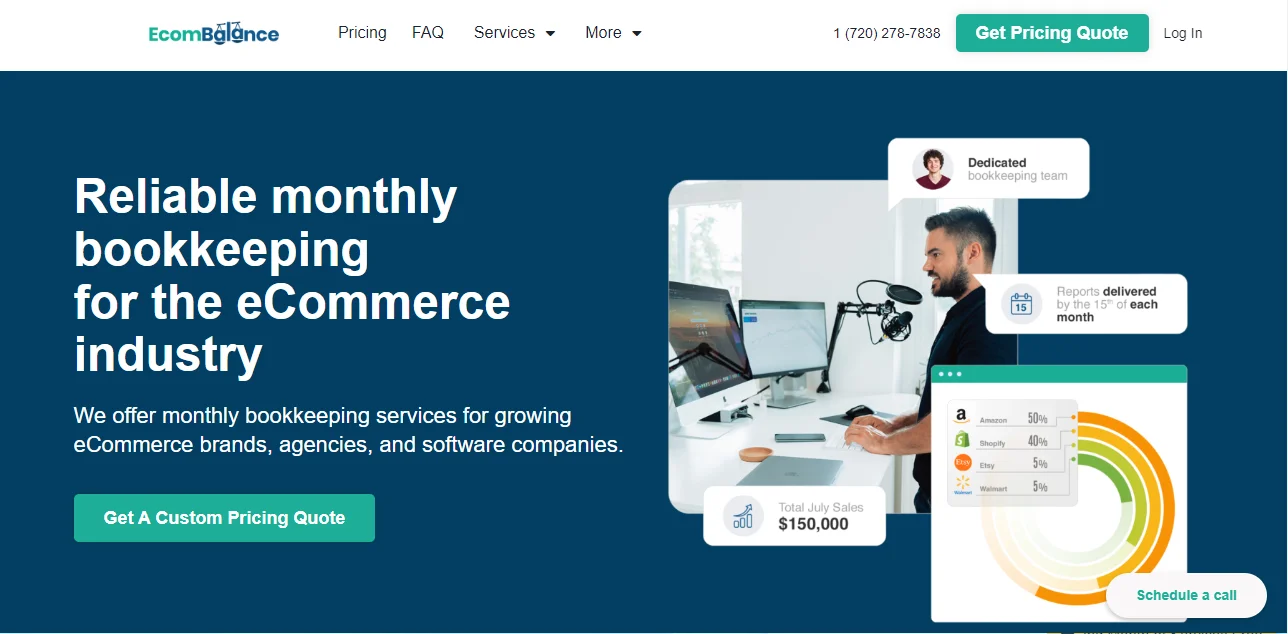
EcomBalance is a monthly bookkeeping service specialized for eCommerce companies selling on Amazon, Shopify, eBay, Etsy, WooCommerce, & other eCommerce channels.
We take monthly bookkeeping off your plate and deliver you your financial statements by the 15th or 20th of each month.
You’ll have your Profit and Loss Statement, Balance Sheet, and Cash Flow Statement ready for analysis each month so you and your business partners can make better business decisions.
Interested in learning more? Schedule a call with our CEO, Nathan Hirsch.
And here’s some free resources:





