

22nd
July, 2025
Twitter – now rebranded as X – remains a bustling social hub where trends spark and conversations flow in real time. For e-commerce brands, Amazon sellers, and marketers, finding the right influencers (content creators active on X) can amplify your brand promotion and generate valuable user-generated content (UGC). This guide will walk you through why micro-influencers on Twitter are a game-changer for online businesses and how to find influencers on Twitter/X to boost your brand’s awareness and sales. We’ll also highlight tools and tips (including how platforms like Stack Influence can help) to make your influencer hunt easier.
Twitter may have a smaller user base than some networks, but with about 335 million monthly active users – many of them educated and high-earning – it offers access to engaged, niche communities. Its fast-paced, conversational format is ideal for industries like tech, finance, retail, and e-commerce to engage customers quickly. Brands often use Twitter for customer service, feedback, and community building, so partnering with reliable voices (influencers) on the platform can enhance credibility and spark conversations around your products.
Importantly, Twitter influencers (whether big or small) have built-in audiences that trust them. When an influencer shares a product recommendation or unboxing on X, their followers take notice – this can drive traffic to your online store or Amazon listing and even improve your product’s visibility. Influencers skilled in concise, witty posts can distill your brand message into viral tweets. In short, teaming up with Twitter influencers lets you tap into ready-made communities and inject your brand into the daily discussions of your target audience.
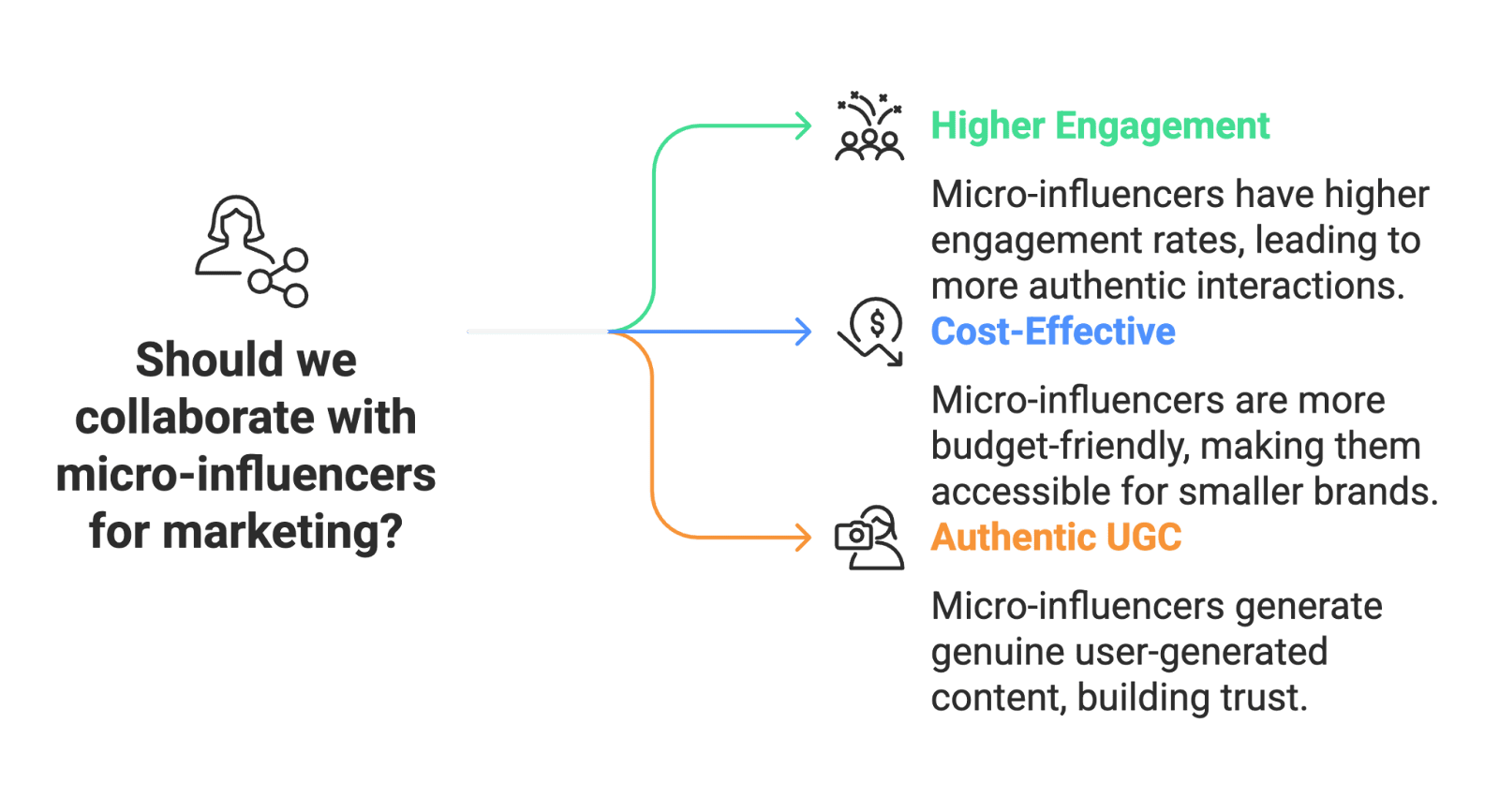
Not all influencers are mega-celebrities. In fact, micro-influencers (those with roughly 1,000 to 50,000 or up to 100,000 followers) often punch above their weight in marketing impact. Why? They tend to have higher engagement rates, closer relationships with their followers, and niche expertise. Research shows micro-influencers’ posts can achieve engagement rates up to 3X higher than macro or mega influencers, and brands see 60–80% higher ROI compared to some traditional ads. Their audiences are more tight-knit and trust their opinions, which leads to authentic interactions and content.
Micro vs. Mega influencer engagement rates on social media (Instagram example). Micro-influencers (fewer followers) see significantly higher average engagement (~3.86%) than mega-influencers (~1.21%). Greater engagement means more comments, shares, and genuine conversations around your brand.
Micro-influencers are also fantastic for generating user-generated content. Because they typically collaborate in exchange for product samples or modest fees, their social posts often feel like genuine consumer experiences rather than polished ads. For example, micro-influencers might post candid reviews, unboxing videos, or testimonials that resonate as honest UGC. These posts reflect real customer experiences, sparking word-of-mouth marketing at scale. As an e-commerce marketer, you can often repurpose this UGC – using influencer photos, tweets, or videos in your own social media, product pages, or ads (with permission) to build trust with a wider audience.
Lastly, micro-influencers are more budget-friendly and accessible. Many brands prefer working with a team of smaller influencers than a single celebrity: in fact, 64% of marketers have worked with micro-influencers, and nearly half reported the most success with them. For growing Amazon sellers or niche e-commerce brands, micro-influencers provide an affordable way to get your product in front of targeted buyers while creating a buzz of authenticity around it.
So how do you actually find the right influencers on Twitter/X for your brand? Below are seven proven methods – from using Twitter’s own features to leveraging external tools – to discover and connect with influencers who can champion your product. Use a combination of these strategies to build a list of potential influencers, then vet them for fit (audience demographics, engagement, content quality) before reaching out.
Hashtags are one of the easiest ways to find relevant voices on X. Users tag tweets with hashtags to categorize content, which makes hashtags essentially keywords for Twitter. Start by searching for popular hashtags in your industry or related to your product. For example, a skincare brand might search #skincareRoutine, #BeautyTwitter, or an Amazon gadget seller might try #TechTwitter or #AmazonFinds.
By scanning who is active in conversations around your target hashtags, you’ll quickly compile a list of potential influencers leading those conversations. For each promising profile, you can dig deeper into their recent tweets and engagement levels to gauge influence.
Twitter’s Explore tab (often represented by a magnifying glass or compass icon) is a handy built-in tool for discovery. The Explore page shows trending topics, popular posts, and recommended accounts, often tailored to your region or interests. How can this help find influencers?
The Explore tab essentially curates what’s hot on Twitter at the moment. It’s a great way to discover influencers who are actively participating in popular conversations and might have momentum with their audience.
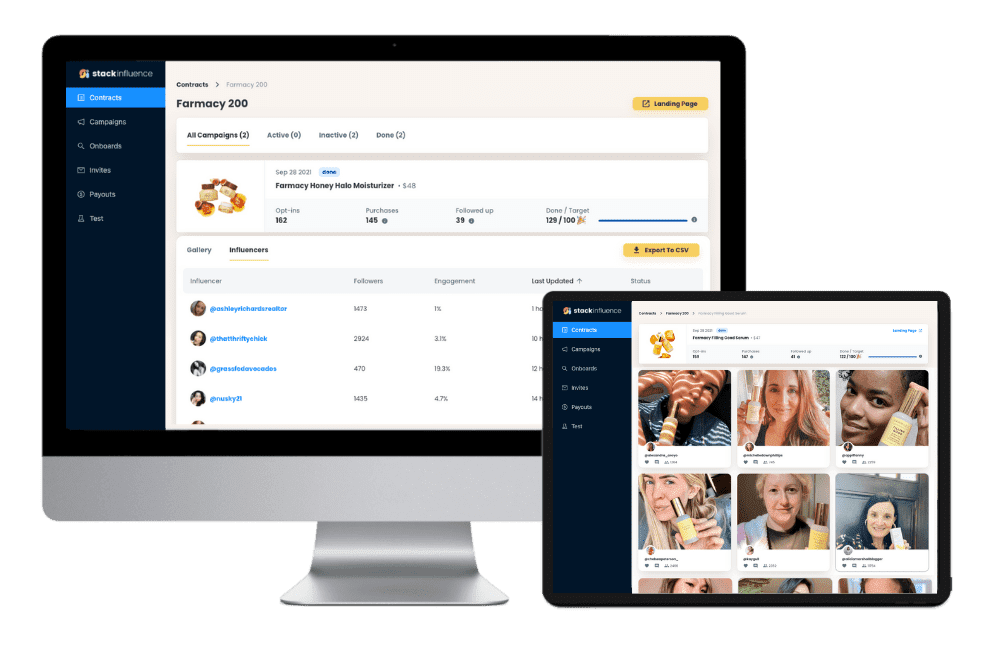
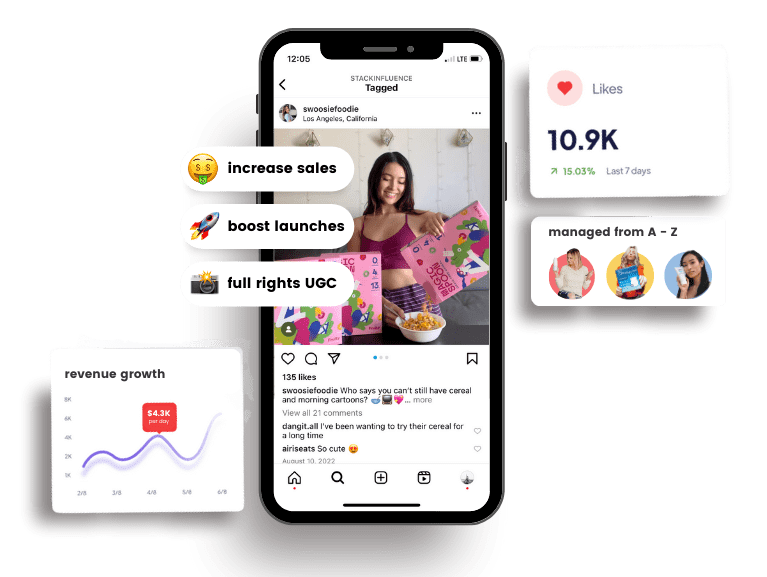
Twitter Lists are an underrated treasure for finding influencers. A Twitter List is a curated group of Twitter accounts, often centered around a theme or industry. Many savvy users create and share lists like “Top Ecommerce Experts” or “Favorite Tech Reviewers”. By tapping into lists, you can find clusters of influencers in one place:
By exploring Twitter Lists, you essentially leverage the curation work already done by others. It’s an efficient shortcut to identify multiple influencers in a category without hunting them one by one. Once you find a relevant list, consider following or engaging with those creators.
Twitter Communities (a feature introduced to group discussions by topic) can also be fertile ground for finding influencers, especially micro-influencers passionate about a subject. Communities are like interest-based groups where members tweet to the group’s feed.
For example, an Amazon seller of kitchen gadgets might join a “Home Cooking” community and soon notice a few cooking experts or home chefs who frequently share tips. Those could be great micro-influencers to partner with for showcasing your gadget in their next recipe tweet. Using Communities helps you find influencers who might not be super famous, but have strong clout in a dedicated group of potential customers.
Sometimes, the ideal Twitter influencer for your brand is someone who’s already in your orbit. Make sure to examine your brand’s current followers and interactions:
Your existing community can reveal micro-influencers who are organically interested in your brand. These people will likely create very authentic UGC if they partner with you, since they already have enthusiasm. As Meltwater’s marketing experts note, a follower-turned-influencer is valuable because they’re already familiar with your brand and can represent you authentically.
Beyond Twitter’s native features, consider using social listening tools or Twitter analytics to uncover influential voices:
By leveraging these tools, you essentially let data guide you to influencers. If a particular user consistently appears in conversations getting strong engagement around your topics, that’s a signal they are an influencer or thought leader in that space.
Also, keep an eye on competitors: social listening can alert you when another brand in your niche is mentioned alongside an influencer (e.g., “Thanks @TechGuru for reviewing our product!”). If your competitors are working with an influencer, you might consider approaching them as well – or find a similar profile who can champion your brand.
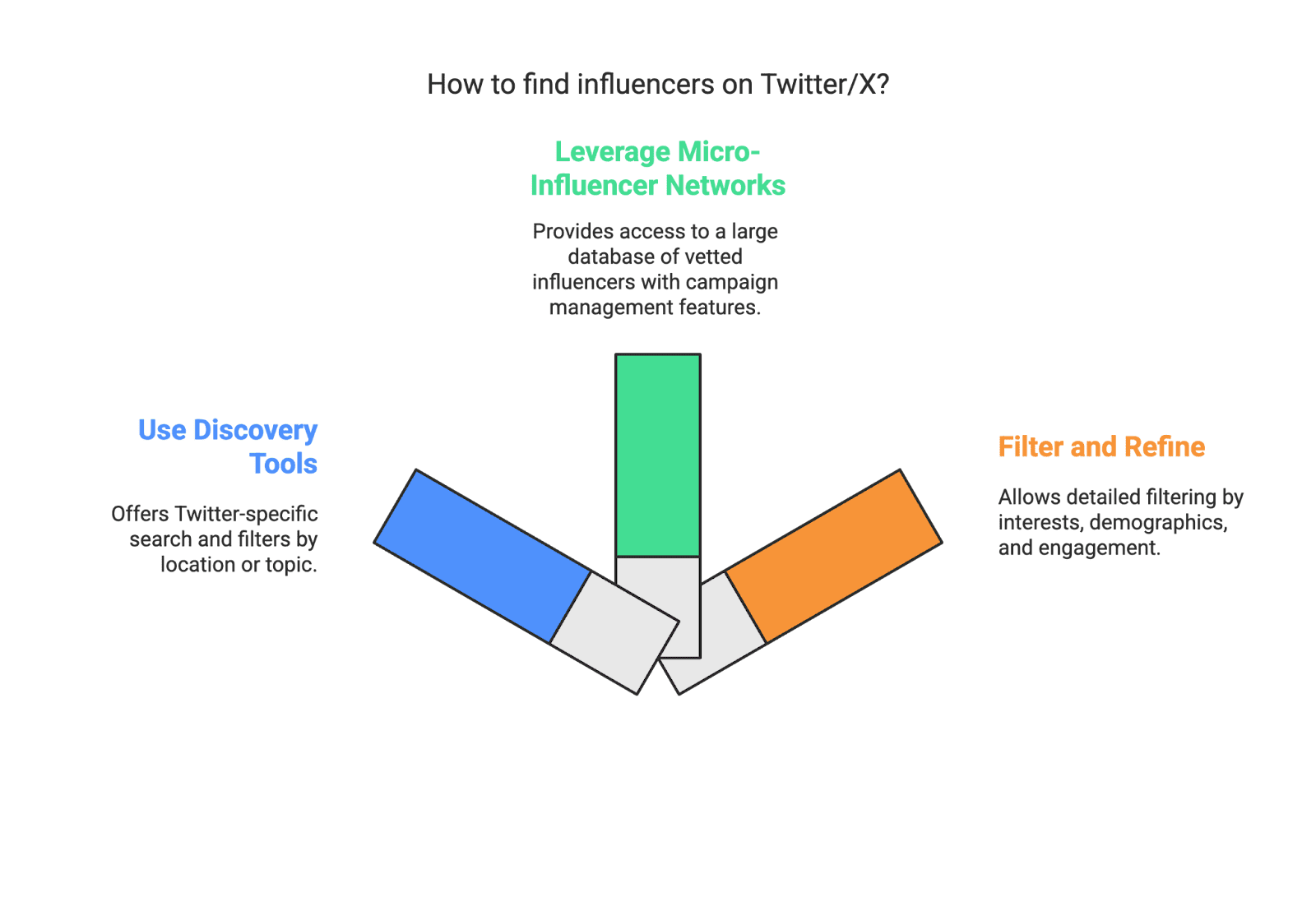
For a more automated approach, influencer marketing platforms can save time by aggregating and filtering creators across social media. There are many tools where you can search for Twitter/X influencers by keywords, follower count, engagement rate, location, etc. A few strategies here:
Using an influencer platform can streamline outreach and even handle parts of the collaboration process. Some platforms (like Stack Influence) will automate product seeding campaigns – meaning they help send your product to selected micro-influencers and coordinate the posting schedule. This automation scales up your brand awareness and UGC generation significantly. It’s essentially a one-stop solution: you provide campaign goals and product info, and the platform manages finding influencers, shipping products, and ensuring posts go live.
Pro Tip: When using influencer platforms or databases, don’t just rely on the numbers the tool provides. After getting a list of potential Twitter influencers, manually review their recent tweets. Make sure their content style and tone match your brand, and check that they engage positively with their followers. A smaller influencer who truly aligns with your brand values can be more valuable than one with a slightly bigger follower count but an irrelevant audience.
If all else fails, good old Google can help surface influencers. Try search queries like “top [industry] influencers on Twitter” or “best [niche] Twitter accounts to follow.” Often, marketing blogs or news sites have round-up articles (e.g., “15 Twitter Influencers Every Marketer Should Follow”). While these lists might feature more well-known personalities, they can still be useful for inspiration. You might find a few niche experts listed that are perfect for your campaign. Additionally, look at ranking sites like Feedspot or Influencer directories that list influencers by category. Just remember to vet any names you gather – ensure they are active on X and have genuine engagement.
Finding the right influencers on Twitter/X requires a mix of research, tools, and personal outreach, but it’s well worth the effort. The real-time nature of Twitter means that a single retweet or mention from an influencer can drive a surge of interest in your brand overnight. By leveraging hashtags, trending topics, lists, and influencer platforms, you can identify the voices that matter in your niche and turn them into brand advocates.
Remember to keep the relationship mutually beneficial: when reaching out to Twitter influencers, personalize your message, highlight why you admire their content, and explain how collaborating could provide value to their followers. Whether you send a free product for them to try, offer an affiliate commission, or simply build a friendly rapport first, authenticity is key. Influencer marketing on X works best when the content doesn’t feel forced – let your micro-influencers’ creativity shine through in genuine tweets about your product.
By following this guide, e-commerce marketers and Amazon sellers can develop a robust Twitter influencer strategy that boosts brand awareness, drives user engagement, and generates plenty of organic UGC to fuel your marketing engine. Now it’s your turn: start that hashtag search, join a community, or reach out to a potential influencer today – your next brand champion might just be a tweet away!

By William Gasner
CMO at Stack Influence
William Gasner is the CMO of Stack Influence, he’s a 6X founder, a 7-Figure eCommerce seller, and has been featured in leading publications like Forbes, Business Insider, and Wired for his thoughts on the influencer marketing and eCommerce industries.
Want new articles before they get published? Subscribe to our Awesome Newsletter.
111 NE 1st St, 8th Floor
Miami, FL 33132


© 2025 Stack Influence Inc
© 2025 Stack Influence Inc
The post How to Find Influencers on Twitter (X) for E-commerce Brands appeared first on Stack Influence.





