


19th
August, 2025
Micro influencers – generally creators with a smaller yet engaged following (often 1,000 to 100,000 followers) – are punching above their weight in today’s digital landscape. They might not have millions of followers, but they wield outsized influence through authenticity and niche focus. In an era where e-commerce brands and Amazon sellers seek genuine connections with consumers, even nano and micro creators are landing press features and brand deals that boost their profile. This guide will walk you through how to get public relations (PR) exposure as a micro influencer, whether you’re a beginner or a seasoned content creator. We’ll cover everything from building your personal brand to leveraging user-generated content (UGC), networking, pitching to media, and using platforms (with Stack Influence as an example) to amplify your reach.
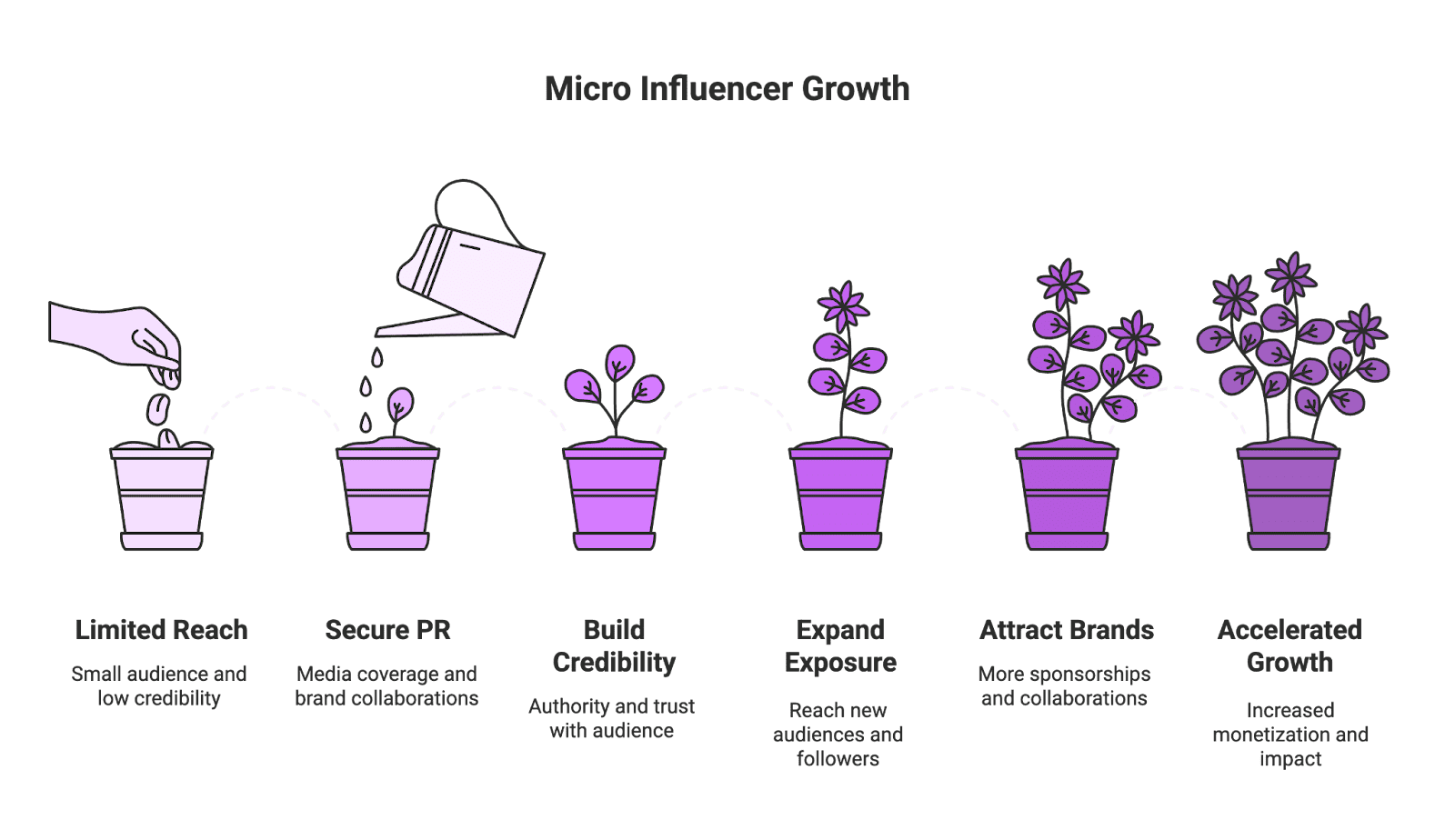
Public relations in this context means increasing your visibility and credibility through media coverage, brand collaborations, and word-of-mouth – going beyond just your own posts. Securing PR can lead to tangible benefits:
Being featured in articles or endorsed by brands lends authority to your name. It signals you’re a noteworthy creator, not just another social media account.
PR coverage (like interviews, guest posts, or shout-outs) puts you in front of new audiences beyond your followers, helping you grow.
Many companies (especially in e-commerce) scout for influencers who have press or a strong personal brand. Good PR can attract more sponsorships and product collaboration opportunities.
Positive press can validate your work to your existing audience, strengthening their loyalty and engagement with your content.
In short, strategic PR can accelerate your growth and monetization as a micro influencer. Now, let’s dive into how you can achieve that!
It’s easy to assume that only mega-influencers get PR attention. In reality, micro influencers (and even “nano” influencers) often have key advantages that make them attractive to brands and media. Understanding these will help you leverage your strengths when seeking PR.
Distribution of influencer tiers on Instagram. Nano- and micro-influencers make up the vast majority (nearly 90% combined) of all influencers on the platform.
First, consider that the majority of social media influencers are in the nano or micro range. On Instagram, for example, over 75.9% of influencers are nano (1K–10K followers) and another ~13.6% are micro (10K–50K). These smaller creators form the backbone of the influencer ecosystem, and brands are taking notice. In fact, 69% of brands now work with nano/micro influencers as they prioritize authenticity over sheer follower count. Why? Because smaller creators often cultivate closer-knit, highly trusting communities. Their recommendations feel like advice from a friend rather than an ad.
Another big advantage is engagement and influence per follower. Studies show consumers are much more likely to trust and act on micro influencers’ recommendations compared to celebrity endorsements. For example, nano influencers on Instagram average about 1.7% engagement rate, significantly higher than macro or mega influencers who might average around 0.6–0.7%. That means your content likely resonates more deeply with your audience. As one report noted, these stronger personal connections lead to higher engagement and “outsized influence” in purchasing decisions. Brands see this in outcomes: they can often get better ROI working with a team of micro influencers versus one big name.
To attract press and partnerships, you first need a clear personal brand. That means defining who you are as a creator and what unique perspective you offer. Start by identifying your niche – the area or topic you’re most passionate and knowledgeable about. Perhaps it’s eco-friendly beauty, budget fashion for moms, gadget reviews for tech enthusiasts, or fitness for busy professionals. The more specific, the better. Focusing on a niche helps you become seen as an expert or go-to voice in that area, which is appealing for both media and brands. Anyone can become a micro influencer, but it takes time and dedication – and it begins with choosing a topic you genuinely care about and excel in.
Once your niche is set, build out your personal brand identity around it. This includes:
Remember, authenticity is crucial. Don’t pretend to be something you’re not just to get PR. Micro influencers thrive on being genuine and relatable. Lean into what makes you unique. A well-defined personal brand not only attracts followers, it also gives journalists a clear angle to write about and helps brands see if you’re a good fit for their image. As one photographer-turned-influencer advises, your personal brand and media kit should convey “not just who you are, but the value you bring to partnerships”. So, invest time in crafting your brand identity – it’s the foundation for all your PR efforts.
In the influencer world, content is king – and queen! Great content is what initially grows your audience, and it’s also what gets the attention of brands and media. Treat your social profiles like a portfolio that editors or marketing managers might review. Here’s how to make your content shine:
UGC (User-Generated Content) is a huge buzzword in marketing right now, and it’s a sweet spot for micro influencers. Brands are eager for content that looks like genuine customer experiences. As a micro influencer, you can create UGC-style posts and videos that brands might repost or use in their ads. This is a win-win: the brand gets relatable content, and you get exposure to a wider audience (sometimes with credit given). For example, you might film an unboxing and honest reaction to a product from an Amazon seller – that clip could end up on the seller’s Amazon page or Instagram. Even if your following is modest, the content itself can travel far.
Case in point: Sperry (the boat shoe company) enlisted micro-influencers to create lifestyle photos and blog posts, which led to a 66% boost in website traffic and millions of impressions for the brand. That’s the power of quality content from micro creators. When you consistently produce such impactful content, you become very attractive to companies who might then feature you in their own channels or press releases (“Brand X teamed up with [Your Name] to launch Y”).
Moreover, crafting good content can directly lead to PR opportunities. A viral TikTok or a well-written blog post could get you noticed by media outlets looking to cover a trend. For instance, if you create a compelling infographic or video that gets shared widely, a journalist might cite it or ask to interview you about that topic. Always be ready – have your contact info easily visible on your profile or website for any press inquiries.
Pro tip: Diversify your content across platforms. Maybe you primarily do Instagram Reels, but consider also writing an occasional LinkedIn article or Medium post about your niche. As Shopify’s 2025 guide notes, short-form video is hot, but “authentic storytelling” across different channels can boost conversions and reach new audiences. By repurposing your content (e.g., turning a YouTube tutorial into a series of Instagram slides or a blog post), you amplify your presence. Each platform could be a gateway for some journalist or brand to discover you.
In summary, focus on content creation as your craft. It’s the fuel for your growth and the bait for PR opportunities. And don’t shy away from the role of being a content creator for brands – producing UGC can fast-track your exposure when that content gets amplified beyond your own followers.
High follower counts are nice, but as a micro influencer, engagement is your gold mine. An engaged audience not only appeals to brands, it also boosts your chances of organic PR. Why? Because engaged communities create buzz – they leave comments, share your posts, and even advocate for you, which can catch the eye of others. Here’s how to cultivate that community:
Growing your community also means steadily attracting new followers. Part of that will happen through PR itself (press mentions will funnel new eyes to you), but you should also proactively network (next section) and use basic growth tactics: optimize your hashtags/SEO, post at peak times, and maybe collaborate with slightly larger influencers to get introduced to their audience. Healthy growth combined with strong engagement is a recipe for being seen as an influential voice, even at a micro scale.
Lastly, remember that loyal followers can become your advocates. If you treat them well and provide value, they might recommend you to their friends or even tag you in opportunities. (Don’t be surprised if one day a follower who loves your content happens to be a writer or a brand manager and offers you a feature or gig!) A vibrant, interactive community is a form of grassroots PR – it’s essentially positive word-of-mouth that can spread beyond your immediate reach. So nurture it, and it will nurture your growth in return.
PR is as much about who you know as what you do. As a micro influencer, you should actively network and collaborate within both the influencer community and your niche industry. This can open doors to opportunities you might never find on your own. Some networking tips:
When networking, focus on giving, not just taking. Offer help, share others’ content, and celebrate peers’ successes. This generosity tends to come back around. If you become known in your circle as someone who supports others, you’ll naturally attract support for your own endeavors. For example, another creator might refer you to a brand (“I’m overbooked, but I know someone who’d be perfect for your micro influencer campaign”) or a blogger friend might feature you in a roundup article.
One more point: collaborations can themselves become PR. If you do something cool with another creator – say a joint Instagram Live or a themed content series – pitch that story! Local media might love the angle of “Two [City]-based micro influencers team up to [do something interesting].” At the very least, you can both publicize it on your channels, effectively doubling the PR reach.
In summary, don’t operate in a silo. Networking expands your opportunities exponentially. Many micro influencers have found that as their network grows, so do the unsolicited opportunities coming their way (from shout-outs to media features and invites). So get out there, virtually or in person, and make some friends in the biz!
When it comes time to actively reach out for PR – whether you’re contacting a brand for a partnership or emailing a magazine editor for a feature – you’ll need to put your best foot forward. This is where your media kit and pitching skills come into play.
What’s a media kit? It’s essentially your influencer resume/portfolio that you can share with potential collaborators. A media kit is typically a PDF or webpage that includes: who you are, your niche, audience demographics, follower counts, engagement rates, notable collaborations, testimonials, and contact info. Think of it as a highlight reel of your influence. A well-crafted media kit reflects professionalism and establishes you as a serious contender; it lends credibility and shows brands that you’re business-savvy. In other words, it’s how you tell brands or media “I know what I bring to the table – and here’s proof.”
Design your media kit to be clean and visually appealing – use your branding elements. There are templates online for influencer media kits if design isn’t your forte. The goal is to quickly communicate who you are and why you’re awesome to work with. When you have this media kit ready, you can attach it or link to it in your communications.
Next is the pitch email (or DM) that you’ll send to brands or journalists. This is typically a short message tailored to the specific opportunity. Here’s how to craft a good pitch:
Keep pitch emails short and sweet – a few short paragraphs at most. Use bullet points if that helps readability (especially when outlining collaboration ideas or key stats). And double-check spelling/names – professionalism counts.
One more thing: consider preparing a press release style announcement if you’re doing something newsworthy yourself. For instance, maybe you’re launching your own product (like merch or an e-book), or you’re hosting a charity livestream. Writing a short press release and sending it to local media or relevant blogs can sometimes get you coverage. Format it like a news story, with a catchy headline and the who/what/where/when. Even if you’re small, local news outlets often love human-interest stories (“Local content creator raises $5000 for animal shelter through TikTok”). It’s worth a try if you have a compelling story!
Overall, being prepared with a media kit and knowing how to pitch will massively increase your success rate in converting outreach into actual PR. It shows you’re not just a casual Instagrammer, but a professional content creator who is ready to work together. As one PR resource explains, a concise media kit plus a tailored pitch makes it easier for brands to quickly see if you’re a fit, aligning your strengths with their needs. So, get your materials ready and start knocking on doors – opportunity will eventually answer.
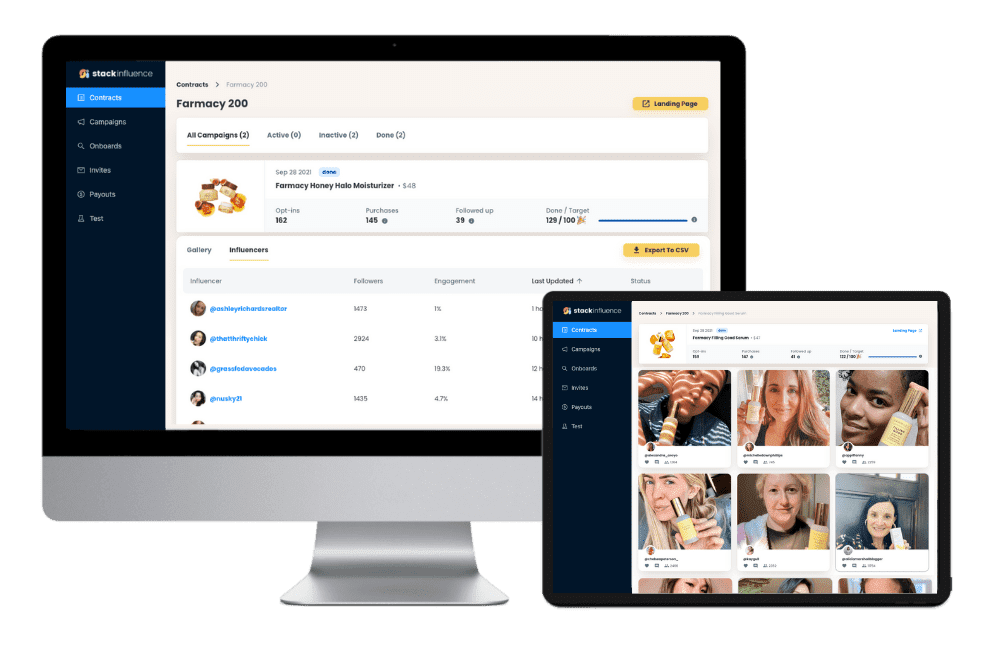
One of the quickest ways for micro influencers to get on the radar of brands (and thus gain PR opportunities) is to join influencer marketing platforms. These are online marketplaces or agencies where creators can sign up and be matched with brand campaigns. Many e-commerce companies and especially Amazon sellers use such platforms to find micro influencers to promote their products. By having a presence on these platforms, you increase your chances of getting contacted for collaborations that can lead to press-worthy content.
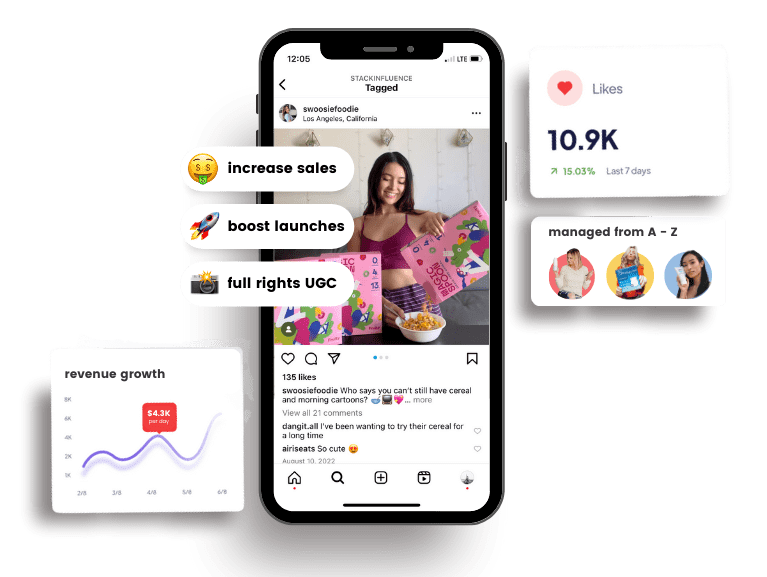
Some popular influencer platforms include Aspire (formerly AspireIQ), Upfluence, FameBit (YouTube’s Collab tool), and niche-specific ones for Instagram or TikTok. Stack Influence, for example, is a platform specializing in micro-influencer campaigns for consumer brands. They often work with Amazon marketplace sellers and DTC (direct-to-consumer) e-commerce companies to run campaigns with a network of small creators. By signing up on Stack Influence, you could get invited to participate in product promotions – e.g., receiving a product to create content for, sometimes including compensation. Each campaign you do not only earns you experience (and possibly money or free products), but if successful, it’s something you can tout in your portfolio (“Collaborated with X brand via Stack Influence”). Some platforms even handle generating a case study if a campaign went exceptionally well.
Why use these platforms? Brands trust them and actively scout them. PR and marketing professionals often turn to influencer databases to find the right micro influencers for their needs. By being listed, you’re essentially putting your hand up and saying “I’m here and ready to work.” It saves brands time, so they’re more likely to go through these channels than to discover you organically one by one. Moreover, the platform often facilitates the campaign process (handling the brief, tracking, payments), which makes it easier for both you and the brand to collaborate smoothly.
When you join, make sure to fully optimize your profile on these platforms. This is like an extension of your media kit in a standardized format. Include a clear bio, your niche categories, all your social accounts with up-to-date follower counts, and any standout metrics. Some platforms let you set your rates or collaboration preferences; be honest but don’t undervalue yourself. Also, add a few of your best content examples (photos/videos) if there’s a portfolio section.
Be selective with the campaigns you apply to. Aim for products/brands that align with your niche and that you genuinely like – remember authenticity. If you become known on the platform for doing quality work, you might get directly invited to more campaigns. It’s not uncommon for micro influencers to develop ongoing relationships with brands through a platform (e.g., a small skincare brand that found you on Stack Influence loves your content and later hires you for a longer-term ambassador role – that’s major PR and potentially steady income).
Here’s another benefit: success stories from these collaborations can become PR content themselves. Stack Influence, for instance, has published case studies like “13X ROI With Amazon Micro Influencers”, highlighting how a brand achieved a 13-fold return by working with a team of micro creators. Imagine being one of those creators – that’s something you can brag about (and even cite the stat to future partners). It shows that micro influencers drive results.
Additionally, these campaigns often generate brand-produced PR. For example, if you and other micro influencers are part of a product launch, the brand might issue a press release or social media posts tagging you. That’s direct PR exposure you gain simply by participating.
In short: get on reputable influencer platforms, especially ones focusing on micro/UGC creators. It’s one of the most efficient ways to land collaborations with e-commerce and Amazon-focused brands. You’ll expand your network, build your resume of brand partnerships, and likely get content that you (and the brand) can share widely. All of this boosts your profile in the public eye. Many micro influencers have jump-started their PR journey through such platforms – so don’t miss out on these marketplaces where brands are actively looking for you!
(Bonus tip: Keep an eye on newer platforms or those specific to your niche – for instance, some platforms specialize in hooking up authors with book reviewers, or local businesses with local influencers. Early adoption of a platform can sometimes get you featured or recommended more, since they have fewer influencers in the system at the start.)
Speaking of Amazon and e-commerce – let’s dive deeper into how you can get PR traction in this space. Amazon sellers and online brands are constantly in need of content and reviews to stand out in a crowded marketplace. This presents a ripe opportunity for micro influencers and UGC creators.
Join the Amazon Influencer/Affiliate Program: Amazon has its own influencer program where, if you qualify (criteria include a certain follower count or engagement rate on major platforms), you can create a custom Amazon storefront with products you recommend. You earn commissions on sales through your links, and you can even host Amazon Live streams reviewing products. If you get on Amazon Live and build an audience there, brands might sponsor segments or send you products to feature – essentially like being a QVC host as a micro influencer. This can absolutely become a PR angle (“Amazon Live influencer [Your Name] shares top kitchen gadget picks”) especially as Amazon Live is still growing and sometimes gets press attention in the tech/business media. At minimum, Amazon might surface your streams on product pages, which is added exposure.
Even if you’re not in the formal program, becoming an Amazon affiliate and consistently reviewing Amazon finds on your social media can put you on the radar of Amazon sellers. There’s a whole trend of “Amazon finds” or “TikTok Made Me Buy It” content. If you make those and one goes viral, Amazon’s own social team or other media sometimes spotlight creators behind popular product trends.
Direct Outreach to Amazon Sellers: Smaller Amazon marketplace sellers (think niche brands selling via Amazon FBA) often have very limited marketing teams. If you find a product you genuinely love, don’t hesitate to reach out to the company (many have contact info on the Amazon listing or a brand website). Propose creating some content for them in exchange for the product or a small fee. Emphasize how your style of content can showcase their product better than generic ads – essentially offering them UGC they can use. They might feature your review video on their Amazon page or social media. If they credit you, that’s PR. Even without credit, you can still count it as an experience and perhaps ask for a testimonial.
Feature E-commerce Brands in Your Content: You can also attract PR by proactively featuring products or brands and then tagging them. For instance, as a micro fashion influencer, you might do a “My 5 Favorite Affordable Clothing Brands” YouTube video and include a lesser-known online boutique or an Amazon fashion line. When you publish, tag those brands or send them the content. There’s a chance they’ll share it (instant PR via their audience), or they might even approach you for future work. At the very least, you’re networking by showing love first – some brands keep track of organic mentions. If one of those brands later decides to invest in influencer marketing, they may recall that you already advocated for them genuinely and reach out.
Additionally, being savvy with e-commerce seasonal opportunities can help. Example: Amazon Prime Day or Black Friday/Cyber Monday – if you create content like “Top 10 Prime Day Deals for Home Cooks” and promote it, you have a timely hook. Often, websites round up influencer posts during these big shopping events, and you could get featured in an article like “Best Prime Day Tips from Influencers” if your tips catch on. Same for holiday gift guides or back-to-school essentials in your niche.
Keep in mind that big e-commerce players themselves use influencers aggressively. Amazon, for one, was among the top talked-about brands on Instagram due to influencer mentions. That means there’s an ecosystem of collaboration you can tap into. Even other retail giants (Target, Sephora, etc.) have formal and informal influencer programs. Joining these (when available) or simply engaging with them can yield PR. For instance, Sephora’s micro influencer program (“Sephora Squad”) often leads to those influencers being quoted in beauty articles or invited to brand events that get press coverage.
Lastly, treat every e-commerce collab professionally and try to go the extra mile. If you do a great job promoting an Amazon seller’s product and it leads to sales (they can track using affiliate links or special coupon codes), ask if they’d be willing to provide a brief case study or quote you can use. Something like, “After [Your Name]’s video review, our product sales jumped 20% in a week,” looks fantastic in your media kit. It’s also a story you can tell if you pitch yourself to bigger brands (“I helped a small brand increase sales through my content”). Numbers speak loudly in PR.
In summary, embed yourself in the e-commerce boom: be active in Amazon-related content, connect with online sellers, and be the go-to micro influencer in your niche for product recommendations. There’s a ton of mutual value to be unlocked here – you get content and possibly commissions/fees, and they get authentic promotion. And as those successes accumulate, they pave the way for larger press and brand opportunities.
Thus far we’ve focused a lot on brand-related PR, but what about getting yourself in the media? Traditional PR – getting written about in articles, blogs, or interviewed on podcasts/TV – is absolutely attainable for micro influencers. You might not have publicists chasing you (yet!), but you can be your own PR agent. Here’s how to proactively secure media coverage:
When you do land press coverage, maximize it. Share it across your socials (“So excited to be featured in…”) – this not only gives you credibility with your followers, but other journalists may see it and consider you for future stories (media tend to follow what others are doing). Add the logo or mention of the feature to your bio or media kit (e.g., “Featured in BuzzFeed” or “As seen on NBC News”). Success begets success in PR – once you have a few logos, it subtly signals to others that you’re media-friendly and a valid subject.
Also, nurture relationships with any journalist or writer who does feature you. Send a thank-you note after an article goes live. Keep them updated occasionally if you have a really newsworthy update (“Just wanted to share that I hit 50K subscribers on YouTube recently, in case you’re ever looking for someone to comment on X, I’d be happy to help.”). Don’t spam them, but a polite follow-up months down the line can keep you in their Rolodex of contacts.
Lastly, be mindful of what stories you want to be known for. Stick to positive and relevant press opportunities. It might be tempting to take any 15 minutes of fame (like some outrageous stunt to get on a reality TV segment), but think long-term. Aim for PR that reinforces your brand image and authority. Quality of press beats quantity.
By actively pursuing press and being helpful to journalists, you’ll find that over time media coverage starts to snowball. And that’s when you truly become more than “just” an influencer – you become a recognized name in your niche.
As you implement these strategies, you’ll (hopefully) start accumulating little PR victories: a collaboration here, a mention there, a spike in followers after a feature, etc. It’s crucial to capitalize on these wins and incorporate them into your brand story – while always staying true to the authentic voice that got you here.
Promote Your Success Stories: Don’t be shy about sharing when something good happens. If a brand campaign you worked on yielded great results, ask if you can share some numbers or a testimonial. Post about it: “Loved partnering with [Brand] – our campaign reached 50,000 people and broke the company’s sales record for launch day!”. If you’re featured in media, definitely let your audience know: “I’m in VoyageLA Magazine today – talking about my journey as a content creator, check it out!” By doing this, you achieve two things: you let your followers celebrate with you (building community), and you signal to other brands/media that you’re someone worth featuring. Success breeds success; people like to hop on a winning trend. Displaying logos of outlets you’ve been featured in (on your website or Instagram highlights) is a subtle but effective way to boost your credibility at a glance.
Keep an Updated Portfolio: Maintain a highlights section – whether it’s a page on your blog, a PDF, or even a Google Drive folder – of your best work and press. This might include links to your top-performing posts, screenshots of media features, case studies of campaigns, etc. It’s like a running CV of your influencer career. Not only is it useful for you to track progress, it’s handy to quickly pull from when new opportunities arise (“Oh, you want examples of my work? Here’s a link to 5 posts where I drove strong engagement/sales.” or “Attached is a one-sheet of my recent features and partnerships.”). Keeping this up to date will save you scrambling later.
Cultivate Long-Term Relationships: If a particular brand or PR agency has worked with you and it went well, stay in touch. Send a friendly note on occasion (season’s greetings, or “congrats on your new product launch!”). You’ll likely get repeat collaborations, or they might refer you elsewhere. Being on a PR agency’s good side can lead to multiple brand deals since agencies often represent many clients. Likewise, remain friendly with journalists or bloggers you’ve interacted with. Interact with their content (without any agenda) to keep the relationship warm.
Stay Humble and Authentic: As you get more exposure, remember the core reason micro influencers are valued: authenticity and trust. Don’t let a bit of fame or free products change how you treat your audience. Continue to be transparent in your reviews and selective in what you promote. Audiences can be forgiving with #ad tags if you handle sponsorships honestly and keep a good balance of organic content. If your followers sense you’ve “sold out” or changed, you could lose the very engagement that made you attractive to PR in the first place. Moreover, authenticity is something even the press appreciates – human-interest stories resonate more if they’re genuine. So if you ever feel pressure to fabricate or exaggerate for press, resist that. It’s not worth losing credibility. As the saying goes, “trust takes years to build, seconds to break.”
Learn and Iterate: Not every PR attempt will be a hit. You might pitch 10 journalists and hear back from 1. You might try an influencer platform and not get any campaigns for months, then suddenly one pops. Treat it all as a learning process. If something doesn’t land, refine your approach. Maybe your media kit needs tweaking, or maybe you realize your niche could shift slightly to get more traction. Stay adaptive. Keep an eye on what other micro influencers are doing successfully – can you draw inspiration from them? There are many YouTube videos and blogs where creators share how they got featured in XYZ or how they pitch brands; consume that content to keep improving your PR game.
Celebrate Milestones: Hitting your own milestones (follower counts, anniversary of starting your channel, etc.) is also an opportunity for PR. Share your reflections in a blog post or LinkedIn article (“1 Year as an Influencer: 5 Things I Learned”). Sometimes those personal growth stories get picked up or shared widely. At the very least, it’s content for your audience that underscores your journey and expertise.
In the end, always circle back to why you became a creator in the first place. Let that passion shine through in all your communications. If you love what you do and remain genuine, audiences and opportunities will continue to come. As one PR agency put it, micro influencers bring authenticity, engagement, and credibility, and when combined with smart PR strategies, it’s a powerful recipe for building awareness and trust.
You’ve got the authenticity – now you have the strategies to amplify it via PR. Stay true, stay persistent, and enjoy the process of growing from a micro influencer into a micro influencer with major influence!
Getting PR as a micro influencer is not only possible – it’s happening every day in 2025’s influencer-driven world. Brands big and small are eager to work with relatable creators, and media outlets are starting to profile the rising stars of niche communities. By building a strong brand foundation, creating valuable content, actively networking, and strategically pitching yourself, you put yourself in the best position to attract those opportunities. Remember to leverage tools like influencer platforms and HARO, and tap into the booming e-commerce realm where micro influencers are driving real results for Amazon sellers and online brands.
It may take time and hustle – you might send dozens of emails, craft countless posts, and face some rejections – but each step is progress. Learn from every campaign and feature. As you gain experience, your confidence and credibility will snowball. Even as you grow, never lose sight of what makes micro influencers special: the genuine connection with your audience. Keep that front and center, and any PR you get will only amplify the positive impact you already have.
Whether you’re just starting out as a UGC creator on Instagram or a seasoned micro influencer on YouTube looking to break into bigger press, we hope these tips set you on the path to PR success. Good luck – and we can’t wait to see your name in the headlines for all the right reasons!

By William Gasner
CMO at Stack Influence
William Gasner is the CMO of Stack Influence, he’s a 6X founder, a 7-Figure eCommerce seller, and has been featured in leading publications like Forbes, Business Insider, and Wired for his thoughts on the influencer marketing and eCommerce industries.
Want new articles before they get published? Subscribe to our Awesome Newsletter.
111 NE 1st St, 8th Floor
Miami, FL 33132



© 2025 Stack Influence Inc
© 2025 Stack Influence Inc
The post How to Get PR as a Micro Influencer (Ultimate Guide for Content Creators) appeared first on Stack Influence.





