


Enamel pins have exploded in the fashion world and entrepreneurs everywhere are wondering how to take advantage of this business opportunity.
These tiny metal pins are highly customizable and can feature any design, including offbeat illustrations, branded logos, and anything else you can dream up. Enamel pins act as an extension of people’s personalities and allow them to customize and accessorize jean jackets, backpacks, hats, and more.
From graphic designers to apparel masterminds to major retailers like Urban Outfitters, creatives and pin makers worldwide have started building successful online businesses by transforming their unique designs and ideas into enamel lapel pins.

If you are starting your own small business to make candles, soap, or other handmade products. Running an Etsy store could be an excellent way to find customers and make money from your work. And you can also use your design talents to turn digital art into physical objects for sale and design online on EnamelPins.com, custom enamel pins with no minimum and free shipping.
They are inexpensive, easy to store, and small in size. This is also a good way for stores to promote your business. Custom enamel pins are ideal for any occasion, including school, clubs, exhibitions, corporate events, etc.
In this post, we’ve compiled a comprehensive guide to designing, manufacturing, and selling enamel pins to help you discover how to make enamel pins and create your own online accessory powerhouse.

Use our free starter kit to sell enamel pins!
Burst is a free stock photo site powered by Shopify. Download our free enamel pin images and read our guide to learn how to start selling pins online.
Many people have bought an enamel pin at some point in their lives. They are easy-to-use fashion accessories that look good wherever you put them. Enamel pins are considered small art pieces and are sold and marketed as such. Most enamel pins cost between $8 and $12, but can also sell for much more.
Souvenir pins have been around for decades. Go into any rest stop or gift store, and you’ll likely find various lapel pins.
Today, people wear pins to express themselves and promote what they like. They can place pins anywhere: backpages, hats, shirts, pants. Enamel pins have become a sort of fashion statement, with celebrities like Taylor Swift wearing them on the cover of Entertainment Weekly.

Illustrators and artists love the enamel pin industry for a few reasons:

The best part? Enamel pins don’t cost much. Pin Lord, an enamel pin seller online, estimates the cost for pins to be between $135 and $200 for 100 units. It’s also possible to get certain pins made overseas for cheaper prices.
There are many types of enamel pins you can create. But let’s look at some of the most common and affordable ones you can make today.
Soft enamel is the most popular choice for creating enamel pins and a favorite for beginners. It generally has more color options, with richer and more vibrant colors available.

Using soft enamel also lets you get more texture detail into your design, including borders and edges you can actually feel. However, soft enamel pins are also much less durable than hard enamel pins and they can be scratched easily.
To create a soft enamel pin, one layer of paint is applied on recessed areas of the pin’s surface. The slightly higher metal between these recessed areas give the pin a rigid finish. These enamel pins are often cheaper to produce.
Hard enamel is much more durable and rugged than soft enamel but can be more expensive and generally has more restrictions when it comes to coloring. Hard enamel pins can appear subdued and less vivid than soft enamel pins.
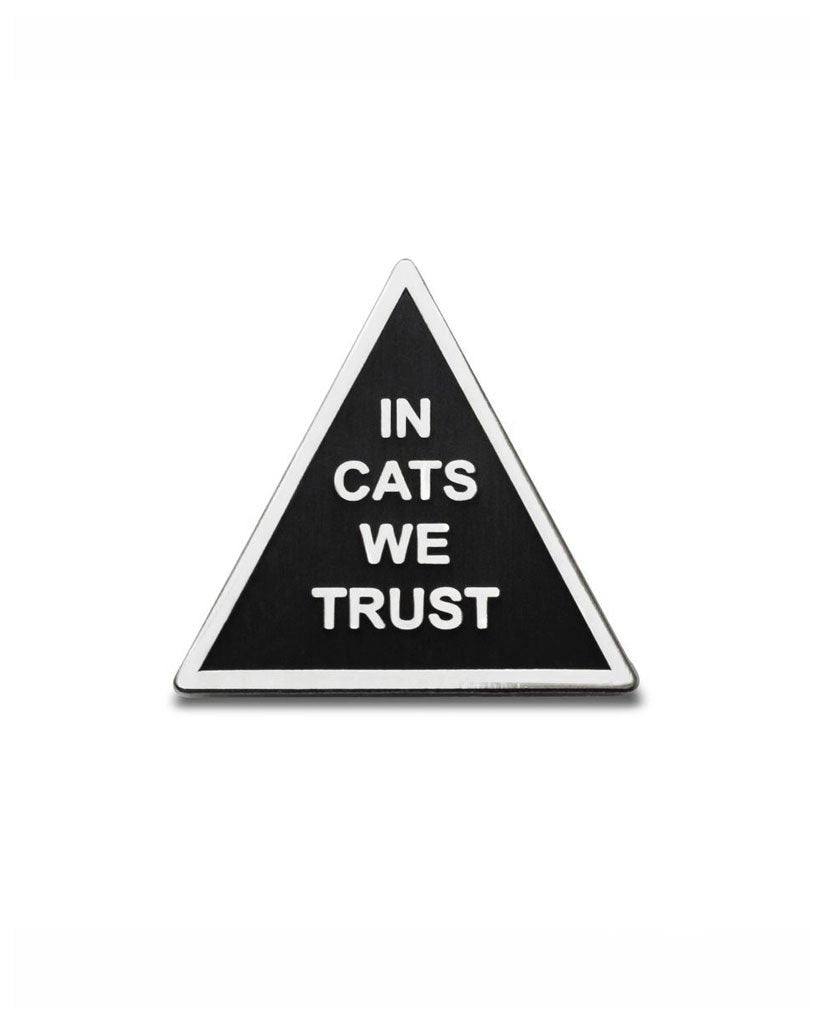
Additionally, hard enamel pins use a clear coat of resin on top which creates a textureless, smooth surface. Hard enamel is a good choice if your pins will need to withstand the elements and if long-term durability is important to you.
3D mold pins, or die-cast pins, are a type of pin made with metal. They are made when molten metal is poured under high pressure into a mold of your design. 3D mold pins typically have a more elegant, classic look and are made from either zinc or pewter.

You’ll want to use die cast pins when you have an intricate design that requires cutouts or a pin that isn’t a perfect shape. Think designs for animals, toys, planes, or symbols.
An epoxy pin has a clear plastic coating that is applied to soft enamel or offset-printed-style lapel pins. It adds shine and protects your designs from damage. Epoxy coating can protect silk screen paint or offset printed designs from fading or scratching over time.

Die struck pins are made from pressing metals, like iron, gold, or copper, against a steel mold to create your pin. Striking the metal creates a recessed area where you can add color options, like cloisonné. Some makers also sandblast the recessed area to create a two-tone metal look.

Custom pins are a fun and fulfilling way to transform your designs into a gorgeous physical product, but making them can seem out of reach if you aren’t sure where to start.
We put together this tutorial to help ambitious people like you. People who have a dream or an idea for their very own enamel pin business but aren’t totally sure how to make it happen.
Where to start
Building a new product or business always starts with researching the right resources to get the job done. So, if you’ve found this article: Congratulations! You’ve just completed the first step and you’re already on your way to creating your first set of enamel pins.
With this guide and the right tools at your disposal, making your own enamel pins is easy.
If you’ve never made enamel pins or started your own business before, you’ve probably found yourself asking questions like:
In this post, you’ll get the answers to all of these questions and more, as we walk through the entire process of creating and selling pre-designed or custom lapel pins from start to finish. We’ve done all the hard work and research for you so you can get started as quickly as possible.

Want to know the secret to creating a great product? Find an audience first.
If you can narrow down a unique niche for your enamel pins, the rest of the process will be much easier. Understanding your audience also means understanding how to design a great product and sell it to that audience.
The best foundation for a successful business idea is a passion project. When you find a niche that you’re passionate about first, creating and selling enamel pins online won’t feel like work. It’ll still take time and effort, but you’ll enjoy every part of the process if it’s something you truly care about.
When it comes to niches, there are two basic ways to find an audience: choose a niche that you care about or find a niche that you either already understand or can easily learn to understand. All it takes is a bit of market research to find a passionate, engaged audience that will be perfect for your brand.
If you’re already an active member of a niche community, creating a business that caters to their values is a straightforward process. Remember: a niche can be any community with a specific, definable set of interests.
A niche can be any community with a specific, definable set of interests.
Not sure which niches you belong to? Take a look at your interests and think about the communities that surround them. Do you have any hobbies? What are your favorite TV shows, movies, or books? What are the things you’re crazy about?
Targeting your own community can be a rewarding strategy, but sometimes it’s better to find new niche audiences with fresh opportunities instead.
There are a few different methods to seeking out active niches:
Once you’ve done some research and found a set of niche communities that could work for your business, it’s time to determine whether they’re good fits for creating a successful, sustainable product.
Here’s a simple framework for evaluating a niche’s potential:
After you’ve determined who you’re going to be selling your enamel pins to, you’ll need to figure out what those pins will actually look like.

Even if you don’t have any design skills, creating enamel pins is totally possible. There are a wide variety of options out there to connect you with talented artists or turn your original designs into physical products.
Let’s take a look at the different resources and tools you can use to design stunning enamel pins, regardless of your skill level.
For creating mockups of your lapel pins, using Adobe Illustrator or Photoshop is probably your best bet. If you don’t have access to Photoshop, here are some free alternatives you can use to create your own original designs:
Maybe you aren’t confident in your design skills or you don’t have the time to create your own designs. Whatever the reason, there are lots of great options out there for outsourcing the entire design process to talented designers from around the world.
Here are some great marketplaces for hiring graphic designers and purchasing design resources:
Note: If you’re purchasing design resources, make sure they have a commercial license so you can use them for your products.
When it comes to enamel pins, there are a few guidelines your final designs will need to follow:
Learn more: The Business of DIY: 14 Things to Make and Sell Online

Once you’ve come up with your designs, you’ll need to track down a manufacturer who can take your ideas and transform them into enamel pins.
Even if you’re an experienced entrepreneur, researching and contacting manufacturers, suppliers, and distributors can seem a little intimidating. However, the manufacturing process is fairly straightforward if you know what you’re looking for ahead of time.
In this section, we’ll explore a step-by-step process for researching and evaluating manufacturers, as well as things to keep in mind once you’re ready to get your enamel pins made.
As a rule of thumb, it’s important to try to keep your costs low when ordering pins. Here’s a look at the factors that increase the final price of your order:
In terms of order quantity, the main cost for manufacturers is building the initial mold for your product. Once they’ve built the mold to cast your pin, the cost to add more pins to your order is not as impactful on your bottom line as the cost of creating the mold. Just something to keep in mind when you’re considering how large of an order you should make.
There are many companies in North America, Europe, and Asia that offer enamel pin manufacturing. A quick Google search for enamel pin manufacturers can turn up lots of different results. Here’s a quick look at a few options:
Alternatively, you can use Alibaba to track down a reliable manufacturer overseas.
Connecting with overseas manufacturers is an intimidating process. If this is your first time dealing with manufacturers, you probably have no idea where to start—but that’s totally fine.
Our guide How to Find a Manufacturer or Supplier for Your Product Idea has everything you need to know about finding the perfect manufacturer for your product.
For enamel pins, there are a few details you should keep in mind when reaching out to a manufacturer.
Most enamel lapel pin manufacturers will allow you to customize the materials you use for your pins, beyond hard or soft enamel. You’ll be able to choose the color and texture of your enamel pins’ base before dyes are added, so make sure you ask to see all the options available. You should also ask about the options available for the needle on the back of your pin, including whether the clasp for the needle is steel, rubber, or some other material.
Additionally, find out if your chosen manufacturers will also let you customize the way your pins are shipped. Enamel pins usually arrive in small plastic bags, but some manufacturers will allow you to add a custom backing card to each bag for a unique, professional touch. If backing cards are available, make sure you’re given the exact design specifications for them, including color limitations and bleed area.
Any trustworthy manufacturer will send you a proof or sample pin for you to inspect before ordering a full run of product. Be sure to thoroughly examine this sample to make sure that the product lives up to your vision.
After finalizing your product design, the next step is to validate demand. Order the smallest run possible first and see how it does. Once you’re positive there’s a substantial demand for your product, then you can think about scaling up and increasing the size of your orders.
Now that you know your market, the pins you’ll sell, and your supply chain, it’s time to figure out how and where to sell your enamel pins.
Marketplaces like Amazon and Etsy are good places to list your pins, but you’ll want to open an online store for your own brand. An online store acts as your digital home, where you can connect with shoppers and sell your products.
For example, Shopify Merchant PINTRILL, a leading enamel pin seller, features hundreds of pins on its ecommerce website.

PINTRILL gives new life to work by artists that have passed like Jean-Michel Basquiat and Keith Haring. It also expanded its product line to include keychains, pin backs, and hats. You can create your own DIY custom pins right on the website.
Because PINTRILL doesn’t list on third-party marketplaces, it doesn’t pay commission and can keep all the profits.
When it comes to marketing your own enamel pin business, there are some recommended channels you’ll want to try:
Last bit: make sure to take good product photos of your pins. Shoppers will want to see the details, and you took the time to design them, so might as well show ’em off.
Learn how to take beautiful product photos on a budget with our free, comprehensive video guide.
Almost there: please enter your email below to gain instant access.
We’ll also send you updates on new educational guides and success stories from the Shopify newsletter. We hate SPAM and promise to keep your email address safe.
Building an enamel pin business can be both rewarding and profitable when done right.
Even if you feel like there is some competition in your niche, do it. Like any competitive market, if you focus on making incredible products and getting them in front of the right audience, you’ll turn a profit.
Start your business as a side hustle, then slowly turn it into a full-time venture. You’ll figure out what pins sell and different ways to source them to increase margins and make money online.
Illustration by Pete Ryan
The cost of making enamel pins depends on many factors, like colors, materials, and type of enamel pin. However, you can expect to pay between $130 and $220 for 100 units, even cheaper if you buy from overseas.
Enamel pins are made of many different materials. You can make enamel pins from metals like copper, pewter, zinc, gold, and brass.
Enamel pins can be expensive because you have to make a mold to produce them. Whether you make one or one thousand pins, the mold costs the same. The mold is also the most expensive part of creating custom pins.





